Vanuatu
Vanuatu is a Y-shaped chain of 80-plus volcanic islands in the South Pacific, stretching between New Caledonia and the Solomon Islands. Around 330,000 people live here, with most visitors passing through the capital Port Vila on Efate (≈49,000 people) and Luganville on Espiritu Santo (≈18,000). It’s a place of lush rainforest, coral reefs, active volcanoes and strong village traditions. Culturally, Vanuatu is one of the most linguistically diverse countries on Earth, with over 100 local languages plus the national creole Bislama alongside English and French. The country’s only UNESCO World Heritage Site today is Chief Roi Mata’s Domain, a trio of culturally sacred sites linked to a revered 17th-century chief on Efate, Lelepa and Artok islands.
History:
Archaeological evidence suggests the first people arrived in Vanuatu more than 3,000 years ago, part of the Lapita migration that spread across the Pacific. Over centuries, distinctive island cultures and languages developed, with complex systems of chiefs, kastom (custom) and ceremonial exchange. Spanish navigator Quirós sighted the islands in 1606, but sustained European contact came much later with traders, missionaries and “blackbirding” labour recruiters in the 1800s.
By the late 19th century, France and Britain were competing for influence and eventually agreed to run Vanuatu together as the New Hebrides Condominium — an unusual system where two colonial powers shared (and duplicated) administration, courts and education. During World War II, the islands became a major Allied base, particularly around Espiritu Santo, leaving airstrips, quays and wrecks that divers still explore today.
An independence movement gathered strength after the war, and in 1980 the Republic of Vanuatu was born. Since then, politics have been lively but democratic, with frequent government changes, strong churches and village structures still shaping daily life. Vanuatu is also on the frontline of climate change and natural disasters — from cyclones to the 7.2–7.3 magnitude earthquake that struck near Port Vila in December 2024 — and its leaders are vocal advocates for climate action and loss-and-damage reparations.
Language:
Official languages:
- Bislama (English-based creole; common national language)
- English
- French
Helpful Bislama phrases 🗣️
- Hello – Halo
- Thank you – Tangkyu tumas
- Excuse me / Sorry – Sori
- How much? – Hamas long hem?
- Bathroom / Toilet – Toilet i wea? (“Where is the toilet?”)
English is widely spoken in tourist areas (Port Vila/Luganville resorts, tour operators), but a few words of Bislama go a long way with ni-Vanuatu staff and guides.
Currency:
- Vatu (VUV)
- Rough ballpark (late 2025): 1 USD ≈ 120 VUV (rates fluctuate).
Cash vs card
- ATMs (ANZ, BRED, BSP) are available in Port Vila and Luganville; much more limited or non-existent on outer islands.
- Larger hotels, restaurants and supermarkets take cards; small shops, markets, local buses and kava bars are cash-only.
- Bring some small VUV notes (100–500) for buses, markets and tips.
- ATMs can run out of cash after cyclones or disruptions; don’t leave withdrawals to the last minute.
Tipping etiquette
- Tipping is not a strong local custom; it’s not expected, but small tips or a “rounding up” are appreciated in tourist-facing places.
- For tours/guides: consider ~5–10% of tour cost or 500–1,000 VUV for a good half-day tour, a bit more for full day.
- For taxis: round up the fare.
- For spa/massage: ~10% if service was excellent.
Tasting:
Vanuatu food is simple, fresh and very local: root vegetables, coconut, seafood and fruit.
Island dishes
- Laplap – The national dish: grated root veg (taro, yam or breadfruit) baked with coconut cream in earth ovens, often with meat or fish.
- Tuluk – Cassava dough stuffed with pork or beef, wrapped and baked; portable and filling.
- Simboro – Island “cannelloni”: leafy greens rolled around grated root veg and cooked in coconut milk.
- Cassava pudding / tapioka – Dense, sweet pudding with coconut; a favourite at celebrations.
- Fresh Seafood – Snapper, tuna, and other ocean fish sold at market and cooked in local cafés (avoid reef fish due to possible ciguatera).
- Kokoda-style fish – Raw fish marinated in citrus and coconut milk, similar to ceviche.
Snacks & sweets
- Market fruit – pineapple, pawpaw, bananas, mangoes, citrus (seasonal), typically SBD/VUV-equivalent small change per piece or pile.
- Ngali (nangai) nuts – Rich local nuts, sometimes roasted or in sweets.
Drinks
- Kava – A mildly narcotic root drink; Vanuatu kava is strong. Expect a peppery, earthy flavour and a numbing tongue. Drink slowly, on an empty-ish stomach, and don’t mix heavily with alcohol.
- Tusker beer – The local lager; cold and easy-drinking.
- Tanna coffee & local cocoa – Excellent quality; good souvenirs that travel well.
Travel Tips:
General safety
- Overall advisory: “Exercise normal safety precautions” in Vanuatu.
- Violent crime is uncommon, but petty theft (bags, phones, wallets) can occur, especially at night. Keep valuables secure, and avoid walking alone in poorly lit areas.
- Be extra cautious around bars/clubs late at night and at ATM locations.
Natural hazards (cyclones, earthquakes, volcanoes)
- Vanuatu is one of the most disaster-prone countries in the world, with earthquakes, tsunamis, cyclones and active volcanoes.
- Cyclone season: roughly November–April; November trips can be affected by heavy rain, rough seas or occasional storm systems.
- Follow crew and local instructions; if going on independent tours, ask how operators monitor weather/sea conditions.
LGBTQ+ travelers
- Same-sex sexual activity is legal, with the age of consent equalised. However, Vanuatu is socially conservative and in 2024 a law was passed explicitly banning same-sex marriage.
- There is no broad anti-discrimination protection, though there are some limited employment-sector protections. Public displays of affection (of any kind) are uncommon; LGBTQ+ guests should be discreet, especially outside resort environments.
Is the water safe to drink?
- Officially, town supply in Port Vila and Luganville is treated and considered safe for locals.
- For cruise guests (especially older residents or anyone with a sensitive stomach):
- Prefer bottled, boiled or filtered water aboard and ashore.
- Avoid ice of uncertain origin and raw salads from very basic stalls.
- On outer islands or villages, assume tap water is not safe; bring or buy bottled water.
Malarial risk?
- Yes. Vanuatu has ongoing malaria transmission, especially on Espiritu Santo (Luganville), Malekula, Epi and some other islands; risk is lower but not zero on Efate (Port Vila).
- Strongly encourage residents to:
- Use DEET or picaridin repellent, long sleeves/pants at dusk.
- Sleep under screened or air-conditioned environments (Don’t sleep with your balcony door open).
Other mosquito-borne illnesses
- Dengue and Zika are present; bite avoidance is key (repellent, covering up, avoid standing water).
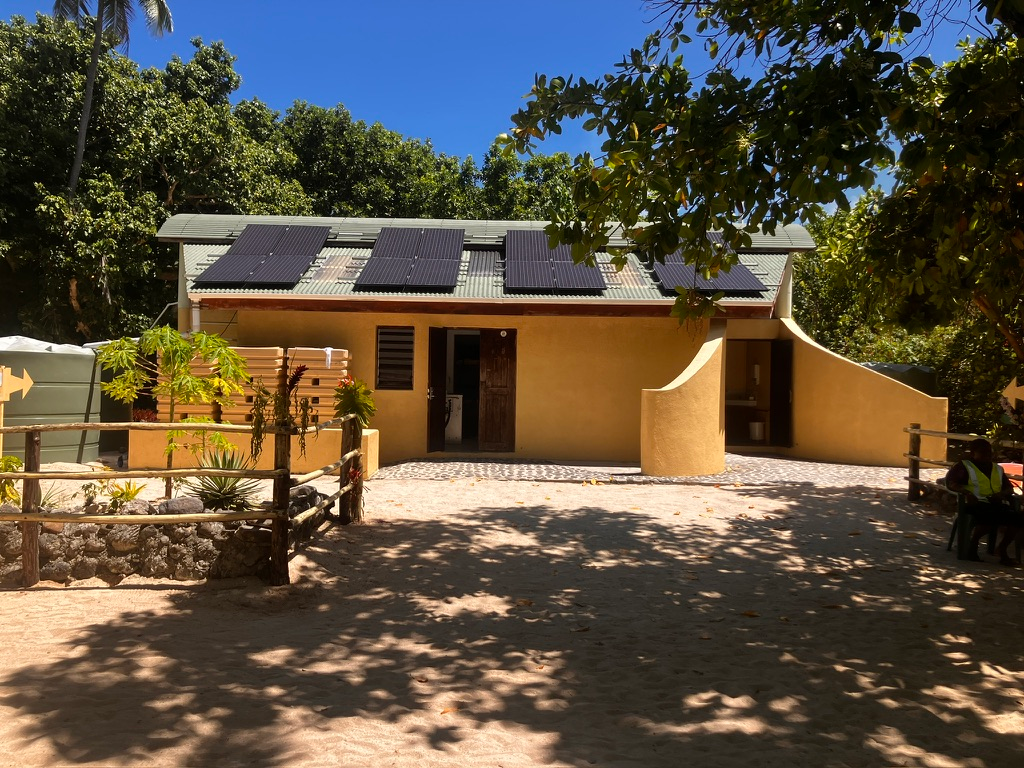
Public toilets
- Public toilets exist in Port Vila (market, Nambawan Café area, NPF Plaza, some parks) but can be basic; there may be a small fee.
- On outer islands or small villages, facilities are very limited.
- Good practice: use facilities at cafés, hotel bars, attractions (Blue Lagoon, cultural villages) and carry tissues/hand sanitiser.
Bike Safety Tips for Vanuatu
• Bring your own bike – Reliable bike rentals are uncommon across Vanuatu, especially on outer islands. Assume you must bring your bike from the ship.
• Ride early – Heat and humidity spike by late morning; plan rides between 7:00–10:00am whenever possible.
• Hydrate constantly – Carry 1–2 liters of water per person; refill points may be limited outside town centers.
• Expect mixed road conditions – Surfaces range from sealed roads to coral gravel and sand. Watch for potholes, loose stones, and washouts after rain.
• Ride defensively – Traffic can be light but unpredictable. There are no bike lanes, and many drivers are not accustomed to cyclists.
• Stay on main visible roads – Avoid dense bush paths, private land, and WWII overgrown areas due to hazards and possible UXO in some locations.
• Sun protection is essential – Wear a helmet/hat, sunscreen, and sunglasses. Tropical UV is extremely intense, even during cloudy weather.
• Carry cash and essentials – Rural areas have few shops or services; bring water, phone, cash, and basic repair items (pump/tube).
• Respect villages – Slow down when passing homes, animals, or children; wave and greet with respect (“Halo!”).
Helpful free apps
- Maps.me – Offline maps for Efate, Santo and outer islands (download before you go ashore).
- Google Maps – Works in towns, but not as strong off-grid.
- XE – Live currency conversion for VUV.
- Windy / Windy.app – For sea and wind forecasts, useful if guests are planning small-boat or snorkel trips.