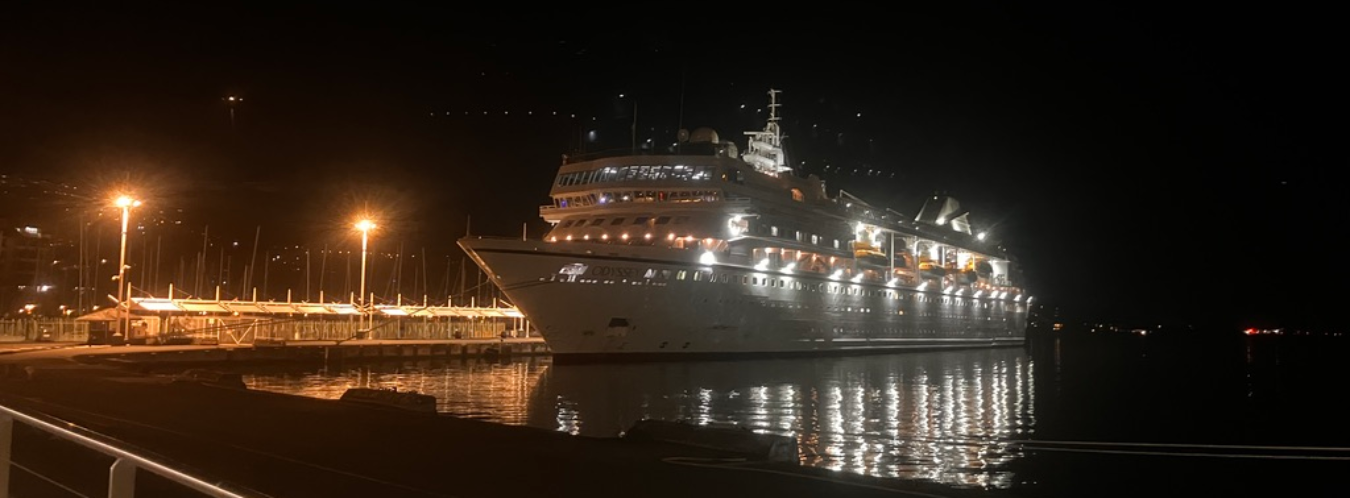
My views do not necessarily reflect the views of my employer.
I flew home from Papeete, so I didn’t get to go to Fakarava. But I had so much fun saying Fakarava as many times as possible during my presentation:
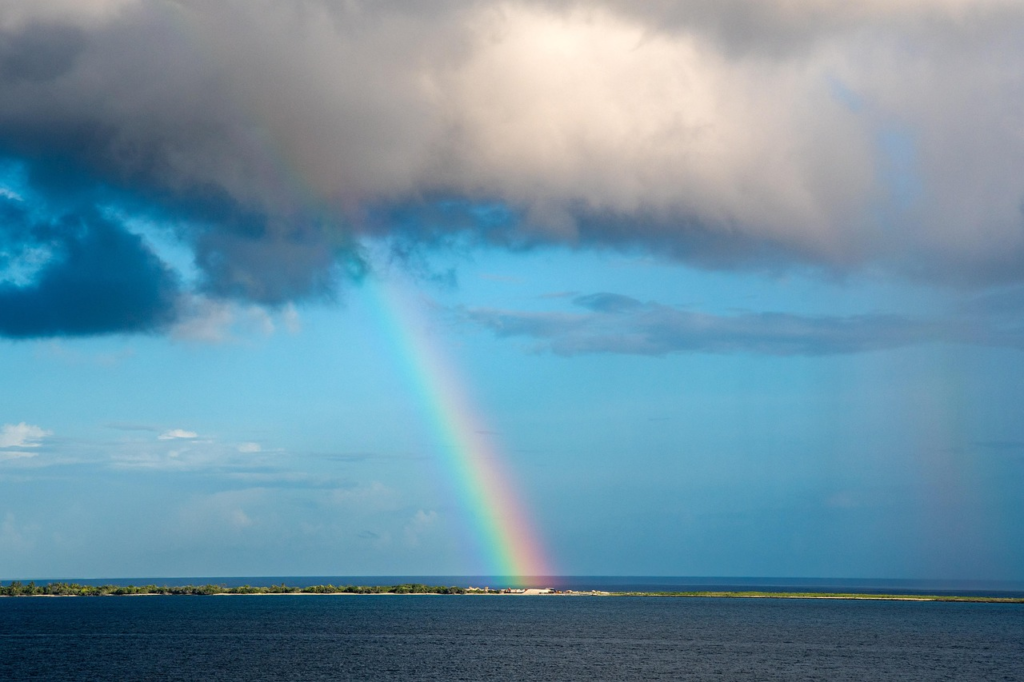
Fakarava, French Polynesia
Fakarava is a remote coral atoll in the Tuamotu Archipelago, about 450 km (280 miles) northeast of Tahiti, with a population of roughly 800 people spread mainly around the main village of Rotoava. The atoll and several nearby islands form the UNESCO-designated Fakarava Biosphere Reserve, renowned for pristine reefs, rare birdlife, and world-class shark diving. Expect an easygoing, “old Polynesia” feel: sandy lanes, bikes instead of taxis, tiny family shops, and water so clear you can see rays and reef sharks gliding over the coral heads right from shore. Fakarava is all about nature—lagoon, sky, and quiet—so this call is less “big sightseeing city” and more “lagoon paradise and slow island life.”
History:
Fakarava has been inhabited for centuries by Paumotu (Tuamotu) Polynesians, and is considered one of the heartlands of traditional Tuamotu culture. The powerful Pōmare dynasty, which later ruled Tahiti, originated here before shifting its center of power westward.
European contact began in 1820 when Russian navigator Bellingshausen charted the atoll as “Wittgenstein Island”; a series of British and French explorers followed through the 1830s. In the mid-19th century, France asserted control and Fakarava became part of its colonial holdings. A modest trade in coconut oil and, later, mother-of-pearl developed, and the sheltered lagoon made Fakarava an important copra and pearling hub despite its small population.
Catholic missionaries arrived in the 1840s; the church in Rotoava was blessed in 1850, followed by the coral-block church of Notre-Dame-de-la-Paix at Tetamanu in 1874, one of the earliest Catholic churches in the Tuamotus. Christianity remains dominant today, blending with Polynesian traditions.
In the late 20th century, black pearl farming briefly boomed, then consolidated into a handful of farms. Today, Fakarava’s identity is shaped less by copra and more by conservation and low-impact tourism. As part of the UNESCO Biosphere Reserve (originally created in 1977 and renewed in 2006/2017), the atoll now balances sustainable fishing, pearl farming, and some of the planet’s most celebrated shark dives with efforts to protect its fragile reef ecosystem.
Itinerary:
Arrival: Friday January 2, 2:00pm (please allow time for port clearance)
Departure: Saturday January 3, Last Tender: 5:00pm Sail away: 6:00pm
Fakarava Tender Schedule:
| First Tender | Last Tender | ||
| 2-Jan-26 | Fri | 3:00 PM | 9:00 PM |
| 3-Jan-26 | Sat | 8:00 AM | 5:00 PM |
Please note: After 6:00 PM the service will operate at one-hour intervals until the final tender at 9:00 PM.
Approximate time from ship to shore: 10-15 minutes
Weather
Average Temps: High: ~30°C / 86°F Low: ~25°C / 77°F
Average Sea Temperature: ~28–29°C / 82–84°F – (comfortably bath-warm).
Climate: January falls in the warm, humid “summer” wet season (November–April). Expect hot days, very warm nights, and a mix of blazing sun plus short, intense showers or thunderstorms. Breezes over the lagoon usually keep it from feeling oppressive, but humidity is high.
What to Wear: Lightweight, breathable clothing (linen/cotton, quick-dry fabrics). Swimwear plus a rash guard or T-shirt for snorkeling (sun + possible jellyfish or coral scrapes). Reef-safe sunscreen, sunhat, and sunglasses are essential. Flip-flops or water shoes for beaches and boat ladders; lightweight closed shoes or sport sandals if biking or doing longer walks. A light rain shell or poncho for passing showers.
Near the Pier:
Tender Dock: Rotoava Wharf / Village Harbor
Google Maps: Saved Pin by Tumoana Markets
Everything in Rotoava is strung along one main paved waterfront road.
Nearby Essentials:
Pharmacy / Clinic: Infirmerie de Fakarava – local clinic with basic medical services; located in the mairie (town hall) compound facing the quay. Mon–Fri mornings, with 24/7 emergency coverage. Note: Selection is limited.
ATM: None on the atoll. Multiple sources note there are no banks or ATMs on Fakarava; bring enough CFP francs (XPF) from Tahiti or another larger island.
Grocery / Snacks: Several small “magasin” groceries and a gas-station mini-market along the main road in Rotoava. One newer, air-conditioned convenience-style store sits right by the main wharf with drinks, snacks, and some fresh items when the supply ship has recently arrived.
Nearest Church: Rotoava Coral Church (Église Saint-Jean-de-la-Croix) – small Catholic church built largely from coral; a few minutes’ stroll along the village road.
Nearest Golf: None on Fakarava. There are no golf courses in the Tuamotu atolls of this type; nearest proper courses are on Tahiti.
Nearest Shopping (mall/market): No malls; instead, a handful of tiny groceries, a simple produce “market” around supply-ship days, clothing shops and pearl boutiques scattered along the main road in Rotoava.
Getting Around:
🚶 Walking Rotoava village is small and flat. From the wharf, most shops and eateries are within a 5–15 minute walk along a single paved waterfront road. Heat and sun are the main challenges; shade is patchy, especially midday.
🚌 Public Transit No public bus system on Fakarava. Transfers to guesthouses are by pre-arranged truck/van from the airport.
🚖 Taxis There is effectively no formal taxi service on the island. Some pensions can arrange private transfers by car or truck for a fee, but this must be organized in advance.
🚴 Bike Rentals Biking is the main way visitors get around. There are no big rental chains, but Evotia Shop (opposite Rotoava wharf, next to the elementary school) rents bikes and scooters and is very close to the tender. Expect simple cruiser bikes; e-bikes are occasionally available. Typical costs are in the “casual rental” range (roughly the equivalent of US$15–25 per half-day to full day, depending on who you rent from – ask before riding). Roads are narrow; traffic is light but includes trucks/4x4s.
🚗 Car Rentals No standard car-rental agencies on Fakarava; the atoll really lends itself to bikes and boats rather than cars.
Hop-On Hop-Off? None. No HOHO buses or structured city tours.
Witnessing:
Garuae (North) Pass – Sharky Drift Dives & Snorkel Views Fakarava’s Garuae Pass is the widest pass in French Polynesia and one of its most famous dive sites, known for gray reef sharks, canyons of vibrant coral, and massive schools of fish.
- Experience: Advanced drift dives with dive shops; some snorkel excursions cruise along the pass to watch the action from the surface.
- Practical: Access via pre-booked dive/snorkel boat from near Rotoava (15–30 min by boat).
- Dives are pricey but world-class; expect “big trip” pricing in line with high-end South Pacific diving.
- Strong currents – this is not a beginner snorkel spot unless with a reputable operator.
✨ Tip: Garuae is famous for mass shark and fish aggregations during certain moon/tidal cycles; if you’re a serious diver, consider scheduling with local guides around these peak periods.
Tumakohua / Tetamanu (South Pass) – “Wall of Sharks” The south pass around Tetamanu is legendary for its “wall” of hundreds of gray reef sharks patrolling the channel, especially on incoming tides and during grouper spawning.
- Experience: Boat trips (dive or advanced snorkel) from north Fakarava or stays at small pensions near the pass. Expect intense shark encounters in very clear water.
- Practical: Typically a full-day excursion from Rotoava, ~1 hr+ boat ride each way; weather and sea conditions matter.
- Costs are high but include boat, guide, and often lunch on a motu.
- Advanced level for diving; “confident in water” for drift snorkel.
✨ Tip: Bring a reef-safe long-sleeve top; you’ll be in strong tropical sun on the boat as well as in the water.
Blue Lagoon – “Lagoon in a Lagoon” Often described as one of Fakarava’s most beautiful spots, the Blue Lagoon is a shallow inner lagoon with powdery white sand, leaning palms, and natural swimming-pool conditions.
- Experience: Float over turquoise water, snorkel with colorful fish and curious blacktip reef sharks in ankle- to chest-deep water, and enjoy picnic-style lunches on a motu.
- Practical: Usually visited on half-day or full-day lagoon excursions from Rotoava (boat 30–60 min depending on stops).
Expect tour prices in the “special treat” range – similar to a full-day reef excursion in other high-end Pacific destinations.
✨ Tip: The water is often shallow and brilliantly reflective—reef shoes, a hat, and high-SPF, reef-safe sunscreen are a must.
Rotoava Village & Coral Church Rotoava is the atoll’s only real village: a string of homes, guesthouses, grocery shops, pearl boutiques, and a charming coral church along a paved waterfront lane.
- Experience: Stroll the waterfront, watch nurse sharks and fish from the pier, visit the church built largely from coral blocks, and get a feel for everyday Tuamotu life.
- Practical: 5–15 min easy walk from the tender. No admission; dress modestly if entering the church.
✨ Tip: If you’re in port on a service day, attending Mass (usually in French and/or Tahitian) is a powerful cultural experience—ask onboard or locally about service times.
Topaka Lighthouse (Phare de Topaka) The Topaka Lighthouse is a quirky, pyramid-shaped stone tower about 14–15 m (45 ft) high, built from coral limestone slabs in the 1950s and now decommissioned.
- Experience: Atmospheric ruins, ocean views, and a sense that you’ve biked to the end of the world. Very photogenic.
- Practical: ~30–40 min flat bike ride from the tender along the main coastal road. No facilities; bring water and sun protection.
✨ Tip: Go earlier in the day to avoid heat and to enjoy softer light for photos.
Learning:
Notre-Dame-de-la-Paix (Tetamanu Coral Church) At the far south of the lagoon, Notre-Dame-de-la-Paix is one of the first Catholic churches in the Tuamotus, built entirely of coral blocks in 1874 and lovingly restored.
- Experience: Step inside to see coral walls, simple wooden furnishings, shell decorations, and a sense of deep quiet.
- Practical:
- Typically visited on full-day boat trips to Tetamanu / South Pass.
- No ticket, but donations are appreciated.
✨ Tip: Even if you’re mainly there to snorkel, this church gives a moving glimpse of how missionaries and islanders blended old and new traditions.
Pearl Farm Visits (Havaiki & Others) Black pearls are a major part of Tuamotu heritage. Fakarava still hosts several pearl farms, including Havaiki’s farm and other local operations that offer guided visits.
- Experience: Learn how oysters are grafted, how pearls are graded, and see lines of oysters hanging in the lagoon. Most tours finish in a boutique where you can buy pearls directly from producers.
- Practical: Many tours are free or low-cost, with the expectation you may shop.
- Access: short bike ride or pick-up from village guesthouses.
- Allow 1.5–2 hours.
✨ Tip: Prices range widely; staff are usually happy to explain grading so you understand why one pearl costs more than another.
Village Craft & Pearl Boutiques Rotoava has small artisanal shops and pearl boutiques, some attached to pensions, selling carvings, shell jewelry, pareos, and, of course, Tahitian black pearls.
- Experience: Browsing is part shopping, part cultural lesson—owners are often happy to talk about fishing, pearl farming, and village life.
- Practical:
- All walkable from the wharf; allow 30–60 minutes for a gentle browse.
- Mostly cash; card acceptance is limited and may include a surcharge.
✨ Tip: Ask before taking photos inside shops; many are family-run.
Discovery:
Nurse Shark & Reef Shark Watching – From Rotoava’s shore and nearby shallows you can often spot nurse sharks and blacktip reef sharks cruising the sandbars, especially at high tide. Guided snorkel trips can safely bring you closer.
Sunset on the Lagoon – Join or organize a small-boat sunset cruise. With almost no light pollution, twilight and the early stars over the lagoon are spectacular.
Fishing Trips – Some pensions and boatmen offer lagoon or outer-reef fishing; always check regulations as the biosphere reserve has protected zones.
Hiking Fakarava has no mountains, so “hiking” here means flat walks along beaches and motu.
Rotoava Coastal Walk (Easy) Stroll from the wharf along the waterfront road past homes, shops, and beach access points, with views into the lagoon.
- Access: Start at tender dock.
Biking Fakarava is generally bike-friendly for confident riders on the main paved lagoon-side road only. There are no shoulders, no lights, and no helmets provided. Avoid riding in the dark or on rough coral tracks. Heat and sun are major hazards—ride early and hydrate.)
Rotoava Village to Topaka Lighthouse Follow the main waterfront road west/south from the wharf through Rotoava until the pavement ends at the lighthouse access.
- Distance / Time: ~8–10 km one way; about 30–40 minutes each way at a leisurely pace.
- Difficulty: Easy–moderate (flat, but hot; basic road).
- Notes: Bring plenty of water and sun protection; no shade or services at the lighthouse.
Rotoava to “PK9” Beach Pedal south along the lagoon-side road beyond most pensions toward the long beach areas often referred to by kilometer markers (e.g., PK9).
- Distance / Time: ~30–40 minutes from the wharf, depending on stop-and-go.
- Difficulty: Easy (flat); surfaces mix of good pavement and occasional rough patches.
Village & Pearl Farm Loop From the wharf, ride north and south through Rotoava, stopping at groceries, the coral church, and nearby pearl farms/guesthouses.
- Distance / Time: 5–10 km total; 1–2 hours with stops.
- Difficulty: Very easy, ideal for casual riders.
Shopping
Magasins (Village Groceries) Basic groceries, baguettes, canned goods, snacks, water, soft drinks, and occasionally fresh produce.
- Access: 5–10 min walk from wharf.
✨ Tip: If you see fresh fruit or bread, buy it right away—supplies vanish quickly when the ship or yachts are in port.
Pearl Boutiques & Farm Shops Black pearls in all grades, from simple loose pearls to high-end jewelry, often sold directly by farm owners.
- Access: Scattered along the main road; some require short bike rides or transfers.
✨ Tip: Always ask for a card or receipt stating pearl origin if you’re buying something special.
Small Clothing & Souvenir Shops Pareos (sarongs), T-shirts, shell jewelry, hats, and beach-friendly clothing.
- Access: In/near Rotoava.
✨ Tip: Stock is limited; Fakarava is the place for a meaningful pearl or small keepsake, not large-scale shopping.
Tasting:
Local & Iconic:
- Lagoonside “Fish of the Day”: Depending on season, you may see parrotfish, mahi-mahi, or local lagoon fish on menus.
- Coconut & Breadfruit (Uru) Dishes: Try taro, breadfruit, and coconut-based desserts.
- Hinano Beer & Local Rum Punches: Cold Hinano lagers, simple ti-punches, and tropical cocktails at beach bars and pensions.
Where to Eat:
- Rotoava Grill – Casual lagoon-view restaurant in town; French-Polynesian menu (fish, burgers, steak-frites), open for lunch most weekdays and select evenings. Cash preferred.
- Havaiki Lodge Restaurant & Meko Bar – Resort restaurant/bar offering Polynesian-French fusion meals and cocktails; reservations recommended.
- Snack Kori Kori, Snack Chez Elda, etc. – Small snack-style local eateries (opening days/hours vary).
- Milkshakes & Feet-in-the-Water Dining: Some small lagoon-side pensions near Rotoava have simple restaurants with tables right in the shallows and indulgent treats like milkshakes.
Irish Pubs / Mexican Restaurants? None on this tiny atoll—no Irish pub, no dedicated Mexican restaurant.
Nightlife:
Nightlife is low-key and nature-focused:
- Lagoon-Front Drinks: Cocktails or beers at Havaiki’s Meko Bar or Rotoava Grill during dinner hours.
- Stargazing: With minimal light pollution, the Milky Way over the lagoon is spectacular—just step away from any bright lights.
- Evening Stroll: Short walks through the quiet village; just bring a flashlight and bug spray.
No clubs, no big live-music venues; occasionally pensions host island-style music or dance, but it’s informal and small-scale.
Travel Tips:
Because this is a small atoll with limited infrastructure, plan ahead: pre-book any dive or drift-snorkel excursions where possible and bring enough local cash for meals, drinks, and small purchases.
No ATM or bank on Fakarava. Bring enough CFP francs (XPF) from Tahiti or another major island.
Some restaurants and pensions accept cards but may add significant surcharges (reports of ~20% in some places).
Language & Etiquette French is the main language; many locals also speak Tahitian and some English in tourism roles.
Dengue, Zika & Chikungunya: These mosquito-borne illnesses are present; outbreaks occur periodically. Use repellent (DEET or picaridin), wear long sleeves/pants in the evenings.
Sun, Heat & Water UV is extreme; reef-safe sunscreen, hats, and hydration are non-negotiable. Drink plenty of safe water (bottled or treated).
Sea & Reef Safety Reef cuts can get infected quickly in the tropics; wear reef shoes, avoid standing on coral, and clean any cuts promptly. Follow guide instructions around sharks; these dives are highly regulated and generally safe when done properly in designated zones.
General Safety Violent crime is rare; main risks are environmental (sun, reef, dehydration, boats). Medical care is limited to the local clinic; serious issues require evacuation to Tahiti, so travel insurance is strongly recommended.
*This information is provided for the convenience of our residents and guests. While every effort has been made to ensure accuracy at the time of preparation—including tour details, operating hours, transportation options, pricing, and local regulations—conditions in port may change without notice. Weather, sea state, cultural events, business availability, and safety considerations can affect access to local attractions or services.
Residents are encouraged to use their own judgment, follow local guidance, and confirm details independently when planning activities ashore. Villa Vie Odyssey, its crew, and its representatives are not responsible for changes, closures, or incidents that may occur while guests are ashore.
For your safety, always return to the ship by the designated all-aboard time, and follow instructions from local authorities and shipboard staff at all times.