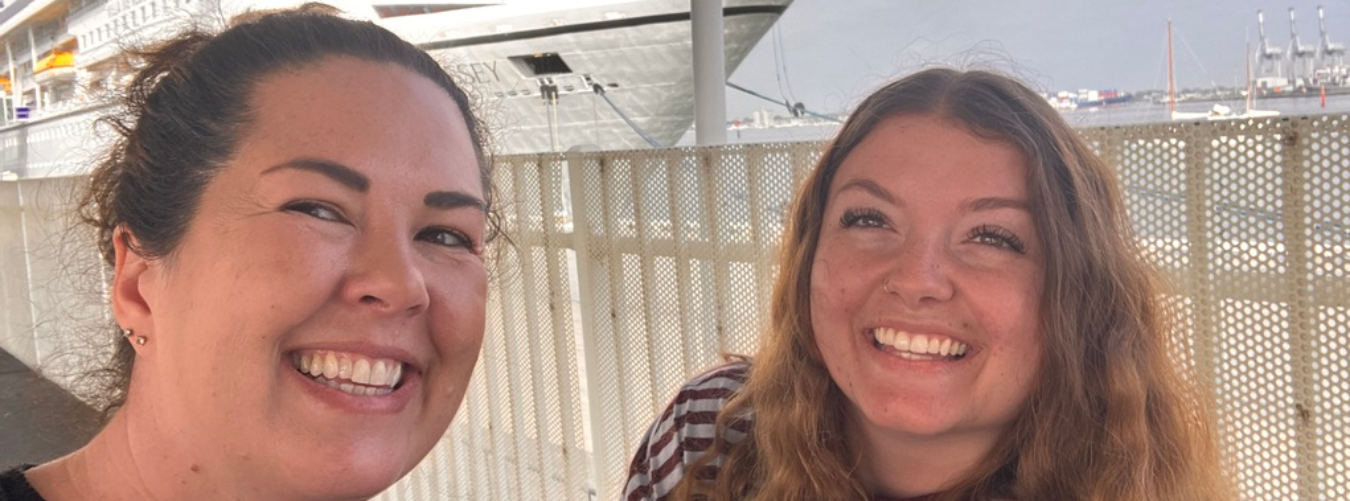
My views do not necessarily reflect the views of my employer.
November 16-19, 2025
The first day in Honiara, Lauren and I went for a walk around town.
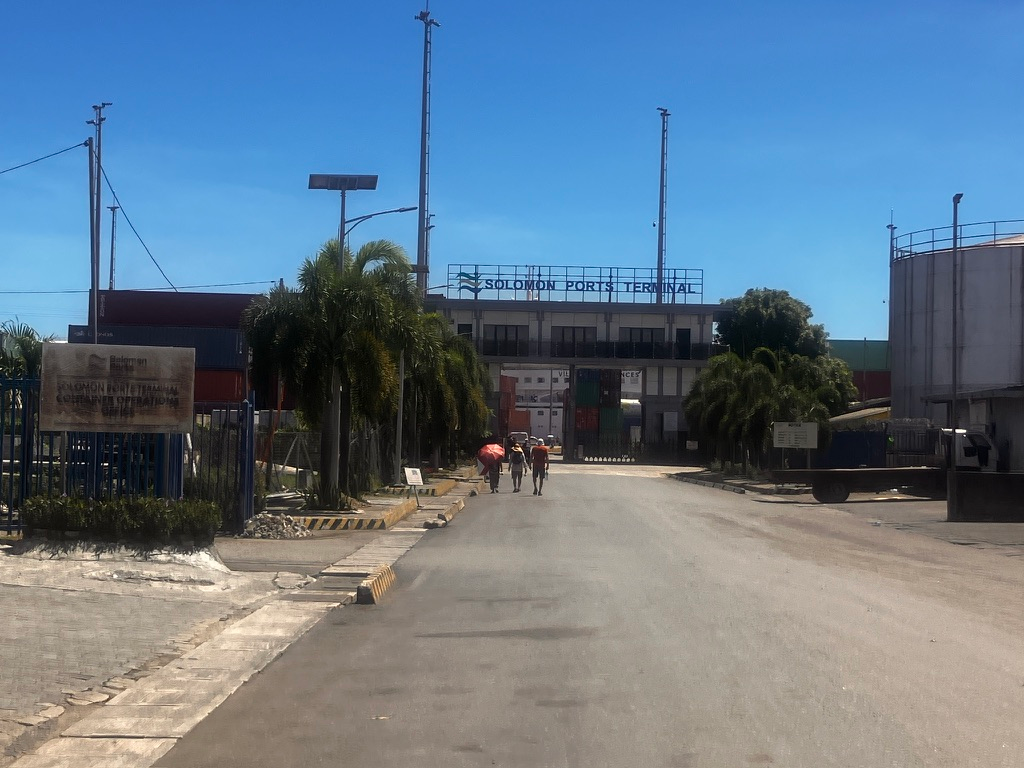
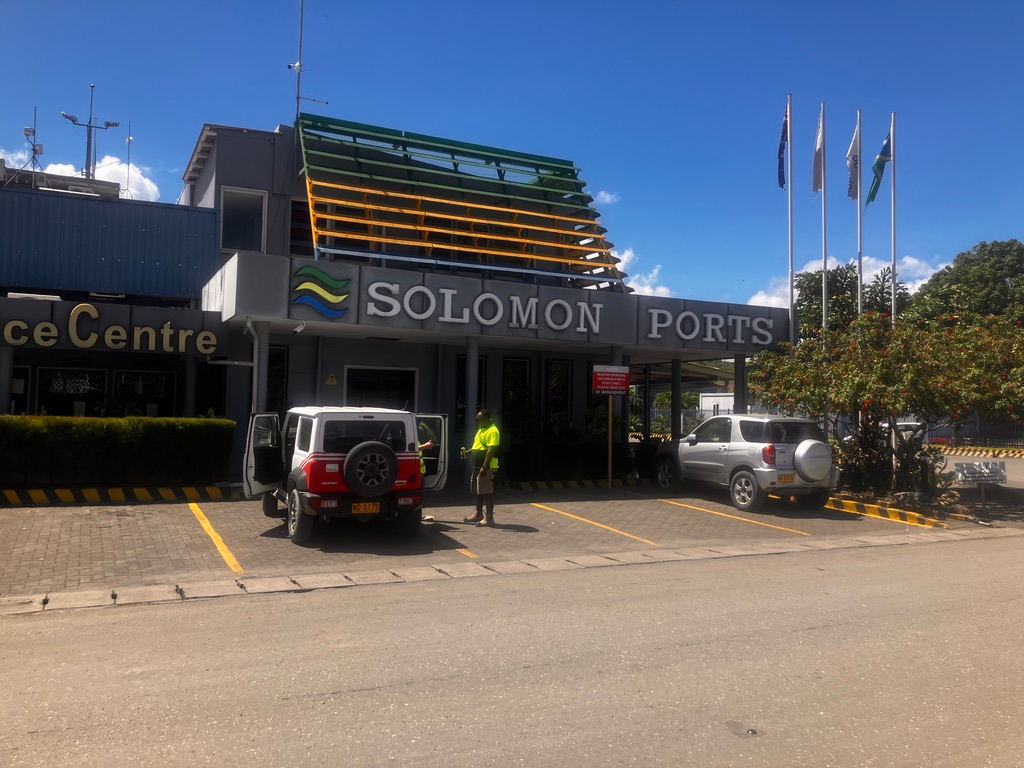
We found a park:
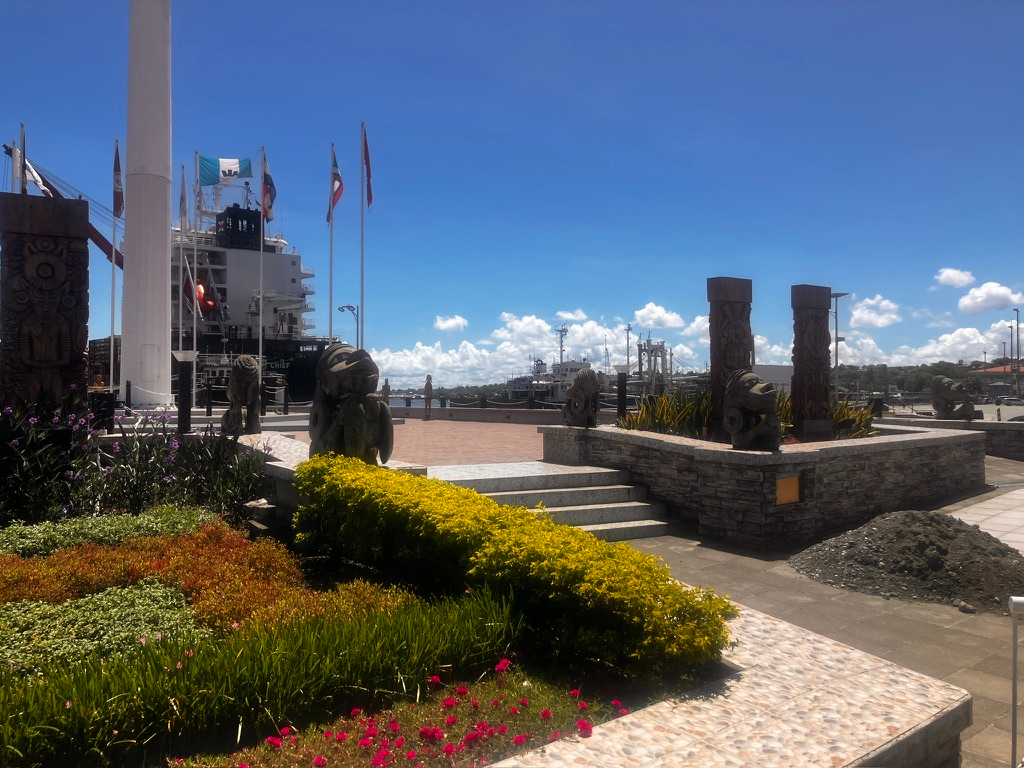
And a tree:
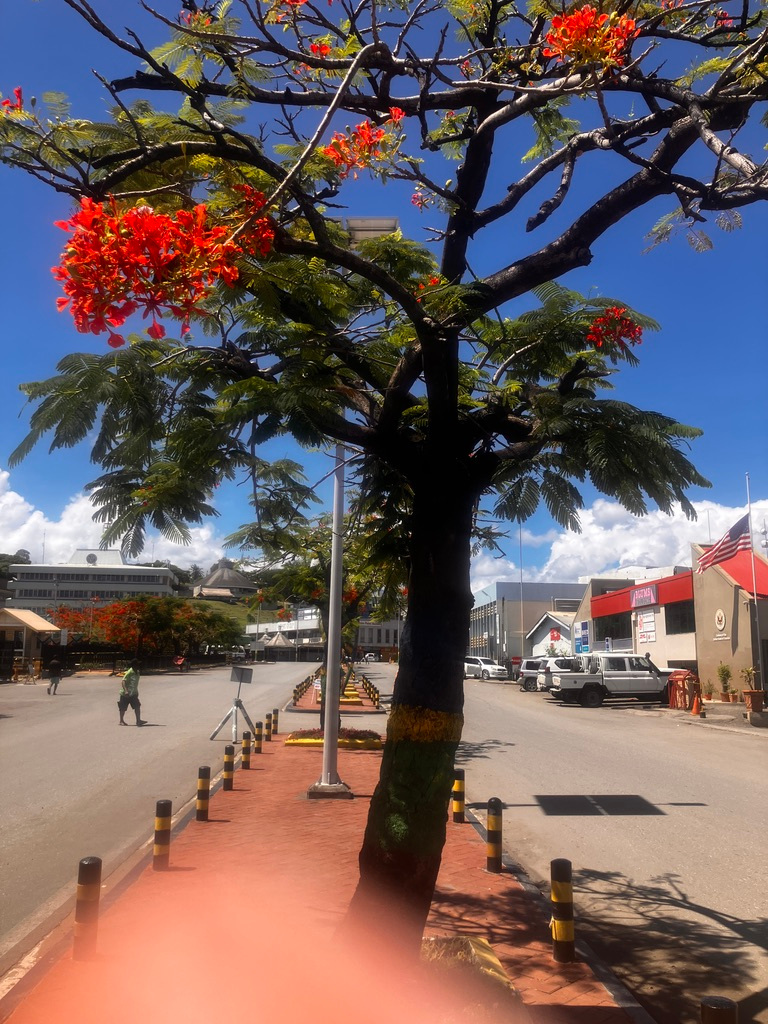
I saw this tree and said, “This tree makes me feel like I’m on the other side of the world.”
Lauren said, “This tree makes me feel like I’m back in South Africa.”
We wandered into a few shops that stocked things I had desperately searched for in the past – things that could pass as prizes for activities onboard and snacks for me. They also had a surprsingly impressive selection of audio equipment. When I actually needed these things, I couldn’t find them anywhere. Now that I didn’t need them, here they were.
On the final night in Honiara, the Yacht Club around the corner arranged a big party for our ship, complete with live music, local performances, traditional food and a $2 beer special. Gidea, Alisa (the Captain’s daughter who works at the front desk) and I joined in on the fun.
Welcome to the Solomon Islands
History:
For decades under the British Solomon Islands Protectorate, the administrative capital sat on tiny Tulagi (from the 1890s) in Central Province. Japanese forces overran Tulagi in May 1942, and the Allies retook it that August during the Guadalcanal campaign. The war’s pivotal Henderson Field airstrip—captured and held by U.S. Marines—anchored the fighting on Guadalcanal. After the war, Britain shifted the capital from destroyed Tulagi to a new town laid out along Guadalcanal’s north coast: Honiara (formal capital from 1952). On 7 July 1978, the Solomon Islands gained independence. Honiara has since grown around the Kukum Highway corridor, while Tulagi remains a quiet harbor town with evocative war history.
Language:
Official: English
Widespread: Solomon Islands Pijin (Pijin)
- Helpful Phrases (Pijin):
- Hello — Halo
- Thank you — Tagio tumas
- Excuse me / Sorry — Sori
- How much? — Hao mas? / Hao much nao?
- Bathroom/Toilet — Toilet / Wea nao toilet?
Currency:
Currency: Solomon Islands Dollar (SBD). 1 USD ≈ 8.2 SBD (early Nov 2025; rates fluctuate).
Very limited Credit Card. USD, AUD, NZD and FJD also accepted
Cash Rules: The Solomon Islands are largely cash-based. ATMs (ANZ/BSP) are concentrated along Mendana Avenue in Honiara—no reliable ATMs on Tulagi. Withdraw cash before tendering and carry small SBD notes for buses, markets, and inter-island boats.
Tipping etiquette
Tipping: Not customary; small gratuities for great service are appreciated but never expected (agree taxi fares in advance).
Tasting:
Market Fruit: Fresh tropical fruit—bananas, pineapples, and pawpaw—available at local markets for SBD 5–20, depending on size and season. Best enjoyed chilled and freshly cut.
Kokoda: The Solomon Islands’ version of ceviche—fresh fish marinated in lime juice and coconut cream, often served with a touch of chili. Refreshing and uniquely local.
“Motu” Traditional Dish: A hearty island staple featuring root vegetables, greens, and coconut milk, often cooked in an earth oven for special occasions.
Cassava Pudding (Tapioka): Dense, sticky, and sweet—made from grated cassava mixed with coconut milk and baked or steamed.
Ngali Nuts: A seasonal local delicacy; these buttery native nuts are often roasted and sold at markets.
Local Cocoa & Coconut Products: Small vendors sell hand-pressed coconut oil, dried coconut, and local cocoa nibs—great souvenirs that travel well (SBD 5–10; check import rules).
Batfish Challenge:
- Sisikolo (also called “Koa soup”): A stew from the Langa Langa Lagoon region made with mangrove-bean fruit (koa), coconut, fish and onions. Quite unique.
- Unripe fruit dishes: For example, green papaya (pawpaw) curry. While not wildly weird, it may feel adventurous to some travellers.
Pubs & International Cuisine: No Irish pubs or Mexican restaurants currently operate near Point Cruz or Tulagi; hotel bars and cafés are your best options for an evening drink.
Honiara, Solomon Islands
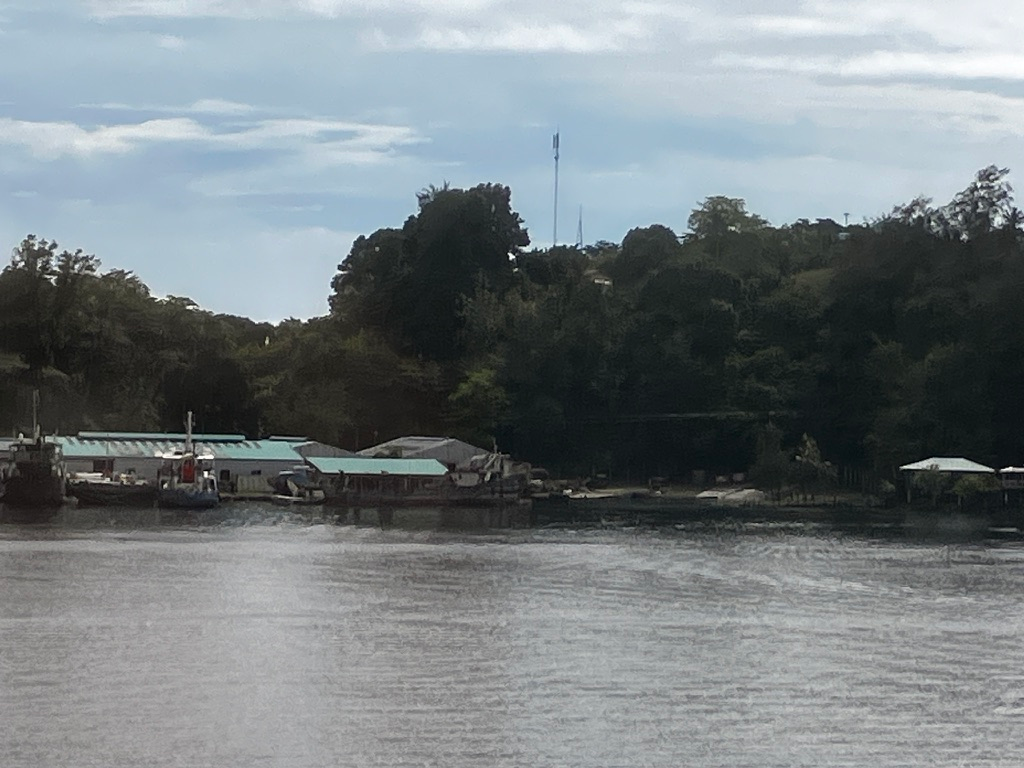
When we arrived in Tulagi Harbor, I was just about ready to head ashore when it started pouring rain. It seemed like an indication from the universe that I needed a nap more than an outing.
The residents returned and told me about their adventures – walking around in the mud. They showed me their photos, and I decided their experience was satisfying enough for me and took a picture from the ship:
Honiara, the capital of the Solomon Islands on Guadalcanal, is a compact, tropical city with big WWII history and lively market life. About 116,000 people call it home today, and you’ll feel the mix of Melanesian culture, wartime relics, and waterfront bustle the moment you step ashore. While Honiara itself has no UNESCO sites, the country’s sole World Heritage Site—East Rennell—highlights the nation’s exceptional natural heritage. Expect heat and humidity, friendly smiles, and a pace that’s island-casual yet full of stories.
Itinerary:
Arrival: Sunday November 16, 8:00am (please allow time for port clearance)
Departure: Tuesday November 18, All aboard: 5:00pm Sail away: 6:00pm
Weather
- Average November High/Low: ~31°C / 25°C (88°F / 77°F); very humid, frequent showers—start of wet/cyclone season (Nov–Apr).
- What to Wear: Light, breathable clothing, sun-hat, reef-safe sunscreen, sturdy sandals; pack a compact rain shell and insect repellent.
Near the Pier:
Honiara Cruise Ship Dock: Solomon Islands Ports Authority Berth 1
Address: Commonwealth Street, Point Cruz, Honiara, Solomon Islands
Distances:
- Ship → Port Gate: ~100 meters
- Ship → Terminal Building: ~100 meters
Nearby Essentials
- Pharmacy (nearest): Hyperchem Pharmacy, Mendana Ave (≈10–15 min walk).
- ATM: ANZ ATM, Point Cruz, Mendana Ave; also BSP (Bank South Pacific) on Mendana Ave.
- Groceries/Snacks: Honiara Central Market (fresh fruit, snacks; lively), Mendana Ave.
- Nearest Church (City landmarks with regular services): Holy Cross Cathedral (Catholic, east of town) & St Barnabas (Anglican). Confirm Sunday times locally.
- Nearest Golf: Honiara Golf Club (near Henderson, east of town).
- Nearest Shopping (mall/market): NPF Plaza / Mendana Ave; Central Market for crafts/produce.
Getting Around:
🚶 Walking: Point Cruz sights (market, waterfront) are 5–15 min on foot; it’s hot—carry water.
🚌 Minibuses: Frequent, informal routes along Mendana Ave/Kukum Hwy; Pay SBD 3 in town; some long segments (e.g., Central Market–Lungga) may request SBD 5—confirm before boarding. Pay driver; no timetables.
🚖 Taxis: Mostly unmetered—agree fare first. Rule-of-thumb ~SBD 10 per km; a short 3–5 km hop is ~SBD 30–90.
🚗 Car Rentals: Available in Honiara; roads vary from sealed to rough—avoid night driving.
Hop-On Hop-Off: Not available.
Witnessing:
American War Memorial (Skyline Ridge) — Panoramic city/harbor views; plaques narrate the Guadalcanal campaign. Practical: ~15–20 min by taxi from dock~SBD 120–200 return (wait time extra). Free.
Honiara Central Market — Lively fresh-produce and crafts hub; great for snacks, coconuts, woven mats, & shell jewelry. Practical: 10–15 min walk; 30–60 min. SBD 15–30 taxi. Bring small SBD notes. Tip: Go mornings for best selection.
Bonegi I & II (Snorkeling/Wrecks) — Calm beach entries to coral/wreck sites west of town. Practical: ~35–45 min by taxi (ask driver set price; expect SBD 300–500+ return depending on wait time); often local access fee on arrival; allow 2–3 hrs. Tip: Bring reef shoes; currents/visibility vary.
Learning:
Solomon Islands National Museum — Compact displays on culture, war, and crafts; a quick primer. Practical: 5–10 min drive (~SBD 30–60 taxi)/25 min walk. (Small/variable admission). Tip: Pair with Central Market.
Vilu War Museum (out of town) — Private, open-air collection of aircraft/armored relics in a garden setting. Practical: ~30–40 min by road west; allow 60–90 min; modest admission. Tip: Combine with Bonegi Beach.
Japanese Memorials / Bloody Ridge — Hilltop and ridge-line memorials tell the other side of the campaign. Practical: 20–40 min drive depending on site; uneven ground. Caution: Respect marked areas—UXO risk off-trail.
Discovery:
Point Cruz Yacht Club (PCYC) — Casual harborside spot for sundowners close to the wharf. Practical: Short walk/taxi.
Waterfront Stroll (Mendana Ave) — Easy amble between market, hotel cafés, and craft stalls. Practical: Heat and showers common; take water.
Hiking (easy→challenging)
- Skyline Ridge & Memorial Grounds (easy) — Short paths, big views; go early/late for cooler temps.
- Mataniko or Tenaru Falls (moderate/strenuous, full-day) — Only with trusted local guides; river crossings, slippery rocks, and UXO caution. Not always feasible on short port calls.
Shopping
- Central Market (See above).
- NPF Plaza / Hyundai Mall — Air-con errands: ATMs, pharmacies, simple cafés. (NPF in NPF Plaza, Honiara, stands for National Provident Fund, which is the name of the Solomon Islands’ national superannuation fund)
Exploring:
Mataniko Falls One of Honiara’s most dramatic natural sites, Mataniko Falls plunges through limestone gorges into a series of caves used as hideouts during World War II. In the wet season the twin cascades thunder with power, while the dry season reveals tranquil pools perfect for photos.
· Practical: 15–20 min drive from the cruise dock; access by guided tour only—trail can be steep and slippery. Expect uneven ground and bring sturdy shoes, insect repellent, and water.
✨ Tip: Ask your guide to show you the WWII cave systems along the way; they offer a glimpse into Honiara’s wartime past.
Events:
Sunday church services run across denominations (Check exact times locally)
- Holy Cross Cathedral (Catholic): Sunday Masses listed at 7:00 am, 9:00 am, 11:00 am, and 6:00 pm.
- St Barnabas Anglican Cathedral: A review mentions a Sunday sung Eucharist at 7:30 am.
Sunday is observed as a quiet rest day—many shops close.
Nightlife:
- Heritage Park Hotel — Pool bar & occasional live music; easy taxi/walk from Point Cruz.
- Point Cruz Yacht Club — Sundowners by the water; casual atmosphere.
Tulagi Harbor, Solomon Islands
Tulagi (pop. ~1,250–1,500) is a tiny, green isle in Central Province—once the British Solomon Islands’ capital—sitting just off Florida (Nggela) Island across Iron Bottom Sound from Guadalcanal. Today it’s a sleepy harbor town with outsized WWII history, crystal water, and friendly markets. The Solomon Islands’ single UNESCO site (East Rennell) lies far to the south, but Tulagi’s appeal is its harbor, wreck-diving, and village life within walking distance of the tender pier. Expect heat, humidity, and short tropical showers; slow down to island pace and you’ll find war relics, reef views, and a very welcoming community.
Arrival: Wednesday November 19, when the tenders are ready (approximately 8:00am).
When you and your travel party are ready to go ashore, collect a tender ticket for each person in your party in the Morning Light. Be prepared to remain in the morning light until your ticket number is called. Ticket numbers will be announced in the Morning Light. When your ticket number is called, you will go directly to the pontoon to board the tender. An announcement will be made when tickets are no longer required, at which point you may go directly to the pontoon on Deck 2 Fwd when you wish to go ashore. You do not need a ticket to return to the ship.
Departure: Wednesday November 19, Last Tender: Approximately 5:00pm Sail away: 6:00pm
Weather
- Average Nov High/Low: ~31 °C / 25–26 °C (88 °F / 77–79 °F). Very humid; start of the wet/cyclone season with frequent showers.
- What to Wear: Light, breathable clothing, sun hat, reef-safe sunscreen, sturdy sandals; compact rain shell and insect repellent.
Near the Pier:
Tender Dock: Police Jetty
Nearby Essentials
- Pharmacy/Clinic: Provincial Medical Store/Dispensary (Tulagi)—basic meds and supplies.
- ATM: Likely none on Tulagi. Withdraw cash in Honiara (ANZ/BSP along Mendana Ave) before crossing.
- Groceries/Snacks: Tulagi Main Market (fruit, coconuts, simple eats).
- Nearest Church: Multiple denominations on Tulagi; Anglican presence is strong
- Nearest Golf / Mall: None on Tulagi; these are Honiara activities.
Getting Around:
- 🚶 Walking: Tulagi is small and walkable; market, wharf, and waterfront lanes are 5–15 min apart. Carry water—little shade mid-day.
- 🚌 Public Transit: No formal buses on Tulagi.
- 🚖 Taxis: Limited; arrange in advance via your tender agent or lodge (ask Raiders). Fares negotiated.
- 🚴 Bike Rentals: Not typical.
- 🚗 Car Rentals: Not on Tulagi.
- By Boat: Small passenger boats run between Tulagi and Honiara (weather/sea-state permitting). Arrange times day-of or via operator.
- Hop-On Hop-Off: Not available.
Witnessing:
Tulagi Waterfront
- WWII Traces – Short strolls reveal foundations, plaques, and views across Iron Bottom Sound toward Guadalcanal. Practical: 30–60 min from tender. Free. ✨ Tip: Go early/late for softer light and cooler temps.
- American War Story (Tulagi/Gavutu–Tanambogo) The first U.S. land offensive of WWII seized Tulagi & the nearby seaplane base (Aug 7–9, 1942). Expect modest memorials and evocative ridge lines. Practical: Gentle walks from town; 60–90 min. Free. ✨ Tip: A local guide adds context (battle lines, caves).
- Harbor Lookouts (local ridges) Low hill paths give wide harbor views and photo ops. Practical: Easy–moderate; 30–45 min; bring water and mind footing. Free. ✨ Tip: Avoid off-trail exploring due to possible UXO in the Solomons.
Tulagi Fort Ruins – Historic WWII coastal batteries and colonial defenses. Practical: 30–60 min walk/drive from dock. Free. ✨ Tip: Go early for softer light and fewer mosquitoes.
Old Tulagi Governor’s House Ruins – Remains of the colonial administration with ocean vistas. Practical: ~20–30 min from town. Free. ✨ Fun fact: The site opens easily for photo stops; respect village land.
Nggela Marine Reserve – Lush reef life just off Tulagi, ideal for snorkelling. Practical: Boat excursion ~30–45 min from dock; women/men may pay small conservation fee. ✨ Tip: Bring your own snorkel gear for best flexibility.
Learning:
Tulagi Local History Museum – Compact exhibits on village life, colonial era and wartime Tulagi. Practical:Short walk off the waterfront. Visit time ~30–45 min. ✨ Tip: Ask about family-archived photos of Tulagi pre-war.
Shell Weaving Demonstration in Village – Local craft session using shells and coconut-fiber. Practical: Arrange via lodge or village contact; allow 45–60 min. ✨ Tip: Buying craft supports community initiatives directly.
Village Garden Visit & Storytelling – Visit a coastal village’s traditional garden; local elder shares lore. Practical:1–1½ hrs by short boat or walk; dress modestly. ✨ Tip: Great for kids and cultural insight off the shore-excursion track.
Discovery:
Snorkelling along Tulagi Harbour Reef – Calm protected waters and bright coral just off the pier. Practical: Many lodges/boats offer mask rental; allow 1–2 hrs. ✨ Tip: Use reef-safe sunscreen; ask locals about currents.
Waterfront Walk – Free and simple: stroll the harbor edge and watch the sky over Iron Bottom Sound. Practical: Whatever time you arrive or depart. ✨ Tip: Bring a coconut or local drink for a relaxed end to day.
Hiking (easy → moderate)
- Town to Harbour Ridge Loop (Easy) – Short walk up to a viewpoint overlooking Tulagi Town and harbor; moderate slope, allow ~45 min.
- Village Coastal Lookout Hike (Easy–Moderate) – From harbor up a coral-hill path to a quieter viewpoint; allow 60–75 min. ✨ Tip: Wear closed shoes—trail is rocky in parts.
- Gavutu/Tanambogo Island Paths (Moderate) – Nearby WWII islets with battle remnants and small hikes; if making excursion (boat required). Allow ~2–3 hrs. ✨ Tip: UXO warnings apply—stay on marked paths with guide.
Shopping
- Tulagi Main Market – Fresh fruit, coconuts, homemade crafts, shell jewelry. Location: Waterfront town center. ✨ Tip: Bring small SBD notes and try bargaining gently for souvenirs.
- Lodge Craft & Coffee Shop (e.g., Raiders Dive Lodge Café) – Elevated options: coffee, island-made chocolate, hand-crafted items. ✨ Tip: Ask about local cocoa nibs and coconut oil for souvenirs that travel well.
Exploring:
Florida Islands Just northeast of Tulagi and across the sheltered waters of Tulagi Harbour lies the Florida Islands (locally known as the Nggela Islands). The archipelago consists of several dozens of lush, tropical islands with coral-fringed beaches, clear water, and a rich wartime legacy. The islands are ideal for short boat excursions from Tulagi—whether for snorkeling, a relaxed beach stop, village visits or simply soaking up the scenery.
Practical Info
- Access: A short boat ride from Tulagi Harbor—depending on sea state and operator, often 15–30 minutes.
- What to explore: White-sand beaches, shallow coral gardens, local villages, and WWII relics.
- What to bring: Swimwear, reef-safe sunscreen, water and insect repellent; a small amount of local currency (SBD) for any village items or cultural fees.
- Tip: Because the islands are relatively undeveloped for large cruise volumes, boat logistics are key—confirm pick-up/return times and avoid rough seas.
Fun Fact ✨ The Florida Islands were code-named “Florida Group” during WWII and lay just north of the famous Ironbottom Sound. They served as a backdrop to the Guadalcanal campaign and still give a sense of time-standing-still in parts.
Helpful Free Apps
- Maps.me (offline maps around Honiara)
- XE (live currency rates for SBD)
- Windy – sea-state and weather forecasts
- CDC TravWell / Smartraveller bookmarks for health & local advisories.
Solomon Islands:
Hidden Gems:
- The World Discoverer – The ship that got left behind
- Egg Fields of Savo Island – Megapodes incubate their eggs using the heat of an active volcano on this Pacific Isle
- East Rennell (not near Honiara) is the world’s largest raised coral atoll and the Solomon Islands’ only UNESCO site; it’s been on the In Danger list since 2013 due to logging pressures.
Travel Tips:
- Etiquette: Greet locals politely before asking questions or taking photos; Sunday is observed as a quiet rest day—many shops close.
- Cash Rules: The Solomon Islands are largely cash-based. ATMs (ANZ/BSP) are concentrated along Mendana Avenue in Honiara—no reliable ATMs on Tulagi. Withdraw cash before tendering and carry small SBD notes for buses, markets, and inter-island boats.
- Boats & Sea-State: Inter-island boats between Honiara and Tulagi are weather-dependent. Confirm return times and ensure lifejackets are available.
- Heat & Hydration: It’s tropical and humid year-round—carry bottled water, take breaks, and wear light clothing and a hat.
- Health & Insects: Use insect repellent and consider long sleeves in the evening; November marks the start of the wet/cyclone season.
- Safety & UXO: WWII-era unexploded ordnance remains in some areas—don’t stray off marked paths or handle metal objects. Hire reputable local guides for battlefield sites.
- Cyclone/Storms: Sudden downpours are common; pack a compact rain jacket and waterproof bag for electronics. ✨ Tip: If rain sets in, enjoy a museum visit or lodge café on either island; if seas are calm, a WWII harbor cruise or Tulagi dive makes an unforgettable day.
LGBTQ+ Travelers
Local laws criminalize same-sex sexual activity (rarely enforced), and social attitudes are conservative. Avoid public displays of affection and verify privacy/safety with accommodations and tour providers.
Is the water safe to drink?
Tap water is not safe to drink; use sealed bottled water and avoid ice or uncooked foods washed in tap water.
Are public toilets available?
Limited and basic. Use hotel, café, or market facilities (e.g., Heritage Park, NPF Plaza, or Tulagi Market). Carry tissues and hand sanitizer.
*This information is provided for the convenience of our residents and guests. While every effort has been made to ensure accuracy at the time of preparation—including tour details, operating hours, transportation options, pricing, and local regulations—conditions in port may change without notice. Weather, sea state, cultural events, business availability, and safety considerations can affect access to local attractions or services.
Residents are encouraged to use their own judgment, follow local guidance, and confirm details independently when planning activities ashore. Villa Vie Odyssey, its crew, and its representatives are not responsible for changes, closures, or incidents that may occur while guests are ashore.
For your safety, always return to the ship by the designated all-aboard time, and follow instructions from local authorities and shipboard staff at all times.