My views do not necessarily reflect the views of my employer.
We’re going back to Australia!
After months of traveling through countries where we didn’t necessarily speak the language, where we had to be creative to figure out how to get around safely (navigating unfamiliar travel apps and hopping into tricycles) and where we stood out as obvious tourists, it was a welcome respite to be somewhere we could speak our native language, order an Uber and navigate with ease.
Well… our accents still gave away the fact that we weren’t locals.
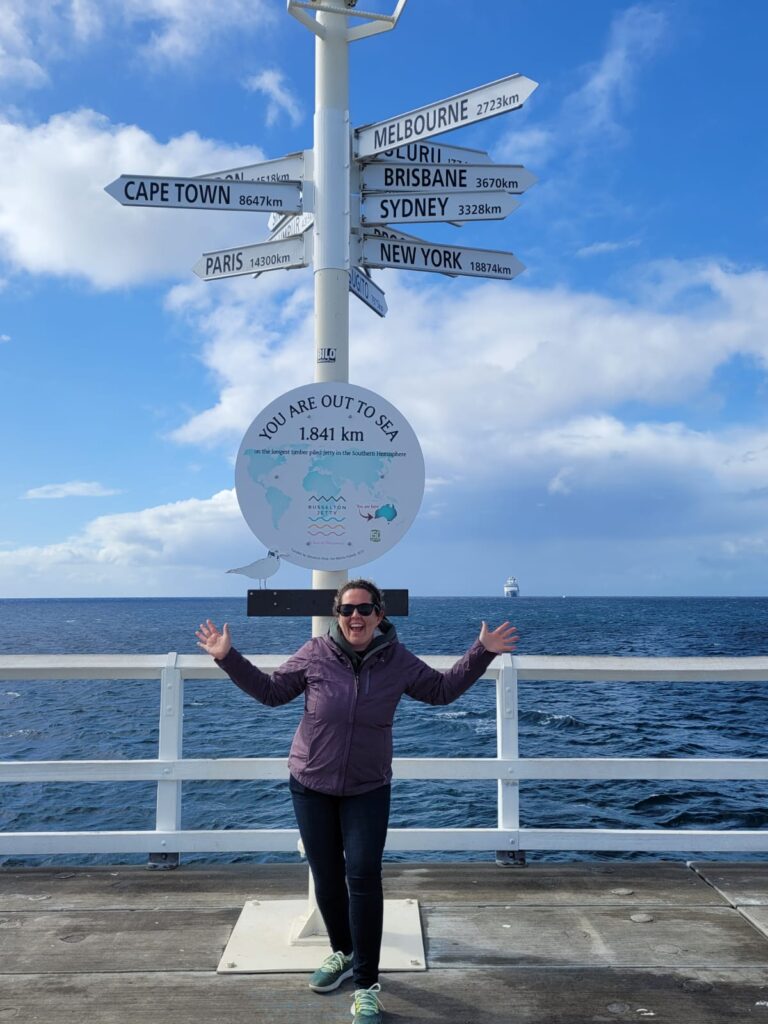
Australia
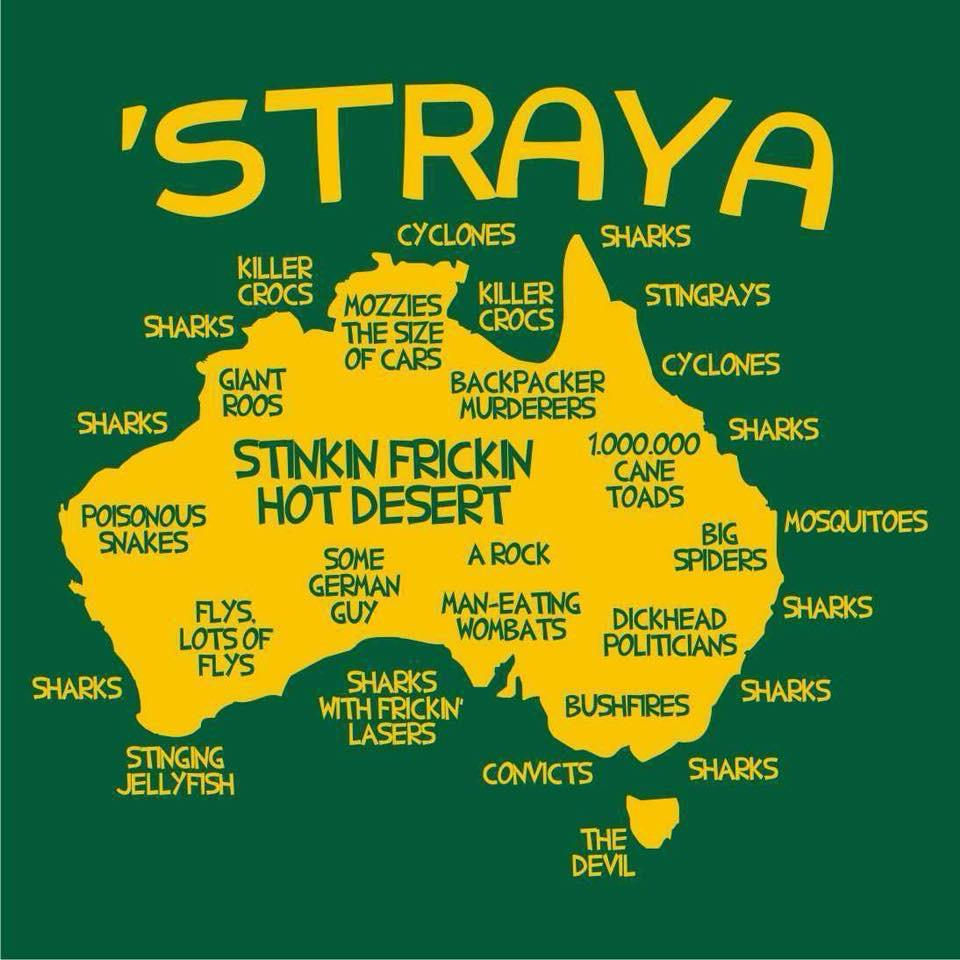
Australia (pop. ~27 million) is a vast, multicultural nation ringed by warm beaches and framed by desert, rainforest, and temperate wine country. Your calls hit both the tropical north (Darwin, Cairns, Townsville, Broome, Port Hedland, Exmouth) and the temperate south (Sydney, Melbourne, Hobart, Adelaide, Fremantle/Perth, Geraldton, Esperance, Brisbane, Airlie Beach). UNESCO highlights you may encounter in context include the Great Barrier Reef, Sydney Opera House, Gondwana Rainforests, Ningaloo Coast, Shark Bay, Tasmanian Wilderness, Purnululu, K’gari (Fraser Island), Australian Convict Sites, and more. Expect easy English, friendly service, and a relaxed outdoor culture—coffee is a passion, and wildlife sightings (from reef fish to wallabies) are never far away.
History:
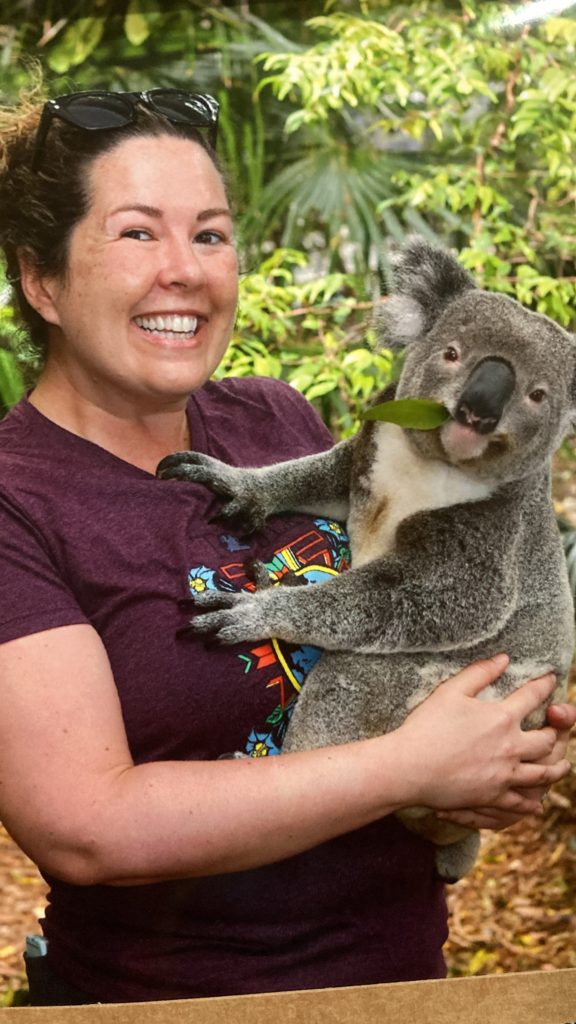
Australia’s human story stretches back over 65,000 years, with hundreds of Aboriginal and Torres Strait Islander nations sustaining sophisticated knowledge systems, trade routes, and art (songlines, rock art, bark paintings). Dutch and British navigators charted coasts in the 17th–18th centuries; in 1788 Britain founded a penal colony at Sydney Cove. Convict labor, pastoral expansion, and gold rushes (1850s) fueled rapid colonial growth—often dispossessing First Peoples through frontier conflict and policy. By 1901, six colonies federated as the Commonwealth of Australia. The 20th century brought two world wars (notably Gallipoli’s place in national memory), post-war immigration from Europe and later Asia, and a resources-driven economy (iron ore, gas) that reshaped western and northern towns and ports you’ll visit (e.g., Port Hedland, Geraldton, Fremantle). From the later 20th century onward, Australia developed a strong services and education sector, and cities like Sydney and Melbourne became global bywords for food, sport, and arts. The modern nation continues to grapple with recognition of First Nations sovereignty and histories—symbolized by growing acceptance of Country acknowledgements, dual-naming of places (e.g., K’gari), and cultural heritage protections—while embracing a proudly multicultural identity. For travelers, this means cosmopolitan harborside cities, living Indigenous cultures, and wild nature in close proximity—reef, desert, forest, and temperate coastlines all on one itinerary.
Weather:
- Average Temps (by region you’ll visit):
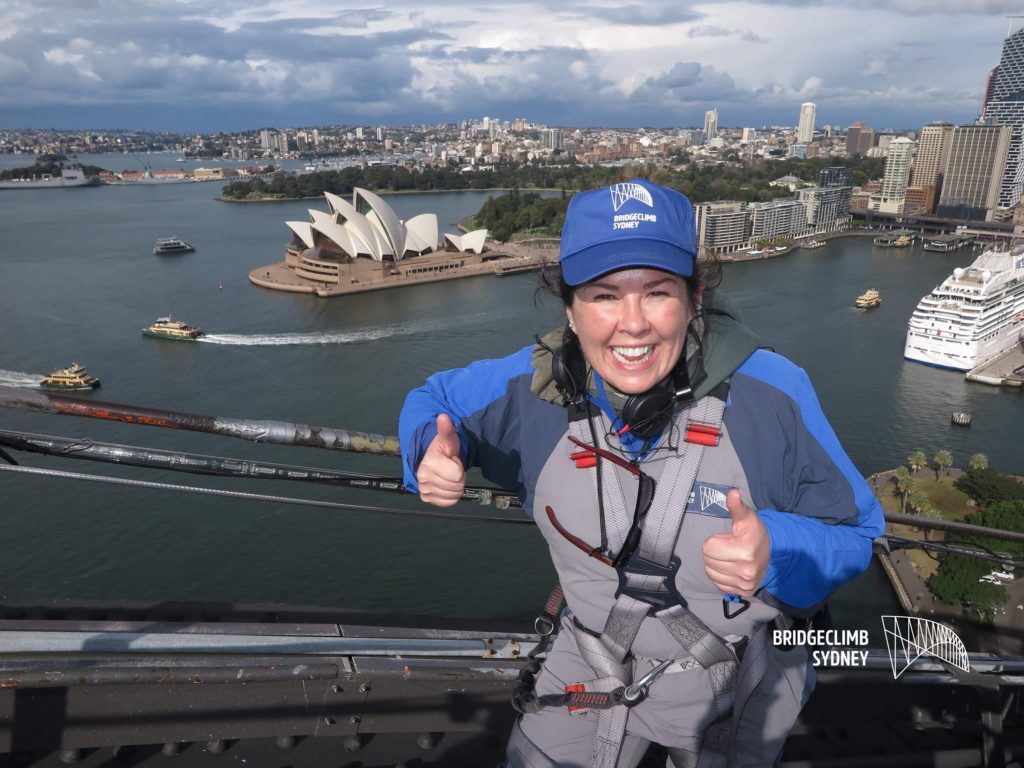
- Tropical north (Darwin, Cairns, Townsville, Broome, Port Hedland, Exmouth): highs 30–35 °C (86–95 °F), lows 22–27 °C (72–81 °F); humid; storms build Oct–Apr.
- Subtropical/temperate east (Brisbane, Sydney): highs 22–28 °C (72–82 °F), lows 13–20 °C (55–68 °F).
- South & Tasmania (Melbourne, Hobart, Adelaide): highs 16–24 °C (61–75 °F), lows 7–14 °C (45–57 °F); changeable.
- Southwest (Fremantle/Perth, Geraldton, Esperance): highs 20–30 °C (68–86 °F), lows 10–18 °C (50–64 °F); dry, sunny.
- Climate: North = tropical wet/dry; south = temperate with four seasons; west = Mediterranean-style.
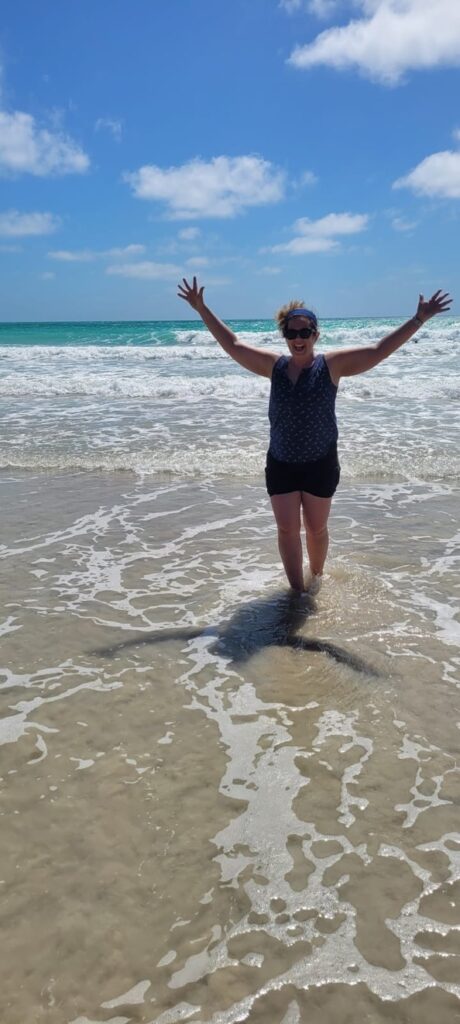
- What to Wear: Breathable layers, sun hat, sunglasses, light rain shell; sturdy walking shoes/sandals. Add a warm layer for southern ports (breezy evenings). Reef days: rash guard, water shoes.
Language:
- Official/Widespread: English (Australian). Many communities speak languages from across the world; Indigenous languages are present in signage and greetings.
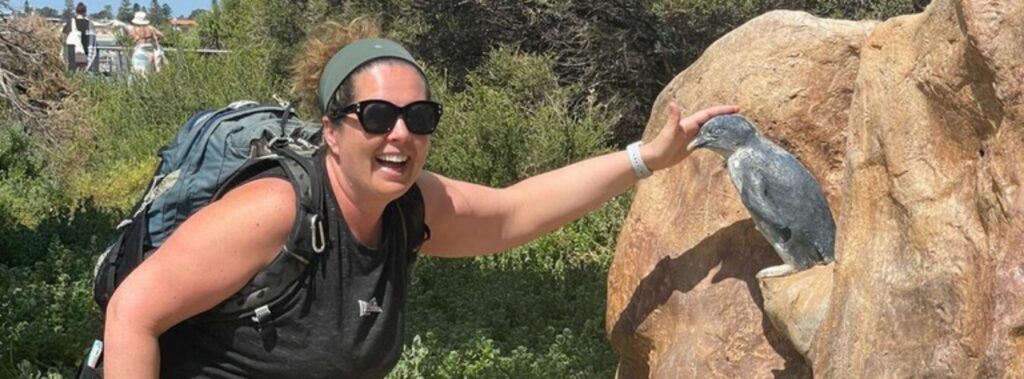
I’d started using youtube videos in my presentations to teach the residents basic phrases. As a joke, I had Fran, one of our Australian residents, teach us how to communicate in Australian.
Helpful Phrases 🗣️
- Hello: G’day
- Thank you: Ta / Cheers
- Excuse me / Sorry: Excuse me / Sorry
- How much?: How much is that?
- Bathroom / Toilet: Where’s the toilet?
Currency:
Australian Dollar (AUD). Cards widely accepted; contactless (tap-to-pay) is standard.
Here’s today’s ballpark AUD ⇄ USD:
- 1 AUD ≈ 0.66 USD
- 1 USD ≈ 1.52 AUD
Quick converts (using ~0.66 USD per A$1):
- A$10 ≈ $6.60
- A$20 ≈ $13.20
- A$50 ≈ $33.00
- A$100 ≈ $66.00
Reverse (using ~A$1.52 per $1):
- $10 ≈ A$15.20
- $20 ≈ A$30.40
- $50 ≈ A$76.00
- $100 ≈ A$152.00
Notes: These are mid-market references (RBA close; live converters like Wise/XE show similar). Your card/ATM rate may differ due to fees/markups.
Tipping etiquette:
Tipping isn’t expected. Wages are higher than in many countries, so tips are a thank-you for great service, not an obligation.
- Restaurants/Cafés: Not expected; add ~5–10% for great service or round up.
- Taxis/Rideshare: Round up to the nearest dollar or add a few AUD.
- Tour guides (day tour): A$5–A$20 per person for very good service (optional).
- Massage/Spa: A$5–A$10 or 5–10% at higher-end venues (optional).
Service staff are paid fair wages; tips are a thank-you, not an obligation.
Good to know
- No need to tip for poor/average service.
- EFTPOS terminals sometimes prompt for a tip—feel free to select “no tip.”
- Public-holiday surcharges (e.g., 10–15%) may appear on bills; these are not tips.
- Cash tips: hand directly to the person who served you; otherwise round up on the card machine.
Getting Around:
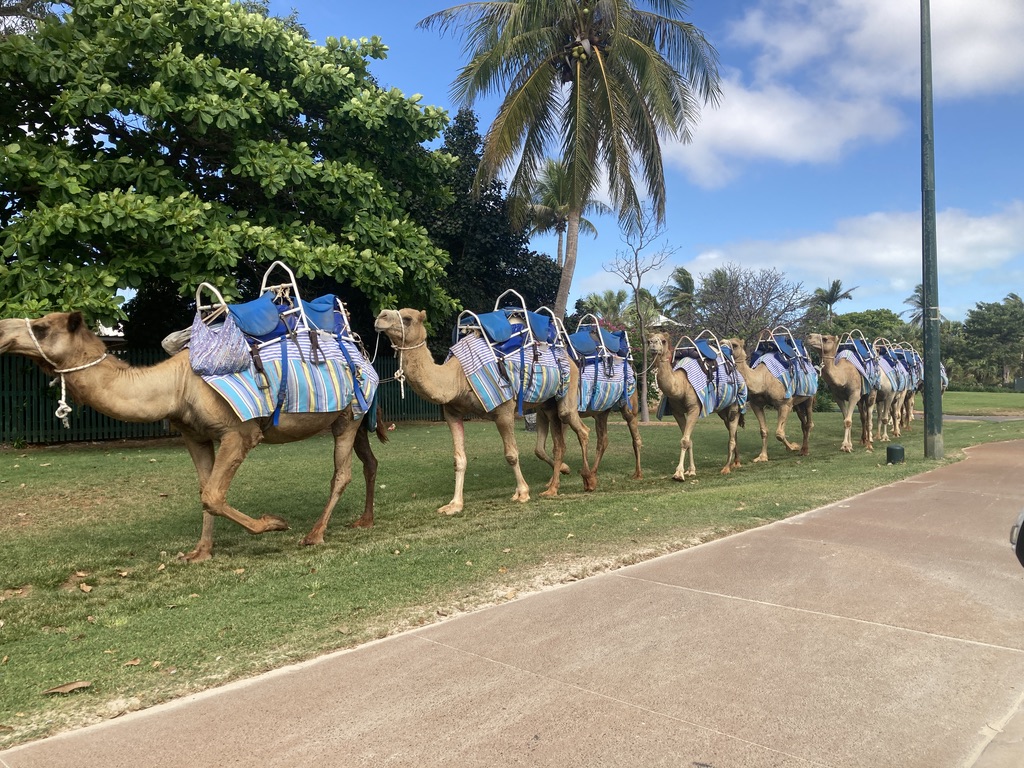
- 🚶 Walking: City centers (CBDs) are very walkable with good crossings and signage. Coastal/esplanade paths are great for strolls; bring a sun hat and water.
- 🚌 Public Transit: Excellent in major cities. Tap on/off with contactless cards/phones or local cards: Opal (Sydney/NSW), Myki (Melbourne/VIC), Go Card (Brisbane/QLD), SmartRider (Perth/WA), Metro (Hobart/TAS), MetroCARD (Adelaide/SA). Ferries are part of the network in several ports.
- 🚖 Rideshare (best apps): Uber, DiDi, and Ola operate widely; prices shown upfront and you can pay in-app.
- Taxis: Reliable and metered; major fleets include 13cabs and Silver Top (apps available). You can pay by card (tap) or cash; round up if you wish.
- 🚴 Bike Rentals: Dockless e-bikes/e-scooters (e.g., Lime, Neuron) in many CBDs; follow helmet rules and ride in marked lanes/paths only. Traditional bike shops rent in tourist areas.
- Car Rentals: All major brands at airports and city depots. Left-side driving; international visitors can use a home license in English (carry an IDP if your license isn’t in English). City cores often don’t require a car—consider rentals for beaches/hinterland day trips.
Tasting:
- Flat white & Aussie café culture: Silky espresso drink; pair with a lamington or vanilla slice.
- Meat pie & sausage roll: Bakery staples; classic with tomato sauce.
- Barramundi & local seafood: Grilled, fried, or in curries—great in northern ports.
- Moreton Bay bugs / prawns: Queensland shellfish specialties (Brisbane/Whitsundays).
- Tasmanian produce & pinot noir: Cool-climate wines, oysters (Hobart region).
- Tim Tam biscuits: Beloved chocolate biscuit; try a “Tim Tam slam.”
- Local craft beer & gin: Strong scenes in most capitals; refreshing after warm shore days.
Shopping:
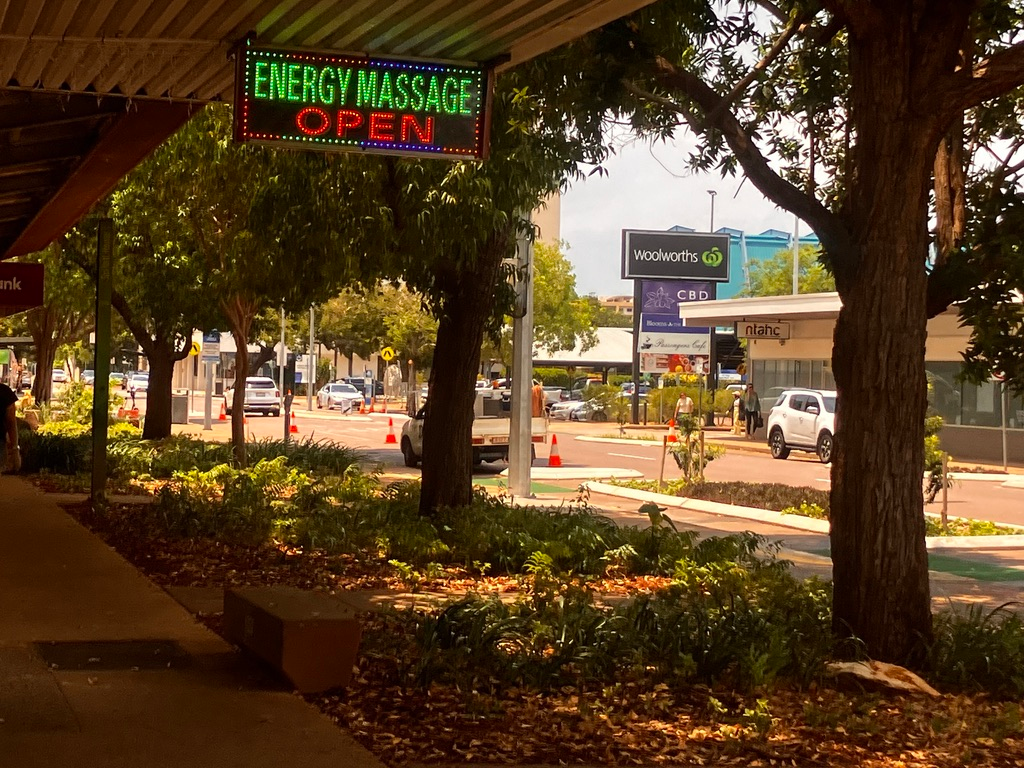
- Supermarkets: Woolworths (commonly “Woolies”) and Coles are the big chains—great for snacks and everyday essentials.
- Pharmacies: Often called a chemist. The budget option is Chemist Warehouse.
- Alcohol: Buy from Dan Murphy’s—they have wide selection and will price-match.
- Department store: Big W (part of the Woolworths group) sells clothing, homewares, electronics, toys, and more—basically everything Woolies has except food and alcohol.
Here are some trustworthy indicators to look for when ethically buying Indigenous art in Australia—so you can feel confident the money goes to the artists and communities:
What to look for
- A Certificate of Authenticity: this should include the artist’s name, date of birth, title of the work, medium, size, and usually a photo of the artist and the artwork.
- Provenance details: where the work was made (which art centre or community), how it got to the gallery/shop, and ideally an identifiable catalogue number or tracking system.
- The gallery or dealer being a signatory to the Indigenous Art Code or following its principles of ethical trade.
- Clear, respectful information about the artist’s origins (community, clan, region) and how the work relates to their culture—not generic “Aboriginal-style” with a low price tag (often a red flag).
- Transparent pricing indicating how the artist is paid—ask how much of the sale goes back to the artist or community.
❗ Things to avoid / ask questions about
- “Aboriginal-style” or “Inspired by Indigenous art” with no artist name, no certificate, and no community information: likely not ethical.
- Works sold through outlets where you can’t trace the artist or origin, or lots of intermediaries with unclear margins.
- Art that misrepresents sacred symbols or uses them without context—respect for cultural intellectual property matters.
- Very low prices on “original” works with no context—authentic work from recognised Indigenous artists and art centres typically has a market value reflecting the skill and cultural significance.
Travel Tips:
- Contactless everything: Tap cards/phones for transport and shops; ATMs easy.
- Sun & safety: High UV—hat, SPF 50, sunglasses; swim between red-and-yellow flags on patrolled beaches.
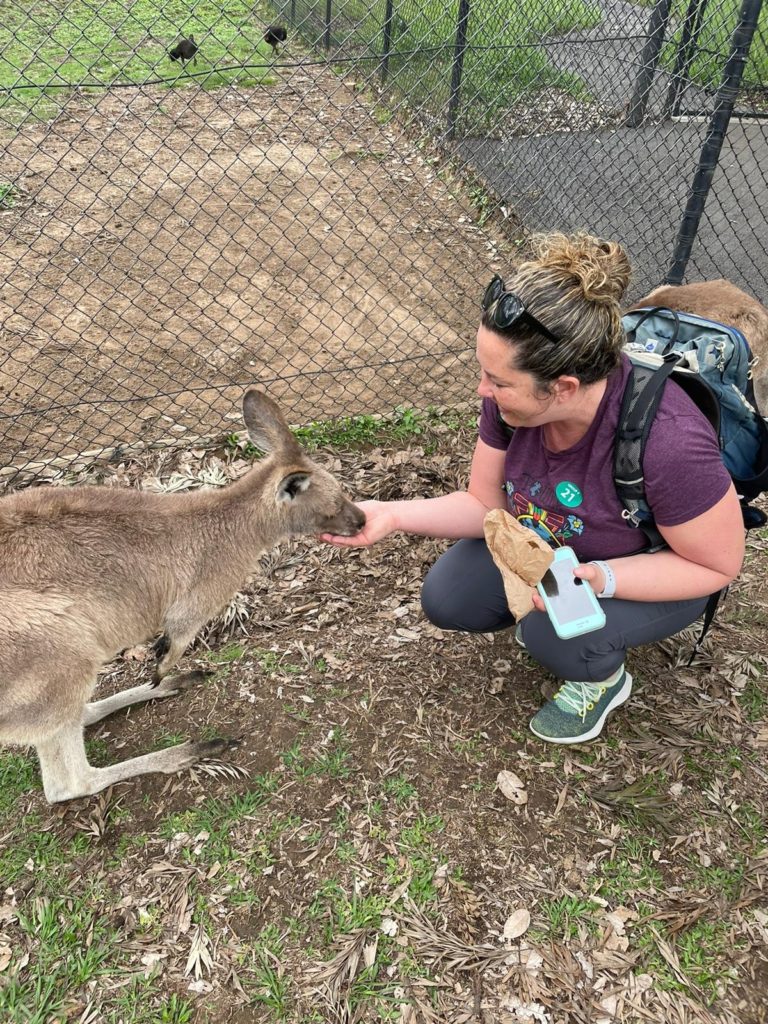
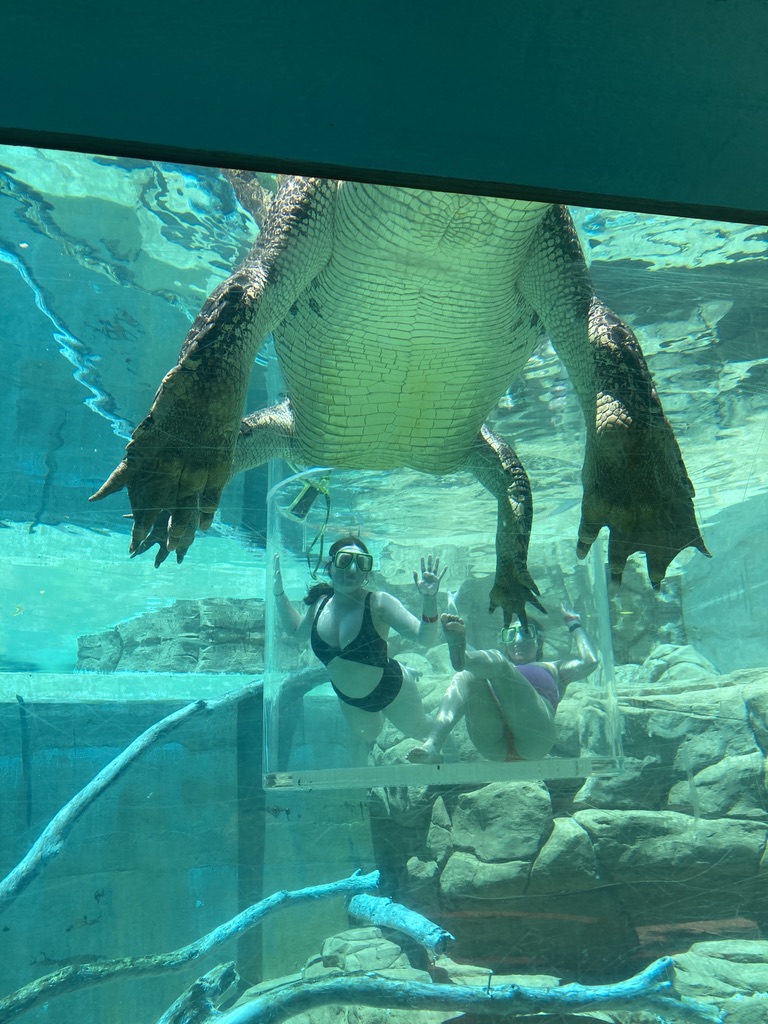
- Wildlife: Don’t feed animals; watch for jellyfish warnings in the far north (stinger suits in season).
- Smoking & alcohol: Strict rules on where you can smoke/drink; follow signage.
- Road rules (if hiring a car): Left-hand drive on the left side? No—Australia is right-hand drive, left-side traffic. Obey speed and mobile-phone laws.
Water safety: Tap water is safe to drink in all listed ports; bring a refillable bottle.
LGBTQ+ Travelers
Australia is welcoming: same-sex marriage legal, anti-discrimination protections in place. Pride scenes are strongest in major cities (Sydney, Melbourne, Brisbane). As always, gauge the setting in smaller towns.
Public Toilets
Abundant and generally clean in parks, malls, and transport hubs. Look for the “Toilet Map” online and signage in esplanade areas; many have accessible facilities.

Helpful Free Travel Apps
- Google Maps (download offline areas)
- Uber/DiDi/OLA(rideshare),
- Opal / TransLink info (city transport)
- Marine weather & tide apps for reef days
- XE / Wise / Units Plus for quick AUD conversions.
- National Public Toilet Map (official, free): Shows 23,000+ public & publicly available toilets across Australia, with details on accessibility, opening hours, baby change, showers, sharps disposal, etc. You can find nearby toilets, plan ahead, and get directions.