My views do not necessarily reflect the views of my employer.
I’d been to Manila for one day on the Diamond – Andi and I went to the mall. So I was was very excited to see more of the Philippines.
Philippines
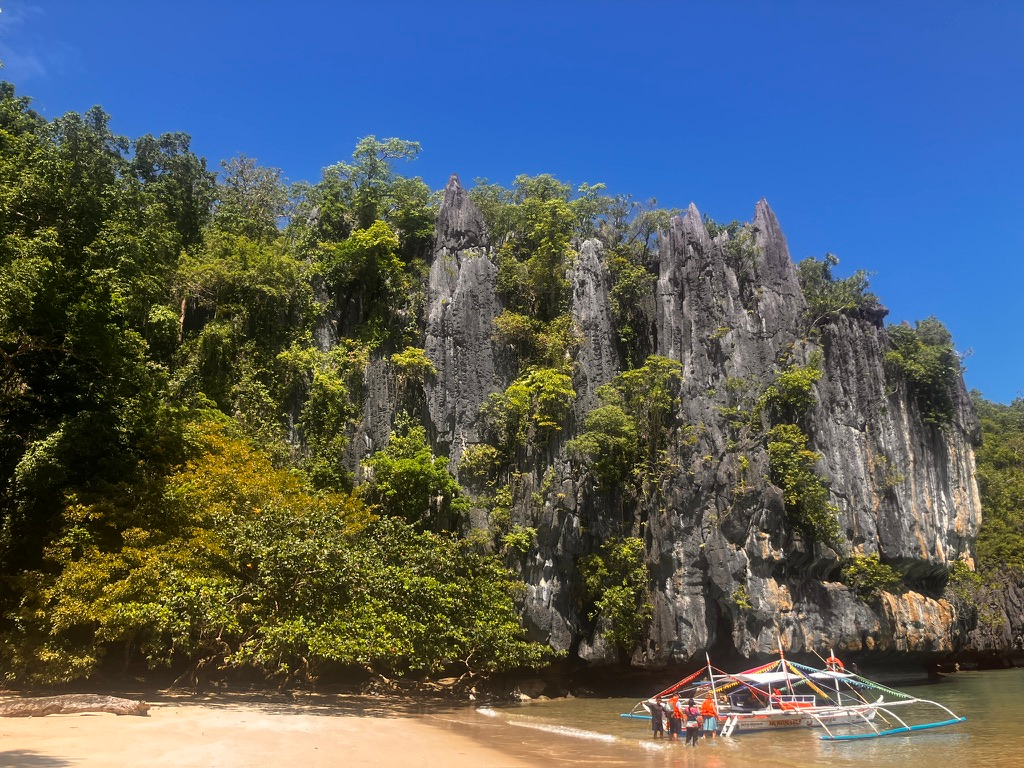
An easy-to-love archipelago of 7,641 islands, the Philippines blends coral-blue seas, rice terraces, Spanish-era churches, and big-city energy. English is widely spoken, hospitality is heartfelt, and prices are friendly. Expect powdery beaches (Boracay), limestone coves (Palawan), heritage quarters (Intramuros, Vigan), and layered cuisine shaped by Indigenous, Spanish, Chinese, and American influences. Population ~117 million (2025 est.). Typhoon season peaks Aug–Oct, so keep plans flexible.
Itinerary: – at least this was the plan when I did my first presentation.
| 23-Sep-25 | Tue | 9:00 | Subic Bay | |
| 24-Sep-25 | Wed | 20:00 | Subic Bay | |
| 25-Sep-25 | Thu | 8:00 | Manila | |
| 26-Sep-25 | Fri | 20:00 | Manila | |
| 27-Sep-25 | Sat | sea – (Boracay Island & Puerto Princesa Port Talk) | ||
| 28-Sep-25 | Sun | 8:00 | Boracay Island (Anchorage) | |
| 29-Sep-25 | Mon | 19:00 | Boracay Island (Anchorage) | |
| 30-Sep-25 | Tue | sea | ||
| 1-Oct-25 | Wed | 7:00 | Puerto Princesa (Palawan) | |
| 2-Oct-25 | Thu | 20:00 | Puerto Princesa (Palawan) | |
| 3-Oct-25 | Fri | sea –(Bohol Port Talk) | ||
| 4-Oct-25 | Sat | 9:00 | Bohol (Tagbilaran City) (Anchorage) | |
| 5-Oct-25 | Sun | 19:00 | Bohol (Tagbilaran City) (Anchorage) |
Weather:
Average Temps: ~31°C/25°C (88°F/77°F); humid, frequent showers.
Climate: Tropical; southwest monsoon and typhoon season peaks Aug–Oct—build buffer into day trips.
What to Wear: Light, breathable layers; sun hat; reef-safe sunscreen; compact rain jacket; sturdy sandals/water shoes.
Is the water safe to drink?
Tap water is generally not recommended for visitors. Stick to sealed bottled or filtered water; be mindful with ice unless you trust the source (hotels/established venues).
History:
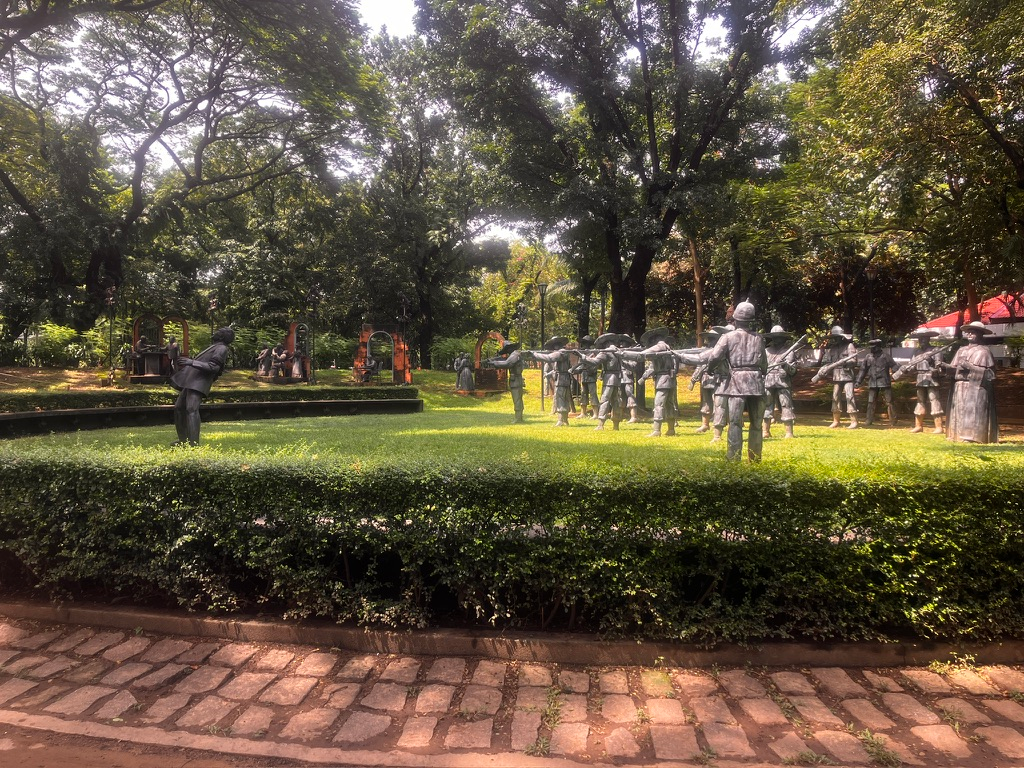
The Philippines sits at the crossroads of the Pacific and Indian Ocean trade winds, peopled early by Austronesian seafarers who formed diverse communities with their own languages, laws (customary adat), and trading barangays. By the 14th–15th centuries, Islam had spread through the south, creating sultanates in Sulu and Maguindanao, while Chinese and Southeast Asian merchants frequented Manila Bay. Spain arrived in 1521 with Magellan and established permanent rule after 1565 under Legazpi, founding Manila in 1571. Three centuries of Spanish colonialism brought Catholicism, the Manila–Acapulco galleon trade (1565–1815), fortified towns, and frequent revolts. Reformist and revolutionary movements surged in the late 1800s—figures like José Rizal and Andres Bonifacio inspired the 1896 revolution. Emilio Aguinaldo proclaimed independence in 1898, but the Spanish-American War transferred sovereignty to the United States, leading to the Philippine-American War (1899–1902) and U.S. colonial rule marked by public education, infrastructure, and political tutelage. A semi-autonomous Commonwealth began in 1935 under Manuel L. Quezon.
World War II brought Japanese occupation (1942–45), fierce resistance, and the devastating Battle of Manila. Independence was recognized on July 4, 1946. The postwar era mixed reconstruction and insurgencies (notably the Huk rebellion), followed by rapid urbanization. Ferdinand Marcos’s presidency (1965–86) included martial law, infrastructure drives, debt, and rights abuses, ending with the 1986 People Power Revolution that restored democracy under Corazon Aquino. Subsequent decades saw alternating reform and crisis, steady growth in services and manufacturing, and a vast diaspora whose remittances shape the economy.
In Mindanao, Moro self-determination movements led to a peace process and the creation of the Bangsamoro Autonomous Region (2019). Today the Philippines is a vibrant democracy of 7,641 islands—Catholic-majority but religiously diverse—with English widely spoken, fiestas and foodways reflecting Indigenous, Spanish, Chinese, and American layers, and a youthful population driving culture, technology, and tourism.
Language
Filipino (Tagalog) & English are official; English signage is common in cities and tourist areas.
Helpful phrases (Tagalog):
Hello Kumusta po?
Thank you Salamat po
Please Pakiusap/Paki-
Excuse me Makikiraan po / Paumanhin
How much? Magkano po?
Where’s the restroom? Nasaan ang CR/banyo?
Are public toilets available?
Yes—malls, fast-food chains, big attractions, and gas stations have clean restrooms; look for “CR/Comfort Room.” In markets/transport hubs, some facilities charge a small fee—carry tissues and coins.
Currency:
Philippine peso (PHP/₱). ATMs common in cities; cards widely accepted in malls/hotels, less so at markets and tricycle stands.
Recent reference: US$1 ≈ ₱57 (check current rate).
Overall: Tipping isn’t required, but small tips are appreciated for good service. Many restaurants add a 10% service charge—by law, if charged it must be distributed to staff; you don’t have to add more unless service was excellent.
Restaurants & cafés:
- If service charge included: no extra tip needed (optional small round-up).
- If no service charge: ~5–10% is generous; otherwise just round up. (Locals often just round up.)
Bars: Round up or leave ₱20–₱50 for table service.
Taxis / Grab / transport:
- Street taxis: Tip not expected; round up the meter by ₱10–₱50 if helpful or hassle-free.
- Grab: Optional in-app tipping (usually after a 5-star rating) on cashless rides; cash tips are fine too.
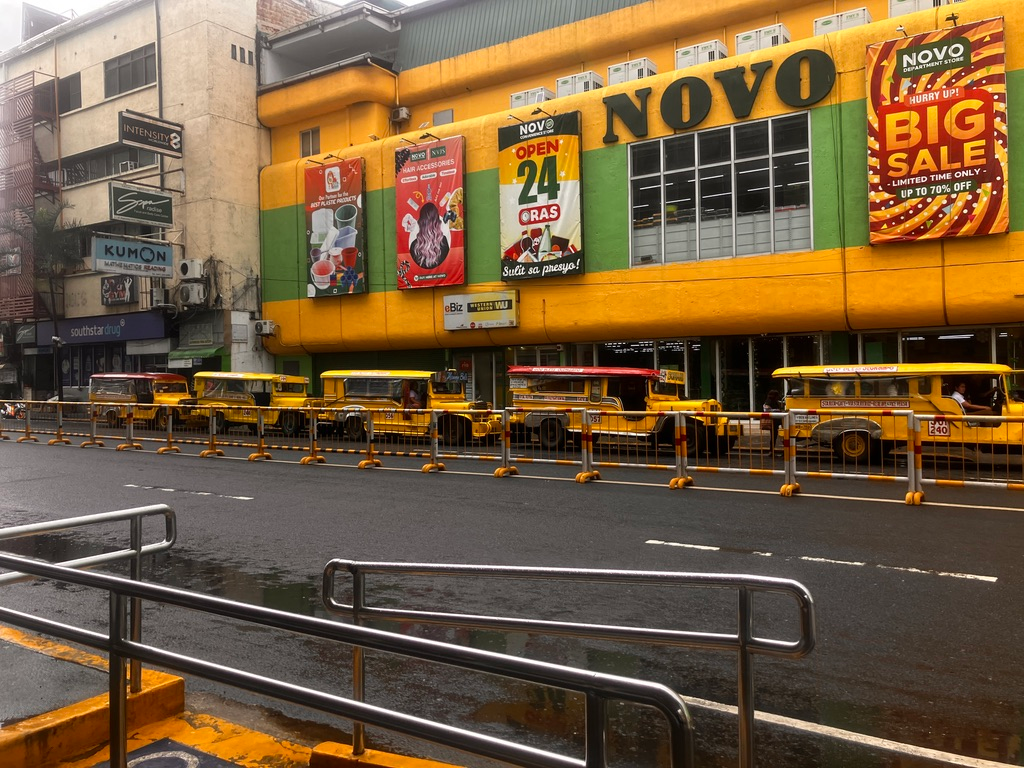
- Jeepneys & tricycles: No tipping—pay exact fare.
Hotels & spas:
- Bellhop/porter: ~₱20–₱50 per bag.
- Housekeeping: ₱50–₱100 per night left daily.
- Spa/massage: ~10% or ₱100–₱200 for good service.
Tours:
- Group day tour guide: ₱100–₱200 per person;
- Private guide/driver: ₱300–₱500+ per day (driver a bit less). Small cash for boat crews (island-hopping) ₱100–₱200 per person.
Good to know: Bills may also show 12% VAT (included in prices). Tip in PHP cash; small notes/coins are handy.
Getting Around:
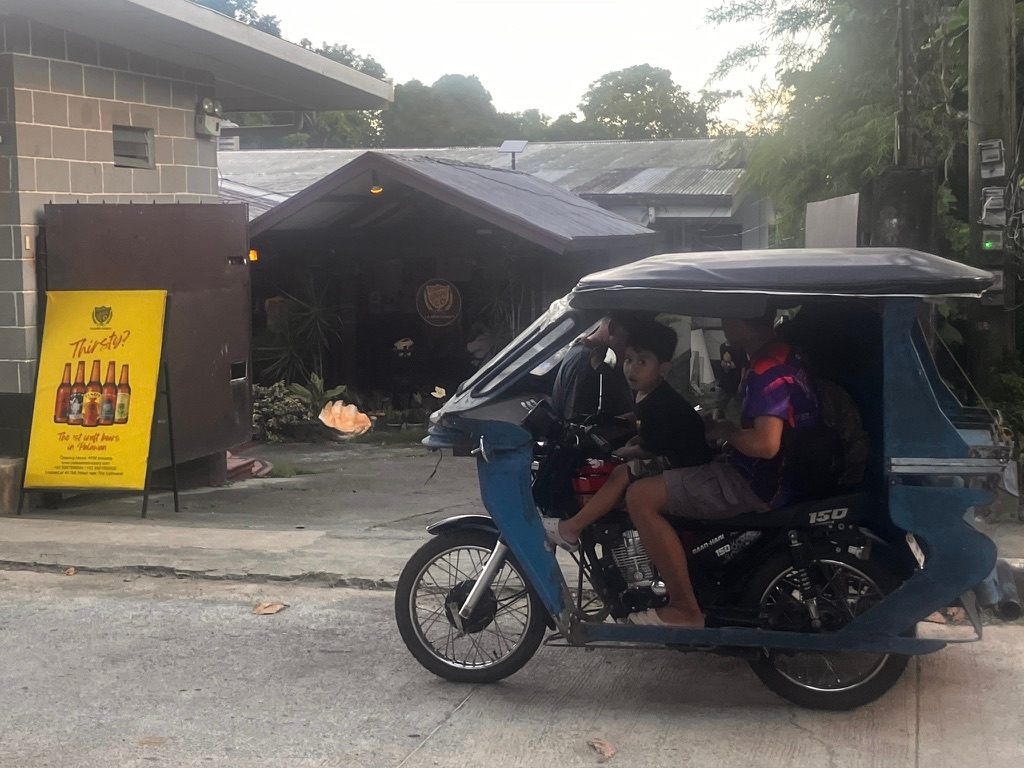
- 🚶 Walking: Historic and resort areas (Intramuros, Boracay stations, Puerto Princesa Baywalk, Tagbilaran core) are walkable; heat/rain can be intense midday.
- 🚌 / 🚆 Public Transit: Metro Manila has MRT/LRT and buses; elsewhere expect jeepneys, minibuses, and tricycles. Apps and signs are bilingual.
- 🚖 Rideshare: Grab (car and taxi) is the dominant app in major cities; JoyRide (also car/motorcycle taxi) operates in several hubs. Uber does not operate (sold SEA ops to Grab in 2018).
- Taxis: Abundant in Manila and provincial capitals; insist on the meter or pre-agree a fare.
- 🚴 Bike Rentals: Common in Boracay and some beachfront areas; limited in Manila cores.
- 🚗 Car Rentals: Practical in Palawan/Bohol for countryside loops; avoid Manila city driving if possible (traffic/parking).
Tasting:
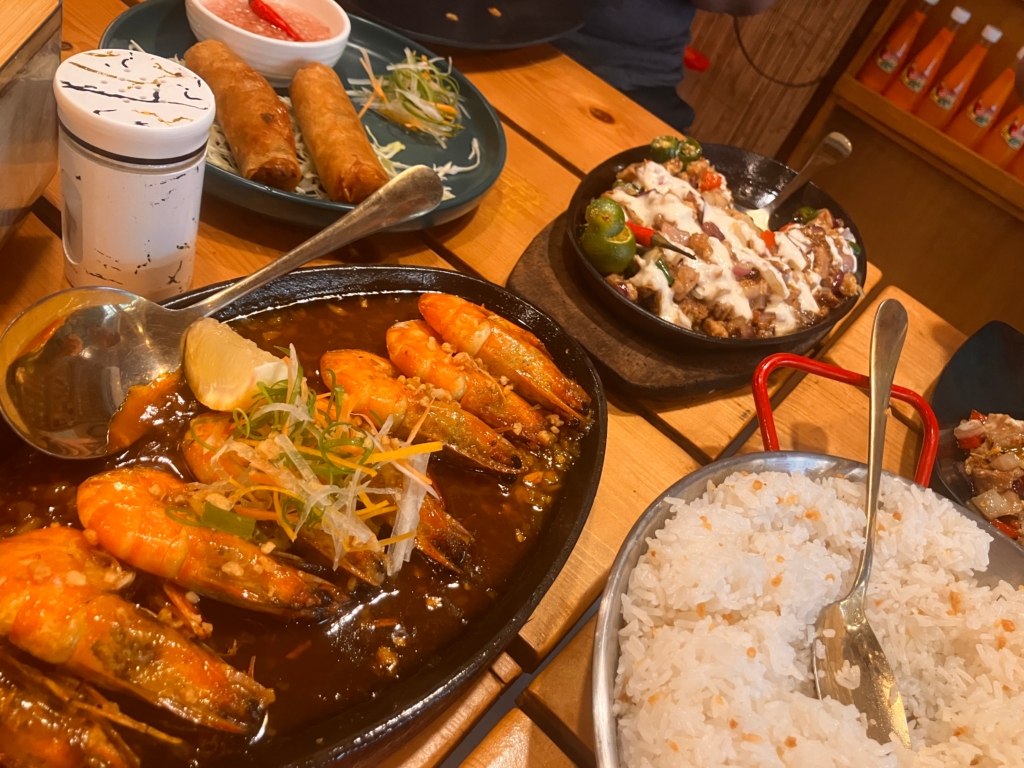
Adobo (soy–vinegar braise) Lechon (crisp roast pork), Sinigang (tamarind-sour soup), Sisig (sizzling chopped pork), Pancit (stir-fried noodles), Lumpia (spring rolls), Chicken Inasal (grilled, calamansi–garlic marinade), Halo-halo(shaved-ice sundae), and fresh mangoes—sweet and ubiquitous.
Balut (Fertilized Duck Egg) A classic Filipino street snack: a fertilized duck egg (usually 16–21 days incubated), boiled and eaten warm from the shell. You sip the sabáw (broth), sprinkle salt or spiced vinegar, then eat the yolk and soft embryo; finish with the firmer albumen (often discarded if too tough).
- Taste/texture: rich, savory, slightly gamey; like a cross between chicken soup and custardy egg yolk.
- How to order: “Balut, 18 days po” (richer embryo); “16 days” is milder. Vendors often ask “Asin o suka?” (salt or vinegar).
- Where you’ll find it: evening street carts in Manila (Baywalk, Malate, Intramuros edges), plazas in Puerto Princesa and Tagbilaran (Bohol), and tourist strips in Boracay; less common inside Subic Freeport.
- Cousins: Penoy (unfertilized, like firm egg custard), balut sa puti (younger, softer).
- Tips: buy hot, freshly boiled from busy vendors; bring tissues; a squeeze of calamansi or chili-vinegar brightens it.
Manila: Binondo (Chinatown) food walks—lumpia, hopia, dumplings.
Boracay: Grilled seafood, chori burger, calamansi muffins.
Palawan (Puerto Princesa): Grilled fish; adventurous tamilok (woodworm) for the curious.
Bohol: Peanut Kisses and calamay (sticky coconut caramel).
Travel Tips:
- Cash + small bills for markets/trikes; cards for hotels/malls.
- Typhoon-aware: build weather wiggle room in Sep–Oct; heed port advisories.
- Safety: normal city smarts; use registered taxis/Grab; avoid flashy jewelry in crowds.
- Etiquette: smiles go far; modest beach cover-ups off the sand; remove hats in churches.
- Connectivity: local SIMs widely sold; eSIMs available.
- Water/food: choose reputable eateries; wash/sanitize hands.
LGBT Travellers
Urban/tourist areas are generally welcoming, but national anti-discrimination law is still pending; protections exist via local ordinances in many cities (incl. Manila and Puerto Princesa). Same-sex marriage isn’t recognized. Keep public affection situational outside metro/tourist zones.
Helpful free travel apps
Grab (rides),
JoyRide (rides incl. moto),
Sakay.ph (Metro Manila route planner),
Google Maps (offline areas),
Google Translate (download Filipino),
XE/WISE (rates).
Note: e-wallets GCash/Maya are common locally but typically require Philippine IDs/SIM to fully verify—most visitors will rely on cards/cash.