My views do not necessarily reflect the views of my employer.
After squeezing in cultural tips into each port talk for Japan, I decided to start doing a country overview when we visited a new country, starting with…
Taiwan
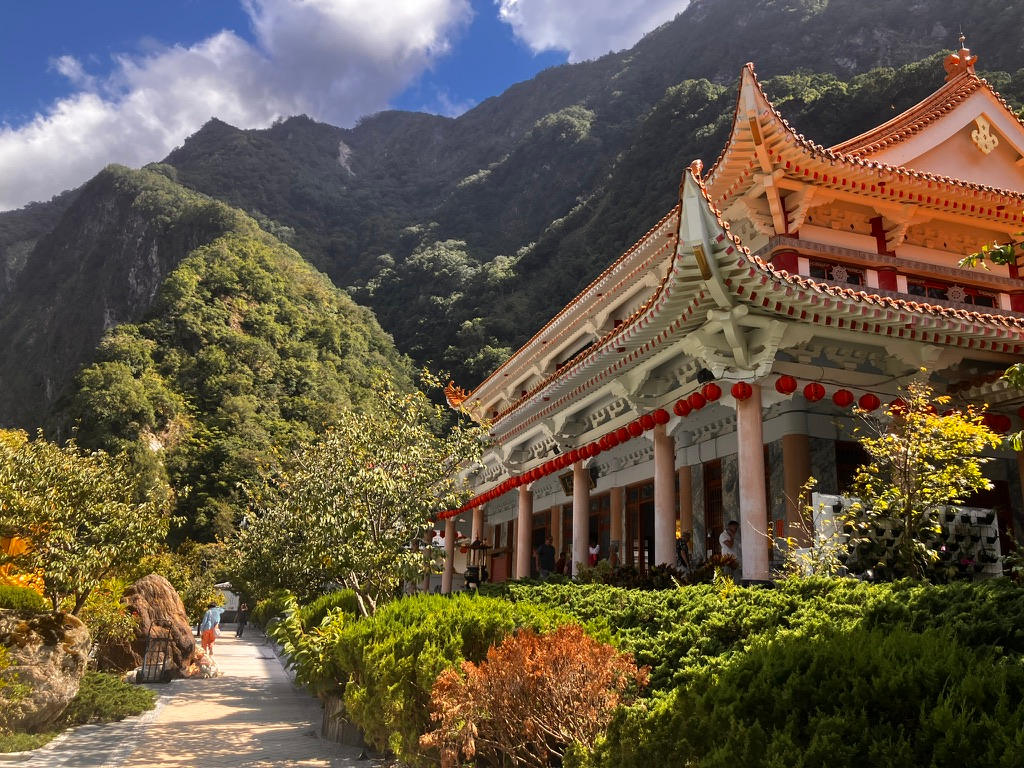
Taiwan is a vibrant island nation off the southeastern coast of China, known for its blend of traditional Chinese culture, Japanese influence, and modern innovation. Travelers discover bustling night markets, dramatic mountain landscapes, serene temples, and warm island hospitality. Taiwan is compact yet diverse, making it easy to explore both cultural treasures and natural wonders.
Population: ~23.5 million people, with most living in western cities like Taipei, Taichung, Tainan, and Kaohsiung.
History:
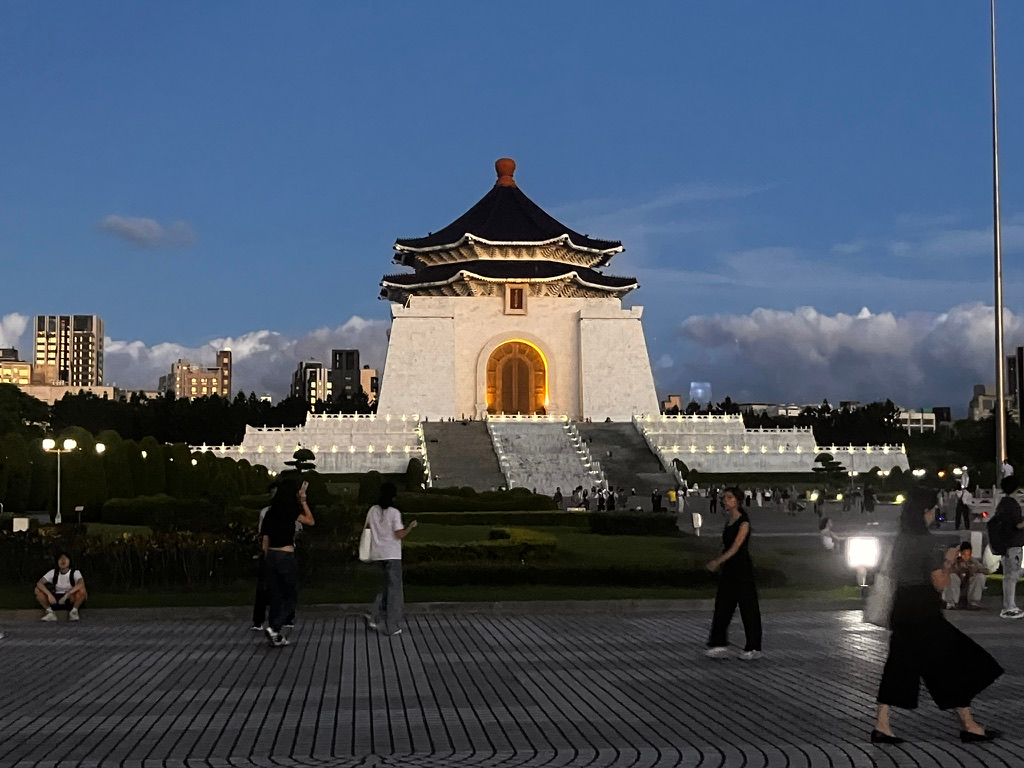
Taiwan’s story is one of crossroads, resilience, and transformation. For thousands of years, the island was home to Austronesian peoples, whose descendants are still present in Taiwan’s 16 recognized indigenous groups. Their seafaring culture connected Taiwan to a wider Pacific world stretching as far as Polynesia.
By the 17th century, Taiwan’s strategic location attracted colonial powers. The Dutch established a base in Tainan (1624–1662), and the Spanish briefly occupied the north (1626–1642). In 1662, the Ming loyalist Koxinga (Zheng Chenggong) drove out the Dutch and built Taiwan into a military and trading stronghold.
In 1683, Taiwan came under Qing dynasty rule and waves of Chinese migrants, mostly from Fujian and Guangdong, transformed its culture, farming, and trade. Taiwan’s fertile land and coastal position made it a prized frontier, though conflict with indigenous communities was common.
Following the First Sino-Japanese War, Taiwan was ceded to Japan in 1895. For the next fifty years, Japan invested heavily in infrastructure, railways, education, and industry, while also enforcing assimilation. This period left a legacy still visible in architecture, cuisine, and habits like hot spring bathing.
After Japan’s defeat in World War II (1945), Taiwan was placed under the Republic of China (ROC). In 1949, following the Chinese Civil War, the Nationalist government (Kuomintang, or KMT) retreated to Taiwan and imposed martial law, ushering in decades of one-party rule. This period—known as the White Terror—saw strict censorship and suppression of dissent, but it also laid the groundwork for Taiwan’s rapid industrialization and economic growth, often called the “Taiwan Miracle.”
From the 1980s onward, Taiwan embraced democracy. Martial law was lifted in 1987, political reforms followed, and by the 1990s Taiwan held its first direct presidential elections. Today, Taiwan is a thriving democracy with vibrant civil society and press freedoms, distinguishing it from mainland China.
Culturally, Taiwan blends influences from indigenous traditions, Chinese heritage, and Japanese colonial legacy, while also shaping its own modern identity. Its rich past explains why Taiwan feels simultaneously familiar and unique, traditional and modern, East Asian yet distinctly its own.
Weather:
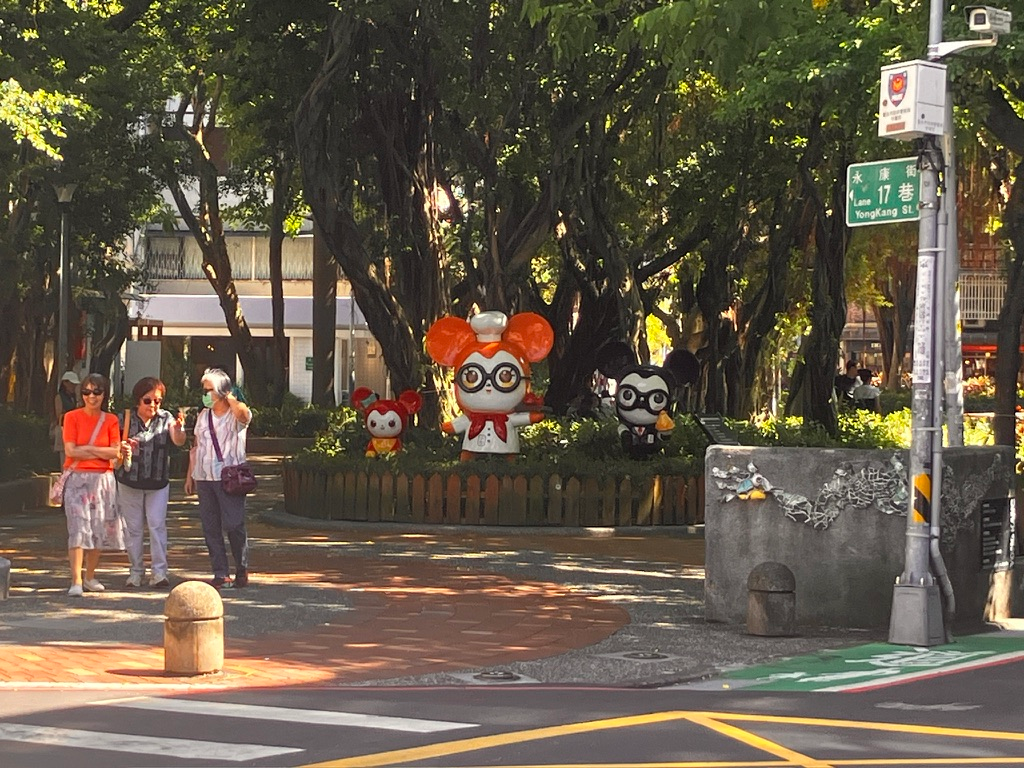
- Average Temps: In September, highs ~28–32 °C (82–90 °F), lows ~22–25 °C (72–77 °F).
- Climate: Subtropical—hot and humid summers, mild winters. Typhoon season runs July–September.
- What to Wear: Light, breathable clothing; a hat and sunscreen; and a light jacket or umbrella for sudden rain.
Is the water safe to drink?
Tap water is not considered safe for direct drinking. Locals boil water or use filtered/bottled water. Bottled water is widely available and inexpensive.
Language:
- Official: Mandarin Chinese
- Widespread: Taiwanese Hokkien, Hakka, and indigenous languages
- English is taught in schools and understood in tourist areas, but not everywhere.
Helpful Phrases 🗣️
- Hello: Nǐ hǎo (你好)
- Thank you: Xièxiè (谢谢)
- Excuse me / Sorry: Bù hǎoyìsi (不好意思)
- How much?: Duōshǎo qián? (多少钱?)
- Bathroom / Toilet: Cèsuǒ (厕所)
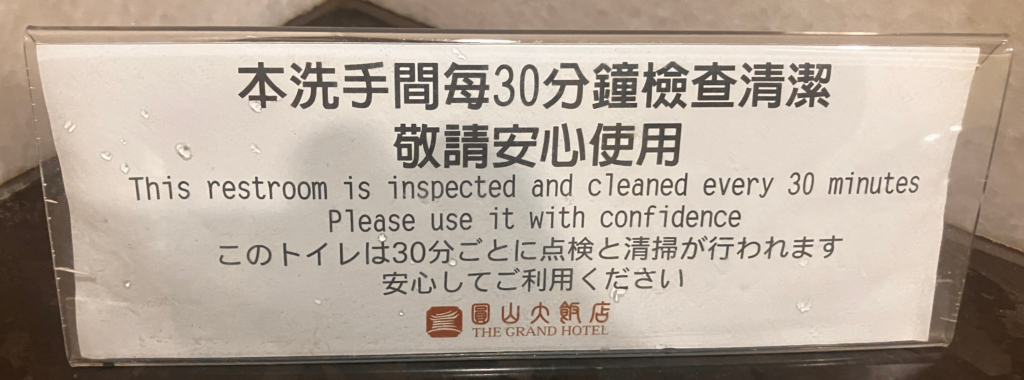
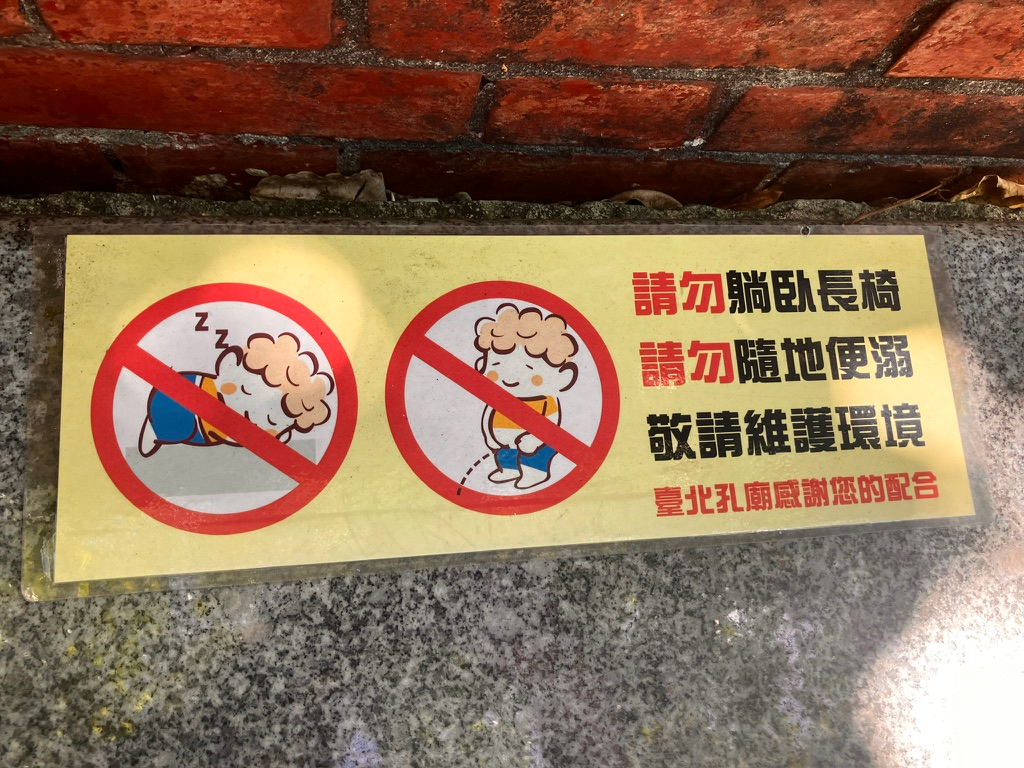
Public Toilets 🚻
Yes, public restrooms are widely available in metro stations, shopping malls, and parks—usually free and well-maintained. Toilet paper is sometimes outside the stall, so carry tissues just in case.
Currency:
New Taiwan Dollar (TWD/NT$)
- ATMs common; many accept foreign cards.
- Credit cards widely accepted in cities, less so in small shops and night markets.
The exchange rate between the New Taiwan Dollar (TWD) and the US Dollar (USD) is approximately:
- 1 TWD ≈ 0.03279 USD (about 3.28 cents)
- This means 1 USD ≈ 30.5 TWD
Quick Reference
- NT$100 ≈ USD 3.28
- USD 10 ≈ NT$305
These rates are mid-market and can vary slightly depending on banks or currency exchange services, which often adjust for margin or fees.
Getting Around:
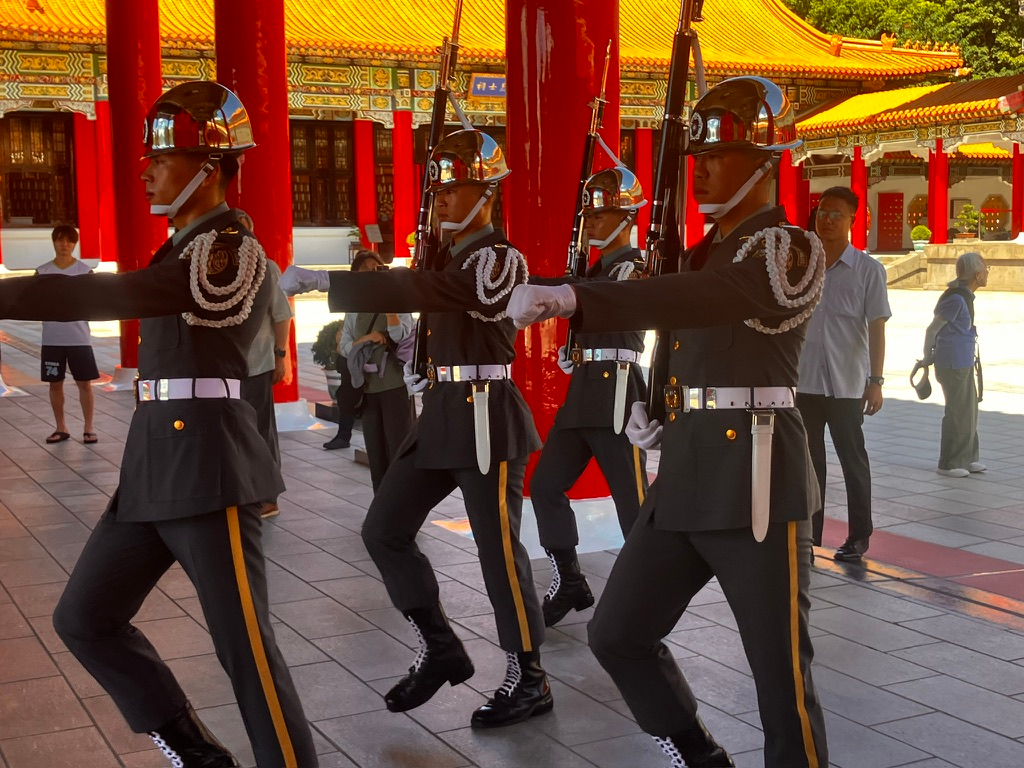
- 🚶 Walking: Cities like Taipei and Tainan have very walkable districts, though traffic/scooters can be hectic at crossings.
- 🚌 Public Transit: Taipei Metro is clean, safe, and bilingual; Tainan relies on buses (bilingual displays). Buses may require exact change or an EasyCard. Buy/reload EasyCard at convenience stores—works on MRT/buses/TRA short hops and some taxis.
- 🚖 Rideshare: Uber operates in Taipei and Tainan. Taiwan Taxi (app) is also reliable.
- 🚕 Taxis: Plentiful, metered, safe, and inexpensive vs. U.S. Have your destination written in Chinese for drivers.
- 🚴 Bike Rentals: YouBike systems in Taipei and Tainan are cheap and easy with EasyCard or credit card.
- 🚗 Car Rentals: Possible but not recommended in big-city cores. More useful for Hualien day trips (e.g., Taroko/East Rift Valley). International Driving Permit required.
Tasting:
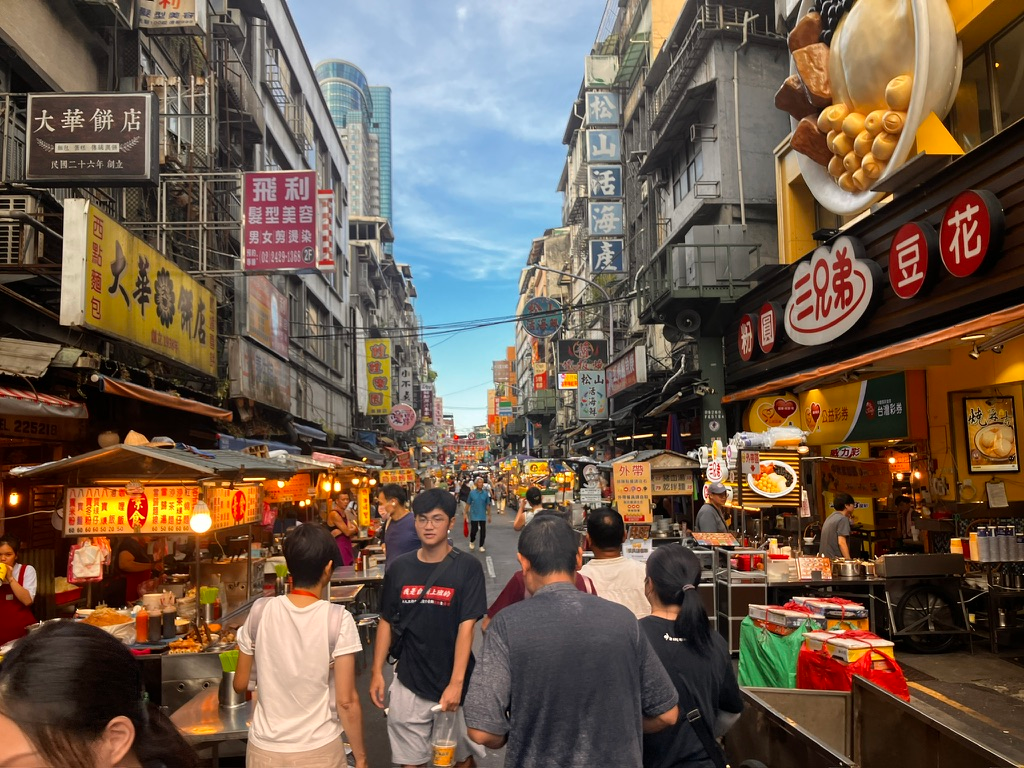
Beef Noodle Soup (牛肉麵) – Taiwan’s beloved national dish: slow-braised beef, rich aromatic broth, and chewy wheat noodles. A must-try comfort food found everywhere from street stalls to specialty shops.
Xiao Long Bao (小籠包, Soup Dumplings) – Delicate steamed dumplings filled with seasoned pork and savory broth that bursts with flavor. Best enjoyed with black vinegar and ginger.
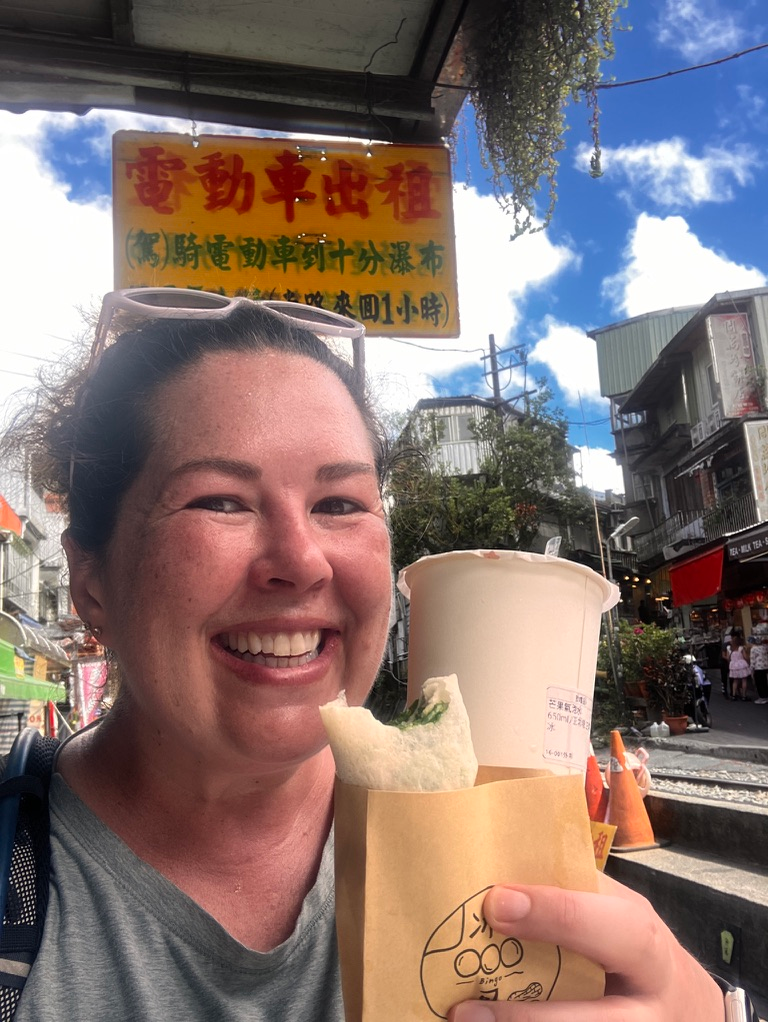
Bubble Tea (珍珠奶茶) – Invented in Taichung, this global favorite pairs sweet milk tea with chewy tapioca pearls. Shops across Taiwan offer endless flavor variations.
Oyster Omelet (蚵仔煎) – A night market classic: fresh oysters with eggs, starch, and vegetables, finished with a sweet-savory sauce.
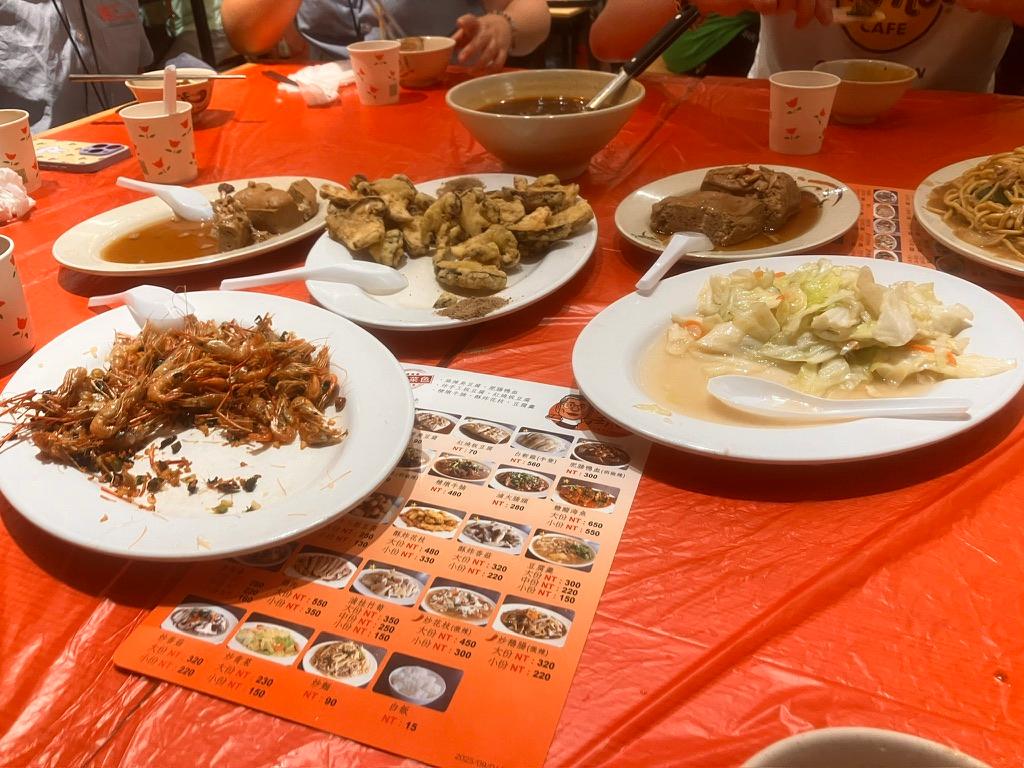
Stinky Tofu (臭豆腐) – Taiwan’s most famous “love it or hate it” snack: deep-fried fermented tofu, crispy outside and soft inside, often served with pickled cabbage.
Hot Pot (火鍋) – A communal dining experience where diners cook meats, seafood, and vegetables in simmering broth at the table. Popular year-round in Taiwan, with flavors ranging from mild herbal broths to fiery Sichuan-style spice.
Mochi (麻糬) – Soft, chewy rice cakes enjoyed plain, filled with sweet bean paste, or dusted with peanut powder. Taiwanese mochi is especially fresh and tender, often handmade and sold at markets.
Pineapple Cake (鳳梨酥) – A buttery pastry filled with pineapple jam, popular as a souvenir gift to take home.
Travel Tips:
- Night markets are cash-only—carry small bills and coins.
- Taiwan is very safe, with low crime rates and welcoming locals.
- Respect temple etiquette: remove hats, avoid loud talking, don’t take flash photos inside.
LGBT Travelers 🏳️🌈
Taiwan is Asia’s most progressive country on LGBT rights and the first in the region to legalize same-sex marriage (2019). Taipei hosts one of Asia’s largest Pride festivals, and LGBT-friendly bars and cafes are common in Taipei and Kaohsiung.
Free Apps for Taiwan Travel
- Google Maps – A standout navigation tool offering accurate walking and transit routes, offline map downloads, and multilanguage support—ideal for exploring complex city layouts.
- Google Translate – Essential for overcoming language barriers; supports text, voice, and camera translation, even offline.
- Go! Taipei Metro / Go! Metro – Official apps like Go! Taipei Metro provide real-time route planning for metro and bus systems in cities including Taipei—great for seamless transit navigation.
- YouBike 2.0 – Taiwan’s ubiquitous bike-sharing system, available in many cities; the app shows station locations and allows easy bike renting with flexible billing.
- T Express / Taiwan Railways App – Handy for checking schedules and purchasing tickets on Taiwan’s high-speed and conventional rail networks.
- Klook / KKday – Great for booking tours, travel passes, discounted tickets, transportation, and day trips all in one place.
- LINE – Taiwan’s top messaging platform; ideal for communicating with local guides, shops, or friends.