
My views do not necessarily reflect the views of my employer.
September 7, 2025
It was HOT in Amami (I know- it was hot everywhere in Japan this time of year, especially as we made our way south), so we decided to wait until after dark to explore. Plus, that way Victor could come along too. Quite a few residents on the ship had invested in air-conditioned vests – vests with little fans in them. I first saw one on the Diamond Princess – worn by Syan, one of the guest entertainers and a World Champion Balloon Artist. His show was spectacular, but with Japan’s humidity and the heat from the stage lights, I could definitely see why he needed it.
The gossip on the ship was that Aeon, the department/grocery store on the other side of town, had the vests, and Steven wanted to get one. To my surprise, my group suggested we walk there!
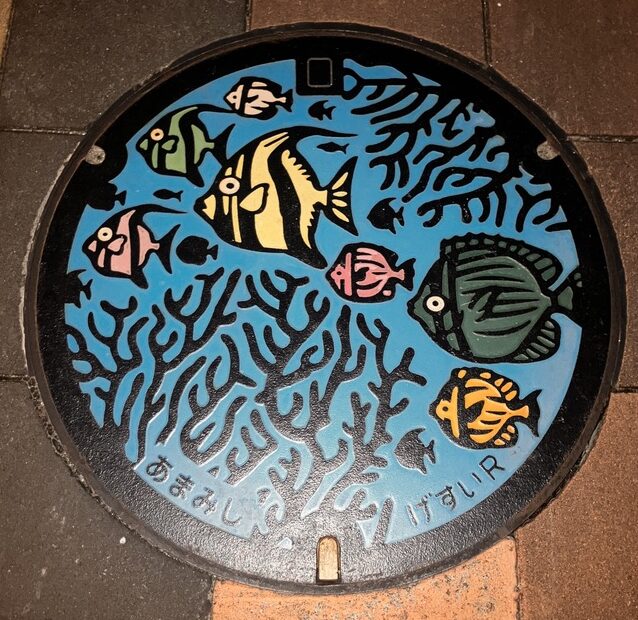
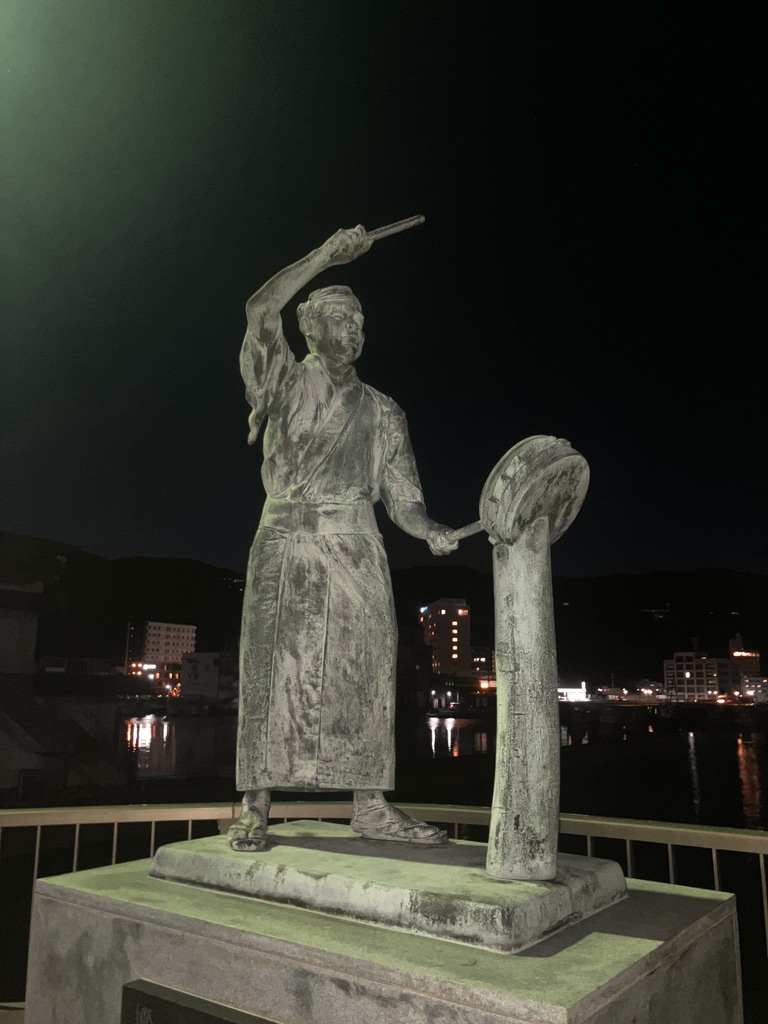
While Steven searched for vests, Victor browsed the food section. I found some light, flowery pants that actually looked big enough to fit me (I’m bigger than the average Asian) at a great price. Before we left the ship, Victor and I had flagged a few possible restaurants, but as we shopped, our options starting dwindling. In the US, you can usually show up an hour before closing and still get served, but we were learning that in Japan, if it was too late, they simply wouldn’t seat you.
Victor and I took turns picking restaurants on Google Maps and navigating through the dark streets, only to find they were closed, didn’t exist, or were booked for private events. We felt like Goldilocks and the Three Bears- nothing was quite right. Finally, about half a block down from a restaurant that was too busy to seat us, we found a tiny place that could – I wasn’t even sure it was a restaurant!
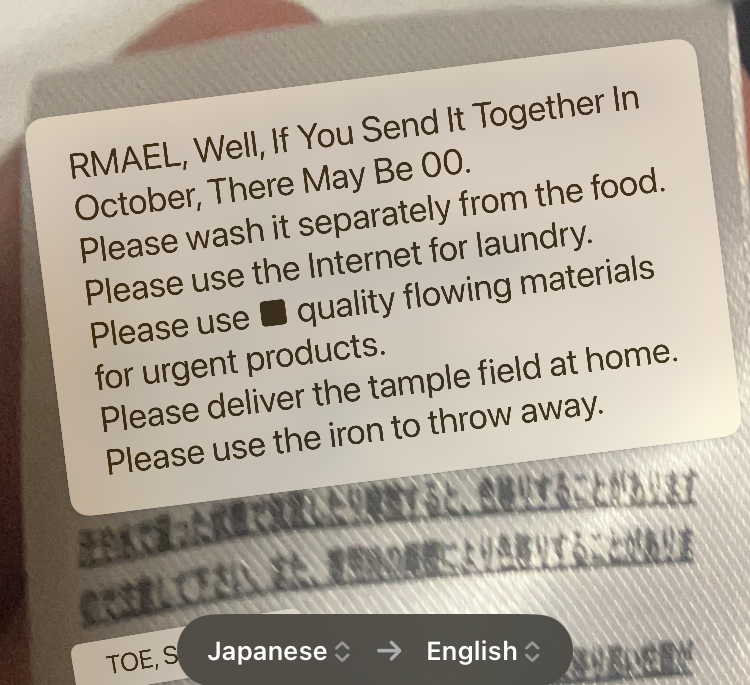
We used Google Translate to communicate, and Victor ordered.
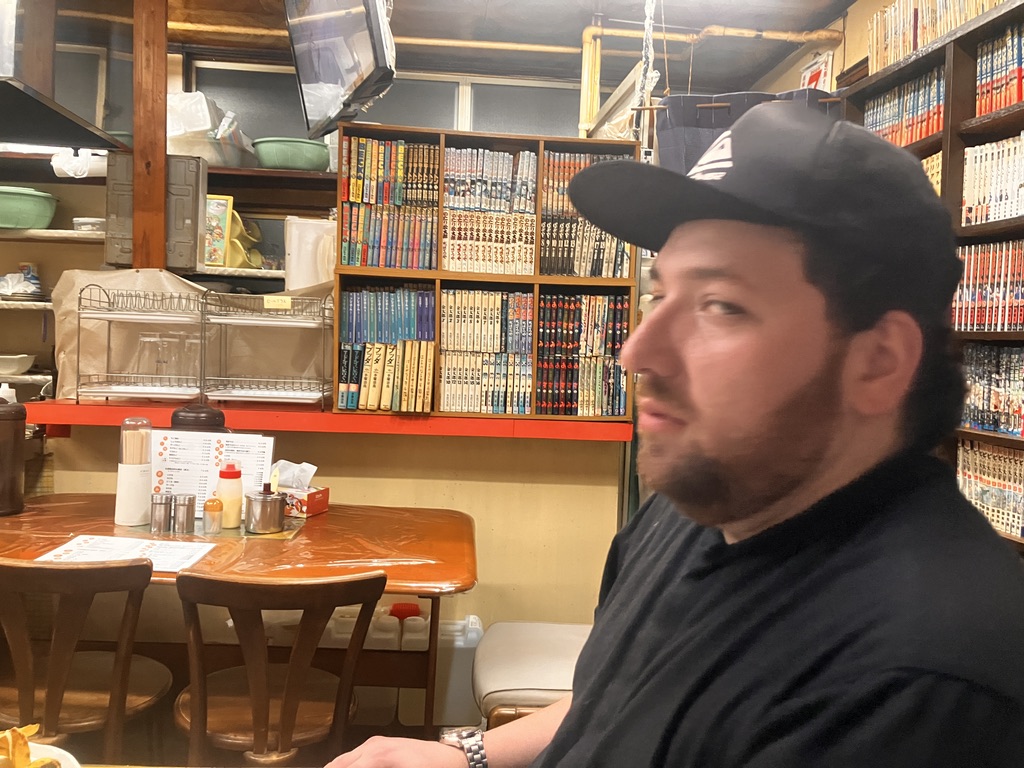
This place was so local– I LOVED it! We were surronded by shelves of Japanese manga (like comic books). I couldn’t read any of them, but I loved the concept and the vibe.
The food was so fresh and delicious.
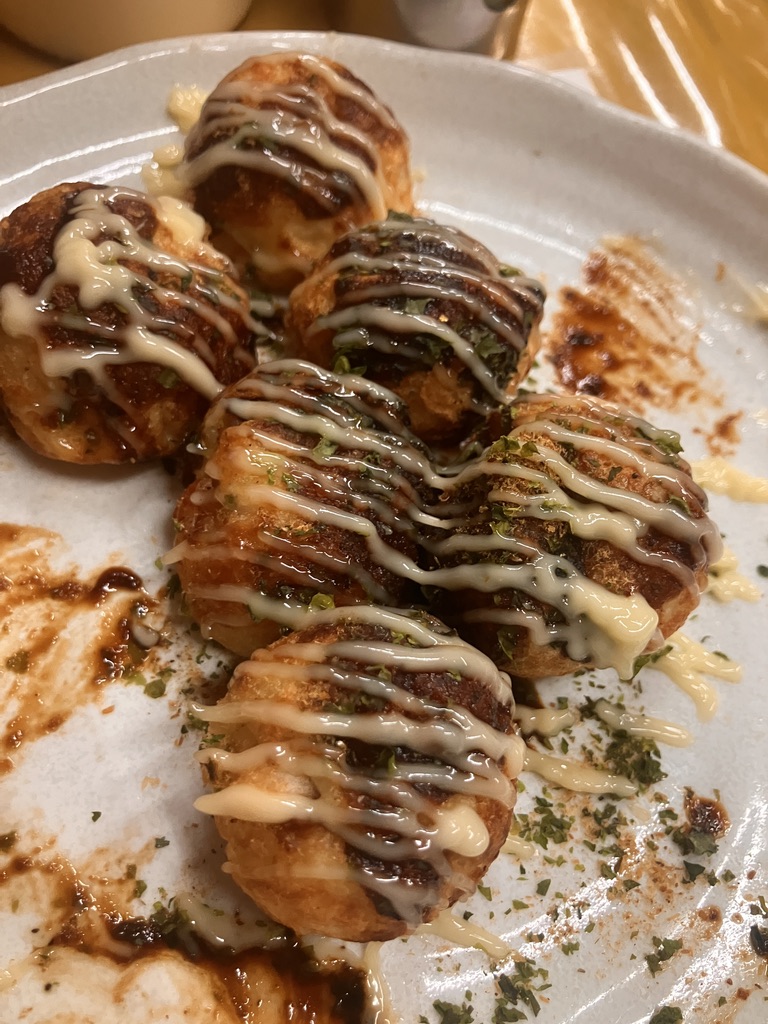
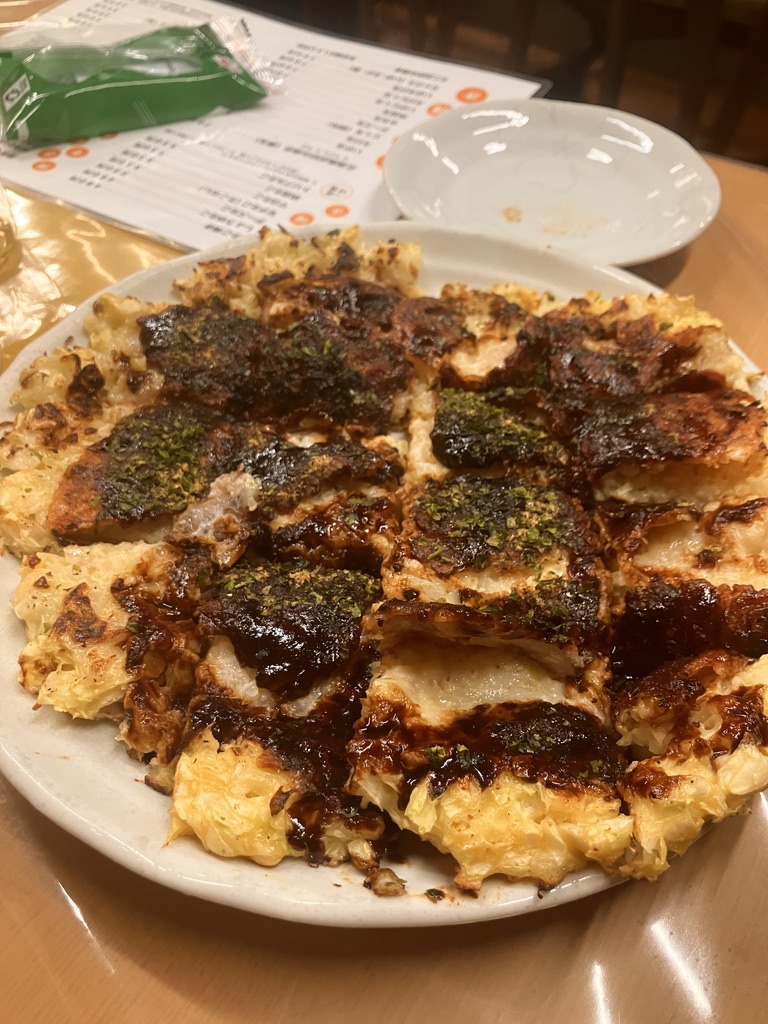
We had such a great time – laughing, enjoying the hospitality of the owner/chef. We thanked her profusely for accommodating us.
We’d walked a few blocks away when I realized I’d forgotten my shopping bag with my recent purchase! We turned around to find the restaurant again. The owner had turned out the lights and pulled the lantern inside, but I still managed to find it (I was surprised). When I knocked on the door, she handed me my bag.
We all laughed about how I’d left the restaurant without my pants.
Then we spotted a sign for a brewery! Of course I wanted to go, and luckily everyone humored me.
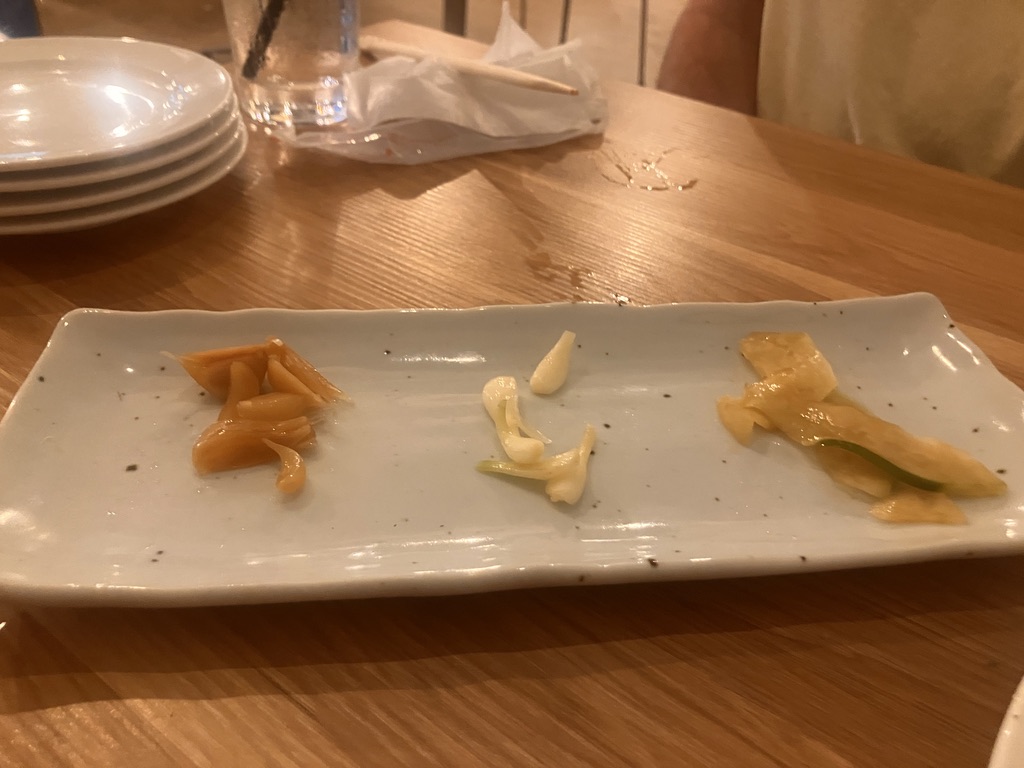
Wow, was I glad we stopped. These beers had some excellent names.
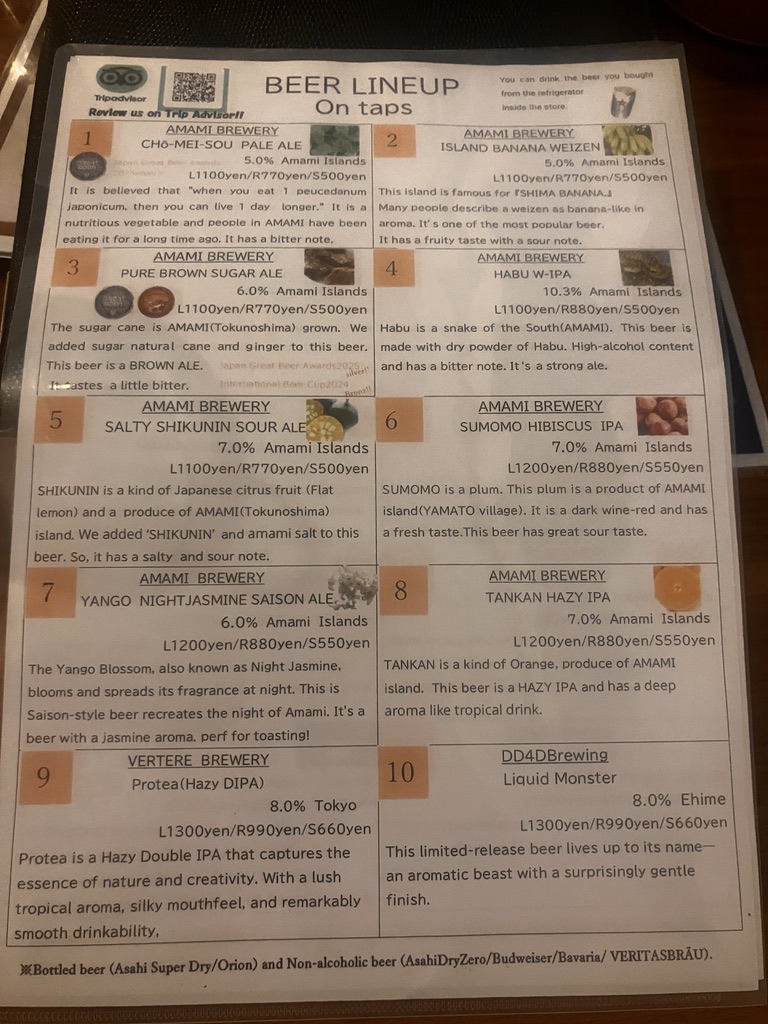
Obviously, I ordered a flight so I could try several.
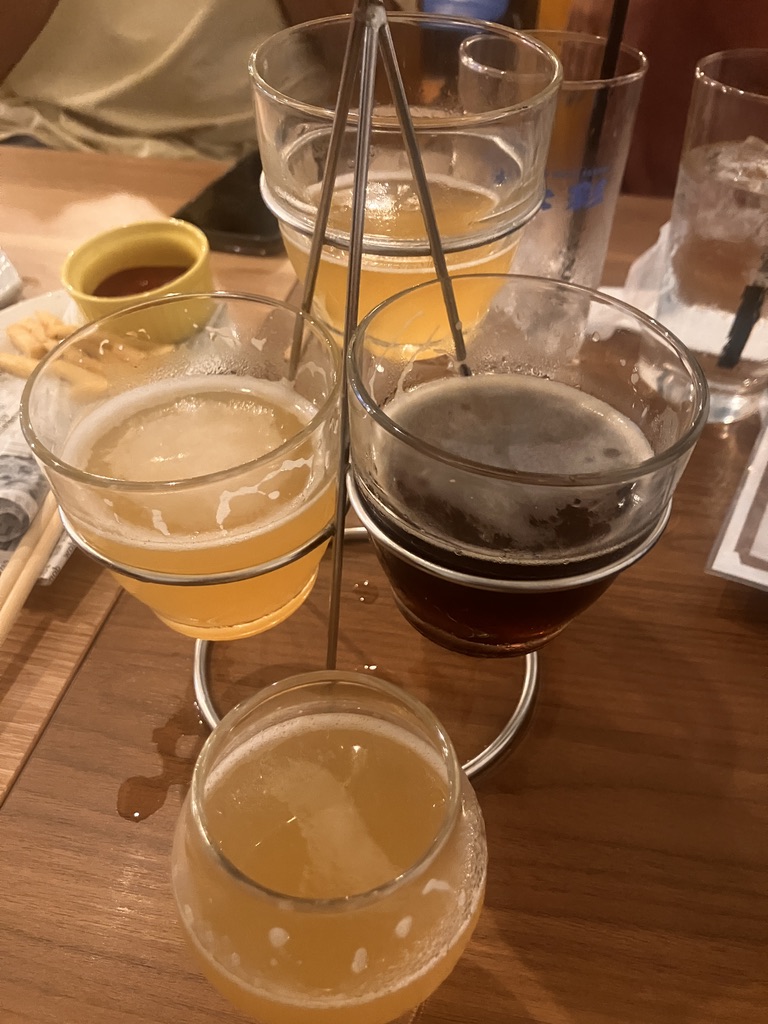
It ended up being one of my favorite nights in Japan. We laughed, the food was incredible, the beer was creative and delicious – but my favorite part was that the best things happened when our plans went sideways. I probably couldn’t find that restaurant again if I tried, which somehow makes the memory even more perfect, as it will never be able to be recreated.
Amami Island, Japan
Set between Kyushu and Okinawa, Amami Ōshima is a subtropical island of emerald mangroves, coral seas, and lush mountains, where culture runs deep through mud-dyed Ōshima-tsumugi silk, falsetto shima-uta folk songs, and local dishes such as keihan chicken rice. Much of the island lies within Amamiguntō National Park, and in 2021 it was inscribed as a UNESCO World Natural Heritage Site for its rare endemic wildlife and pristine subtropical forests. Today, Amami City (Naze) has about 41,000 residents, while the island as a whole is home to approximately 58,000–60,000 people, balancing natural beauty with vibrant island traditions.
History:
Amami Ōshima’s history is shaped by its position between Kyushu and Okinawa, acting as a cultural and trading bridge for centuries. Archaeological finds show human habitation from the Jōmon period, and the island developed its own unique traditions, such as shima-uta folk songs and the intricate weaving of Ōshima-tsumugi silk, which dates back over 1,300 years. For much of its early history, Amami was closely connected with the Ryukyu Kingdom, sharing cultural traits in music, dance, and spirituality, while still preserving a distinct local identity.
In 1609, the powerful Satsuma Domain (modern Kagoshima) invaded the Ryukyus and seized the Amami Islands directly. Unlike Okinawa, which remained under Ryukyu rule as a vassal state, Amami was placed under direct Satsuma control. Islanders were heavily taxed, especially through the forced cultivation of sugarcane, which brought wealth to Satsuma but hardship to the people of Amami. This legacy can still be felt in the songs and stories that express both resilience and longing.
After the Meiji Restoration (1868), Amami became fully integrated into Japan, with Naze growing into a regional hub for shipping and trade. Following World War II, the island was placed under U.S. administration (1946–1953), during which time the economy struggled but islanders campaigned vigorously for reversion to Japan. On December 25, 1953, Amami was officially returned, a date still remembered as a turning point in the island’s modern history.
Today, Amami Ōshima balances progress and preservation. Its crafts, such as tsumugi silk, remain highly prized; its music and festivals carry forward island identity; and its forests and reefs, home to rare species like the Amami rabbit, gained global recognition with UNESCO World Natural Heritage status in 2021. The story of Amami is one of survival, creativity, and pride in both culture and nature.
Itinerary:
Arrival: Sunday September 7, 7:00am (please allow time for port clearance)
Departure: Monday September 8, All aboard: 5:00pm Sail away: 6:00pm
Weather
- Average Temps: High ~31–32 °C (88–90 °F), Low ~25–26 °C (77–79 °F)
- Climate: Humid-subtropical; very warm and humid, with sudden showers still possible during typhoon season.
- What to Wear: Breathable, sun-protective clothing; hat, reef-safe sunscreen, and sandals or water shoes. Carry a light rain jacket or umbrella for passing storms.
Near the Pier:
Cruise Ship Dock: Amami Cruise Ship Terminal.
Address: Nagahama-chō, Amami City, Kagoshima 894-0036
日本語住所: 〒894-0036 鹿児島県奄美市名瀬長浜町(名瀬港・長浜地区)
Japan’s tap water is potable, including Amami. Bottled water also widely sold.
Distances (approx.)
- Port ⇄ Amami City (Naze) center: ~8–10 min by taxi; ~30–40 min on local bus from airport to Naze (limousine bus).
Nearby Essentials (Naze center):
- Pharmacy: Matsumoto Kiyoshi branches in Naze area (city center).
- ATM/Grocery: AEON Plaza Ōshima (supermarket, ATMs).
- Supermarket: Green store (about 5 minute walk)
- Church: Naze Catholic Church of the Sacred Heart, 18-1 Nazesaiwaichō.
- Golf: Amami Country Club (Naze Course), Amami-shi Naze Ōkuma Komata 346-1.
- 🚶 Walking: Naze downtown is compact; beaches/parks require transport.
- 🚌 Public Transit: Shima Bus connects the airport ⇄ Naze (~50–55 min) and Naze ⇄ Mangrove Park/Koniya (limited frequency).
- 🚖 Taxis: Readily available in Naze; no widespread rideshare.
- 🚴 Bike Rentals: Small rental cycle shops exist around Naze.
- 🚗 Car Rentals: Common at the airport & Naze; most flexible for short stays.
- Hop-On Hop-Off: Not available.
Witnessing:
Sumiyō Mangrove Forest (住用マングローブ原生林 / Mangrove Park) The Sumiyō Mangrove Forest is Japan’s second largest mangrove, covering about 71 hectares along the Yakugachi and Sumiyō Rivers. Part of Amamiguntō National Park, it’s a lush, otherworldly landscape of winding waterways, arching mangrove roots, and rich wildlife. The most popular way to experience it is by canoe or kayak tour, which lets you glide quietly among the mangroves while spotting crabs, fish, and migratory birds. Guided tours are easy to arrange at the Mangrove Park visitor center.
- Access: ~20–25 min by car/taxi from Naze (port area)
- Visit Time: 1–2 hours
- Cost: Canoe rental & guided tour ~¥2,000–2,500 per person
- Hours: Generally 9:00 am – 5:00 pm (subject to tide conditions)
✨ Travel Tip: The experience is best at high tide, when canoes can fully navigate the inner mangrove channels.
Kinsakubaru Primeval Forest (金作原原生林) This subtropical rainforest is one of Amami’s most pristine natural treasures, home to giant cycads, ferns, and unique species like the endangered Amami rabbit. To protect the ecosystem, entry is only allowed on guided tours, which weave through towering trees and lush undergrowth that feel almost prehistoric.
- Access: ~30–40 min by car from Naze
- Visit Time: 1.5–2 hrs (guided tour)
- Cost: Tours ~¥4,000–5,000 pp
- Tip: Wear sturdy shoes—paths may be muddy.
Ohama Seaside Park & Amami Ocean Museum (大浜海浜公園) 🏖️🐠 A local favorite near Naze, Ohama Seaside Park features a sandy beach, calm waters, and an aquarium-style Ocean Museum showcasing Amami’s rich marine life. It’s an ideal spot to relax, swim, or enjoy a sunset.
- Access: ~15 min by car/taxi from Naze
- Visit Time: 1–2 hrs
- Cost: Park free; museum ~¥500 adults
- Tip: Easy to combine with a city stroll.
Learning:
World Heritage Conservation Centre Amami (奄美世界遺産センター) Opened in 2022, the World Heritage Conservation Centre Amami introduces visitors to the island’s rare ecosystems that earned UNESCO World Natural Heritage status. Exhibits highlight endemic species like the Amami rabbit and Ryukyu long-haired rat, as well as the subtropical rainforests and mangrove wetlands that make Amami unique. The center features interactive displays, dioramas, and videos explaining conservation efforts and the importance of protecting fragile habitats.
- Access: ~15–20 min by car/taxi from Naze (toward Amami Airport)
- Hours: 9:00 am – 5:00 pm (closed Mon)
- Admission: Free
Ōshima-Tsumugi Mud-Dyeing Workshop (大島紬体験工房)
Experience one of Amami’s most treasured crafts—Ōshima-tsumugi, a silk weaving tradition over 1,300 years old. At workshops such as Aikana Kōbō or Ōshima Tsumugi Village, you can try the unique process of plant- and mud-dyeing, which gives the silk its deep, earthy tones.
- Access: ~20–25 min from Naze
- Visit Time: 1–2 hrs
- Cost: ~¥2,000–3,000 for hands-on experience
Tanaka Isson Museum (田中一村記念美術館, Amami Park)
Dedicated to painter Tanaka Isson, often called the “Gauguin of Amami,” the museum showcases luminous Nihonga works inspired by the island’s flora and fauna. Located in Amami Park near the airport, it’s an inspiring stop for art and nature lovers alike.
- Access: ~40 min from Naze (near airport)
- Visit Time: ~1 hr
- Cost: ~¥600 adults
Shima-uta (島唄, Island Songs) Amami’s signature falsetto shima-uta songs capture themes of love, hardship, and island life. For an authentic experience, seek out evening live performances in Naze—particularly along Yanigawa Street, where small venues and izakaya sometimes feature local singers accompanied by the traditional sanshin (three-stringed lute).
- Best Time: Evening
- Cost: Often just the price of a drink/meal
Discovery:
Tebiro Beach (瀬戸内町手広海岸) – A favorite for surfers, with long, rolling waves.
- Access: ~25–30 min by car from Naze
- Cost: Taxi ~¥4,000–5,000 one way
Tomori Beach (奄美市笠利町土盛海岸) – Famous snorkeling spot with turquoise water and coral reefs.
- Access: ~45–50 min by car from Naze (north of the airport)
- Cost: Taxi ~¥8,000–9,000 one way
Hiking
Mt. Yuwandake (694 m) — Highest peak; boardwalk + short summit trail from Yamato side; superb panoramas (watch for habu vipers).
Shopping
Ōshima-Tsumugi textiles & accessories, island citrus (tankan), black-sugar sweets, kokutō-shōchū (sugarcane liquor).
Exploring:
Yamato Village (大和村) 🌴 Located on the western coast of Amami Ōshima, Yamato Village is a scenic area known for its clear blue waters, subtropical forests, and dramatic coastal cliffs. It’s home to Mt. Yuwandake (694 m), the island’s highest peak, offering panoramic views and short boardwalk trails that highlight Amami’s rich biodiversity. The village also preserves traditional island life, with small fishing hamlets, citrus groves, and local crafts. Visitors can enjoy quiet beaches, hiking, and birdwatching while learning about conservation efforts that helped earn Amami UNESCO World Natural Heritage recognition.
- Access: ~40–50 min by car/taxi from Naze
- Highlights: Mt. Yuwandake summit trail, coastal viewpoints, citrus orchards
- Tip: Bring insect repellent and sturdy shoes if hiking in summer.
Kakeromajima (加計呂麻島) 🏝️ Just off the southern tip of Amami Ōshima, Kakeromajima is a peaceful island known for its quiet coves, emerald waters, and traditional fishing villages. Unlike Amami’s busier northern coast, Kakeromajima feels untouched—ideal for those who want to step back in time and enjoy island life at a slower pace. Visitors can explore unspoiled beaches, winding mountain roads, and rustic settlements that inspired films such as Otoko-tachi no Yamato. Local guesthouses and cafes welcome travelers with warm hospitality, while ferries provide easy access for a short day trip.
- Access: From Naze, travel 1 hr 20 min by car/taxi (or 2 hrs by bus) to Koniya Port, then take a 20–25 min ferry to Kakeromajima (¥500–600 one way).
Hidden Gems:
- Heart Rock (Tatsugō) — Heart-shaped tide pool; visible around low tide only; 15 min from airport bycar.
- Honohoshi Coast (Setouchi) — Wave-rounded cobble beach; dramatic soundscape, not for swimming.
Tasting:
- Keihan (鶏飯, Chicken Rice) – Amami’s signature comfort dish: rice topped with shredded chicken, shiitake, omelet strips, pickles, and green onion, then finished with hot broth. A hearty, flavorful meal (~¥800–1,000).
- Kokutō-shōchū (黒糖焼酎, Brown-Sugar Shochu) – A distilled spirit made only in the Amami Islands, crafted with brown sugar and rice malt. Smooth and lightly sweet, best enjoyed at local bars or with tastings in Naze.
- Island Citrus (Tankan & Shikuwasa) – Bright, refreshing oranges and limes unique to Amami, often used in juices, sweets, or cocktails.
- Black-Sugar Sweets (黒糖菓子) – Amami’s famed kokutō (unrefined brown sugar) is rich in minerals and flavor. It’s used in candies, cakes, and seasonal treats.
- Passion Fruit & Island Bananas – Tropical fruits grown locally, often sold at roadside stands and markets.
✨ Tip: Don’t miss local izakaya in Naze’s Yanigawa Street, where you can pair kokutō-shōchū with island specialties and live shima-uta folk songs.
(Irish Pub / Mexican Restaurant: none notable on the island; opt for izakaya, café-bars, and craft-shochu spots in Naze.)
Nightlife:
- Yanigawa Street (Naze) — Cozy izakaya lane for local eats and live shima-uta nights.
Travel Tips:
- Cash & IC: Many small shops are cash-friendly; ATMs at AEON and convenience stores.
- Nature Etiquette: Kinsakubaru/Yuwandake are protected—stay on paths; insect repellent helps.
- Typhoon Sense: Early Sept is storm-prone—carry rain gear; excursions may shift.