
My views do not necessarily reflect the views of my employer.
My first encounter with Hososhima was when I was scheduling my port talks – I’ll do Hiroshima, Fukuoka, Nagasaki, Jeju, Kagoshima, and Hiroshima –
Wait – you already did Hiroshima.
I looked again. Hososhima. I’ll do that one. When I began researching Hososhima, my computer kept autocorrecting it to Hiroshima. To make things more confusing, whenever I tried searching under “Hyūga City” (its municipality), autocorrect changed it to “ferret,” which made absolutely no sense.
So, it turns out that Hososhima is a port district, like Shimizu.
Hososhima (Hyūga), Japan
Nestled on the east coast of Miyazaki Prefecture, Hososhima is the port district of Hyūga City, a charming seaside town framed by rugged coastline, lush green hills, and the blue waters of the Pacific Ocean. Home to approximately 60,000 residents, Hyūga is known for its friendly community, dramatic ocean views, and historic shrines, offering visitors a glimpse into the natural beauty and cultural warmth of rural Kyushu.
History:
Centuries later, by the Edo period (1603–1868), Hososhima had grown into a modest but important port, handling rice, salt, timber, and seafood. Nearby Mimitsu prospered as a merchant town, and its preserved wooden storehouses still reflect that era of maritime trade.
With the Meiji Restoration, the port became a hub for modern industry, particularly lumber, pulp, and paper, thanks to its natural deep-water harbor. By the 20th century, Hososhima had developed into Hyūga’s economic lifeline, and during World War II, it held strategic importance for shipping and industry. Postwar, industrial expansion continued, while fishing remained central to the community.
Today, Hososhima serves both as a working commercial port and as a cruise gateway to Hyūga and Miyazaki Prefecture. Its dual legacy—rooted in imperial myth and strengthened by centuries of trade and industry—makes it not only a place of practical importance but also a gateway into the landscapes and legends that shaped Japan’s origins.
Itinerary:
Arrival: Thursday September 4, 8:00am (please allow time for port clearance)
Departure: Friday September 5, All aboard: 7:00pm Sail away: 8:00pm
Weather
- Average Temps: High ~29°C (84°F), Low ~22°C (72°F)
- Climate: Humid subtropical, with late-summer heat, humidity, and occasional showers or typhoons
- What to Wear: Light, breathable clothing, sunhat, comfortable walking shoes, and a light rain jacket
Near the Pier:
Cruise Ship Dock: Hososhima Port Wharf 1
Address: Hichiya, Hyūga, Miyazaki 883-0062, Japan
Address in Japanese: 日本国宮崎県日向市日知屋 883-0062
Distance to Town Center: about 15 minutes by taxi (¥1,500)
Shuttles: The city may arrange shuttle buses on the day of arrival; details announced locally.
Nearby Essentials
- Pharmacy: Drugstore Mori (Hyūga city center)
- ATM: 7-Eleven & Japan Post ATMs available in town (~15 min)
- Grocery/Snacks: Lawson & FamilyMart convenience stores in Hyūga city
- Nearest Church: Hyūga Catholic Church (~15 min by taxi)
- Nearest Golf: Phoenix Golf Club (~40 min drive)
- Nearest Don Quijote: Don Quijote Miyazaki (~60 min drive, not local)
Getting Around:
- 🚶 Walking: Limited near the port; transport needed for sights.
- 🚌 Public Transit: Local buses run from Hyūga Station, but service is infrequent.
- 🚖 Taxis: Readily available at port on ship days; best for short visits.
- 🚴 Bike Rentals: Limited availability in Hyūga city center.
- 🚗 Car Rentals: Available at Hyūga Station; best for independent exploration.
- Hop-On Hop-Off Bus: Not available.
Witnessing:
Cape Hyūga (日向岬) 🌊 Just north of Hyūga City lies the dramatic coastline of Cape Hyūga, part of the Nichinan Kaigan Quasi-National Park. Famous for its rugged cliffs and striking volcanic rock formations, the cape is best known for Umagase Point, where sheer cliffs rise 70 meters above the Pacific Ocean in a dramatic horseshoe shape. The contrast of deep blue sea against black stone makes this one of Kyushu’s most breathtaking viewpoints.
Walking trails connect several scenic spots, including hidden coves, pine groves, and observation decks, offering plenty of photo opportunities. The area is also home to the Sea Cross, a pair of intersecting sea-carved rocks that form a natural cross when viewed from the observatory.
- Access: ~20 minutes by taxi from Hososhima Port
- Visit Time: 1–1.5 hours
- Admission: Free
✨ Travel Tip: Go early in the day for clear views; in the late afternoon, the setting sun lights up the cliffs for spectacular photos.
Ōmi Shrine (大御神社) ⛩️ Set dramatically on the rocky coast south of Hyūga City, Ōmi Shrine is dedicated to Amaterasu, the Shinto sun goddess, and is known as the “Sunrise Shrine.” Facing directly east, it’s a revered spot for welcoming the morning sun over the Pacific. The shrine grounds feature bright vermilion torii gates, sacred stones linked to ancient myths, and small caves once used for worship. Locals believe the site holds spiritual power, blending natural beauty with cultural heritage.
- Access: ~15 minutes by taxi from Hososhima Port
- Visit Time: 30–45 minutes
- Admission: Free
✨ Travel Tip: If you arrive early, this is one of the best places in Hyūga to catch a sunrise or peaceful ocean views.
Mimitsu Historical District (美々津町並保存地区) 🏘️ A short drive north of Hyūga lies Mimitsu, a beautifully preserved Edo-period port town once bustling with trade. Narrow streets are lined with traditional wooden merchant houses, storehouses, and tiled-roof homes that recall the town’s prosperity when timber and rice shipments departed from here. The district is designated an Important Preservation Area for Groups of Traditional Buildings.
Strolling through Mimitsu feels like stepping back in time—some homes have been converted into small museums or workshops where visitors can try local crafts. It’s a quiet and authentic alternative to larger historic towns in Japan.
- Access: ~25 minutes by taxi from Hososhima Port
- Visit Time: 1–1.5 hours
- Admission: Free to walk; small fees for museums/workshops
✨ Travel Tip: Visit in the late afternoon when the streets are bathed in soft golden light, perfect for photography.
Learning:
In the preserved Edo-period port town of Mimitsu, visitors can go beyond sightseeing with hands-on cultural workshops offered in historic townhouses. These experiences celebrate Hyūga’s heritage and allow travelers to connect directly with local traditions.
Options include:
- Pottery Workshops: Try your hand at simple clay work inspired by regional ceramics.
- Washi Paper Crafts: Learn how traditional Japanese paper is made and create your own bookmark or lantern.
- Cooking Lessons: Prepare local dishes such as chicken nanban or Hyūga-style seafood using fresh, seasonal ingredients.
Programs are led by local artisans and community groups eager to share their culture.
- Access: ~25 minutes by taxi from Hososhima Port
- Visit Time: 1–2 hours depending on the activity
- Cost: ~¥1,000–3,000 depending on workshop
- Booking: Usually arranged through Hyūga City tourism or local cultural centers; some walk-in opportunities on cruise days
✨ Travel Tip: If your schedule is tight, the washi paper craft workshop is the quickest and most portable activity—plus it makes for a meaningful souvenir.
Hyūga City History & Folklore Museum (日向市歴史民俗資料館) 🏛️ This small but engaging museum introduces the history, traditions, and daily life of the Hyūga region. Exhibits highlight the area’s fishing heritage, agricultural tools, and local crafts, as well as archaeological finds that trace Hyūga’s role as a coastal community connected to trade and maritime culture. Folklore displays include festival costumes, ritual objects, and items used in everyday rural life.
The museum provides a good overview of how Hyūga residents lived and worked through the centuries, offering cultural context to complement visits to Cape Hyūga and Mimitsu’s historical district.
- Access: ~15 minutes by taxi from Hososhima Port (located near Hyūga city center)
- Visit Time: 45–60 minutes
- Admission: ~¥200 adults | ¥100 children
- Hours: 9:00 am – 5:00 pm (closed Mondays)
✨ Travel Tip: Pair your museum visit with a stroll through central Hyūga for shops, snacks, and a look at local daily life.
Discovery:
Komenoyama Observatory (米ノ山展望台) 🌄 Perched on a hill just outside Kagoshima City, the Komenoyama Observatory offers sweeping panoramic views of Kinko Bay, Sakurajima Volcano, and the city skyline. Unlike the popular Shiroyama Observatory, Komenoyama is far less crowded, making it a peaceful alternative for photography or quiet reflection. The viewpoint is especially stunning at sunrise and sunset, when Sakurajima glows against the bay.
- Access: ~30 minutes by car/taxi from Kagoshima-Chūō Station
- Visit Time: 20–40 minutes
- Admission: Free
- Facilities: Small parking area, picnic tables
✨ Travel Tip: Go on a clear day for the best visibility—pack a zoom lens or binoculars for closer views of Sakurajima’s crater.
Hiking
- Cape Hyūga Trails: Scenic coastal walking paths to viewpoints such as Umagase and the columnar rock cliffs. (~1–2 hours)
- Hososhima Coastline: Short seaside walks near the port.
- Osuzu Waterfalls (大蘇峡): Inland, about an hour’s drive; a beautiful hiking area with waterfalls and forest trails.
Exploring:
Miyazaki While Hososhima (Hyūga City) offers beautiful coastal views and cultural gems, many travelers take advantage of the port as a gateway to explore the wider Miyazaki Prefecture.
🚐 Getting There: Hososhima (Hyūga) → Miyazaki City: ~70 km
- By taxi/car: ~1 hr 15 min
- By train: JR Nippo Line, ~1 hr 20 min from Hyūga Station
🌟 Top Sights in Miyazaki Prefecture
Aoshima Island & Shrine (青島神社)
A tiny subtropical island ringed by the famous “Devil’s Washboard” rock formations. A short bridge connects it to the mainland. The shrine, tucked in a grove of tropical plants, is one of Miyazaki’s most iconic spots.
- ~1 hr 30 min from Hososhima by car/train.
- Combine with Aoshima Beach or a stroll along the resort coastline.
Miyazaki Shrine & Peace Tower
Located in central Miyazaki City, this shrine is dedicated to Japan’s first emperor, Jimmu. The grounds are shaded and atmospheric, with the nearby Heiwadai (Peace) Tower in a large park.
- ~1 hr 20 min from Hososhima by train/car.
Miyazaki Prefectural Art Museum
Showcases works by local artists and Japan’s masters. A relaxing indoor stop if the weather is hot or rainy.
Miyazaki Prefectural Museum of Nature and History (宮崎県総合博物館) Located in central Miyazaki City, this museum gives a comprehensive look at the region’s natural environment, history, and folk traditions. Exhibits explore prehistoric archaeology, geology, and wildlife, alongside cultural displays on traditional farming, fishing, crafts, and daily life in southern Kyushu. Life-size reconstructions and interactive exhibits make it engaging for all ages.
The museum sits within Miyazaki Jingu Forest Park, so visitors can also enjoy a stroll under giant cedar trees or combine the visit with nearby Miyazaki Shrine.
- Access: ~1 hr 30 min by car/train from Hososhima Port (Hyūga)
- Visit Time: 1–2 hours
- Admission: Free (special exhibitions may carry a fee)
- Hours: 9:00 am – 5:00 pm (closed Mondays)
✨ Travel Tip: This is a great weather-proof option and pairs well with Miyazaki Shrine for a cultural half-day in the city.
Takachiho Gorge (高千穂峡) (further inland, but unforgettable)
Steep volcanic cliffs, a river with waterfalls, and rowboat rentals—it’s one of Kyushu’s natural wonders.
- ~2 hrs 15 min drive from Hososhima (best by car/organized tour).
- Might work if you dedicate most of Sept 5 to this.
🛍 Shopping & Food in Miyazaki
- Miyazaki City Aeon Mall – large, convenient for shopping and dining.
- Mango desserts – Miyazaki mango is prized across Japan.
Events:
The city is planning a welcome ceremony
Hidden Gems:
Isebi (spiny lobster) fishing port stalls: Taste ultra-fresh local seafood near Hososhima.
Tasting:
- Hyūga Natsu Citrus: Sweet, refreshing summer fruit unique to the region.
- Chicken Nanban: Miyazaki’s famous fried chicken with tartar sauce.
- Isebi (Japanese spiny lobster): A prized local specialty, often grilled or in miso soup.
- Irish Pub: None in Hyūga; closest options are in Miyazaki City (~1 hr away).
- Mexican Restaurant: None local; Japanese izakaya and ramen shops dominate Hyūga’s dining scene.
Nightlife:
Hyūga is a small city with limited nightlife. Expect local izakayas and casual bars around Hyūga Station.
Travel Tips:
- Taxis are the most practical way to reach sights from the port.
- Bring yen cash; credit cards may not be accepted in small shops or taxis.
- The Cape Hyūga coastline is the highlight—bring a camera and walking shoes.
September 3, 2025
First there were rumors that we might not make it to Hososhima because of the docking situation – they were trying to work that out. It’s a narrow dock, so they might need tug boats. Then there was a typhoon, so we might not get in because of that. I delayed doing my port talk in case we found out ahead of time that we weren’t going.
But then, on the day of my delayed port talk, the Captain announced that because of the storm, he was going to increase speed so we could arrive a day early and shelter at the dock.
So I did my port talk in the afternoon, and we arrived a couple of hours later. They adjusted the IPM schedule so I was IPM that first evening (which was fine by me – the weather looked terrible), and would be off the next day. We had clearance from the local authorities to go ashore, but the Captain advised everyone to stay onboard. Some residents went to a nearby town, but the trains stopped because of the weather and they ended up stuck ashore overnight. Can’t say they weren’t warned!
With all those warnings, I had mentally prepared myself not to get to see much in Hososhima. The upside was that I could get some work done!
The next day it was still pouring. We had a training in the morning for a drill scheduled the following day – we would practice evacuating the ship while in port. All of us laughed at the Safety Officer. Why would he schedule a drill that required standing outside in weather like this? He assured us it would be sunny at 10am for the drill. We all laughed in his face.
Even with the rain, Victor wanted to go out for lunch. He’d also found a very famous secondhand shop he wanted to check out. We found a restaurant near the shop.
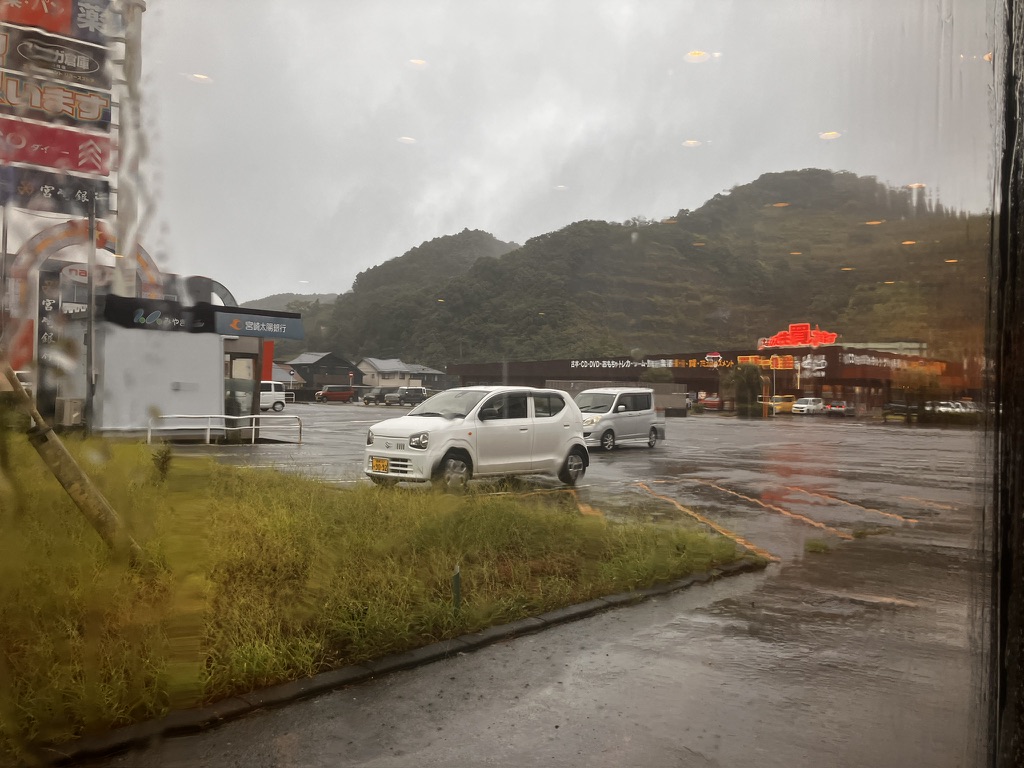
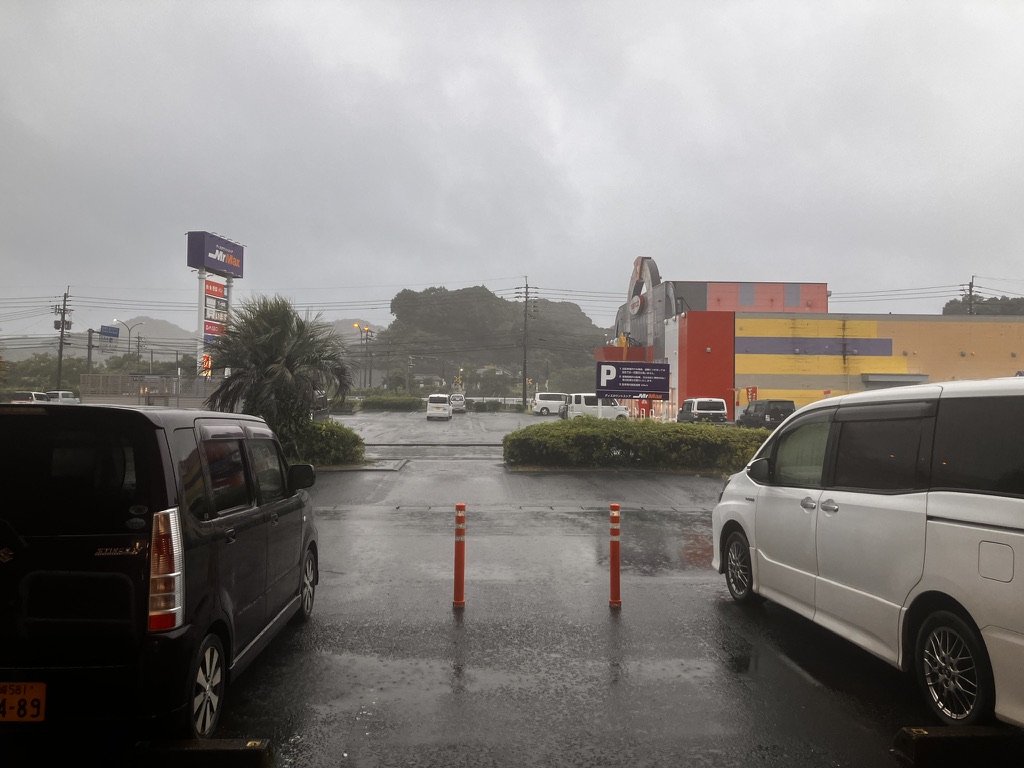
The weather was dreary,
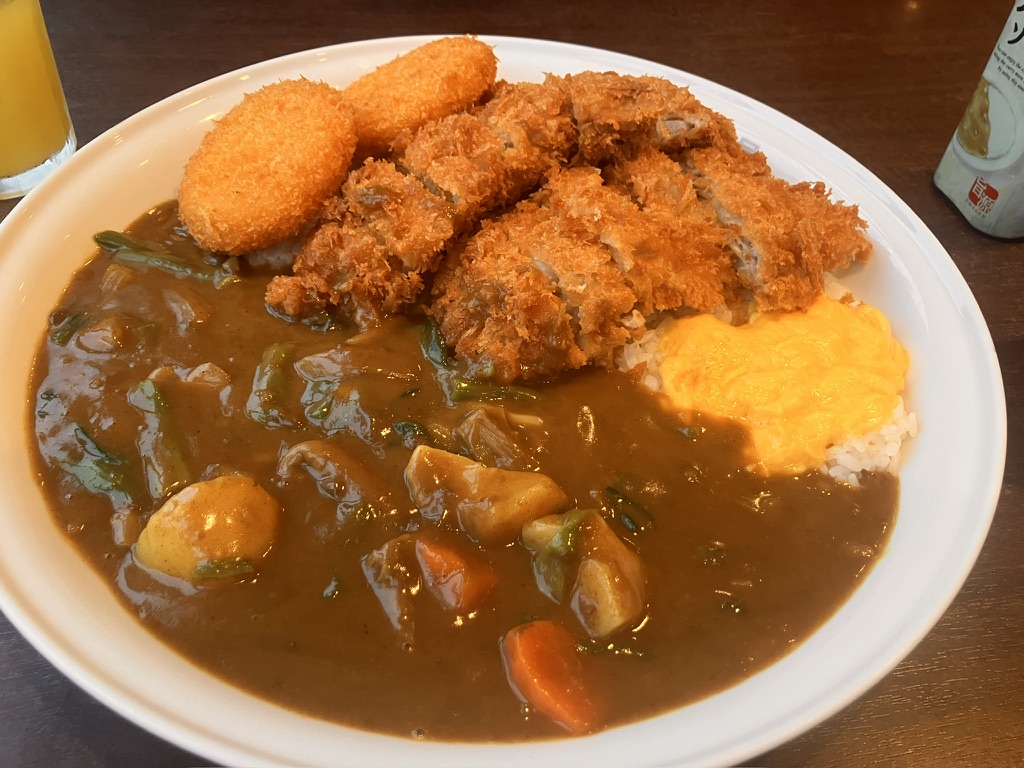
But the curry was fantastic!
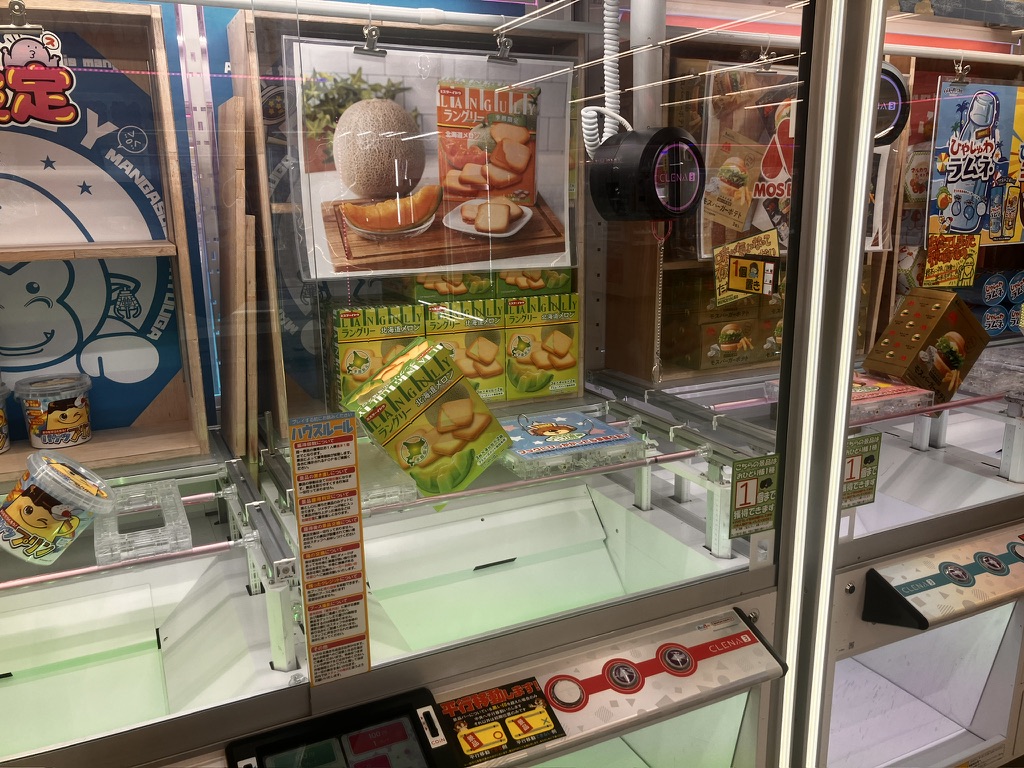
The second hand shop was hilarious. There was a big section for manga and action figures, plus a huge section of claw machines where you could ‘win’ things I’d probably just buy in a store. Victor said that this was how the Japanese teach kids that you have to work for things – you can’t just buy stuff (though I’m pretty sure he made that up).
There was a small section of second hand clothes, but everything was too small for either of us.
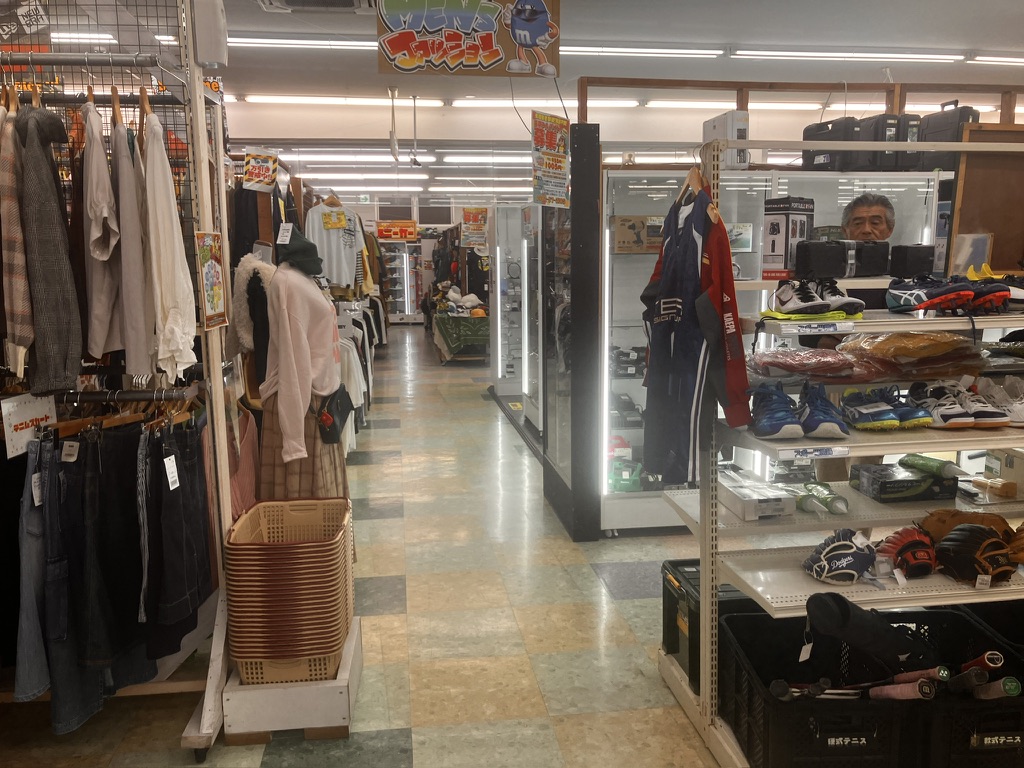
I love this local stuff. Victor wanted to find a magnet, but I was enchanted to be somewhere that didn’t sell magnets.
We explored the Daiso (a 100-yen store – like a Dollar store except everything is REALLY nice), then browsed the grocery store. I found my unsweetened almond milk, AND…
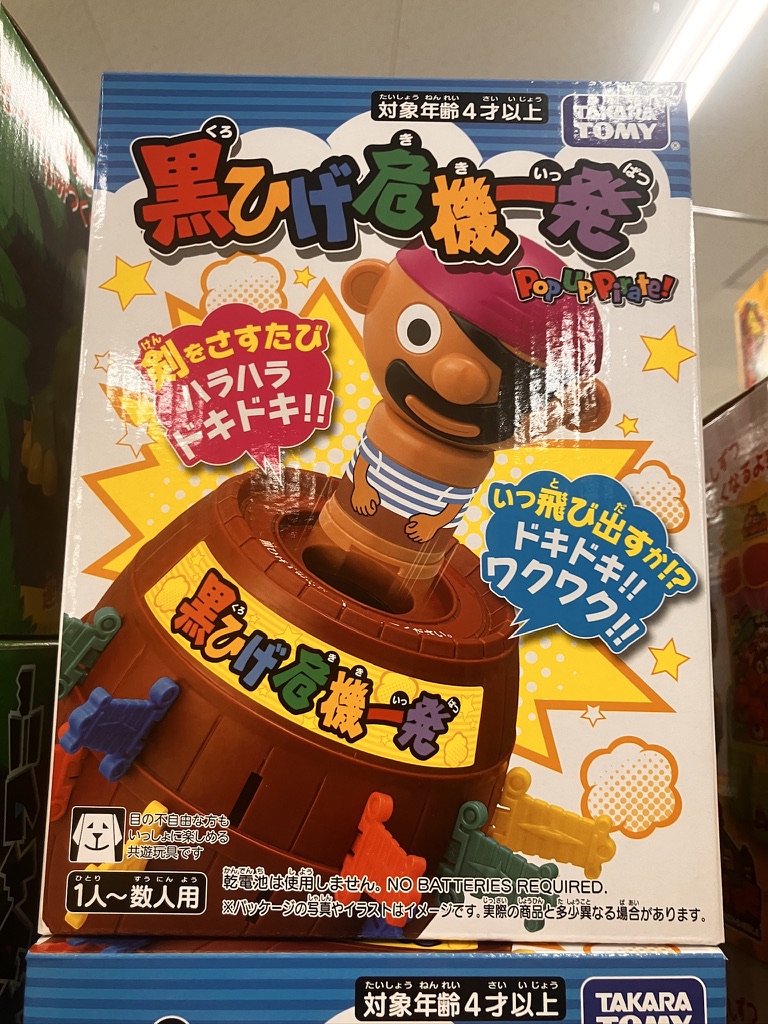
Last summer I became familiar with the theme song that plays on a loop in Don Quijote. It turns out other stores have their own theme songs. Neither Uber nor Go worked to call a taxi, so I used Google Translate to ask a store employee to call one for us (They insisted we wait for the taxi inside because of the weather. Later, in Vanuatu, without service or a ride sharing app, I used this same strategy, but that store employee couldn’t help us).
While we waited we listened to the store’s theme song about shopping, set to the tune of When the Saints Go Marching In (oh, come on friends, let’s go shopING…). Another store had a theme song to the tune of Yankee Doodle.
By the time we left the shopping center, our phones were pinging with flood warnings. Good thing we were on a ship- those things are designed to float!
I love the Japanese nightlife, so I’d planned to go back out in the evening, but it was so wet that I ended up staying in.
The next morning I was shocked to wake up to blue skies. The Safety Officer must have the world’s most accurate weather app! We did the drill outside and sweltered in the sun. After the drill, I was working when messages started coming in from Victor, Michele and Steven. They were all going out, did I want to join?
I said I couldn’t- I was IPM again and needed to get work done. So Victor found someone to cover my IPM.
Then plans changed – it was too hot for Steven and Michele (understandable- if it wasn’t raining, it was sweltering). Then Victor he had to go with Rodrigo (the Hotel Director), but I should go out anyway.
I’d planned to work, but how could I pass up an afternoon without rain in a place I hadn’t really visited before? Residents returning from the complimentary shuttle said the views were outstanding. I decided to ride the shuttle for an hour, then come back and finish my work.
When I arrived at the gangway, Victor and Rodrigo were there (with the Food & Beverage Director). Rodrigo asked what I was doing, and I said I was going to ride the shuttle around.
‘Why?!’ He asked.
Because I heard it was awesome.
He scoffed and insisted I come with them.
We went to a department store looking for a mixer – the one onboard had broken that morning. The department store did not have any mixers – we didn’t believe it until we saw a big empty shelf where the mixers should be. So we went next door to a hardware store (which also did not have mixers) and looked for some other things needed for the ship.
I thought it was hilarious that Rodrigo had pulled me off of the sightseeing shuttle so I could go shopping with them for things I had no additional expertise in.
Victor and I eventually parted ways with Rodrigo and F&B so we could find lunch.
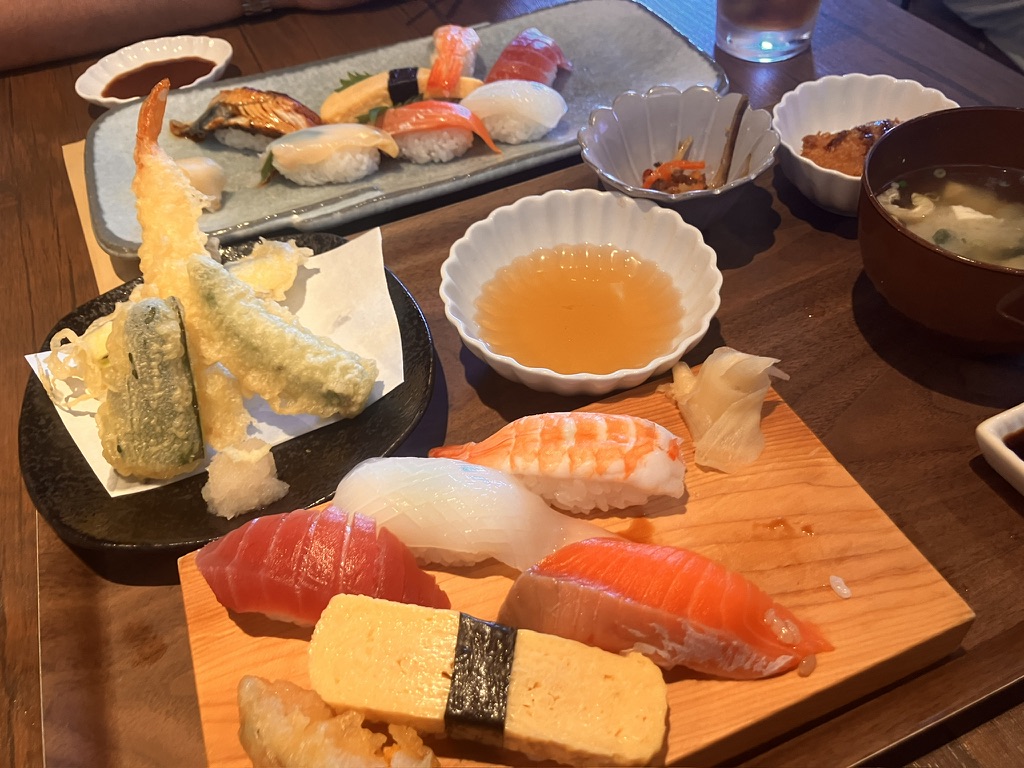
We found amazing sushi.
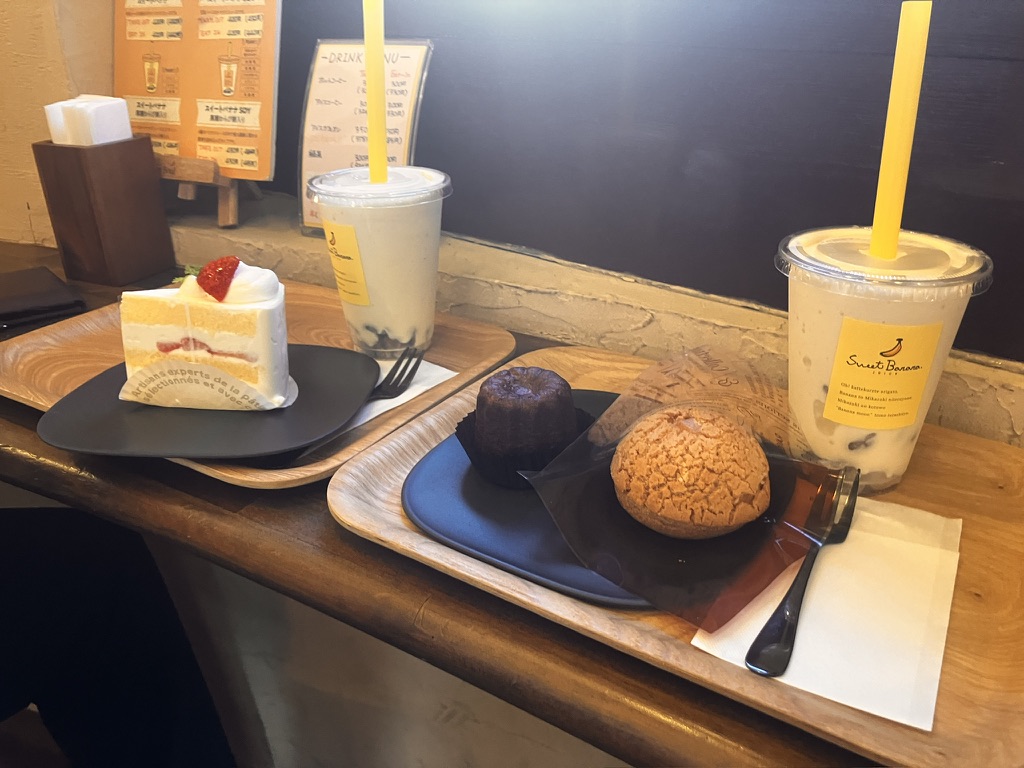
Then, while we were heading toward another shopping mall (still searching for the mixer), we discovered a pastry shop with banana boba smoothies and immaculate desserts.
Rodrigo called and asked Victor to stop by the hardware store again on the way back. I had a meeting scheduled with Rodrigo later, so Victor told him we could only go on the errand if my meeting could be postponed. No problem.
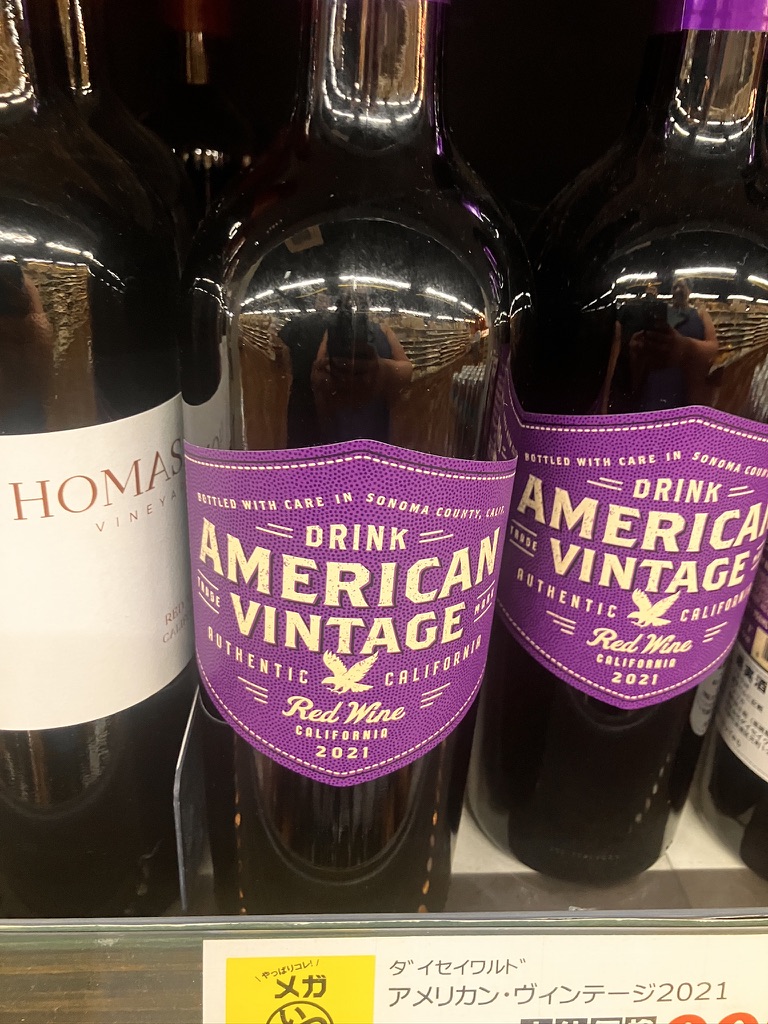
Then we were back at the hardware store- a Brazilian chef and an American entertainer-turned-destination presenter hunting for sealant in Japan.
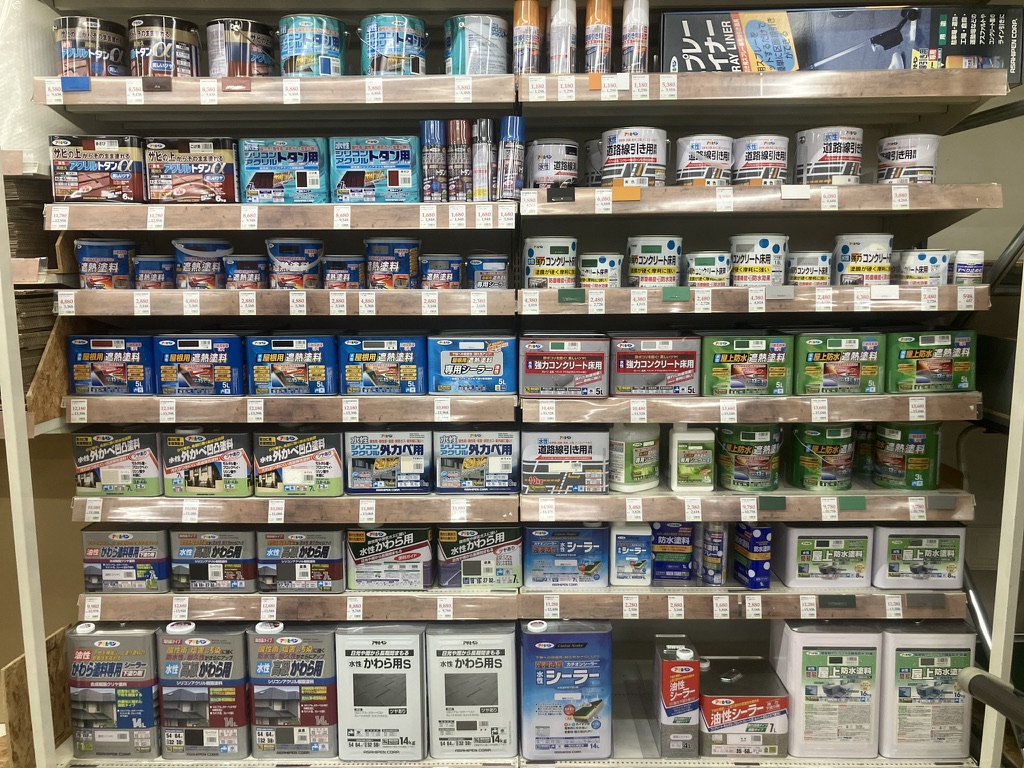
I had no idea what we were looking for. Victor had a slightly better idea. Using a combination of AI and Google Translate, we eventually figured out what the engineer on the ship needed. I couldn’t believe it.
I had a great time in Hososhima. I did nothing touristy, but I was completely entertained by my adventures. I’d love to return someday to see more of the beautiful scenery.
Otherwise, I now know how to find sealant in Japan.