
My views do not necessarily reflect the views of my employer.
August 21, 2025
I couldn’t remember what I’d done in Kochi when I first published this. We were there for two days and I have no pictures so I assumed I didn’t get off the ship. But when I was zhuzh-ing up my presentation for Princess (in May 2026), I saw the map of where we dock, and it all came back to me – of course I went to the brewery nearby!
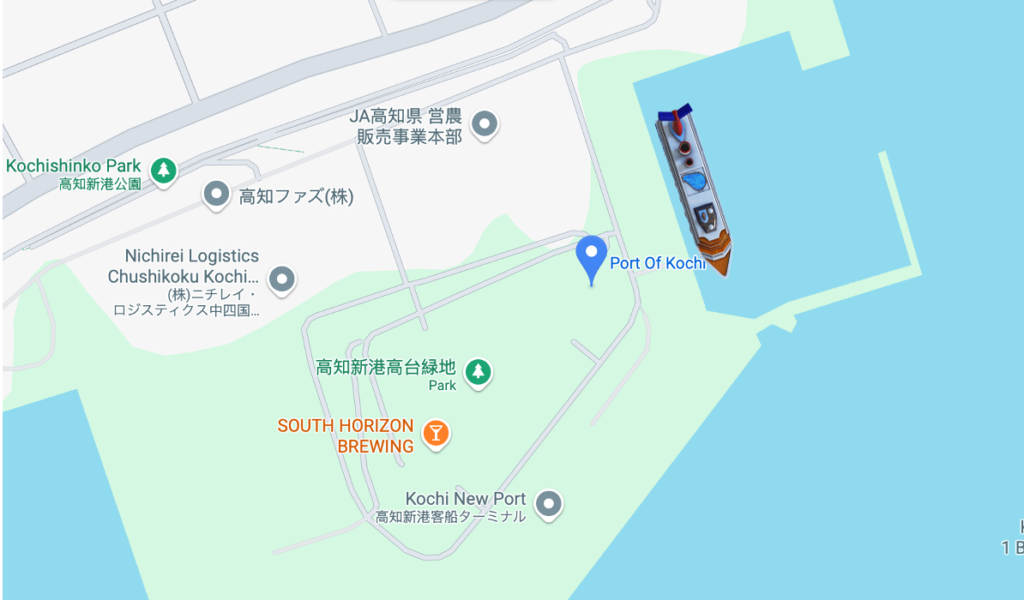
It may have not been a big enough deal to take a picture, but it is there in my mind’s eye.
If I go back, I want to see the iconic red bridge and the statue to a drunkard at the train station. It’s also one of my favorite port names.
Kochi, Japan
Nestled on the southern coast of Shikoku Island, Kochi is a laid-back city known for its samurai heritage, vibrant markets, and rich natural scenery. Surrounded by mountains, rivers, and the Pacific Ocean, it offers a slower pace of life, fresh local cuisine, and deep cultural traditions.
With a population of approx. 320,000 residents, Kochi is often called “The Land of the Sun” due to its high number of sunny days per year — one of the highest in Japan.
History:
Kochi, located on the southern coast of Shikoku Island, has a rich history shaped by samurai rule, maritime trade, and a strong connection to nature.
The area was originally known as Tosa Province and was ruled by the Chosokabe clan during the late Sengoku period (16th century). After the Battle of Sekigahara in 1600, the Tokugawa shogunate granted the territory to Yamauchi Kazutoyo, who established Kochi Castle as the political and cultural center of the region.
During the Edo period (1603–1868), Kochi flourished as an agricultural hub, especially for rice, citrus fruits, and bonito fishing. The port also played a key role in regional commerce and shipbuilding.
In the mid-19th century, Kochi became a cradle of political reform and modernization. Prominent figures such as Sakamoto Ryoma, a visionary samurai from Kochi, pushed for the end of feudal rule and the modernization of Japan, influencing the events that led to the Meiji Restoration in 1868.
Today, Kochi is known for its historic landmarks, vibrant festivals, and lush natural scenery, from pristine rivers to mountains, making it a destination that blends history with outdoor adventure.
Itinerary:
Arrival: Thursday, August 21 – 12:00 Noon (allow time for port clearance)
Departure: Friday, August 22 – All aboard 4:00 PM | Sail away 5:00 PM
Weather
- Average Temps: August highs around 31°C (88°F), lows around 25°C (77°F)
- Climate: Humid subtropical — hot, humid summers with high rainfall
- What to Wear: Light, breathable clothing; sunhat; sunscreen; comfortable walking shoes; pack an umbrella or light rain jacket for sudden showers
Near the Pier:
Kochi Cruise Ship Dock: Kochi Port Wharf No. 7-2
Address: 4704, Shinko, Niida, Kochi-city, Kochi, Japan
Address in Japanese: 高知県高知市仁井田新港4704
Port Hours: Open 08:00 / Close 22:00
Distance from ship to Town Center: ~18km
Nearby Essentials from Harimayabashi Bus Terminal
Pharmacy: Aju Medicals – 2-5 Honmachi, Kochi City, Kochi 780-0870
ATM: 7-Eleven Kochi Harimayabashi – 1-4 Harimayacho, Kochi City, Kochi 780-0822
Grocery/Snacks: Lawson Kochi Harimayacho – 1-9 Harimayacho, Kochi City, Kochi 780-0822
Supermarket: Ace One Tozu Store – 1-1 Tozucho, Kochi City, Kochi 780-8015
Public Market: Kochi City Central Public Market (Hirome Ichiba) – 2-3-1 Obiyamachi, Kochi City, Kochi 780-0841
Nearest Church: Nakajimacho Church – 3-7-1 Nakajimacho, Kochi City, Kochi 780-0062
Nearest Golf: Kochi Golf Club – 785 Ose, Ino-cho, Agawa-gun, Kochi 781-2118
Shopping: Don Quijote (Donki) – 7-1 Shinonome-cho, Kochi City, Kochi 781-0805
Getting Around:
🚶 Walking: Not practical from the pier to downtown (18 km), but once in the city center, most attractions are easily explored on foot.
🚌 Public Transit: Tosaden Kotsu buses (~¥540) run from Harimayabashi Bus Terminal to key attractions. The My-Yu Bus is a convenient tourist service that connects major sights and local trams.
- Tourist Pass: Available at the JR Kochi Station Tourist Information Office. ¥1,000 for locals, but only ¥500 (~US$4.50) for foreign visitors with passport.
🚖 Taxis: Taxi stand available at the pier. Fare to the city center is approximately ¥3,500.
🚴 Bike Rentals: Available near the city center (not typically near the pier).
🚗 Car Rentals: Agencies located in the city center and near Kochi Station; advance reservations recommended.
🚍 Complimentary Port Shuttle
Aug 21: First shuttle departs port 13:00 / Last shuttle from Harimayabashi 17:30
Aug 22: First shuttle departs port 09:00 / Last shuttle from Harimayabashi 16:30
Travel Time: ~1 hour each way between Kochi Port and Harimayabashi Bus Terminal.
Witnessing:
Kochi Castle –One of Japan’s few original castles that survived both natural disasters and wars, Kochi Castle was first constructed between 1601 and 1611 by Lord Yamauchi Kazutoyo. It is unique for having all its original buildings within the inner citadel intact — including the main keep, gates, and storehouses.
Standing proudly on Otakasaka Hill, the castle offers panoramic views of Kochi City and is especially stunning during cherry blossom season. Inside, the castle functions as a museum showcasing samurai artifacts, historical documents, and displays on Kochi’s feudal history.
Visitor Information:
- Opening Hours: 9:00 AM – 5:00 PM (last entry at 4:30 PM)
- Admission: ¥420 (adults), free for children
- Distance from Shuttle Drop-off: ~10–15 minutes on foot from Harimayabashi bus terminal
- Best Time to Visit: Morning for fewer crowds, or late afternoon for softer light on the castle’s white walls.
Fun Fact: Kochi Castle is the only castle in Japan where the main keep served both as a defensive stronghold and the residence of the lord.
Makino Botanical Garden Located on the slopes of Mount Godaisan, the Makino Botanical Garden is one of Kochi’s most beautiful attractions, dedicated to the life and work of renowned Japanese botanist Tomitaro Makino. Opened in 1958, the garden spans over 40 acres and features more than 3,000 plant species from Kochi Prefecture, Japan, and around the world.
Visitors can stroll through themed gardens, greenhouses, and forest trails, as well as explore the Makino Memorial Hall, which houses exhibits about Makino’s pioneering research and botanical illustrations. Seasonal flowers ensure the garden is stunning year-round, from cherry blossoms in spring to vivid camellias in winter.
- Opening Hours: 9:00 AM – 5:00 PM (Closed Dec 27 – Jan 1)
- Admission: ¥730 adults, ¥630 seniors (65+)
- Access: About 20 minutes by bus from Harimayabashi or Kochi Station.
Katsurahama Beach (桂浜 – Katsurahama) is one of Kochi’s most scenic coastal spots, famous for its sweeping views of the Pacific Ocean, crescent-shaped sandy shore, and its association with Sakamoto Ryōma, one of Japan’s most beloved historical figures.
Swimming is prohibited here due to strong currents, but it’s a fantastic place for walking along the shore, enjoying the sea breeze, and photographing the dramatic scenery—especially at sunrise or sunset. The beach is also home to the Sakamoto Ryōma Statue, a towering bronze monument honoring the 19th-century samurai and reformer.
Nearby attractions include the Katsurahama Aquarium and the Kochi Prefectural Sakamoto Ryōma Memorial Museum, both within walking distance from the beach.
- Access: About 30 minutes by bus from Kochi Station.
Learning:
Katsurahama Aquarium (桂浜水族館 – Katsurahama Suizokukan): Located right next to Katsurahama Beach, the Katsurahama Aquarium is a charming, family-friendly attraction that offers a mix of marine life exhibits and quirky animal encounters. Opened in 1931, it’s one of Japan’s smaller aquariums, but it has a warm, nostalgic feel and focuses on close-up interactions.
Highlights:
- Sea Creatures: See sea turtles, penguins, seals, otters, and colorful tropical fish.
- Interactive Feeding: Guests can feed animals like penguins, sea turtles, and fish at scheduled times throughout the day.
- Local Marine Life: Displays highlight the sea creatures native to Kochi and the Pacific waters nearby.
- Outdoor Tanks & Ocean View: The aquarium is partially outdoors, so you can enjoy ocean breezes while exploring.
Visitor Info:
- Hours: 9:00 AM – 5:00 PM (last entry 4:30 PM)
- Admission: Adults ¥1,500; Children ¥750; Seniors ~¥1,200 (check for discounts).
- Access: About 30 minutes by bus from Kochi Station (same bus route as Katsurahama Beach).
Kochi Prefectural Sakamoto Ryōma Memorial Museum (高知県立坂本龍馬記念館) This modern, glass-fronted museum is dedicated to Sakamoto Ryōma (1836–1867), one of Kochi’s most celebrated historical figures and a visionary samurai who played a key role in the events leading to the Meiji Restoration.
Highlights:
- Life & Legacy Exhibits: Learn about Ryōma’s early life in Kochi, his role in modernizing Japan, and his dream of uniting the country.
- Artifacts: Personal belongings, letters, photographs, and weapons from the late Edo period.
- Panoramic Views: The museum sits on a hill overlooking Katsurahama Beach and the Pacific Ocean, making it as much a scenic stop as a cultural one.
- Multilingual Displays: Some exhibits are in English, making it easier for international visitors to understand Ryōma’s importance in Japanese history.
- Interactive Elements: Short videos and digital displays bring the historical events to life.
Visitor Info:
- Hours: 9:00 AM – 5:00 PM (last entry 4:30 PM)
- Admission: Adults ¥500; Seniors ~¥400; High school students and younger free
- Access: About 30 minutes by bus from Kochi Station (same route as Katsurahama Beach & Aquarium)
Kochi Castle Museum of History – Exhibits on the Tosa Domain, samurai culture, and Kochi’s role in the Meiji Restoration. Kōchi Castle Museum of History will be showcasing a special exhibition, along with its permanent displays. The current special exhibit—“Because There Was No Money: Domain Notes & Private Currency of Tosa and Shikoku”
Admission & Ticketing:
- During special exhibitions: Adults (18+) – ¥800
- Combo ticket with Kochi Castle:
- ¥1,040 during special exhibitions (saves ¥200)
- ¥800 otherwise (saves ¥200)
Opening Hours: Monday–Saturday: 9:00 AM – 6:00 PM (last entry 30 minutes before closing)
Tosa Washi Papermaking (Ino-cho Paper Museum & Tosa Washi Kogei Mura QRAUD)
Tosa Washi is a century-old craft of handmade Japanese paper famous for its thinness, strength, and beauty. It’s one of Japan’s most enduring traditional arts.
- Ino-cho Paper Museum (いの町紙の博物館): Opened in 1985 to showcase the history and making of Tosa Washi. Visitors can try a papermaking workshop—no reservation needed for groups under 10.
- Hours: 9:00 AM – 5:00 PM
- Admission: ¥500; Papermaking workshop: ¥900
- Tosa Washi Kogei Mura QRAUD: A craft activity center and Michi-no-Eki hub near the picturesque Niyodo River. Offers hands-on papermaking (postcards, fans, dyeing), plus local food stalls, a gallery, and optional riverside experiences like canoeing.
- Hours: 9:00 AM – 5:00 PM
- Workshops: Postcard ~¥400 (40 min), Fan ~¥1,000 (40 min); dyeing from ¥400
Discovery:
Godaisan Observatory Perched high on Mount Godaisan, this scenic viewpoint offers sweeping panoramas of Kochi City, Urado Bay, and the surrounding mountains. It’s especially beautiful at sunset, when the city lights begin to twinkle below.
The observatory is located near the Makino Botanical Garden and Chikurin-ji Temple, making it easy to combine all three into a half-day outing. On clear days, you can see as far as the Pacific Ocean, and the peaceful setting makes it a great escape from the bustle of downtown.
Hiking Options:
- Godaisan Walking Trail – A pleasant, moderate trail linking Chikurin-ji Temple, the observatory, and Makino Botanical Garden. Well-marked, with gentle slopes and forested paths.
- Mount Godaisan Loop – For a longer walk, continue beyond the observatory to explore wooded trails around the mountain. Expect some steeper sections but rewarding views.
- Urban-to-Mountain Hike – Adventurous walkers can start from central Kochi and ascend via local streets and side paths to the top (about 1.5–2 hours).
Getting There:
- By car/taxi: About 20 minutes from Kochi Station.
- By bus: Tosaden Kotsu buses from Harimayabashi Bus Terminal stop nearby.
Chikurin-ji Temple: One of Kochi’s most important temples, Chikurin-ji is the 31st stop on the Shikoku 88 Temple Pilgrimage and is famed for its serene gardens and striking five-story pagoda. Founded in the early 8th century by the Buddhist monk Gyōki, it has long been a place of spiritual reflection.
The temple grounds feature a mix of mossy stone steps, historic halls, and peaceful walking paths shaded by cedar and maple trees—particularly stunning in autumn. Inside, you can view important cultural treasures and Buddhist statues.
Located on Mount Godaisan, Chikurin-ji pairs perfectly with nearby attractions like the Makino Botanical Garden and Godaisan Observatory.
Getting There:
- By car/taxi: Around 20 minutes from Kochi Station.
- By bus: Tosaden Kotsu buses from Harimayabashi Bus Terminal stop nearby.
Tip: If you enjoy temple stamping, don’t forget to bring or purchase a nokyocho (temple stamp book) to collect Chikurin-ji’s distinctive red seal.
Hidden Gems:
Berobero no Kamisama – This extremely naked God of Drunkards welcomes visitors to Kochi Station
Tsurinune Shrine – At the “fishing boat shrine,” an offering is said to help ward off fevers
Sawada Mansion – Though technically an illegal structure, this electric DIY apartment complex is beloved by its residents (1 mile from Kochi)
Ioke Cave – Over 40 species of fern cover the canyone walls of this lush green bowl, cut off from the bustle of the world by a cave entrance. (23 miles from Kochi)
Harimayabashi Bridge: A small but iconic red bridge tied to a local love story.
Yosakoi Inari Shrine – Tucked away just a short stroll from Kochi Castle, this charming little shrine is a true hidden gem you won’t see in most guidebooks. What sets it apart? Chickens—lots of them! 🐓
The shrine is dedicated to the rooster, a sacred animal in Shinto mythology, and you’ll spot them everywhere: in statues, carvings, and decorative motifs. But the real stars are the live residents—free-ranging chickens who wander the grounds, scratching around and keeping watch over their territory.
Harimayabashi Bridge One of Kochi City’s most recognizable landmarks, Harimayabashi is a small red bridge with an outsized reputation. While it’s not visually grand—and is now rarely crossed since the main pedestrian path runs just meters away—it’s famous thanks to a local 19th-century legend.
According to the story, a Buddhist monk fell in love with a woman, which was strictly forbidden at the time. The couple was caught meeting at this very bridge and subsequently banished, making Harimayabashi a bittersweet symbol of love and loss.
Across the street, you’ll find a charming mechanical clock, which springs to life at the top of every hour with an elaborate display of sound and movement—a more modern attraction worth pausing to watch.
Nightlife Nearby:
The Harimayabashi area is one of Kochi’s liveliest evening spots, with izakayas, karaoke lounges, and small barstucked into the surrounding streets. You’ll also find the entrance to Hirome Ichiba, a bustling food market hall that transforms into a casual nightlife hub after dark, where locals and visitors share long communal tables over fresh seafood, yakitori, and local sake.
Nightlife:
- Hirome Ichiba: Casual drinks and food stalls in a bustling indoor market.
- Harimayabashi area: Small bars, izakayas, and karaoke lounges.
- Riverside cafes: Some with live music, especially in summer months.
Tasting:
Hirome Ichiba Market: Food court-style market with dozens of stalls offering local dishes and a lively atmosphere.
Katsuo no Tataki: Seared bonito, Kochi’s signature dish, often prepared over burning straw for a smoky flavor.
Hat bread: This hat-shaped bread was created in Kochi. The top part of the hat is soft, and the brim is crispy, sweet sponge cake. It is available at most bakeries in kochi.
Inakazushi (sushi from the countryside) This healthy dish is made with fresh, seasonal ingredients. These ingredients change based on the region and season, but they include many local vegetables such as bamboo shoots and shiitake mushrooms.
Fruits Some famous Kochi citrus fruits are buntan(pomelo), konatsu orange, and ponkan (Chinesehoney orange).They are bright yellow, juicy, and sweet.
Imo Kenpi (sweet potato sticks)This snack is made by frying sweetpotatoes and sprinkling them withsugar. They are crisp and sweet andhave a taste you won’t ever get tiredof.
Aisukurin (derived from ice cream) Aisukurin, a Kochi specialty, has a texture between ice cream and sherbet. It has a low fat content and a pleasant aftertaste. It is popular for its old and familiar flavor, and it is often sold at tourist spots like Katsurahama.
Sake: Local breweries produce distinctive, dry-style sake.
Irish Pub: No major Irish pub in Kochi city center, but a few Western-style bars and cafes serve Guinness and imports.