
My views do not necessarily reflect the views of my employer.
August 9, 2025
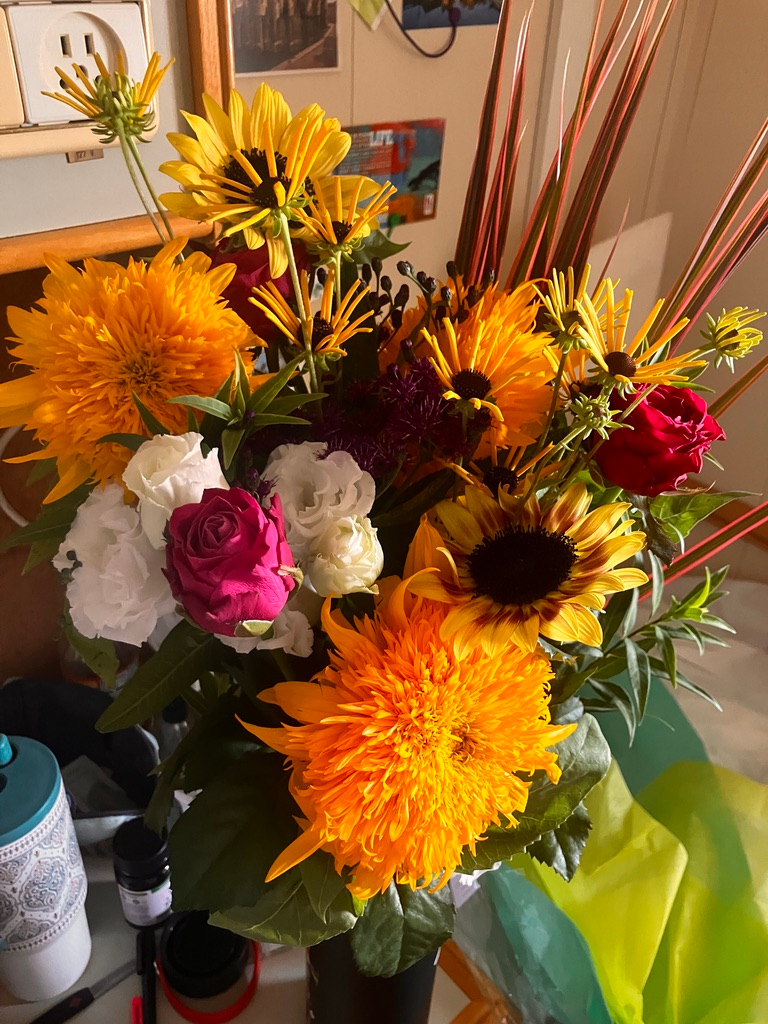
We were gifted these beautiful flowers during the plaque exchange- it was the first time Villa Vie Odyssey had visited Sendai- and the Hotel Director passed the flowers on to me to enjoy.
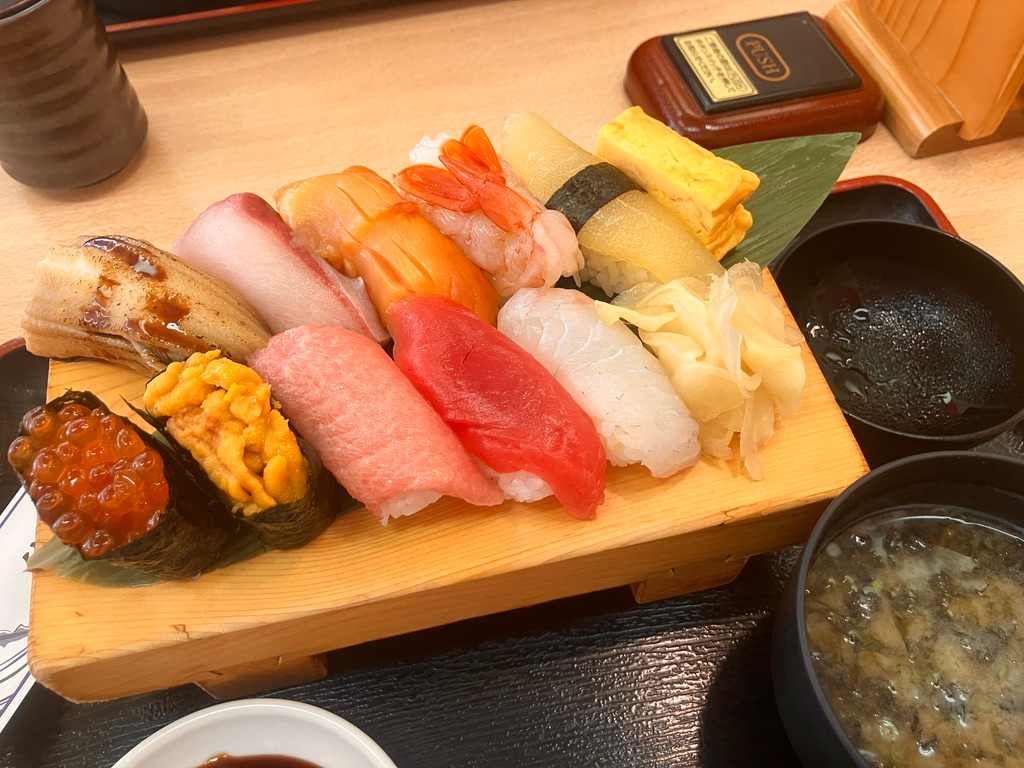
After Victor finished the next day’s menus, we jumped in a cab and headed to the mall – it seemed like the best way to spend the afternoon with limited time. The food court was crawling with residents so we opted for a sushi restaurant where we could talk freely.
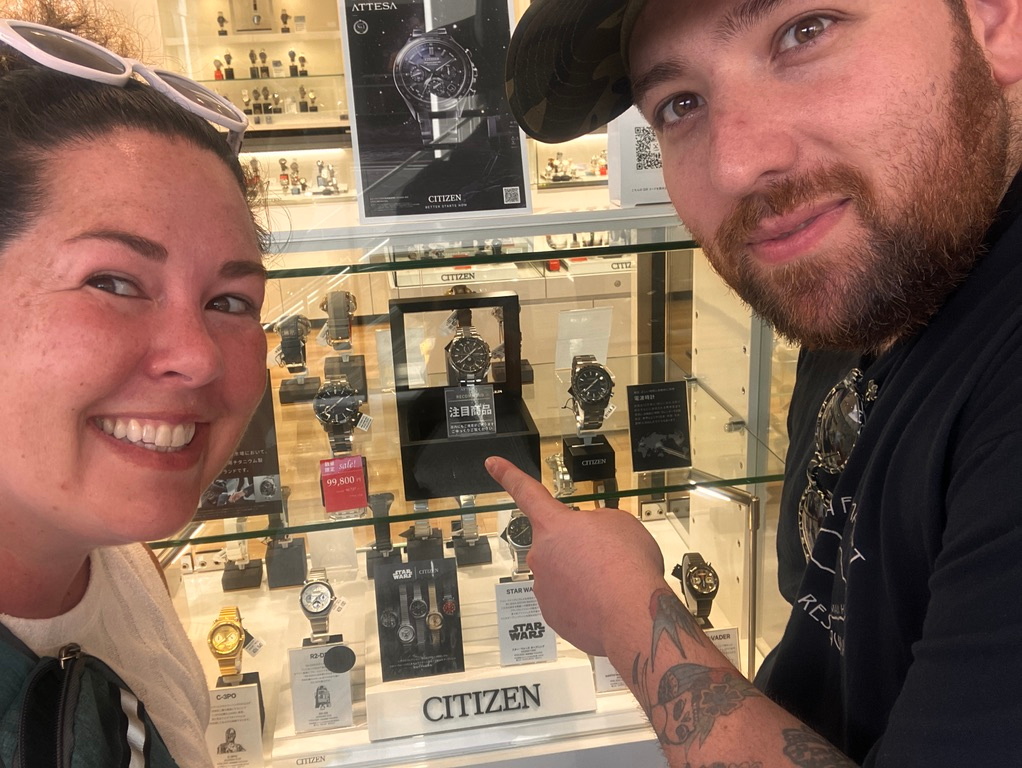
The owners were about to come onboard, so the ship needed to be fully stocked with Red Bull. We asked our taxi driver to stop at a kombini, where Victor picked up every can they had. Mission Accomplished -we headed back to the ship.
Sendai, Japan
Sendai, the largest city in the Tōhoku region of northern Honshu, is a green, cosmopolitan city known for its tree-lined boulevards, samurai heritage, and vibrant local culture. Nicknamed the “City of Trees,” Sendai blends modern amenities with a deep connection to nature and history. From the legacy of legendary feudal lord Date Masamune to thriving shopping arcades and culinary delights like gyūtan (grilled beef tongue), Sendai offers a well-balanced, welcoming introduction to northeastern Japan.
Home to over 1 million people, Sendai is a major economic and cultural center. It serves as a convenient base for exploring nearby hot springs, mountains, and coastal areas, including the scenic Matsushima Bay.
Sendai itself is not a UNESCO World Heritage Site, but nearby Hiraizumi (about 1.5 hours away) is designated for its historic Pure Land Buddhist temples and gardens.
History:
Sendai’s story begins in 1600, when the powerful samurai lord Date Masamune founded the city as the political and military center of his domain. A visionary leader and patron of the arts, Masamune built Sendai Castle (Aoba Castle) and laid out the city in a strategic, orderly design.
During the Edo period, Sendai flourished under the Date clan’s rule, becoming a prosperous regional capital. Its strategic location near the Pacific coast and abundant river systems supported agriculture, trade, and transport.
In the modern era, Sendai transitioned into a key urban hub in Tōhoku, with the establishment of Tohoku University in 1907 and later the development of industry and infrastructure.
On March 11, 2011, Sendai was heavily affected by the Great East Japan Earthquake and subsequent tsunami. Though the city center escaped major damage, coastal areas were devastated. Sendai has since undergone significant rebuilding and is now a symbol of resilience, innovation, and community strength.
Itinerary:
Arrival: Saturday August 9 10:30am
Departure: Saturday August 9 All aboard: 5:00pm Sail away: 6:00pm
Weather
- Average Temps (August): Highs around 82°F (28°C); lows around 70°F (21°C)
- Climate: Warm and humid, with potential for afternoon showers
- What to Wear: Lightweight, breathable clothing; sun protection; and a light rain jacket. Comfortable walking shoes recommended.
Near the Pier:
Cruise Ship Dock: Takamatsu No. 2 Pier
Address: Near 4-249 Minato, Miyagino-ku, Sendai City, Miyagi Prefecture
🚢 クルーズ船の発着所:高松第2埠頭
住所:宮城県仙台市宮城野区港4丁目249付近
Distance from Ship to port gate: 200m
💴 Currency: Japanese Yen
💵 Carry cash; not all vendors accept cards. Use 7Bank, JP Post, or Lawson ATMs for international withdrawals.
Getting Around:
🚆 Train: JR Senseki Line connects nearby ports to Sendai Station in ~30 minutes.
🚖 Taxis: Readily available; cards may not be accepted—carry cash. Taking a taxi from the Sendai Cruise Port (Takamatsu Pier) to JR Sendai Station typically costs around ¥4,500–¥6,000 (approx. $30–$40 USD) depending on traffic. Time: Approximately 30–45 minutes.
Not all drivers speak English, so it’s helpful to show your destination written in Japanese: For example: 仙台駅 (Sendai Eki)
🚌 Subway & Bus: Sendai has two subway lines and a well-connected bus system.
🚶 Walking: Downtown Sendai is compact, especially around the station and shopping arcades.
🚴 Bike Rentals: Available near Sendai Station and in city parks.
🚌 Loople Sendai: A convenient sightseeing bus connecting major attractions; day passes (620 yen)available. Bus every 20 minutes
https://www.mlit.go.jp/kankocho/cruise/detail/110/index.html
Nearby Essentials
- Pharmacy: Tsuruha Drug (at Sendai Station or Mitsui Outlet Park)
- ATM: 7-Eleven (with 7Bank ATM that accepts international cards) at Mitsui Outlet Park Sendai Port, a 10-minute walk from the pier
- Grocery/Snacks: Lawson convenience store next to the outlet mall
- Nearest Church: Sendai Catholic Church – 6-16 Kasugamachi, about 30 minutes by taxi
- Nearest Golf: Sendai Hills Golf Club – ~30 minutes by car
Mitsui Outlet Park Sendai Port: Located along Sendai’s waterfront, Mitsui Outlet Park is the largest outlet mall in the Tohoku region. It houses 120 shopsfeaturing domestic and international fashion, accessories, food, souvenirs, and local crafts—all at discounted prices. A signature highlight is the 50-meter Ferris wheel, providing panoramic views of the port and city skyline.
Hours & Amenities
- Shops open: 10:00 AM – 8:00 PM
- Food court and restaurants: 10:30 AM – 8:00 PM (last orders typically around 7:30 PM)
Getting There:
- Approx. 4 km / 2.5 miles Estimated fare: ¥1,500–2,000
- Travel time: ~10–15 minutes by taxi or shuttle
https://mitsui-shopping-park.com/en/mop/sendai/index.html
Umino‑Mori Aquarium
Opened in 2015, Sendai Umino‑Mori Aquarium is Tōhoku’s flagship marine conservation and entertainment center, located near Sendai Port. Its spectacular 14 m × 7.5 m “Sparkling of Life” tank features 30,000 marine animals (≈50 species) from the Sanriku coast. Enjoy dynamic outdoor shows with dolphins, sea lions, and seabirds in the Umino‑Mori Stadium—Tohoku’s largest, with no barrier between animals and spectators. Interactive experiences include penguin feeding, seal encounter sessions, jellyfish displays, hands-on tide pool areas, and a behind‑the‑scenes “Stadium Backyard Tour”. The aquarium underscores the link between humans and the sea, spotlighting regional marine life, oyster farming, and environmental education.
| 🕒 Hours | 9 :00 am – 5 :30 pm (last entry 5 :00 pm) |
| 🎟️ Admission | Adults ¥2,400; Seniors 65+ ¥1,800; Students (12–18) ¥1,700; Children (6–12) ¥1,200; Preschool (4–5) ¥700 |
| 🚗 Access | JR Senseki Line → Nakanosakae Station, then ~15‑min walk or 7‑min ¥160 shuttle bus; subways and Miyako bus options also available |
Witnessing:
Osaki Hachimangu Shrine: Located in Aoba Ward, this early-17th-century shrine was commissioned by the famed samurai leader Date Masamune and stands as a National Treasure of Japan. Celebrated for its lavish Azuchi-Momoyama architecture, the ornate wood carvings, gold leaf, and black lacquer echo the aesthetic of Masamune’s armor. Its honden and haiden are connected under one majestic roof, featuring elaborate brackets, gilded cranes, dragons, phoenixes, tigers, and celestial motifs.
Visitors approach via a grand stairway lined with lanterns and three torii gates, reflecting the shrine’s historic role as Sendai’s western gateway. It remains a living religious site—hosting ceremonies like year-end cleansing fires, weddings, and festivals, including the famous Matsutaki Dondosai fire ritual every January.
Hours & Admission: Open daily; grounds accessible anytime, reception for prayer services and shrine stamps from 9 am to 5 pm (some sources list until 4 pm). Admission is free.
Access: Approximately 15 minutes by bus (#10 or 15) from JR Sendai Station, alighting at Osaki Hachimangū-mae. Alternatively, a 15-minute walk from Kunimi Station on the Senzan Line.
| Zuihoden Mausoleum: This stunning mausoleum complex in Sendai serves as the final resting place of Date Masamune, the influential samurai lord who founded the Sendai Domain, along with his successors including Date Tadamune and Date Tsunamune . Originally built in 1637 in a Momoyama-style pavilion, it was designated a National Treasure in 1931. Although the original structures were destroyed during World War II, they were meticulously reconstructed in the 1970s and 1980s to their original ornate appearance, with richly colored carvings, gold leaf, and black lacquer. Hours: 9am to 4:30pm Admission Fees: Adults (incl. university students): ¥570 Getting There Take the Loople Sendai sightseeing bus from JR Sendai Station to stop #4, Zuihōden-mae, then walk ~5 minutes.Alternatively, Sendai City bus #705 or Miyagi Kotsu buses to Otamayahiashi stop.About a 15–20 minute walk from Omachi Nishi-kuen Station (Tozai subway line). |
Sendai Castle Ruins (Aoba Castle): Perched atop Mount Aoba, the site of Sendai Castle—also known as Aoba Castle—offers a historical and panoramic highlight of Sendai. Originally built in 1600 by Date Masamune, the powerful feudal lord of the Sendai Domain, the castle remained a center of power for over 260 years before being largely destroyed over time by fires, earthquakes, and wartime air raids.
Today the site is a hilltop park featuring portions of original stone walls, a reconstructed guard tower (Wakiyagura), and a majestic equestrian statue of Masamune overlooking the modern city—a popular photo spot. The park also houses the Aoba Castle Museum and Exhibition Hall, where visitors can explore artifacts, dioramas, and VR experiences that reconstruct the castle’s former layout and layout of the Date clan’s fortress.
| Hours: | Park area open year‑round; Museum open 9 am–5 pm |
| Admission: | Free to explore ruins; Museum admission ~¥700 for adults, ¥500 for students, ¥300 for children |
| Access: | Loople Sendai Sightseeing Bus to “Site of Sendai Castle” stop (~23 min from JR Sendai Station, fare ~¥260) |
Learning:
Sendai City Museum: Situated in the former Sannomaru (third bailey) of Sendai Castle, the Sendai City Museum offers a deep dive into the history and heritage of the Date clan—the founding samurai family of Sendai—and the wider Tōhoku region. The museum displays prized artifacts, including Date Masamune’s famed black-lacquer armor and items from Hasekura Tsunenaga’s mission to Rome, several of which are designated UNESCO Memory of the World items.
Tohoku University Botanical Garden: Nestled on the slopes of Aobayama in Sendai, this expansive garden was established in 1958 by Tohoku University for botanical education and research and designated a Natural Monument in 1972. It spans roughly 490,000 m², blending preserved mountain forest with manicured gardens that showcase more than 800 plant species—including alpine plants, irises, peonies, conifers, and rare medicinal flora.
Visitors can stroll through themed zones like the Rock Garden and wetland marsh, view plant specimens and mounted native animals in the on-site research building, and discover remnants of Sendai Castle historic ruins scattered throughout
Hours: 9:00 am – 5:00 pm. Admission: Adults: ¥230
How to get there: From Sendai Stn: 🚌 Loople Bus + short walk
or Subway to “Kawauchi”
3.11 Memorial: Located inside Arai Station on the Sendai Subway Tozai Line, this memorial center opened in February 2016 to document the impact of the March 2011 earthquake and tsunami on Sendai’s coastal communities. The first floor features a 3D topographic map alongside books and slideshows. The second floor hosts a permanent exhibition of recovery photographs, timelines, and community stories. A third-floor rooftop garden serves both as an event space and reflective retreat. The center’s aim is to preserve lessons learned and inspire disaster preparedness for future generations.
Hours: 10:00 am – 5:00 pm Admission: Free
Access: Directly connected to Sendai Municipal Subway Tozai Line at Arai Station
Sendai Mediatheque: Designed by Toyo Ito and completed in 2001, the Sendai Mediatheque is a modern cultural hub along Jōzenji‑dōri Avenue. The striking glass-and-steel structure spans seven floors and houses the public library, multimedia gallery, theater, cinema, café, and event spaces—featuring a forest of 13 slender steel “tubes” that support the building with no interior pillars. The open design blurs boundaries between indoor and outdoor space, making it feel like an extension of the surrounding city. Awarded “Best Building in East Asia” in 2002, it also hosts rotating art exhibits and the ongoing 3.11 remembrance project.
Access: ~6-minute walk from Kotodai‑kōen Station (Nanboku Line); Loople Sendai bus stop #13
Discovery:
Jozenji-dori Avenue: A lush, tree‑lined boulevard in the heart of Sendai, Jōzenji‑dōri stretches about 700 meters east to west through the city center, earning Sendai its nickname, the “City of Trees”. Majestic zelkova trees line both sides and a central promenade—providing canopy shade in summer, striking golden foliage in autumn, and festive winter illumination. The avenue is particularly famous for seasonal events such as the dazzling December Sendai Pageant of Starlight, when hundreds of thousands of lights illuminate the trees.
Along the streets and promenade are cafés, galleries, boutiques, and sculptures—such as Emilio Greco’s Memories of Summer—making it perfect for leisurely wandering and discovery. Iconic landmarks like Sendai Mediatheque also line the route, combining modern design with cultural spaces.
Shopping Arcades: Downtown Sendai features covered arcades like Clis Road and Ichibancho with food, fashion, and souvenirs. Sendai’s vibrant covered shopping arcades are one of the city’s best-kept secrets and a favorite among locals and visitors alike. These pedestrian-friendly streets, are connected, forming a continuous, weatherproof shopping corridor connect directly to JR Sendai Station.
- Clis Road (クリスロード)
- Trendy boutiques, bookstores, drugstores, and souvenir shops
- Access via the west exit of Sendai Station
- Ichibancho Arcade (一番町商店街)
- One of the oldest arcades in the Tohoku region
- Great for local fashion, cafes, and department stores
- Marble Road Omachi (マーブルロードおおまち)
- Upscale brands, beauty shops, and pop-up events
- Covered walkway makes it ideal for rainy days
Rinnoji Temple, located in the hills west of central Sendai, is one of the city’s most prominent Buddhist temples and a serene retreat from the urban bustle. Founded in 1441, it was later revived by Date Masamune, the powerful daimyo who founded Sendai. The temple belongs to the Tendai sect and serves as a spiritual center of the region.
Location:
- Address: 1-14-1 Kitayama, Aoba Ward, Sendai, Miyagi 981-0931
- Access: ~10-minute walk from Kitayama Station (Namboku Subway Line), or ~15–20 minutes by taxi from Sendai Station
Hiking
- Futakuchi Gorge Trail: Accessible via Akiu area; features scenic river views and waterfalls
- Aobayama Park Trails: Short trails with views of Sendai and castle remains
- Mt. Izumigatake: More challenging day hike with panoramic views; ~1 hour drive from city
Exploring:
- Matsushima Bay (40 min from Sendai): Known as one of Japan’s “Three Most Scenic Views,” dotted with pine-covered islets and accessible by sightseeing cruises.
- Akiu Great Falls & Hot Springs: Picturesque 55-meter waterfall and nearby onsen resorts—great for day trips. (Best reached by bus from Sendai Station or by car).
Hidden Gems:
- Sendai Daikannon – One of the tallest statues in the world, and the tallest statue of a goddess in Japan; visitors can climb inside for views.
- Tomizawa Site (Underground Forest Museum) – a 20,000-year-old fossilized forest is preserved at this unique museum
- Mount Hiyori – Officially the lowest mountain in Japan.
- Hosoya’s Sandwich – Established in 1950, this humble burger joint is the oldest surviving one in Japan.
- Kashikobuchi Spider Stele – A long-forgotten homage to an eldritch, sassy spider yokai that was once worshipped here as a god.
- Shinseki Shiroishi (God Stone of Shiroishi) – A town’s namesake rock has served as a spiritual matchmaker for hundreds of years
Tasting:
- Sendai Asaichi Morning Market: A lively spot near the station to sample local produce, seafood, and snacks. Open until 1pm.
- Gyūtan (Grilled Beef Tongue): Sendai’s signature dish—served at specialty restaurants like Rikyu or Kisuke.
- Zunda Mochi: Sweet rice cakes with mashed edamame topping—try at Zunda Saryo.
- Sasa Kamaboko: Bamboo leaf-shaped fish cakes, often grilled and eaten as street food.
- Seafood Donburi (Kaisendon): Enjoy fresh sashimi over rice at Sendai Asaichi Market.
- Craft Sake and Beer: Sample regional sake at local izakayas or visit breweries like Urakasumi (in nearby Shiogama).
Irish Pub? Yes!
The Dubliners’ Irish Pub Sendai
📍 Ichibancho 3-6-1, Sunmall Ichibancho
Authentic pub experience with Guinness, fish & chips, live sports, and music. Located in the city center—reachable by taxi or subway from Sendai Station.
Travel Tips:
- Use a Suica or IC card for easy travel on trains, subways, and some buses.
- Cash is still essential—especially at markets and small eateries.
- Look for “tax-free” signs when shopping—bring your passport.
- Learn a few Japanese phrases; English signage is improving, but still limited in rural areas.
- Not all taxi drivers speak English, so it’s helpful to show your destination written in Japanese.
- Trains to Matsushima run frequently from Sendai Station (about 40 minutes)
- Weather changes quickly—carry an umbrella or light jacket
- Respect shrine etiquette: Bow before entering, wash hands at the water basin, and avoid loud conversations