My views do not necessarily reflect the views of my employer.
July 25, 2025
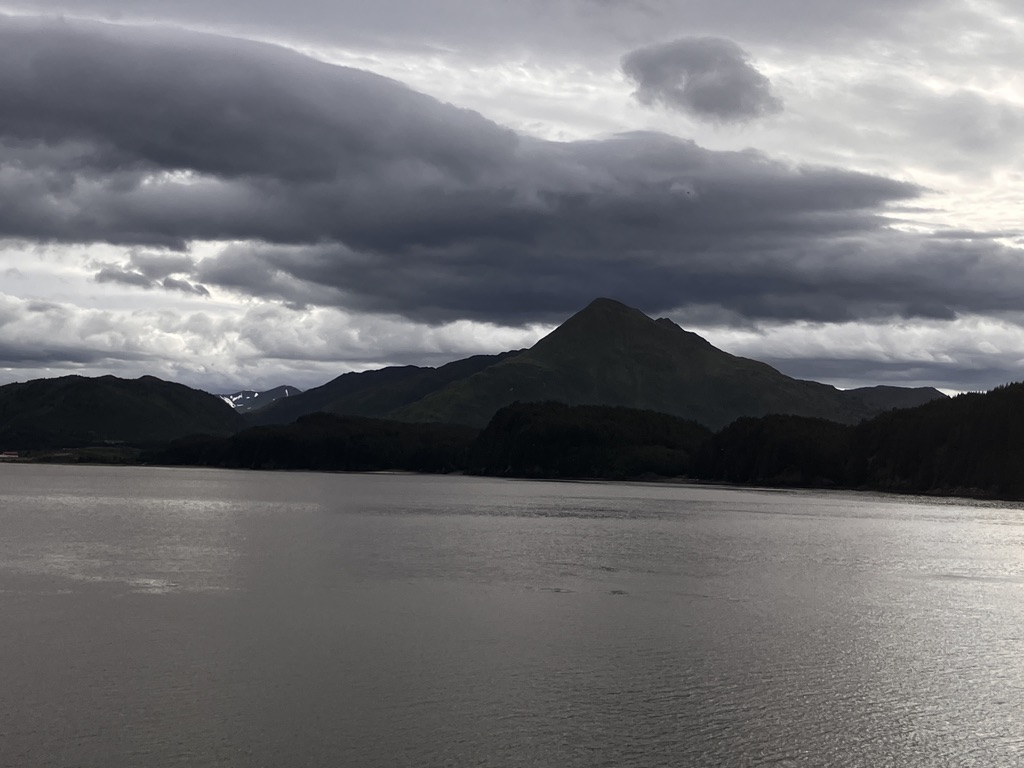
On the sea day between Anchorage and Kodiak, I woke up to sounds outside my port hole. This was confusing – wasn’t it supposed to be a sea day? It turned out to be the pilot boat- the pilot must have been guiding us from our last port through the night.
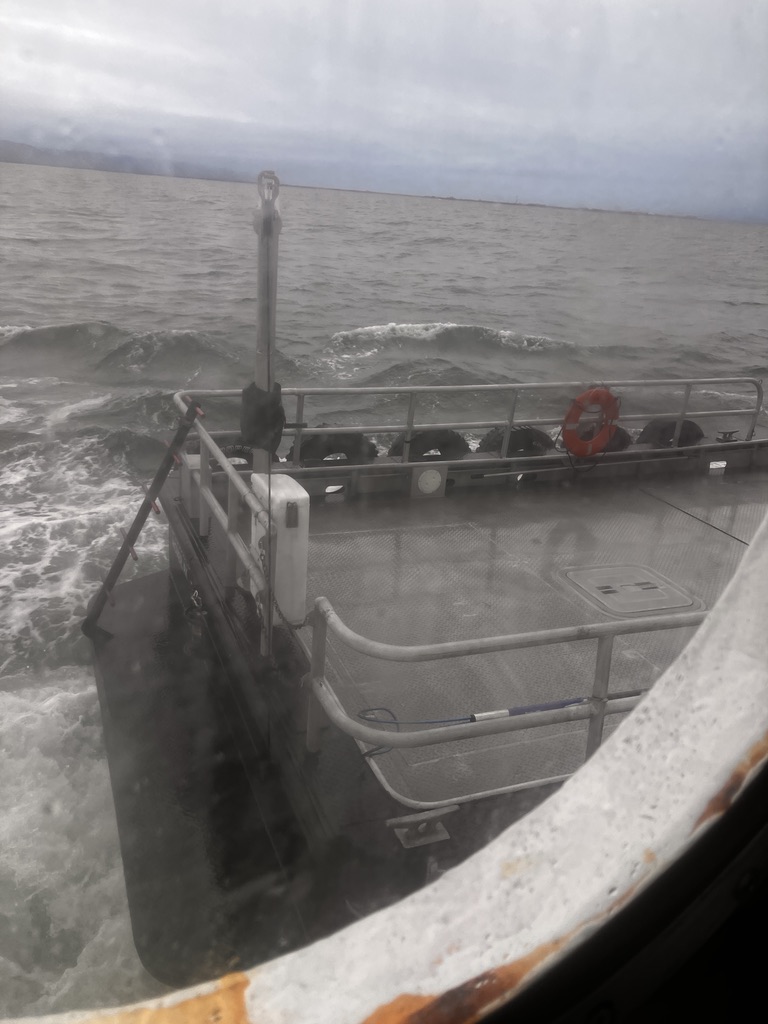
Kodiak—nicknamed “Alaska’s Emerald Isle”—boasts more brown bears than people, with over 3,500 Kodiak bears across the archipelago.
Kodiak, Alaska, is a city located on Kodiak Island, the second largest island in the United States, situated in the Gulf of Alaska. It’s a remote island accessible only by boat or plane.
Known for its rugged beauty, rich Alutiiq history, and commercial fishing heritage, Kodiak is the perfect blend of wilderness and community.
Approximately 5,600 residents live in Kodiak city year-round (2020 census). I’m not sure who did the math on that, but apparently, in Kodiak, 3,500 is more than 5,600 (unless they’re counting naked people, in which case there may be more bare’s).
While it’s possible people have used Kodak cameras to capture images in Kodiak, Alaska, this doesn’t signify a unique connection or historical tie between the two.
History:
Kodiak Island has been continuously inhabited by the Alutiiq (Sugpiaq) people for over 7,000 years, with a rich culture deeply connected to the sea and land. In 1792, the Russians established Alaska’s first permanent European settlement here, naming it Paul’s Harbor. Kodiak became the capital of Russian Alaska and a hub for the lucrative sea otter fur trade. However, the fur trade severely depleted sea otter populations and brought profound changes to Native communities, including periods of conflict, forced labor, and cultural disruption over the next 150 years. After the U.S. purchased Alaska in 1867, Kodiak transitioned into a major fishing port. The devastating 1964 Good Friday Earthquake and resulting tsunami reshaped much of the town’s waterfront. Today, Kodiak retains strong ties to both its Alutiiq and Russian heritage—most visibly in the onion-domed Holy Resurrection Russian Orthodox Church, a symbol of its complex past.
Itinerary:
Arrival: Saturday July 26 8:00 am
Departure: Saturday July 26 Last Tender: 6:30pm Sail away: 8pm
Weather
- Average Temps: Highs mid-50s°F–low 60s°F, lows upper 40s°F
- Climate: Cool and maritime, with frequent drizzle or fog
- What to Wear: Dress in waterproof layers, sturdy shoes, and bring rain gear
Near the Pier:
Cruise Ship Anchor: Near downtown port area
Tender Dock: Port of Kodiak, near Rezanof Drive & Buskin River
Nearby Essentials
- Pharmacy: Safeway Pharmacy
- ATM: Wells Fargo Bank – 202 W Marine Way
- Grocery/Snacks: Fred Meyer & Safeway – central Kodiak
- Walmart: 2.5 miles from Cruise Port
- Nearest Church: Holy Resurrection Russian Orthodox Church
- Nearest Golf: Kodiak Golf Course – 6 miles via Rezanof Drive
Getting Around:
- Walking: Downtown is walkable; terrain can be hilly
- Taxis: Local taxis available
- Car Rentals: Airport and downtown agencies offer vehicles—reserve ahead
- Public Transit, Rideshares and Bike Rentals are limited.
Witnessing:
Bear Viewing: Experience the awe of seeing Kodiak bears in their natural habitat on a guided bear viewing tour—by air or by sea. Whether soaring above the rugged terrain on a flightseeing adventure or cruising along the coast on a marine expedition, you’ll witness these powerful animals up close amid Kodiak Island’s stunning wilderness. Expert guides lead you to prime viewing areas where you can safely observe and photograph the bears in action. Along the way, you’ll gain fascinating insights into their behavior, ecology, and cultural importance in Alaska, making this a truly unforgettable wildlife encounter.
https://www.alaska.org/detail/island-air-service
https://www.alaska.org/detail/kingfisher-aviation
Fishing Charters: Kodiak Island is a paradise for anglers of all skill levels, offering world-class fishing in both its rich ocean waters and pristine rivers. Whether you’re a seasoned fly fisherman seeking solitude in a remote stream or chasing trophy halibut on a deep-sea charter, Kodiak has it all. As a major hub of Alaska’s commercial fishing industry—famously featured in Deadliest Catch—the island boasts a year-round fishing culture (excluding December) and an annual catch valued at $130 million. Thanks to healthy ecosystems and strong fishery management, opportunities abound from secluded backcountry rivers to accessible roadside beaches. Just cast your line and enjoy.
https://www.alaska.org/destination/kodiak/fishing-charters
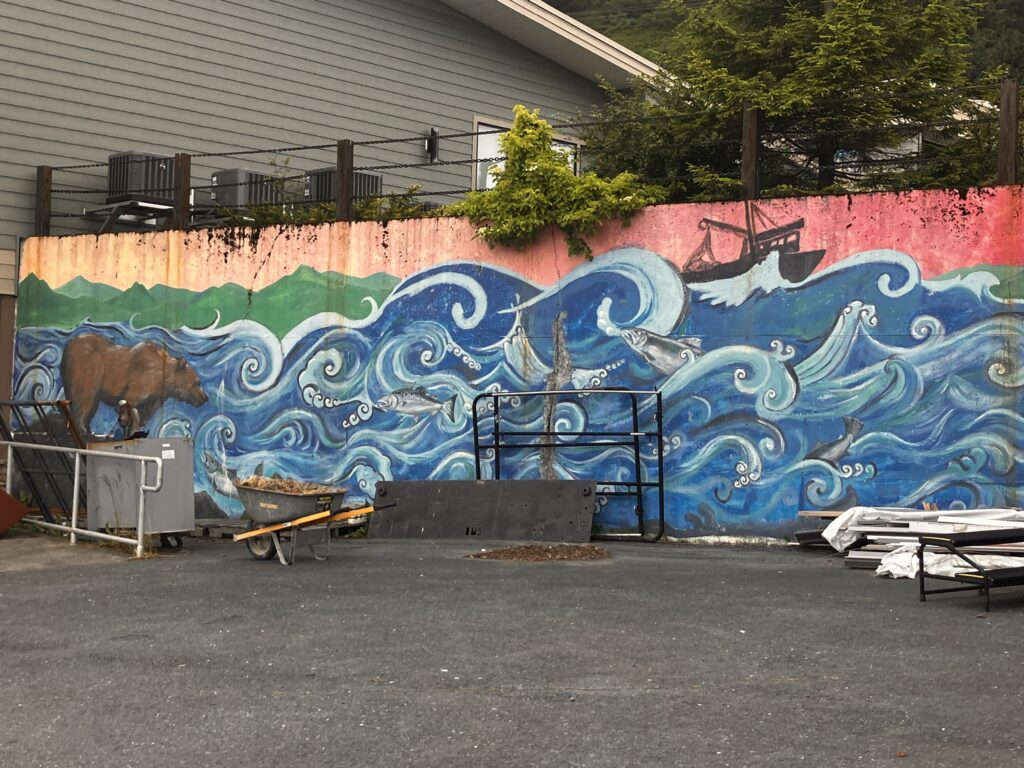
Downtown Kodiak Mural & Harbor Walk
Kodiak’s compact waterfront now doubles as an open-air gallery thanks to a burst of community-driven public art. Start at the Visitor Center parking lot on Marine Way, where the 9,000-sq-ft asphalt mural “Dancing in the Rain” by local artists blankets the new portside plaza with swirling salmon, clouds, and sunshine—an Insta-worthy “welcome mat” for cruise guests and ferry passengers.
Follow the painted way-finding splashes toward St. Paul Harbor. Along Shelikof Street you’ll encounter 14 full-color interpretive panels installed by the Kodiak Maritime Museum. These signs dive into boat types, fishing gear, Coast Guard life, and Kodiak’s $130-million seafood industry, turning a simple stroll past the docks into a crash course in island culture. From here, detour one block inland to the historic Kodiak History Museum (Russia-era Magazin) and the Alutiiq Museum, or continue the harbor loop past public sculptures and rotating window installations supported by the Kodiak Arts Council. Free walking maps are available at the Discover Kodiak desk beside the mural plaza.
Learning:
The Alutiiq Museum & Archaeological Repository, located at 215 Mission Road in downtown Kodiak, showcases 7,500 years of Koniag Alutiiq/Sugpiaq heritage. Housed on the first floor of the Alutiiq Center, it’s Alaska’s second tribal museum to receive national accreditation and one of only four in Kodiak. The museum preserves nearly 250,000 artifacts—ranging from archaeological finds to ethnographic and archival collections—and features a gallery, research lab, and rotating exhibits. Open Saturday from noon to 4pm, it offers guided tours, hands-on cultural programming, and a museum shop showcasing local Alutiiq art. This vibrant center invites visitors of all ages and backgrounds to explore, learn, and connect with living Alutiiq traditions.
Kodiak History Museum: Located at 101 E Marine Way, the museum is housed in Alaska’s oldest surviving Russian-built structure—the historic Russian‑American Magazin, now a National Historic Landmark. Operated by the Kodiak Historical Society, it serves as a vibrant community hub dedicated to exploring Kodiak Island’s natural, cultural, and artistic heritage. The museum features an engaging chronological journey from the 1780s Russian colony through Alaska’s American period, with permanent exhibits on Russian‑American life, World War II, Alutiiq basketry, and beyond. Temporary galleries rotate biannually and highlight local stories—recent themes include historic bars and Filipino teacher experiences. Admission is $10 for adults. Open: 10am to 4pm
Maritime Museum: A Museum without Walls, this organization has been preserving Kodiak Island’s maritime heritage since 1996 through public exhibits and interpretive displays. Around St. Paul Harbor, 14 large, full-color panels highlight the lives of local fishermen, the U.S. Coast Guard, and the diverse marine species they pursue. In addition to these harbor displays, three satellite exhibits—located at the local bank and college—offer rotating content. Recent exhibits have included a photographic retrospective of the king crab industry’s boom years, giving visitors a vivid glimpse into Kodiak’s rich seafaring history and the communities shaped by it.
Exploring:
Scenic Drives: For a small island, Kodiak offers some truly breathtaking scenic drives. Cruise along coastal roads that wind past tide pools, tranquil bays ideal for beachcombing, lush hiking trails, and salmon-filled streams. Each route reveals a new facet of the island’s rugged beauty, from dramatic cliffs to serene forested valleys. Kodiak’s roadways provide an excellent way to experience its wild landscapes and abundant natural charm.
https://www.alaska.org/destination/kodiak/scenic-drives
Discovery:
The Kodiak National Wildlife Refuge Visitor Center, located at 402 Center Avenue in downtown Kodiak, is now open for summer visits. Enjoy informative exhibits—including a full gray whale skeleton, wildlife displays, and interactive educational presentations by park rangers. Open Saturday from 12 PM to 4 PM. Visit the desk for maps, bird lists, pamphlets, and to catch the award-winning refuge film. Drop by to plan excursions, learn about Kodiak’s unique ecosystems, and pick up a Junior Ranger backpack if you’re traveling with kids.
The Holy Resurrection Russian Orthodox Cathedral in Kodiak stands as a striking blue‑domed landmark, deeply rooted in Russian‑Orthodox tradition. Established as a parish in 1794 and rebuilt in 1945 after a fire destroyed the previous structure, it’s the fourth church on the site. Constructed with a 19th‑century bell tower and added to the National Register of Historic Places in 1977, the cathedral gained official status in 2001. Inside lie the relics of Saint Herman of Alaska—his skufia, iron cross, and lampada—draw pilgrims for veneration and healing anointings. Located at Mission Road and Kashevaroff Avenue, this active cathedral offers regular services and remains a vital spiritual and historical hub.
Hiking:
Kodiak is a hiker’s haven, offering a diverse trail system suited to all skill levels. Whether you’re up for a leisurely stroll along sandy beaches with opportunities for beachcombing or craving a challenging mountain trek rewarded with sweeping island views, there’s a trail for you. The island’s natural beauty unfolds with every step—lush forests, rugged coastline, and abundant wildlife—making each hike a memorable adventure in Alaska’s untamed wilderness.
Easier: These are great destinations for wildlife enthusiasts, families, and photographers. Hiking distances vary, since many of these spots are beaches or rivers. Remember to pay attention to the tides, and consider bringing binoculars and a bird or plant field guide.
Mill Bay Beach Park Fort Abercrombie Buskin River State Recreation Site
North End Park Fossil Beach & Narrow Cape Pasagshak State Recreation Site
Steep: These trails are tough: they either gain elevation quickly or require some route finding and experience in the woods. Be prepared for rapid weather changes in the alpine environment and encounters with wildlife. Always carry layers, rain gear, food, and water on these hikes. And don’t forget your camera. The views of ocean and alpine valleys from many of these hikes are spectacular.
Pillar Mountain Termination Point Trail Barometer Mountain
Visit: https://www.alaska.org/destination/kodiak/parks-and-trails
Tasting:
- Harborside Coffee and Goods – Casual spot for breakfast and lunch with harbor views
- The Bistro – Waterfront fine dining specializing in fresh local seafood
- F. Henry’s Great Alaskan Restaurant – Local favorite known for seafood and Alaskan specialties
- Kodiak Island Brewing & Still – Sample craft beer
Travel Tips:
- Book bear-viewing tours early—space fills fast
- Bear safety: Do not hike alone; guided tours recommended
- Tsunami History: Be aware of ridge evacuation signs
- Currency: Credit cards widely accepted; carry some cash for remote shops
July 26, 2025
Rumors had been flying about Kodiak – there was supposedly a 90% chance we would skip it – so I was pleasantly surprised to see still land outside my window when I woke up.
After handing out tender tickets, I went ashore with Steven and Michele. We searched for murals on the city’s mural walk, though it wasn’t quite as entertaining as I’d hoped. We found some excellent coffee (Steven said it was the best decaf he’d had on this trip) and then took a taxi to Walmart, where Michele and Steven stocked up on American snacks (and three bags of chocolate-covered blueberries for me). We picked up cocoa powder and black beans for Victor, our Executive Chef, and speculated about what he planned to do with them.
Kodiak was a tiny town, but we wanted to make the most of it – we would have twelve more sea days before arriving in Japan. Michele and Steven had never been to Asia and were nervous about immersing themselves in such a different culture and, more importantly, about finding enough to eat. Last summer I’d had the same concerns. I was surprised (and thrilled) by how intimidated I felt in Japan, and I loved how different everything was. I was excited to return – and eat the food there.
We had lunch at a Mexican Restaurant, unsure of when our next authentic Mexican meal would be (there would be many more- just not many in Japan). Eventually Victor was able to get off the ship and join us. Though the three of them don’t drink, they humored me when I suggested dragging our grocery bags to the brewery across the street. Fortunately, there wasn’t anything else anyone particularly wanted to do more.
The beer at the brewery was as tasty and unique as the brews I’d encountered across the North Pacific. Overall, I’d been pleasantly impressed by the beer in Canada and Alaska. We lingered, milking our time on land and debating which of the last tenders to catch when, suddenly, Victor got an urgent call from the Hotel Director – we needed to get cappuccinos from the hardware store.
I was so confused. With the Hotel Director being from Portugal, and Victor from Brazil, I thought something had been lost in translation from Portugese to English. It turned out that the ship needed more white paint – cappuccino – colored.
We secured the paint at the hardware store and told them to send a trolley on the next tender. We borrowed a cart from the hardware store (they didn’t seem at all concerned that we might steal it) and met the housekeeping crew halfway. I returned the cart (to no one’s surprise) and then, mission accomplished, reluctantly took the tender back to the ship.