My views do not necessarily reflect the views of my employer
May 23, 2025
Cabo is a tender port, which makes getting on and off the ship just a little more complicated and time-consuming. But I had a lead on the best food in Cabo, and I was determined to try it. The last time I was in Cabo San Lucas was aboard Discovery Princess with my family in 2022. We walked around the marina market and then headed back to the ship for (free! -well- included) margaritas and guacamole. This time, I wanted to venture out just a little farther.
The place with the ‘best tacos’ was closer than the one with the ‘best authentic Mexican food’, so that’s where I went. I ordered fajitas (I know- but I wanted them more than tacos) and they were delicious (even though I couldn’t quite figure out how to ‘help myself’ to the side dishes.
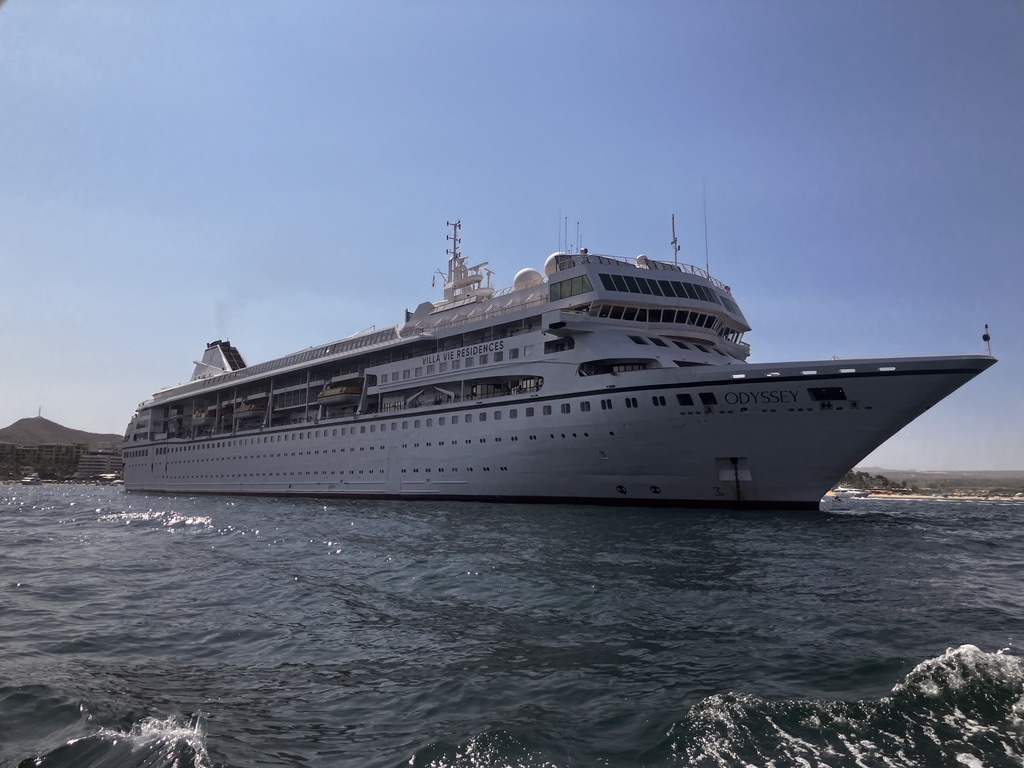
That was all I had time for, so I headed back. I did manage to get a great photo of the ship from the tender, though!
Here is my Destination Presentation for all the other things one can do:
Intro
Cabo San Lucas, perched at the southern tip of the Baja California Peninsula, is one of Mexico’s most iconic coastal destinations. It’s where desert landscapes meet the deep blues of the Pacific Ocean and the Sea of Cortez, creating dramatic scenery that captivates visitors from around the world. Cabo is famous for its natural rock formations, pristine beaches, and vibrant marine life, making it a haven for adventurers, sunseekers, and culture lovers alike.
Famous for the Arch at Land’s End (El Arco), luxurious resorts, and world-class sport fishing, Cabo has grown from a sleepy fishing village into a dynamic and welcoming hotspot. Despite its popularity, it still holds pockets of authentic charm.
Whether you’re here to snorkel in crystal-clear waters, shop for handmade treasures, or just sip a margarita by the sea, Cabo San Lucas invites you to relax, explore, and enjoy.
On Arrival
The marina area is flat and walkable, filled with shops, restaurants, and excursion providers. Beaches are close by, and taxis (about $15USD to town center) or busses (about $2USD to town center) are readily available for exploring farther afield. Most local taxis are green or white minivans seating up to eight passengers. They usually accept both pesos and U.S. dollars, though they don’t take cards—so be sure to carry cash.
While U.S. dollars are widely accepted, using Mexican pesos (MXN) may offer better value. ATMs and exchange services are available near the marina. Credit cards are accepted at most tourist venues, but it’s wise to keep cash on hand for small purchases and tipping. Spanish is the official language, but English is commonly spoken in tourist areas.
Why Are We Here?
While Cabo San Lucas is best known for its vibrant nightlife and exclusive luxury resorts, there’s much more to discover beyond the clubs and high-end hotels. This is where the Pacific Ocean meets the Sea of Cortez in a striking convergence of cliffs, beaches, and iconic rock formations – offering not just scenic beauty but rich cultural and ecological experiences.
Cabo draws adventure seekers with snorkeling, parasailing, and zip-lining, all set against a backdrop of breathtaking landscapes, like the towering Arch at Land’s End. Yet it’s also the perfect place to slow down and soak up the atmosphere, with excellent food, live music, and a warm, laid-back vibe.
Long known as the “Marlin Capital of the World,” Cabo is a premier destination for sport fishing, and during winter and spring, it becomes a front-row seat to the spectacular migration of whales.
History
Before becoming a popular tourist destination, Cabo San Lucas was home to the Pericú people, known for their art and sophisticated irrigation systems. Spanish explorers arrived in the 1530s, but the region remained isolated for centuries. The name Cabo San Lucas was given by General Sebastián Vizcaíno in 1603 during his voyage along the California coast.
The area saw little development until 1917, when an American company built a tuna fishing platform, establishing Cabo as a fishing hub. Sport fishing and the arrival of Hollywood celebrities in the mid-20th century brought increased attention. Tourism blossomed in the 1970s, and today Cabo San Lucas forms part of the Los Cabos municipality alongside San José del Cabo, a charming colonial town just 20 miles away.
Witnessing
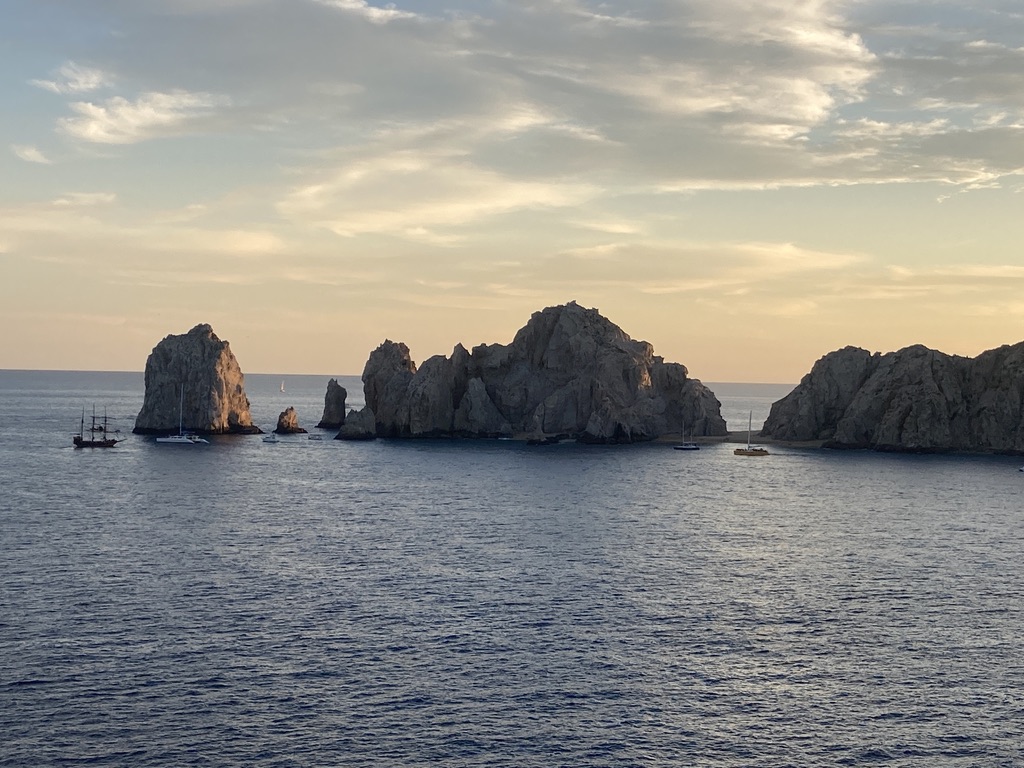
The most iconic sight in Cabo is El Arco, the striking rock arch at Land’s End. You’ll see it from the ship, but for a closer look, take a boat ride—glass-bottom boats, water taxis, and catamarans offer scenic views and photo ops. The marina itself is a great place for wildlife viewing; sea lions often sunbathe on docks, and pelicans perch on fishing boats.
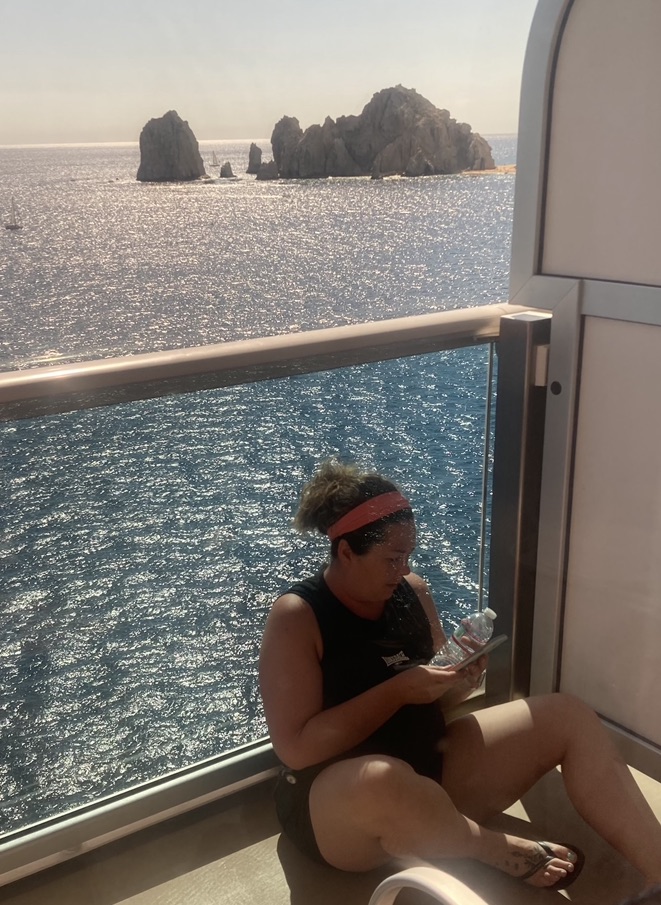
Cabo San Lucas is home to some of Mexico’s most breathtaking beaches. With crystal-clear waters, golden sands and sheltered bays, the coastline offers the perfect setting for both relaxation and adventure.
Playa Medano (Medano Beach) is Cabo’s most famous and accessible beach—an energetic hub lined with restaurants, bars, and shops. It’s the main swimming beach in town and ideal for water sports and people-watching, though it can get quite busy.
Playa del Amor (Lover’s Beach) is a secluded, romantic cove nestled beside El Arco. Accessible only by boat, this tranquil spot offers calm waters perfect for swimming and snorkeling.
Playa del Divorcio (Divorce Beach) lies just beyond Lover’s Beach, facing the open Pacific. While swimming here is not recommended due to strong currents, the expansive views and dramatic waves make it a stunning place for a walk or photos.
Playa Santa Maria (Santa Maria Beach) is a beautiful horseshoe-shaped beach tucked between two rocky bluffs. As a protected marine sanctuary, it is perfect for snorkelling and swimming in calm, clear waters.
Playa El Chileno (Chileno Beach) a short drive from town, is beloved by locals for its family-friendly waters and excellent snorkeling conditions. Its calm, shallow bay is teeming with marine life and has public facilities, making it a great day trip destination.
Learning
For a dose of local culture and history, visit the Museum of Natural History near the town square. Small but engaging, it covers Baja’s geology, palaeontology, and early human settlement.
Art lovers can explore the Hector Estrada Gallery, which showcases vibrant works by the Panamanian painter and sculptor.
The Church of Saint Luke, built in 1730, is a modest but historically significant chapel just a few blocks from the marina. The surrounding Plaza Amelia Wilkes hosts cultural festivals and is a lovely place to sit and people-watch.
If you’re interested in learning something new, consider taking a Mexican cooking class—a fun and delicious way to immerse yourself in Cabo’s culinary traditions.
If you would like to explore further afield, venture out to San José del Cabo, where art galleries and cobblestone streets offer a completely different vibe. Other highlights include the Wirikuta Botanical Garden and Cabo Pulmo National Park, one of the world’s most successful reef restoration zones.
Discovery
Cabo offers a rich blend of traditional craft and luxury shopping. The Marina Golden Zone and Puerto Paraiso Mall feature upscale boutiques and international brands. But for something more personal, head to shops like Eclectic Array, an ethical fashion brand supporting Mexican artisans.
For authentic souvenirs, look for handmade pottery, woven textiles, silver jewelry from Taxco, or locally produced tequila and mezcal. Many shops offer tastings and insights into the production process. Don’t miss the local artisan markets—colorful and vibrant places to find unique gifts and support small businesses.
If you’re venturing out to San Jose del Cabo, Santo Cabo at Flora Farms, is known for natural, handcrafted body care products.
Oh, and there’s a Walmart.
Tasting
Food is one of Cabo’s biggest draws. Seafood is king here, and tacos are an art form. Try Tacos Gobernador—shrimp with melted cheese and poblano peppers—or the classic Baja fish taco, crispy and topped with slaw and crema. Adventurous eaters can sample aguachile, a spicy shrimp ceviche, or chocolata clams and grilled octopus, local favorites found along the waterfront.
For a more immersive experience, join a taco tour or take part in a mezcal tasting to learn the difference between mezcal and tequila while sipping with chili salt and orange slices. Pair your meal with a local craft beer or a tangy margarita and watch the sun dip below the Pacific horizon.
Exploring
Beyond the beach, Cabo is full of adventure. Head into the Baja desert for ATV rides and zipline tours, or hop on a sunset cruise complete with live music and dancing. The marine life here is extraordinary—snorkeling at Santa Maria or Chileno Bay reveals colorful reefs and tropical fish, while Pelican Rock near Cannery Beach is ideal for beginner divers.
Many of these excursions can be booked in advance or right at the marina.
For something more serene, explore the water via glass-bottom kayak or try stand-up paddleboarding around the arch. Hikers can escape the crowds on trails like Cerro del Vigía (Mt. Solmar), offering panoramic views of the coastline, or venture into Fox Canyon for waterfalls and swimming holes. The Sierra de la Laguna Biosphere Reserve to the north is a protected natural area home to diverse plants and wildlife.
(Snorkeling trips to Santa Maria or Chileno Bay—two of the best marine life spots near Cabo.
A popular dive site, Pelican Rock is also a great place to snorkel. The reef starts at 3 metres (10 ft) on a sandy bottom and you can see a variety of tropical fish, moray eels, and sometimes even sea lions. You can access the water from Cannery Beach or join a snorkelling tour of Cabo Bay.
Other great snorkel spots in Cabo San Lucas include Chileno Bay, Lover’s Beach, and Santa Maria Beach. You can snorkel right from the beach in these spots.)
Travel Tips
Sun Protection: The sun is intense year-round—bring plenty of sunscreen, a hat, and sunglasses.
Hydration: Stay hydrated, especially during active tours.
Footwear: Wear comfortable walking shoes or water shoes for beaches and boats.
Avoid unethical tourist activities who prioritize money over animal welfare —choose ethical tour operators whenever possible.
Be sure to negotiate your price before getting into the taxi. They’re not metered and you don’t want a nasty surprise when you get to your destination. Many local taxi drivers don’t speak English so having some basic Spanish is helpful. Having offline Google Maps and Google Translate downloaded to your phone is also useful.
Cash & Cards: Bring small bills for taxis, tips, and souvenirs. Some beach vendors and small eateries may not accept cards.
Tenders: Be aware of the tender schedule and allow extra time to return to the ship, especially during peak return hours.
Outro
Whether you spend your day kayaking past sea lions, enjoying a beachside lunch, or simply soaking up the Baja sun, I hope Cabo brings you joy, adventure, and a great story to tell.
¡Feliz día en Cabo!