
My views do not necessarily reflect the views of my employer.
May 21, 2025
Destination Talk: La Paz (my experiences are at the end)
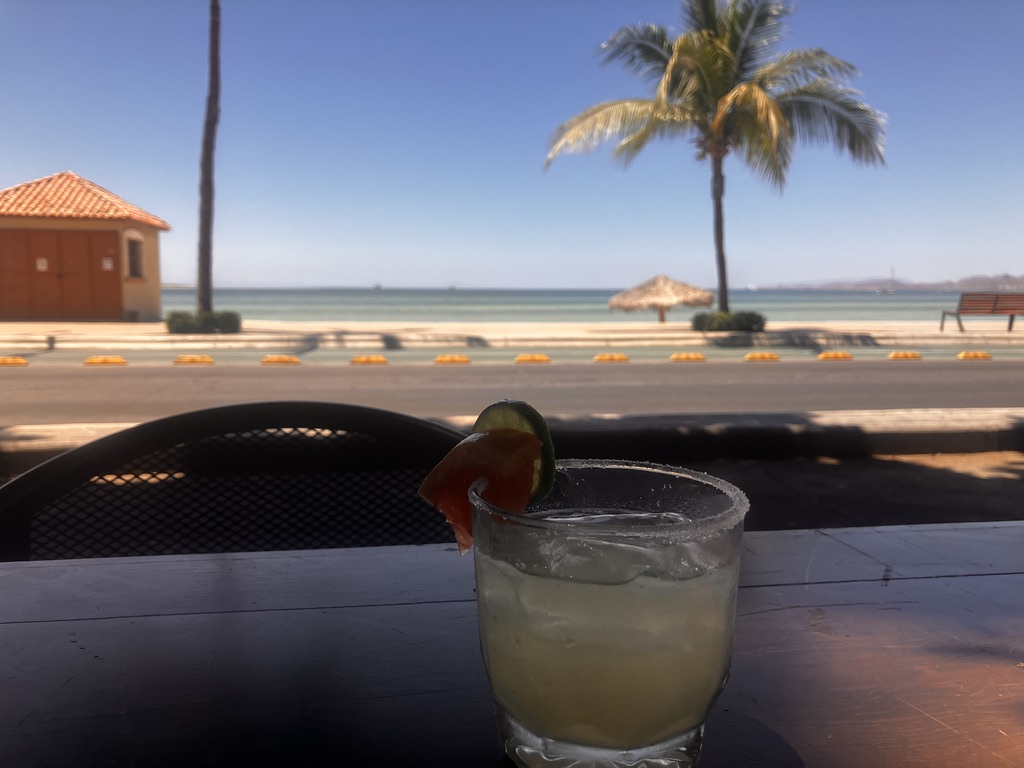
Intro
La Paz, the capital of Baja California Sur, is a vibrant seaside city nestled on the eastern coast of Mexico’s Baja Peninsula, along the stunning Sea of Cortez. While often overshadowed by its glitzier neighbor Cabo San Lucas, La Paz shines in its own right with a unique blend of natural beauty, authentic Mexican culture, and laid-back charm.
This coastal gem boasts some of the most tranquil, swimmable beaches in all of Mexico, a scenic Malecón lined with public art, and world-class opportunities for marine wildlife encounters—including whale sharks, sea lions, and dolphins.
Whether you’re in search of adventure, culture, or just a relaxing day by the sea, La Paz offers a perfect blend of it all, wrapped in the warm welcome of a truly Mexican town.
On Arrival
We arrive in La Paz on Wednesday, May 21st at 9:00 a.m. and depart at 6:00 p.m. the following day. The cruise terminal is located at Puerto De Pichilingue (Pee-chee-leeng-geh), approximately 10 miles – or about a 30 minute drive – from the city center.
Taxis and buses are also usually available at the port, and many tour operators offer excursions that begin right at the dock. Buses run hourly between Pichilingue and Terminal Malecon (located at the corner or Paseo Obregon and Avenida Independencia) between 7am and 6pm. Taxi fare from the cruise ship terminal to downtown La Paz runs about $8-10 USD.
If you prefer more independence, rental cars are available both at the port and in the city.
The local currency is the Mexican Peso (MXN), which generally provides a better value than USD. ATMs are available at the port and throughout the city. US dollars are widely accepted, but it’s best to carry small denominations for taxis and small purchases. Credit cards are not as widely accepted as in Europe or the USA and some businesses may charge a fee of about 5% for card use.
Spanish is the official language, though English is commonly spoken in the tourism sector.
Why Are We Here?
La Paz is one of Mexico’s best-kept secrets. While many travelers flock to the resorts of Los Cabos, seasoned adventurers come to La Paz for the real Baja experience—where nature, culture, and adventure come together.
Nicknamed the “Gateway to the Sea of Cortez,” La Paz offers unforgettable experiences like swimming with whale sharks, snorkeling with sea lions, or just relaxing on a white-sand beach without the crowds.
With its walkable downtown, colorful markets, and delicious seafood, La Paz is both charming and accessible—a refreshing break from more commercial tourist destinations.
History
La Paz’s rich history stretches back thousands of years. Long before Spanish explorers arrived, the region was inhabited by the indigenous Pericú people. Hernán Cortés arrived in the area in 1535, originally naming it “Santa Cruz.”
By the 19th century, La Paz became a hub for pearl diving, drawing international attention until overharvesting and disease eventually decimated the industry.
Today, La Paz is the capital of Baja California Sur and a center of marine biology and ecotourism, home to research institutions like CIBNOR (Centro de Investigaciones Biológicas del Noroeste) which focuses on scientific research, particularly in the fields of natural resources, sustainable development, and biocultural wealth, further cementing the city’s growing reputation as one of Mexico’s most environmentally conscious destinations.
Witnessing
A great place to begin your exploration is the Malecón, La Paz’s waterfront promenade. Stretching over 5 kilometers (about 3 miles), it’s lined with palm trees, sculptures by local artists, open-air cafés, and views of turquoise waters.
Along the Malecón, you might spot dolphins just offshore, or pelicans gliding overhead. In the evening, locals gather here for sunset strolls as the sky transforms into shades of lavender and gold.
Each sculpture along the Malecón marks a new block and symbolizes a part of La Paz’s relationship with the sea. Consider taking a self-guided walking tour to discover them all.
A bit farther out are several unforgettable boat tours and wildlife excursions:
Isla Espíritu Santo: A UNESCO-protected island and biosphere reserve, about an hour’s boat ride away. Tour operators offer full-day trips with snorkeling, kayaking, and a chance to swim with playful sea lions at Los Islotes.
Balandra Bay: Renowned for its shallow, crystal-clear waters and iconic mushroom-shaped rock. It’s a favorite for kayaking, paddleboarding, and hiking. Daily entry is regulated with two access windows: 8:00 a.m.–12:00 p.m. and 1:00 p.m.–5:00 p.m.. Boat tours are a great option, as they’re exempt from these limits and offer access to quieter spots.
San Rafaelito: A popular stop on boat excursions where you can spot sea lions and enjoy the stunning coast.
Learning
La Paz has several spots to deepen your understanding of the region’s nature and history:
Museo de Antropología e Historia: Located downtown, this small but engaging museum offers exhibits on the area’s indigenous peoples, colonial past, and natural environment. (Note: Signage is only in Spanish.)
Whale Museum (Museo de la Ballena): A family-friendly museum focused on marine life in the Sea of Cortez. Great for anyone curious about whales, dolphins, and ocean conservation efforts.
La Paz Cathedral (Catedral de Nuestra Señora de La Paz): A peaceful historical site built in the 1860s, this colonial-era church is a quiet stop right in the center of town, surrounded by quaint shops and shaded plazas.
Discovery
If you’re looking to browse and buy something special, head to the Calle 5 de Mayo and surrounding side streets, where you’ll find local crafts including silver jewelry, pottery, Baja-themed artwork, and handmade textiles.
Markets like the Mercado Bravo or Mercado Madero offer a taste of daily life, with vendors selling everything from fresh produce to colorful piñatas.
Keep an eye out for traditional Mexican candies and regional products like damiana liqueur, made from a local herb once considered an aphrodisiac by indigenous tribes.
Tasting
Seafood takes center stage in La Paz’s culinary scene:
Chocolate Clams: Named for their shell color, not their taste—these large clams are often roasted on open coals and served with a splash of lime.
Tacos de Pescado or Camarón (fish or shrimp tacos): Usually grilled or battered, served with cabbage, crema, and a variety of salsas.
Machaca: Dried, shredded beef rehydrated and mixed with eggs or veggies, often served for breakfast.
Ceviche La Paz Style: A refreshing seafood mix marinated in lime and tossed with onions, tomatoes, cucumber, and chilies.
To drink, try a clamato preparado (a spiced tomato and clam drink with beer), or sample a craft beer from one of La Paz’s growing microbreweries.
Exploring
If your idea of a perfect day includes sand and sea, La Paz delivers with some of Mexico’s most beautiful beaches:
In addition to Playa Balandra: One of the most beautiful beaches in Mexico, just 30 minutes from town. Known for its shallow turquoise waters and the iconic mushroom rock formation.
There are also several other beautiful beaches:
Playa Tecolote: Located just beyond Balandra, this is a more spacious and livelier beach with restaurants, restrooms, and plenty of space to lounge or hop on a boat tour.
Playa El Coromuel: The closest swimmable beach to the city, it offers umbrellas, parking, and a small water slide for kids.
Public transportation is limited, so taxis or organized excursions are the easiest way to get to the beaches. Many tours also bundle beach stops with water activities like snorkeling or paddleboarding.
Travel Tips
Sun Protection: The sun in Baja can be intense. Bring sunscreen, a hat, and sunglasses, and stay hydrated throughout the day.
Footwear: If you’re planning on visiting Balandra or hiking, water shoes or sandals with grip can help on rocky terrain.
Limited Cell Signal: Some beach areas and islands have poor reception. Let someone know your plans and arrange your return plans.
Cash: Bring some smaller bills with you, especially if visiting markets or smaller eateries that may not accept cards.
Enjoy your time in La Paz—whether you’re snorkeling with sea lions, relaxing on the beach, or strolling the sunset Malecón, I hope this day leaves you with unforgettable memories. ¡Buen viaje!
Also, there’s a Walmart on the far side of town.
My experience:
Meg and I took the shuttle into town. I had found a great blog about La Paz and Cabo that outlined the best restaurants in each city, and I’d pinned them in my Google Maps. However, by the time we arrived in the city center, we were hot and starving – and not in the mood to walk 20 minutes to the spot reputed to have the best tacos in La Paz (Yes, I now regret this decision). Instead, we decided to look for something along the Malecón with a view of the beach.
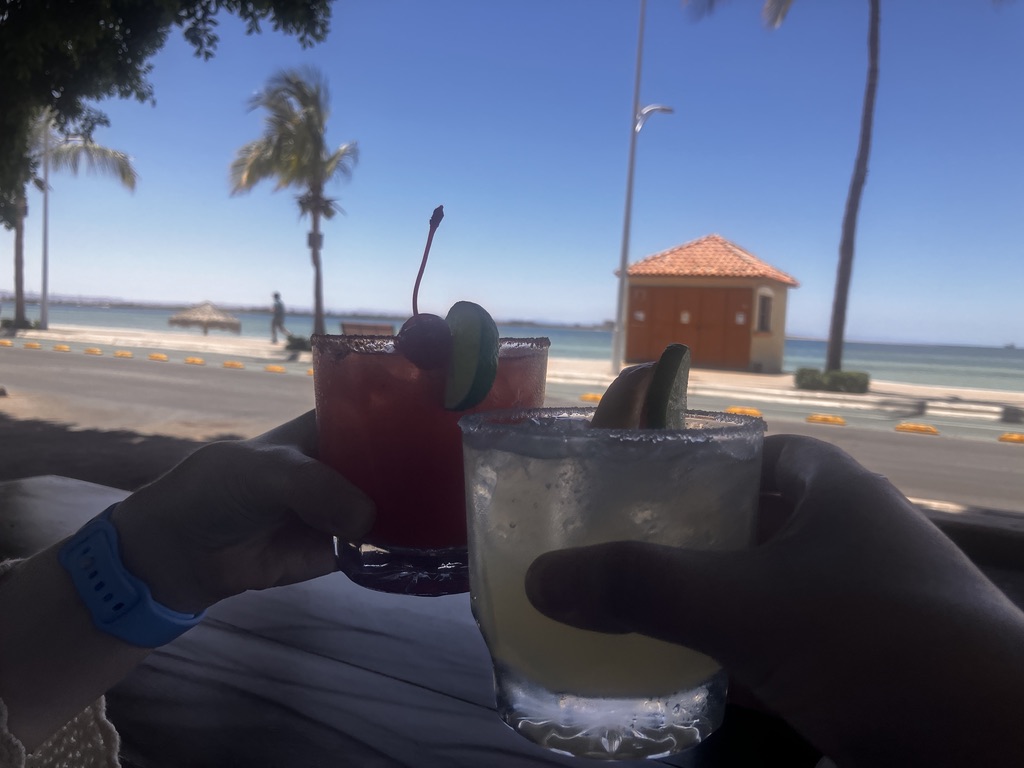
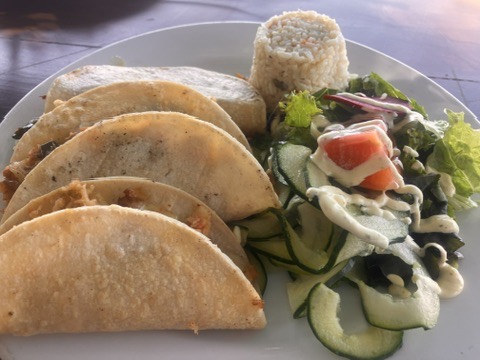
The food was pretty good, but the Tacos Gobernador didn’t quite measure up to the one I had in Topolobampo.
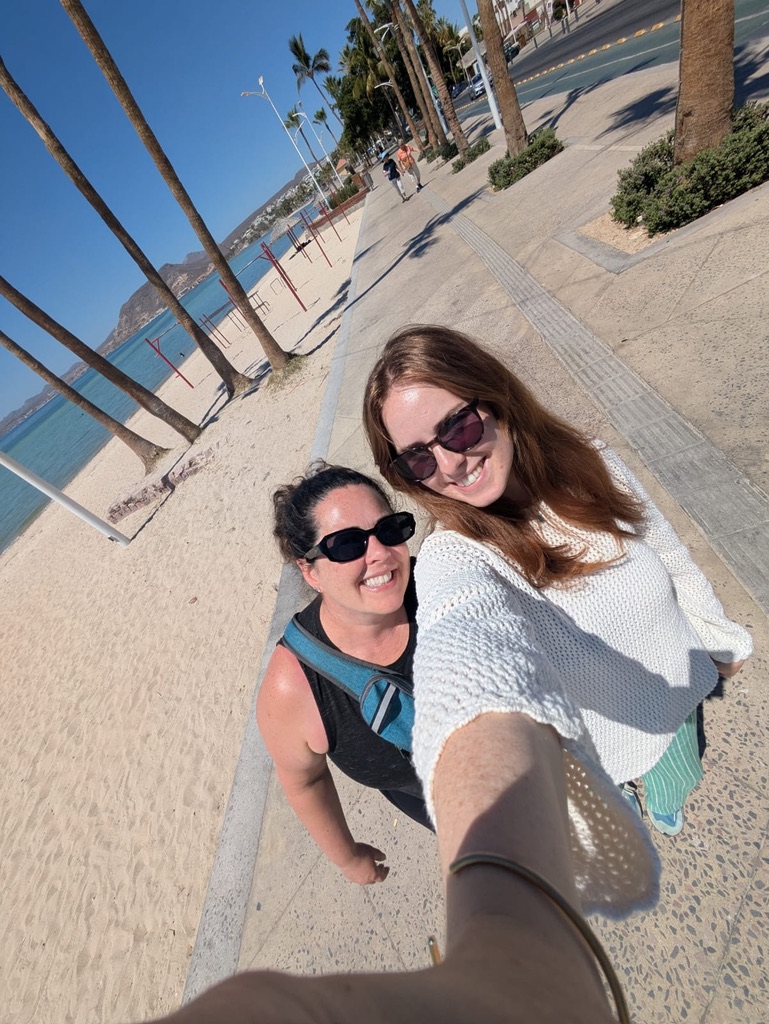
We took a picture by the beach to make everyone jealous, then caught an Uber to Walmart to stock up on things we needed for the ship. Afterall, our next port was Cabo – a tender port – followed by eight days at sea before reaching Honolulu, Hawaii.