My views do not necessarily reflect the views of my employer.
October 18-19, 2025
Near Koror, Palau we docked at a resort.
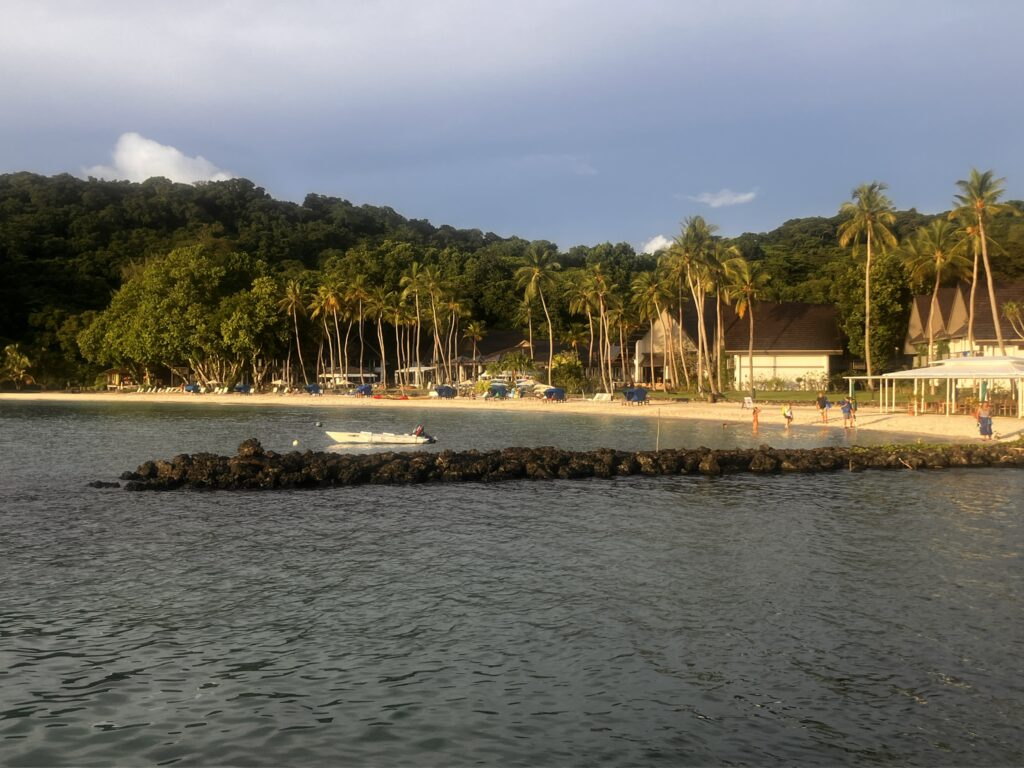
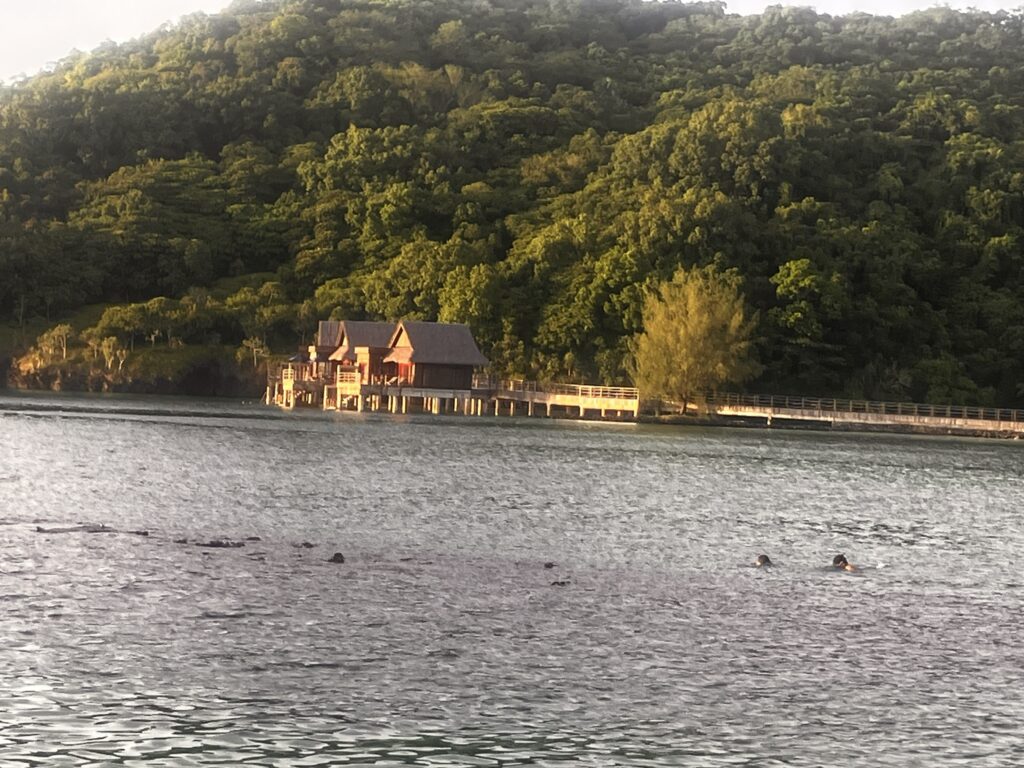
They had those huts over the water.
And a great view of the ship.
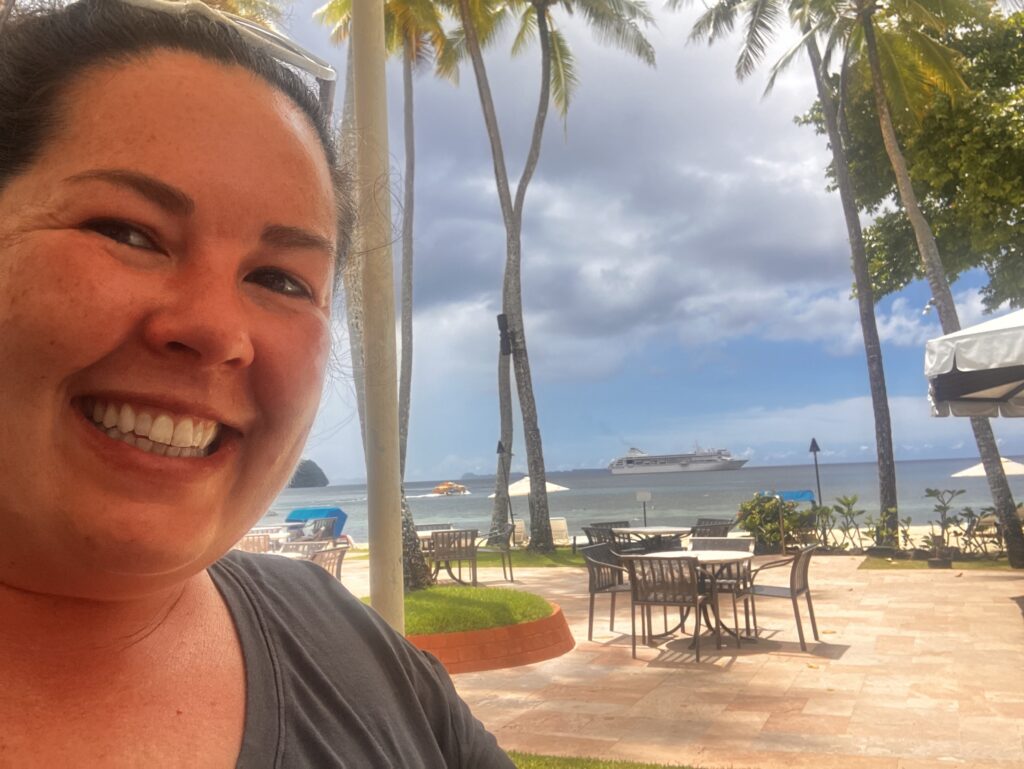
They had great food,
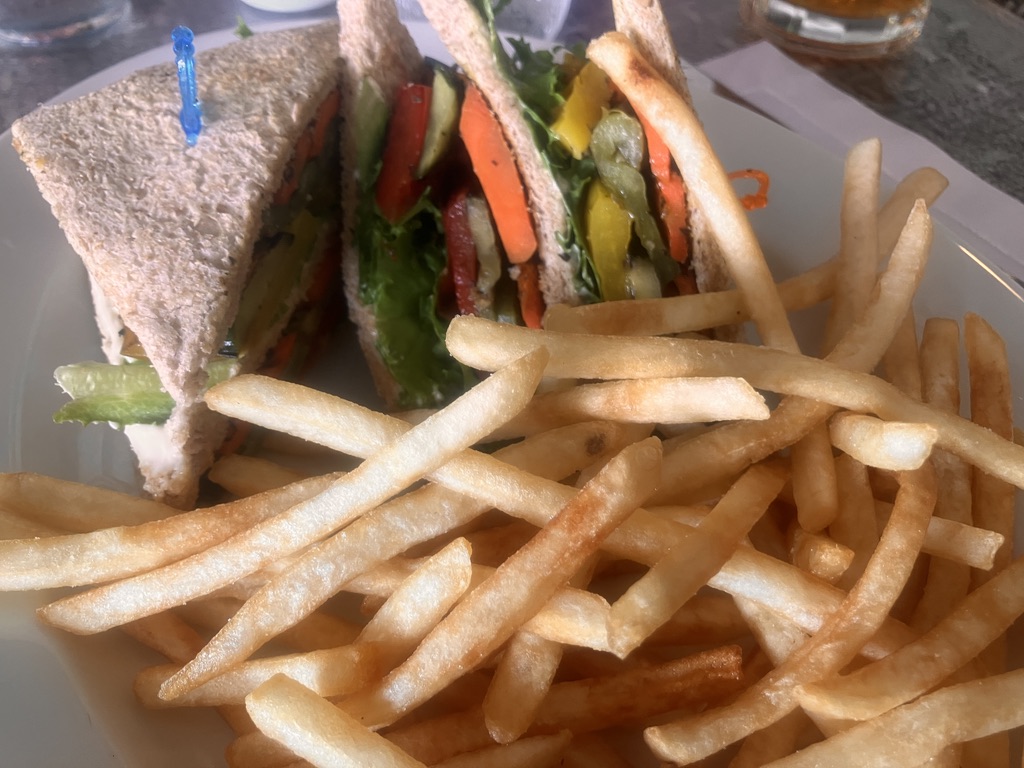
and drinks.
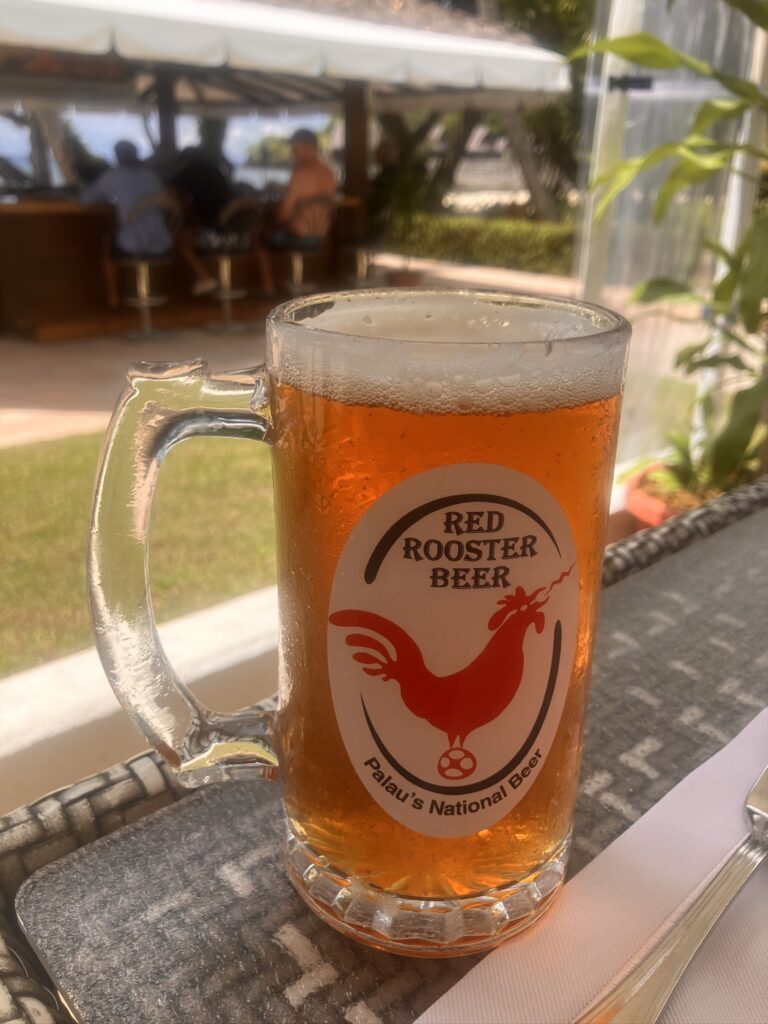
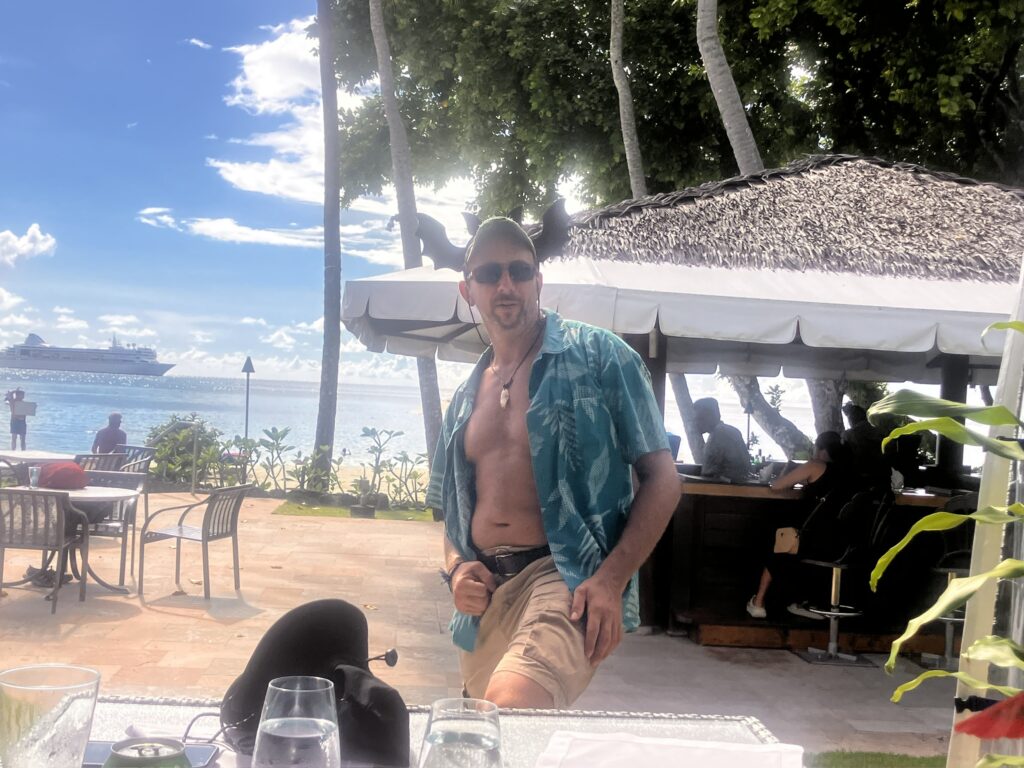
On the first day, I lounged at the restaurant with Michele and Steven, Gidea, and Stefan, the IT guy, occaisionally stepping away to cool off with a dip in the ocean whenever it got too hot.
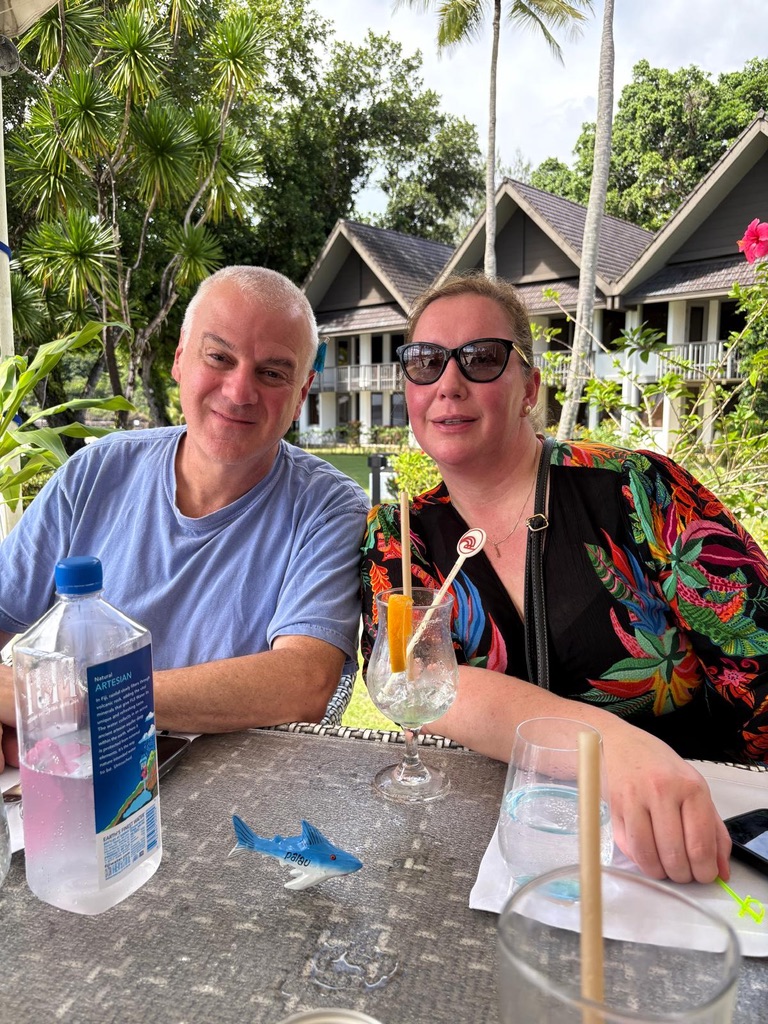
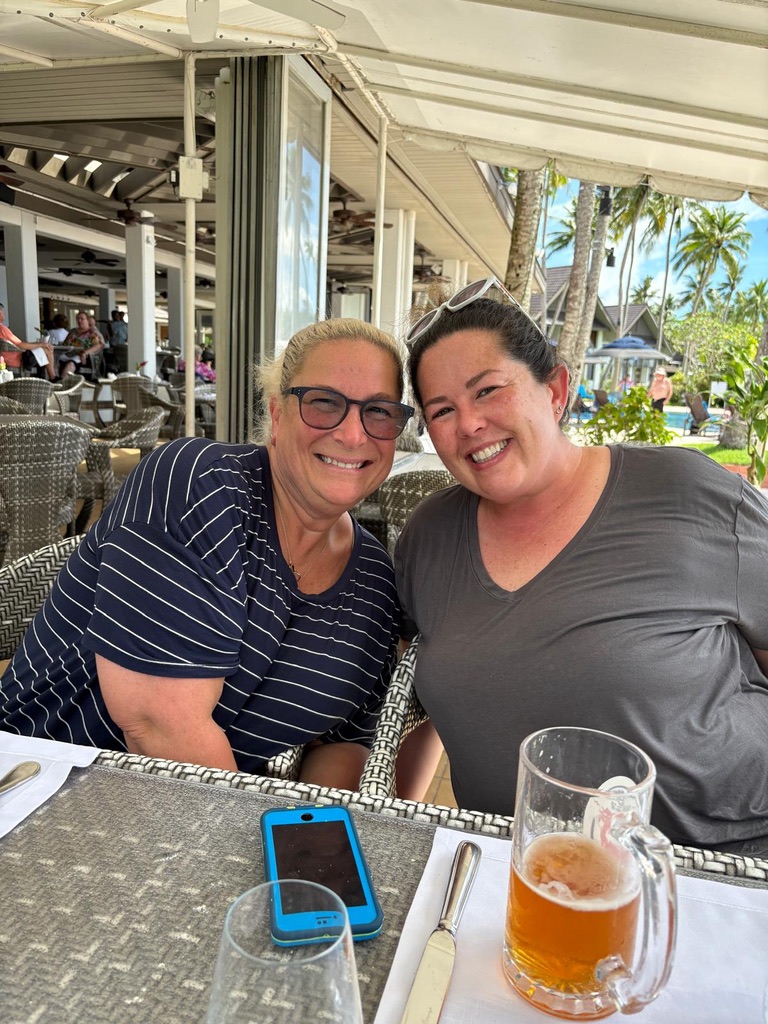
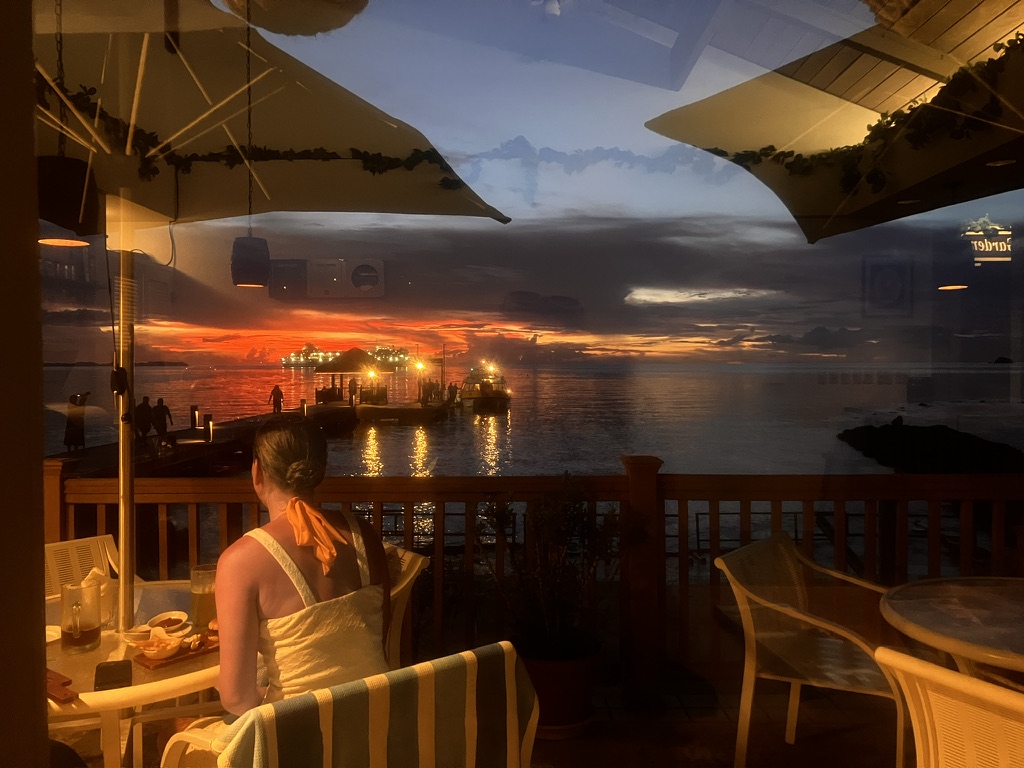
We had such a great time that we came back for lunch on the second day. Michele and Steven returned to the ship, but I decided to stay ashore, enjoy the incredibly fast WiFi, and soak in the sunset.
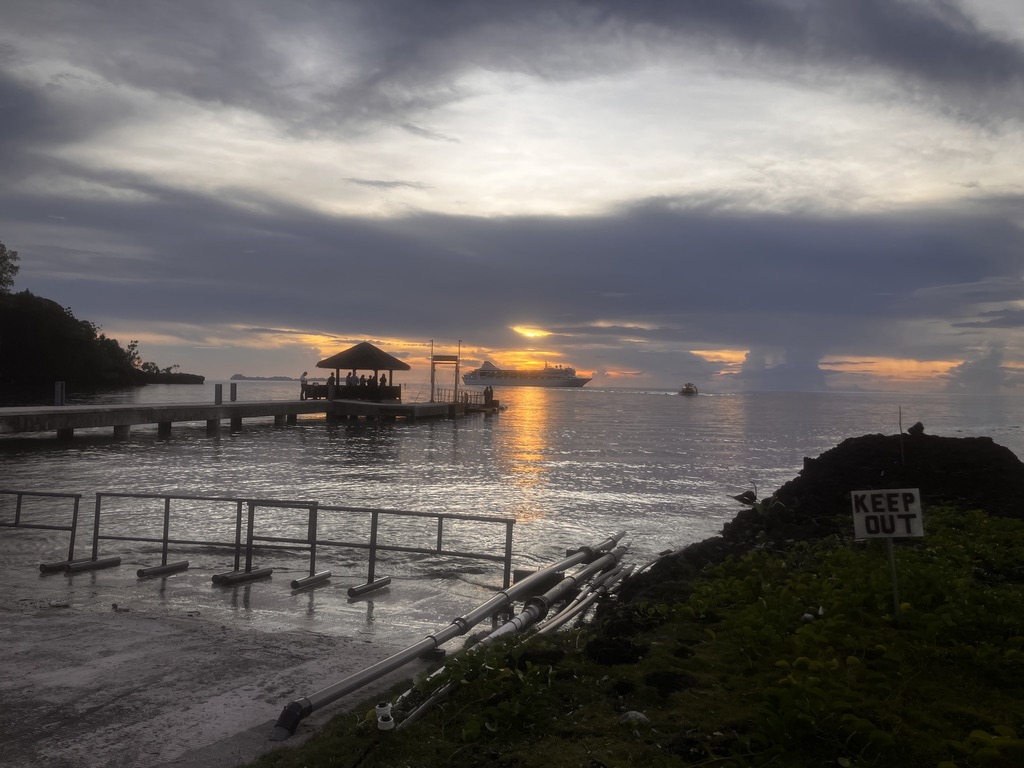
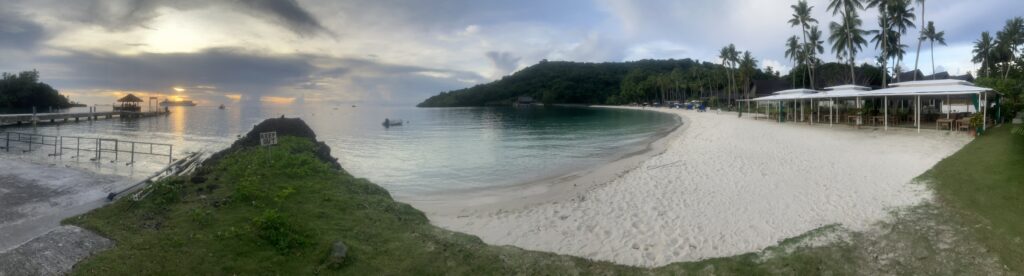
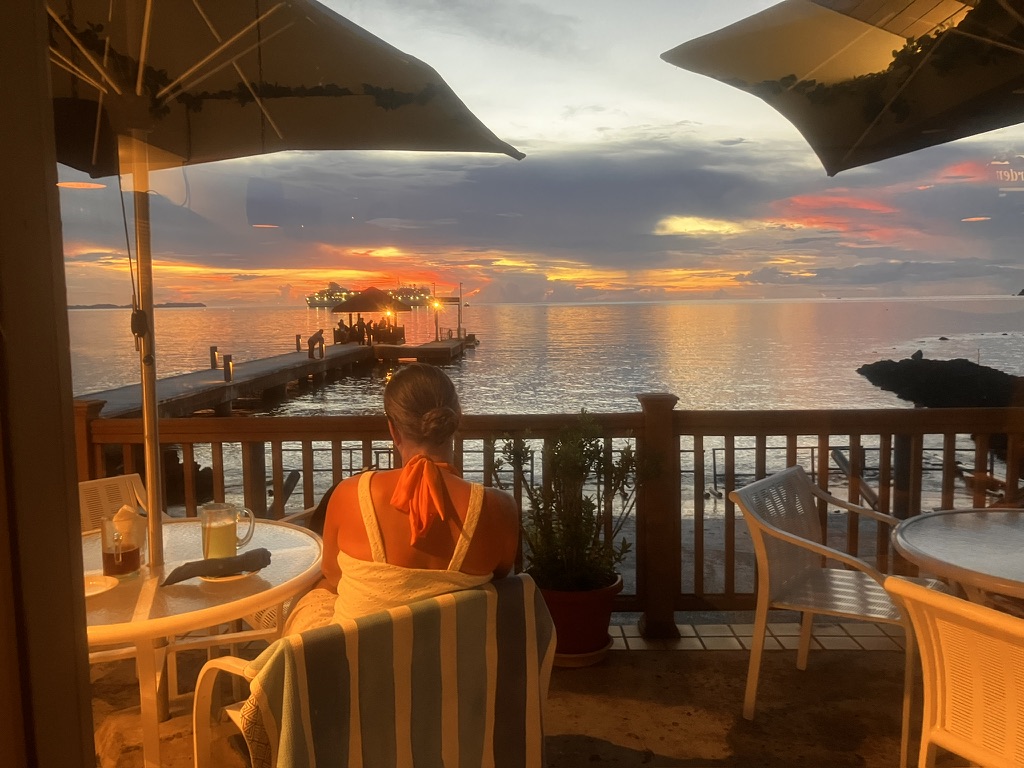
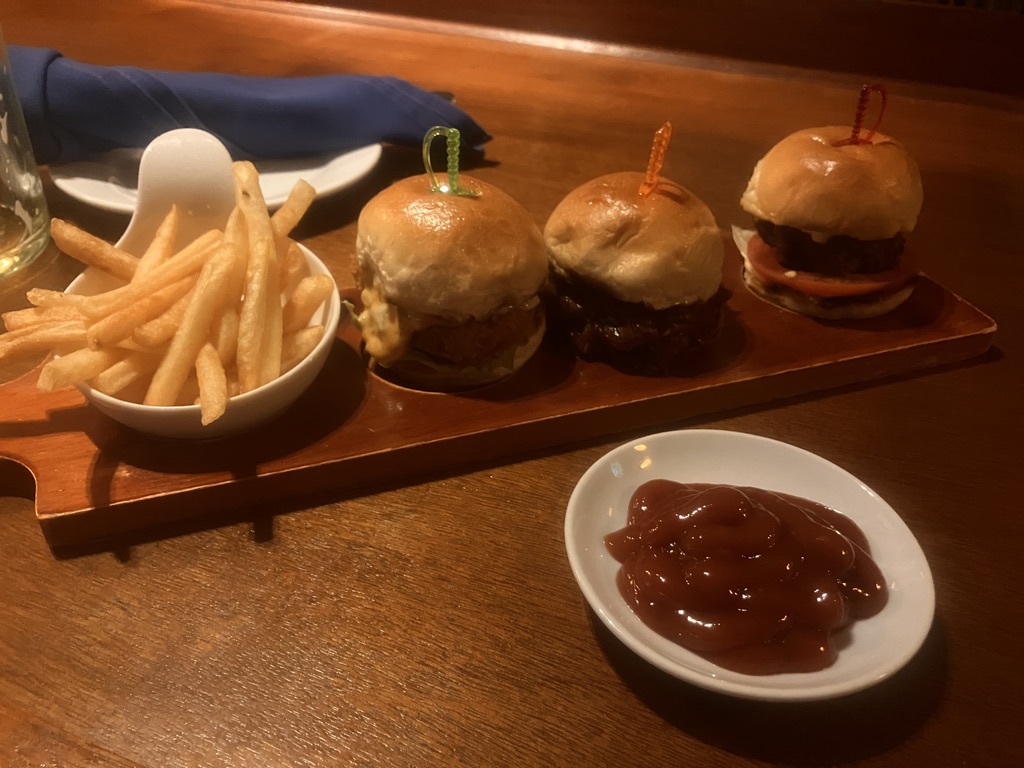
It just kept getting prettier, so I watched the tender shuttle back and forth, while I ordered some sliders and another beer.
Koror, Palau
Koror is Palau’s lively commercial hub and gateway to the emerald Rock Islands Southern Lagoon (a UNESCO World Heritage Site, inscribed 2012). Home to roughly 11–13k residents (Koror State held 11,199 in the 2020 census and ~12.7k in 2024 estimates), Koror blends contemporary island life with deep Micronesian traditions. Expect jade lagoons, mushroom-shaped limestone islets, WWII history, and a warm, conservation-minded culture. Temperatures are tropical year-round: afternoons hover near the mid-80s °F (around 29–31 °C), nights in the upper-70s °F (25–27 °C).
History:
Palau’s islands were settled by Austronesian voyagers thousands of years ago; Koror (Oreor) grew into a political and trading center with stone platforms (odesongel) and lagoons rich in fish and shell money exchange. Spain claimed the archipelago in the 16th–19th centuries, then sold it to Germany (1899). After WWI, Japan administered Palau under the South Seas Mandate, developing Koror as a regional town. WWII brought fierce Pacific fighting nearby (notably on Peleliu, 1944), with Koror a strategic harbor. Following the war, Palau became part of the U.S.-administered Trust Territory of the Pacific Islands. Independence arrived in 1994 under a Compact of Free Association with the United States. In the 21st century Palau has become a global conservation leader—most famously with the Palau National Marine Sanctuary (protecting ~80% of its Exclusive Economic Zone; implemented in 2020) and the “Palau Pledge.” Today’s Koror mixes Japanese-era relics, Micronesian heritage, and dive/tourism services supporting access to the UNESCO-listed Rock Islands.
Itinerary:
Arrival: Saturday October 18, 2025 8:00am (please allow time for port clearance)
Departure: Monday October 20, 2025 Last Tender: 3:00pm Sail away: 4:00pm
Tender Schedule:
October 18: 9:30am to 6pm
October 19: 7:00am to 6pm
The Captain actually decided to see if we could run tours in the dark, so on the second day, the last tender was at 9pm
October 20: 7:00am to 3pm
Weather
- Average Temps (Oct): High ~30 °C / 86 °F; Low ~25 °C / 77 °F. Humid; frequent showers, light winds.
- Climate: Equatorial rainforest climate—warm, humid, and rainy year-round; October sits in the wetter season with sun-showers and occasional squalls.
- What to Wear: Breathable sun-protective clothing, hat, reef-safe sunscreen, light rain jacket/poncho, sandals plus sturdy water shoes for boat/beach landings.
Language:
- Official: Palauan and English.
- Widespread: Japanese and Filipino/Tagalog also heard in tourism/service sectors.
- English? Yes—widely used in tourism and signage.
Helpful Phrases 🗣️
- Hello: Alii (ah-LEE)
- Thank you: Ng kmal mesulang
- Excuse me / Sorry: Senga’i
- How much?: Ng di mla mo oureor?
- Bathroom / Toilet: Diong er a kall / Toilet (English also understood)
Currency:
- USD ($) is the official currency. ATMs are in Koror (e.g., Bank of Guam).
Tipping etiquette
- Overall: Not mandatory; optional but appreciated.
- Restaurants: If no service charge, ~10–15% is welcomed.
- Tour Guides/Boat Crews: $5–$10 pp (half-day) or 10% for exceptional service.
- Taxis: Round up.
- Massage/Spas: 10% if happy with service.
Near the Pier:
Cruise Ship Anchorage: Ice Box Anchorage, Port of Malakal (Malakal Harbor) — protected lagoon anchorage used for tenders.
Tender Dock: Palau Pacific Resort (PPR) — Ngerkebesang Island, P.O. Box 308, Koror 96940. Phone +680 488-2600. (Resort pier/jetty used for guest tender operations.)
Nearby Essentials
- Pharmacy: Small pharmacy inside WCTC Shopping Center (downtown Koror).
- ATM: Bank of Guam ATMs/branch in Koror (multiple locations).
- Grocery/Snacks: WCTC Shopping Center (supermarket, snacks).
- Nearest Church: St. Joseph Church (Catholic) — Sunday Mass 11:30 am.
- Nearest Church (Protestant): Church of the Foursquare Gospel in Palau — Saturday service 6pm Sunday service 9or 9:30 or 11:30 am. Foursquare Church (~9:30 am).
- Nearest Golf: No 18-hole course on Koror; hotel/recreation putting only. (No regulation course documented.)
- Nearest Shopping: WCTC Shopping Center; Surangel’s Supercenter (general retail).
Getting Around:
- 🚶 Walking: Great for the PPR grounds/beach and nearby lanes, but it’s 3–4 km to central Koror across the causeway—humid, limited sidewalks. For town sights, ride rather than walk.
- 🚌 Public Transit: The local Koror bus loops Surangel Supercenter ⇄ National Hospital (Meyuns) ⇄ Ice Box Park/Malakal. From PPR, first take a 10–15 min taxi into town (Surangel stop) to join the loop. Day pass ~$20; check the on-board/stop fare board.
- 🚖 Taxis: Unmetered and called to the PPR forecourt. Agree fare before departure. Typical hops around Koror $5–$10; PPR ⇄ Downtown ~10–15 min in normal traffic.
- 🚴 Bike Rentals: Limited; none routinely at PPR.
- 🚗 Car Rentals: Common (airport/downtown). Many agencies will deliver to PPR on request. Expect $50–70+ per day; drive on the right; license required.
- Hop-On Hop-Off: Not available.
Witnessing:
Rock Islands Southern Lagoon (UNESCO) World-class seascapes of forested limestone islets, coral reefs, and marine lakes.
- Practical: Full-day boat/snorkel tours typically $180–$220 pp; Koror State permits required (prices vary by lake/area; Jellyfish Lake permit often ~$100). Depart from Malakal marinas (5–10 min from tender pier). 6–8 hrs. Restrictions: Respect no-touch coral rules; reef-safe sunscreen.
✨Tip: Bring a dry bag—boat rides can be splashy.
Jellyfish Lake (Ongeim’l Tketau)
Snorkel among non-stinging golden jellyfish in a marine lake (periodic closures for ecosystem recovery).
- Practical: Access by boat; permit required (~$100); half-day paired with Rock Islands tour.
- Jellyfish Lake is open to visitors right now, and there’s no posted closure for Sat–Mon, Oct 18–20, 2025. That said, managers sometimes issue short-notice restrictions, and 2025 sightings of the famous golden jellyfish have been very sparse (moon jellies are common). Please plan on a go/no-go check with your operator a day or two before. Conservation guidance confirms the site is actively monitored and has been closed in the past when conditions dictated—so last-minute changes are possible.
✨Tip: Open/closure status can change—verify week-of with your tour operator.
Belau National Museum (Bai & Gardens) — Palau’s oldest museum, showcasing Palauan culture, traditional navigation, storyboards, a full-size bai (meeting house), and WWII-era exhibits set among tropical gardens.
- Practical: Allow 60–90 min. From the Palau Pacific Resort (tender dock) it’s about 10–15 min by taxi; typical fare $5–$10 each way. Modest admission paid at the door (cash or card usually accepted). Open daytime; last entry often mid-afternoon.
✨ Tip: Step around the outdoor bai and look closely at the painted panels—each mural encodes legends and moral lessons. Ask a staffer to point out a favorite scene (they’re great storytellers).
Learning:
Palau International Coral Reef Center (PICRC) & Aquarium — Palau’s flagship marine-science campus pairs a compact public aquarium with real research labs, so you see conservation in action. Tanks showcase living reef zones—branching corals, reef fish, giant clams—and clear signage explains threats (warming, acidification, crown-of-thorns) and Palau’s solutions, from marine protected areas to traditional bul. Windows into the workrooms and rotating mini-exhibits highlight current projects like reef monitoring and coral nurseries. It’s the perfect “primer” before a snorkel day, kid-friendly, and air-conditioned.
- Practical: 45–60 min; from Palau Pacific Resort (tender dock) it’s about 10–15 min by taxi (typically $5–$10 each way). Small entry fee at the door; gift shop supports reef programs. Open daytime; last entry mid-afternoon.
✨ Tip: Ask at reception about any short researcher talks or feeding times—catching one brings the science to life.
Etpison Museum — An intimate, family-run museum that traces Palau’s story from traditional village life through German/Japanese eras and WWII to independence. Galleries pair headdresses, shell-money and toluk (turtle-shell trays), canoes, and house models with superb photo archives and maps, so you get both objects and context. The standout corner is the storyboard display—carved panels that narrate legends and moral tales—plus a small section on navigation, fishing, and ceremonial dress. The on-site shop is one of the island’s best for quality crafts, books, and postcards (fair, curated selection—great for gifts).
- Practical: ~60 min. From Palau Pacific Resort (tender dock) it’s 10–15 min by taxi (typically $5–$10 each way). Modest entry fee; daytime hours, last entry mid-afternoon. Air-conditioned; restrooms on site.
✨ Tip: Linger at the storyboard carvings—ask staff to point out a favorite legend, then use those motifs to spot authentic work when shopping around Koror.
Discovery:
Long Island Park — A breezy waterfront green space on Koror with palms, mangroves, and picnic shelters—great for a low-key stroll between outings. Locals come to exercise, fly kites, and watch the light change over the lagoon; you’ll find benches, shade, and easy shoreline photo spots.
- Practical: Free. From the Palau Pacific Resort (tender dock) it’s about 10–15 min by taxi ($5–$10 each way). Plan 30–60 min for a walk, stretch, or picnic. Restrooms may be limited—go before you arrive.
✨ Tip: Late afternoon is best for softer light and cooler temps; bring bug spray if you linger near the mangroves.
Sam’s Tours (Rock Islands, snorkel, land tours) — Reputable operator near Malakal Harbor; day trips ~$200 pp. ✨Tip: Their on-site Bottom Time Bar & Grill is popular for sunset.
Kayaking the Mangroves/Marine Lakes — Guided paddles with local outfitters (e.g., Paddling Palau, RITC). Half-day to full-day; skill-building friendly. ✨Tip: Wear water shoes for limestone landings.
Hiking (day-trip friendly)
- Ngardmau Waterfall (Babeldaob) — Lush jungle trail to Palau’s most famous falls; entry ~US$10; paths can be muddy/slippery. Difficulty: Moderate; allow 2–3 hrs round-trip plus 45–60 min drive from Koror.
✨Tip: Trek poles or a sturdy stick help on wet steps.
- Lake Ngardok Nature Reserve (Melekeok) — Short trails to Micronesia’s largest permanent freshwater lake; birdwatching.
Difficulty: Easy-moderate; 1–2 hrs; ~60–75 min drive.
✨Tip: Watch for the national bird (Palau fruit dove).
Shopping
- WCTC Shopping Center — Supermarket, souvenirs, basics; downtown Koror. ✨Tip: Handy mini-pharmacy inside.
- Storyboard Carvings — Traditional wooden “storyboards” are signature keepsakes; buy from museum shops or reputable galleries for quality. ✨Tip: Jail-made storyboards were once a curiosity; today, look for authenticated local carvers at museum stores.
Exploring:
Peleliu Island WWII Battlefields (day trip) — Boat transfer (~45–60 min each way) and guided island tour of airfield, Orange Beach, and museum; full-day; worthwhile for history buffs. ✨Note: Heat is intense—bring extra water/electrolytes. (Tour operators in Koror arrange this.)
Kayangel Atoll — Weather-dependent trips to Palau’s northern atoll for pristine beaches/snorkeling; long full-day with boat logistics. ✨Note: Only if seas are calm and schedule allows; coordinate with operators.
Hidden Gems:
- Milky Way Lagoon — Natural limestone “spa” in the Rock Islands; often included on snorkel days. ✨Tip: The white mud makes for fun (messy!) photos.
- Ice Box Park (Malakal) — Green space near the anchorage; easy stroll for sunset if you stay local.
- Jellyfish Lake – An Isolated dive site teeming with cnidarians.
- Badrulchau Stone Monoliths – These ancient monliths make up one of the largest archeological sites in Palau.
- Japan–Palau Friendship Bridge —The landmark span linking Koror to Babeldaob, with sweeping views of the lagoon and islets. It’s a quick photo stop by day and a beautiful silhouette at sunset; pull-outs near the approaches let you safely take pictures without standing on the roadway.
Tasting:
Palauan cuisine blends Micronesian staples (taro, cassava), reef fish, mangrove crab, and regional influences (Filipino, Japanese). Look for demok (taro-leaf/coconut soup; often called a national dish), grilled reef fish, sashimi, and—controversially—fruit bat soup (not for everyone).
Popular venues include Drop Off Bar & Grill (Neco Marina), Elilai Seaside Dining, Canoe House Bar & Grill, and Kramer’s. Typical casual mains $12–20; nicer dinners $25–40.
Irish pubs/Mexican: No true Irish pubs; Side Street Café serves Mexican-style plates alongside American fare.
Nightlife:
Low-key and marina-centric: sunset drinks at Bottom Time Bar & Grill (Sam’s Tours), Drop Off Bar & Grill, Canoe House (often live music). Most spots wind down by 10–11 pm—perfect for early dive days.
Travel Tips:
- Cash vs Card: USD cash handy for taxis/permits/smaller shops; cards accepted at major restaurants, hotels, and supermarkets.
- Permits: Rock Islands/Jellyfish Lake require Koror State permits—your tour will advise and usually process.
- Eco-Etiquette: Reef-safe sunscreen only; no touching coral or wildlife; pack out trash. UNESCO site rules are strictly enforced.
- Water Safety (Drinking): Guidance varies—municipal water quality can fluctuate. Conservative advice: use bottled or filtered water; be mindful of ice outside major venues. (EQPB issues periodic advisories; U.S. State Dept and major travel guidance advise caution).
- Health for Divers: Only one recompression chamber—at Belau National Hospital (Meyuns). Dive within limits.
- Law & Respect: Legal drinking age 21; drinking in public places is illegal. Do not remove artifacts (including from wrecks).
LGBTQ+ Travelers
Same-sex activity is legal (since 2014); no same-sex marriage; anti-discrimination protections are limited. Social attitudes are generally conservative but visitors typically experience a low-key, welcoming environment. Exercise usual discretion in rural settings.
Public Toilets
Standalone public restrooms are limited. Rely on facilities at museums (Belau National Museum, PICRC), malls (WCTC), restaurants, and marinas. Small cash for restrooms when traveling beyond Koror.
Helpful Free Apps (Offline-friendly)
- Google Maps (download offline Koror/Babeldaob)
- Maps.me (good POI coverage for ATMs/shops)
- Google Translate (Palauan coverage limited, but helpful for Japanese/Filipino menus)
- XE Currency (USD official, still handy for tips/permits)
- Windy / RainViewer (track showers for boat days)