
My views do not necessarily reflect the views of my employer.
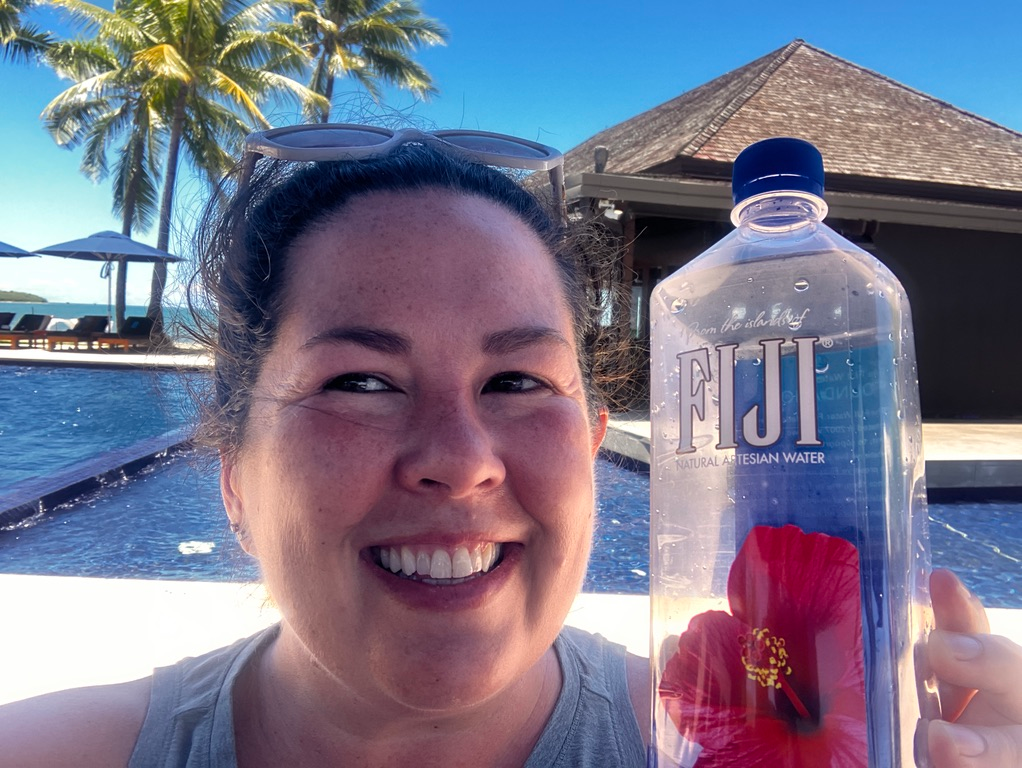
Fiji is an island nation of about 930,000 people in the South Pacific, spread across more than 300 islands, with most people living on the two main islands, Viti Levu and Vanua Levu. It’s a place of deep-rooted village traditions, Indo-Fijian markets scented with spices, and coral reefs that pull divers from around the world. You’ll hear “Bula!” all day long, see rugby jerseys everywhere, and notice how strongly community and church shape daily life. From polished resorts to quiet bays and back-road kava stalls, Fiji offers a mix of Pacific warmth and everyday real life that we’ll see in very different ways in each of our ports.
History:
For thousands of years, Fiji was home to Indigenous Melanesian and later Polynesian settlers who developed complex chiefly systems, seafaring skills, and rich ceremonial traditions. European contact increased in the late 18th and 19th centuries with whalers, sandalwood traders, and missionaries, followed by “blackbirding” and labor schemes that drew the region into global trade networks.
In 1874, Fijian chiefs ceded the islands to Britain, and Fiji became a Crown Colony. The colonial government encouraged large-scale sugar production and brought tens of thousands of Indian indentured laborers, whose descendants today make up a major part of the population and contribute strongly to Fiji’s multicultural identity.
Fiji gained independence in 1970, but the post-independence era has seen political tension and several coups, often tied to ethnic and constitutional issues. Over the past two decades, Fiji has worked toward more inclusive governance and now plays a key role in Pacific regional politics and climate diplomacy. Economically, tourism, sugar, remittances, and a growing services sector are central. Modern Fiji is a mix of village and urban life, Methodist churches and Hindu temples, kava circles and rugby fields—anchored by strong community ties and “Fiji time,” a famously relaxed approach to schedules.
Weather:
Average Temperatures: Daytime highs ~ 28-30 °C (82-86 °F); nighttime lows ~ 20-22 °C (68-72 °F).
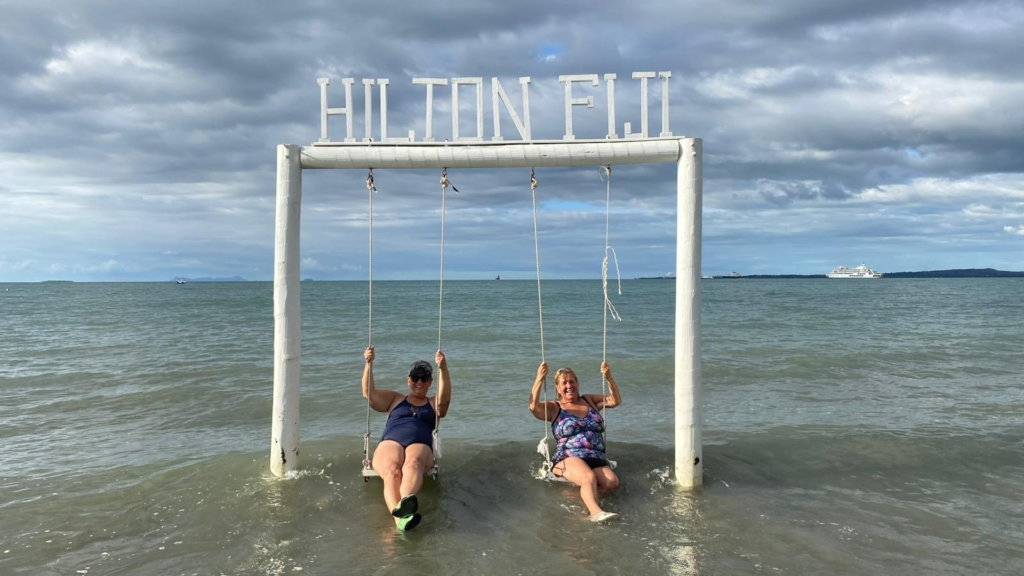
Climate: Hot, humid tropical conditions with the start of the wet/cyclone season—expect warm seas, high humidity, and the possibility of short, heavy showers or thunderstorms.
What to Wear: Lightweight, breathable clothing (linen/cotton or quick-dry fabrics). A long-sleeved top or light jacket for evenings or if you visit shaded/wet interior spots. Comfortable walking shoes/sandals—closed shoes recommended if walking trails. Reef shoes for rocky beaches, coral, or shore entries when snorkelling. Sun protection: hat, sunglasses, reef-safe sunscreen. Light rain jacket or travel umbrella (for those inevitable showers).
Cultural note: For village visits and some temples/churches, cover shoulders and knees (sulu or long skirt/loose trousers, t-shirt or light shirt).
Language:
Official Languages:
- English – widely spoken; used in government, business, and education.
- iTaukei (Fijian) – first language of most Indigenous Fijians.
- Fiji Hindi – first language of most Indo-Fijians.
Widespread in Tourist Areas:
- English is common in hotels, shops, and tour operations.
- Basic Fijian greetings are very appreciated in villages and local markets.
- You may also hear standard Hindi/Urdu, plus other Pacific and Asian languages in communities and on crew.
Helpful Phrases 🗣️ (Fijian)
- Hello / Welcome: Bula!
- Thank you: Vinaka (or Vinaka vakalevu – many thanks)
- Excuse me / Sorry: Tulou (passing in front of someone) / Au vosoti au (I’m sorry – more formal)
- How much? – E vica na kena i-sau?
- Bathroom / Toilet: “Toilet?” is widely understood; more formal: vale lailai (literally “small house”).
Currency:
- Fijian Dollar – FJD (F$).
- Exchange rates fluctuate, but as a rough guide: F$1 ≈ US$0.45–0.50 (check current rate on board or via a currency app like XE).
Cash vs Card
- Cards (Visa/Mastercard) are widely accepted in resorts, major restaurants, supermarkets, and tour desks.
- Smaller shops, market stalls, local buses, village donations, and some taxis are cash only.
- ATMs are available in Suva, Nadi (near Port Denarau), Lautoka, and larger towns; more limited on small islands.
Tipping etiquette
- Fiji traditionally does not have a strong tipping culture; tips are not mandatory or expected.
- In touristy areas, tips are appreciated but should be discreet and not flashy. Options:
- Overall: If service was exceptional, 5–10% in restaurants or rounding up taxi fares is generous.
- Tour guides: F$10–20 per guest for a full-day tour is considered very kind, not obligatory.
- Taxis: Round up to the nearest F$1–2.
- Massage/spa: 5–10% if you wish.
- Some resorts operate a staff fund “tip box” at reception; contributions are shared among staff.
Tasting:
Food:
- Lovo – Traditional underground earth-oven feast: meats, fish, and root vegetables wrapped (often in banana leaves), then slow-cooked in hot stones. Smoky, tender, and usually part of special nights.
- Kokoda – Fiji’s version of ceviche: raw fish marinated in citrus, mixed with coconut milk, chilli, and vegetables; served chilled, very popular in resorts and local restaurants.
- Rourou & Taro/Cassava – Rourou is cooked taro leaves (like a Pacific spinach) often in coconut milk, served with boiled or baked root crops such as taro and cassava.
- Palusami – Taro leaves filled with coconut cream (sometimes corned beef or fish), baked until rich and creamy.
- Roti & Curry – Reflecting the Indo-Fijian community: fragrant curries (fish, chicken, lamb, or vegetable) with roti, dahl, chutneys, and pickles.
- Fijian Buns & Pie-style snacks – Sweet coconut buns and savoury meat pies sold at bakeries, bus stops, and small shops.
Drinks:
- Kava (Yaqona) – Traditional ceremonial drink made from the ground root of the kava plant, mixed with water. Earthy, slightly numbing, and central to Fijian social and ceremonial life. Often offered in villages or during cultural nights.
- Fiji Bitter / Fiji Gold – Local beers commonly available in bars, resorts, and bottle shops.
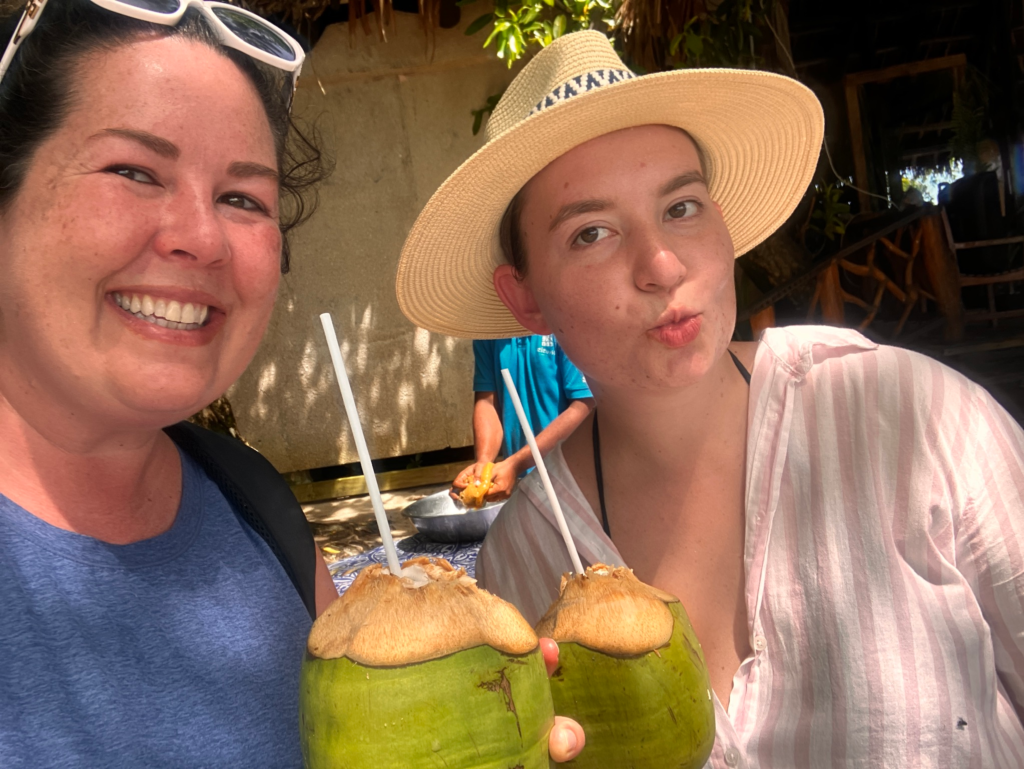
- Fresh tropical juices – Pineapple, mango, guava, and passionfruit are common; look for fresh juices and smoothies in cafés and resort bars.
- Bottled water & soft drinks – International brands plus Fijian bottled water widely available.
Travel Tips:
Village Etiquette: Dress modestly (shoulders and knees covered), remove hats in the village, and wait to be invited to sit. Ask before taking photos of people or inside homes.
Sunday Quiet: Fiji is quite religious; Sundays are often quieter with reduced public transport and more limited trading, especially outside resort areas.
Weather & Cyclones: Wet season (Nov–Apr) can bring heavy rains, flooding, and cyclone risk; follow ship and local advisories closely.
Mosquito-borne illness: Dengue, chikungunya, and Zika are present; recent years have seen dengue spikes. Use repellent, wear long sleeves/pants at dusk/dawn, and consider a plug-in or coil.
Standard food-hygiene practices (hot, cooked food; peel fruit; be cautious with street food in heavy heat) are sensible.
Personal Safety: Fiji is generally friendly, especially in resort areas. But don’t expect high safety standards- use city sense:Security – make sure you’re with someone and you look out for each other
- Security – make sure you’re with someone and you look out for each other
- Avoid walking alone late at night, especially in unlit urban areas.
- Do not leave your belongings unattended on the beach.
- If you see security guards, they’re there for a reason — pay attention.
- Keep valuables secure; be aware of bags in busy markets.
- Watch your drinks and don’t leave them unattended (especially in bars & busy venues)
- Alcohol-related petty crime can occur around bars/clubs in Suva or Nadi—stick with a group and pre-arrange transport back.
Scams & Hassle: In towns you may encounter persistent souvenir sellers or “guides.” A firm but friendly “No, vinaka” usually suffices. Agree taxi fares before starting if the meter is not used.
LGBTQ+ Travelers
- Same-sex activity is legal, and Fiji’s constitution includes protections against discrimination based on sexual orientation and gender identity.
- However, Fiji remains socially conservative; public displays of affection (straight or gay) are generally low-key.
- In resorts and tourist areas, LGBTQ+ couples are usually welcomed; in rural villages, it can be more comfortable to present as “friends” or keep affection discreet.
Water Safety: Tap water in Nadi, Suva and major resorts is generally treated and often considered safe, though some visitors prefer bottled due to taste. Outside main centers, tap water may not be safe; stick to bottled or boiled water, avoid ice where unsure.
Public Toilets
- Ports, malls, and supermarkets usually have toilets; quality and cleanliness vary.
- In smaller towns and villages, public toilets are limited; it’s often easier to use facilities in cafés, restaurants, or resorts while you’re a customer.
- On excursions, ask your guide about bathroom stops before leaving town.
Helpful Free Travel Apps
- Google Maps / Maps.me – Basic navigation and offline maps for towns and roads.
- XE Currency – Quick FJD⇄USD conversion.
- Google Translate – Helpful for simple Fijian or Hindi phrases (though English is widely spoken).