May 2026
It took me about 30 hours of travel to get home from Bali. With only three days until I left for Japan, Wendy and Stu took me straight to Lodi, where we met my cousins at a local street fair. I was a bit delirious, but happy I could squeeze in a visit with them.
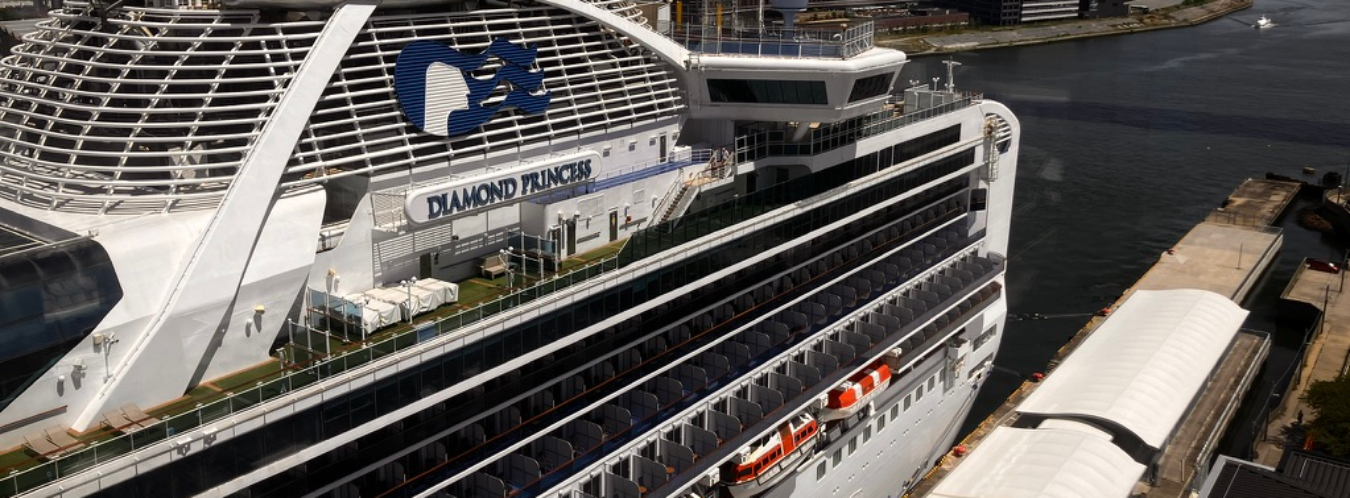
The Diamond Princess team had already emailed me to confirm my presentation schedule and desk hours for the first cruise. Would I be able to pre-record the first two presentations – Toba, a port I hadn’t visited, and Osaka, which I had- since we would visit those ports before we had a sea day?
Sure!
I’d have to create the Toba presentation and update the Osaka one I’d made for Villa Vie. I called a friend to teach me how to record them so the broadcast team could show them directly on the guests’ stateroom TVs.
Since Bali is only one hour behind Japan, I kept my body clock roughly on that time zone, staying up all night and sleeping through most of the day.
I repacked my bags (going from a very casual, endless cruise to 20 days with formal nights), put together my presentations and figured out how to record them. I recorded my Toba presentation in the middle of the night, relieved that I’d figured out the process.
I finished my Osaka presentation on the plane (only 11 hours this time), then recorded it at 6am in the hotel before joining the ship. Something went wrong halfway through, so I went for breakfast and some coffee, came back and re-recorded the second half before my 11am pickup. Victorious, I handed over the recordings to the Broadcast when I boarded.
That afternoon, after answering guests’ questions at the Destination Desk, I heard a rumor that the weather might turn our day in Toba may turn into a surprise sea day.
And it did!
With the unexpected sea day, I was able to do my Osaka presentation live- after essentially performing it twice already. This meant I didn’t end up needing either of the recordings I’d stressed over putting together.
So here’s the research I did for Toba if you end up going there. Maybe someday I will too.
Toba, Japan
Tucked along the rugged coastline of Toba in Mie Prefecture, this charming seaside city of approximately 18,000 residents is best known as the heart of Japan’s pearl industry and a gateway to the sacred landscapes of Ise-Shima. Surrounded by forested islands and calm bays, Toba offers a blend of maritime culture, traditional fishing communities, and refined Japanese heritage. It sits near the spiritually significant Ise Grand Shrine, one of Japan’s most revered sites. Expect scenic coastal views, fresh seafood, and a slower, authentic rhythm of life.
History:
Toba’s history is deeply tied to the sea. For centuries, it served as a fishing and maritime hub along the Kii Peninsula. The region gained prominence during the Edo period (1603–1868) as part of important coastal trade routes connecting Osaka and Edo (Tokyo). Local fishermen and the legendary ama—female free divers—have harvested seafood here for over 2,000 years, continuing a tradition that still exists today.
In the late 19th century, Toba became internationally known through the work of Kokichi Mikimoto, who successfully cultivated the world’s first cultured pearls in nearby waters. This innovation transformed both the local economy and the global jewelry market, earning Toba the title “Birthplace of Cultured Pearls.”
Modern Toba balances tourism with tradition. It remains a gateway to the Ise-Shima National Park and nearby sacred sites while preserving its fishing heritage, coastal villages, and artisan crafts. Today, visitors experience a blend of natural beauty, cultural continuity, and refined Japanese hospitality.
Itinerary:
Arrival: Saturday, May 9 – 7:00 AM (allow time for port clearance)
All Aboard: 4:00 PM
Weather
Average Temps (May):
- High: 22°C / 72°F
- Low: 16°C / 61°F
Climate: Mild and pleasant spring weather with low humidity. Occasional light rain showers are possible.
What to Wear: Light layers, comfortable walking shoes, and a light jacket. Bring a compact umbrella just in case.
Near the Pier:
Diamond Princess Tender Dock: Toba Marine Terminal at Sadahama Pier
Address: 1-2383-51 Toba, Toba City, Mie Prefecture 517-0011, Japan
Address in Japanese: 〒517-0011 三重県鳥羽市鳥羽1丁目2383-51
Nearby Essentials
- Pharmacy: Matsumoto Kiyoshi (near Toba Station – 5–10 min walk)
- ATM: Japan Post Bank ATM (accepts international cards)
- Grocery/Snacks: FamilyMart / Lawson convenience stores (5 min walk)
- Nearest Church: Toba Catholic Church (approx. 10 min by taxi)
- Nearest Shopping: Toba Ichibangai (local souvenir mall near station)
Getting Around:
- 🚶 Walking: Very walkable. Toba Station and main attractions are ~5–10 minutes from the port.
- 🚌 Public Transit: Local buses connect to attractions like Mikimoto Pearl Island and Ise. Fares: ~$2–$5 USD. Frequent service.
- 🚖 Taxis: Readily available at the port and station.
- Toba Aquarium: ~$5–$8 (5 min)
- Ise Grand Shrine: ~$40–$60 (20–25 min)
- 🚴 Bike Rentals: Available near Toba Station (~$10–$15/day). Great for coastal exploration.
Exploring:
Mikimoto Pearl Island
Birthplace of cultured pearls, where Kokichi Mikimoto revolutionized the global jewelry industry. The island blends museum exhibits, pearl craftsmanship displays, and live ama diver demonstrations, offering a rare look into a 2,000-year-old tradition.
Admission: ~$15 USD
Time: 1.5–2 hrs
Access: 5 min walk from the cruise dock
✨ Travel Tip: Time your visit to catch the ama divers in action—watching them free-dive without oxygen is a uniquely Japanese cultural experience you won’t see many places in the world.
Toba Aquarium
One of Japan’s largest and most diverse aquariums, Toba Aquarium is home to over 1,200 species, including rare marine life you won’t easily see elsewhere. Its highlight is the gentle dugong—making this the only aquarium in Japan where you can view this elusive creature—alongside baluga whales, playful **sea otters, walruses, and immersive themed zones.
Admission: ~$20 USD
Time: 2–3 hrs
Access: 5 min walk from the cruise dock
✨ Travel Tip: Arrive early in the day or later in the afternoon to avoid peak school group crowds and get the best views during feeding times.
Ise Grand Shrine
Japan’s most sacred Shinto site, Ise Grand Shrine (Ise Jingū) is dedicated to the sun goddess Amaterasu and has been a place of pilgrimage for over 2,000 years. The shrine complex is famously rebuilt every 20 years in a ritual of renewal, preserving ancient architectural traditions and spiritual purity. Set within a tranquil forest, the approach itself—crossing the iconic Uji Bridge and walking beneath towering cedar trees—is as meaningful as the shrine visit.
Admission: Free
Time: 2–3 hrs
Access: 20–25 min taxi from the cruise dock (~$40–$60 USD)
✨ Travel Tip: Visit early in the morning for a quieter, more spiritual experience, and follow local customs—bow at the torii gate, walk to the side of the path, and keep voices low.
Meoto Iwa
These iconic “wedded rocks” rising from the sea are among Japan’s most photographed coastal landmarks. Connected by a sacred Shinto rope (shimenawa), Meoto Iwa symbolize the union of husband and wife, as well as harmony between nature and spirituality. Located near the seaside Futami Okitama Shrine, the setting is peaceful and deeply symbolic, with waves crashing gently against the rocks.
Admission: Free
Time: 45 minutes
Access: ~20 min taxi from the cruise dock (~$30–$40 USD)
✨ Travel Tip: While sunrise and sunset are the most magical times, mid-day visits still offer beautiful coastal views—and fewer crowds for photos.
Learning:
Sea Folk Museum
A unique open-air and indoor museum showcasing Japan’s rich maritime heritage, with traditional fishing boats, coastal homes, and hands-on exhibits that bring seafaring life to life.
It preserves and interprets Japan’s coastal heritage, focusing on the lives, tools, and traditions of communities that have long depended on the sea for livelihood. The museum is recognized for its distinctive architecture and extensive ethnographic collections.
• Admission: ~¥1,200 (≈ $8 USD)
• Time: 1–1.5 hrs
• Access: ~15–20 min from port
✨ A fascinating deep dive into the traditions of coastal communities and the world of the ama divers.
Ama Hut Experience
Step inside a traditional fisherwomen’s hut and meet the legendary ama divers, who have harvested seafood by hand for centuries.
• Cost: ~¥4,500–¥7,500 (≈ $30–$50 USD)
• Time: 1–2 hrs
• Access: ~20–30 min from Toba
✨ Enjoy freshly grilled seafood over an open fire while hearing personal stories from the divers themselves—an authentic and memorable cultural experience.
Tasting in Toba
Toba is all about fresh seafood, thanks to its location along the rich waters of the Ise-Shima coast. The region is especially known for premium shellfish and traditional coastal cuisine shaped by the ama divers.
Ise Ebi (Spiny Lobster) A regional delicacy, often served sashimi-style or grilled.
Abalone (Awabi) Dived by ama and served grilled or raw.
Oysters (Uramura Oysters) Oysters are just past the season but you may still be able to find them Fresh, or grilled,
- Seafood Rice Bowls (Kaisendon): Bowls topped with a variety of fresh local seafood.
- Ise Udon: Thick, soft noodles in a rich soy-based sauce.
Matsusaka Beef (Nearby Specialty) One of Japan’s top wagyu beef varieties (from Mie Prefecture).
Shopping
• Toba Ichibangai – A convenient shopping complex near the port featuring local souvenirs, pearl jewelry, regional snacks, and specialty products from the Ise-Shima area.
✨ Look for authentic Mikimoto-certified pearls and locally made seafood treats.
Final Thoughts
Toba is a compact and charming coastal destination, making it easy to explore in a single day. Whether you’re drawn to its rich maritime heritage, fresh seafood, or cultural landmarks, there’s something here for everyone.
With its blend of tradition, nature, and authentic local culture, Toba offers a memorable and enriching day ashore—whether you explore independently or take advantage of a guided excursion.
My views do not necessarily reflect the views of my employer.