My views do not necessarily reflect the views of my employer.
I went on an awesome, full day tour with Michele and Steven in Hiroshima, so I’ll share the Port Talk here, and tell you about my day in the next post.
Hiroshima, Japan
Welcome to Hiroshima—a modern, vibrant city that has risen from tragedy to become a global symbol of peace and resilience. Set along the banks of the Ota River and the Seto Inland Sea, Hiroshima blends serene green spaces, moving memorials, historic temples, and lively shopping streets.
Home to over 1.1 million residents, Hiroshima is the largest city in the Chūgoku region of western Honshu and offers a warm welcome to visitors from all over the world. Its easygoing atmosphere, walkable city center, and proximity to Miyajima make it one of Japan’s most rewarding destinations.
History:
Hiroshima’s history stretches back to 1589 when feudal lord Mōri Terumoto built Hiroshima Castle, establishing it as a key political and economic center. Its strategic location along the Seto Inland Sea made it a hub for maritime trade and cultural exchange.
In the early 20th century, Hiroshima grew into a thriving industrial and military city. On August 6, 1945, it became the first city in history to suffer an atomic bombing. The blast destroyed much of the city and claimed tens of thousands of lives. The survivors—known as hibakusha—played a central role in rebuilding Hiroshima and promoting global peace.
Today, Hiroshima is defined not only by its past but also by its renewal. The Peace Memorial Park and Atomic Bomb Dome stand as UNESCO World Heritage Sites, while the city thrives with bustling shopping arcades, modern architecture, and vibrant festivals.
Itinerary:
Arrival: Saturday August 23 1:00pm (please allow time for port clearance)
Departure: Sunday August 24 All aboard: 5:00pm Sail away: 6:00pm
Weather
- Average Temps: High ~32 °C (90 °F), low ~25 °C (77 °F)
- Climate: Humid subtropical → hot, sunny, and humid in summer with occasional showers
- What to Wear: Light, breathable clothing, sunscreen, sunhat, and comfortable shoes. Carry an umbrella for sudden showers.
Near the Pier:
Hiroshima Cruise Ship Dock: Itsukaichi Public Wharf
Address: 8 Itsukaichi-ko 3-chome, Saeki-ku, Hiroshima City, Japan
Address in Japanese: 広島県広島市佐伯区五日市港3丁目8
Port Hours: Open 24 hours
Distance to City Center: ~15 km (~25–30 min drive)
Terminal Facilities: Souvenir shops, restrooms, information desk
About 200m from the ship to the port gate
About 70m from the ship to the terminal building.
Nearby Essentials:
- Pharmacy: Sun Drug Itsukaichi (~2 km)
- ATM: 7-Eleven Hiroshima Itsukaichi Store (~1.5 km)
- Grocery/Snacks: FamilyMart Itsukaichi Port (~1 km)
- Nearest Church: Noboricho Catholic Church (in city center)
- Nearest Golf: Geinan Country Club (~22 km)
- Shopping: Don Quijote Hiroshima Hatchobori, 5-3 Shintenchi, Naka-ku, Hiroshima 730-0034
Getting Around:
Complimentary Shuttle Bus: Itsukaichi Port ↔ Itsukaichi Station
A free shuttle service will operate between Itsukaichi Port and Itsukaichi Station on August 23 & 24. The journey takes approximately 15 minutes depending on traffic.
Saturday, August 23
- First departure from port: 12:30 PM
- Last departure from station: 6:45 PM (Last Bus to Ship)
Sunday, August 24
- First departure from port: 8:30 AM
- Last departure from station: 5:15 PM (Last Bus to Ship) ALL ABOARD: 5pm
Important Notes:
- Arrive 5–10 minutes early to ensure a seat.
- Seating is first-come, first-served.
- Timings are approximate; the local driver will do their best to maintain the schedule.
- If you need more flexibility, taxis are available at your own expense.
- Shuttles may operate before ship arrival and after all aboard to supplement local transport.
Getting to Hiroshima City Center from Itsukaichi Station
- Take the JR Sanyo Main Line from JR Itsukaichi Station to JR Hiroshima Station (~20 minutes, ¥330).
- From Hiroshima Station, you can connect via tram, bus, or taxi to major attractions such as the Peace Memorial Park, Hiroshima Castle, and the Hiroshima Museum of Art.
- Alternatively, take the tram from Itsukaichi Station directly to downtown Hiroshima (~40–45 minutes).
Getting around Hiroshima:
🚶 Walking: Most major sights are concentrated in the city center, making walking easy once there.
🚌 Public Transit: Hiroshima Electric Railway (Hiroden) trams connect the city center, Peace Park, and ferry terminal for Miyajima.
🚖 Taxis: Available at the port; fare to city center ~3,500–4,000 JPY.
🚴 Bikes: Rental bikes available at Peace Park and Hiroshima Station.
🚗 Car Rentals: Available near Hiroshima Station; reserve in advance.
🚌 Hop-On Hop-Off: The Meipuru-pu (pronounced “Maple-poo”) is Hiroshima’s dedicated sightseeing loop bus, named after the vibrant maple trees (meipuru in Japanese) found throughout the city. A convenient and scenic way to travel, it connects major tourist highlights and downtown areas including Hiroshima Castle, Peace Memorial Park, Shukkeien Garden, and the Museum of Art.
Fully eligible for Japan Rail Pass holders, making it a cost-effective option if you already hold the pass.
- Accepts major Japanese IC cards—PASPY, Suica, ICOCA, and more—plus fare can be paid in cash.
- If paying with cash: take a numbered ticket upon boarding, match it to the fare chart displayed, and deposit the exact fare in the fare box.
Witnessing:
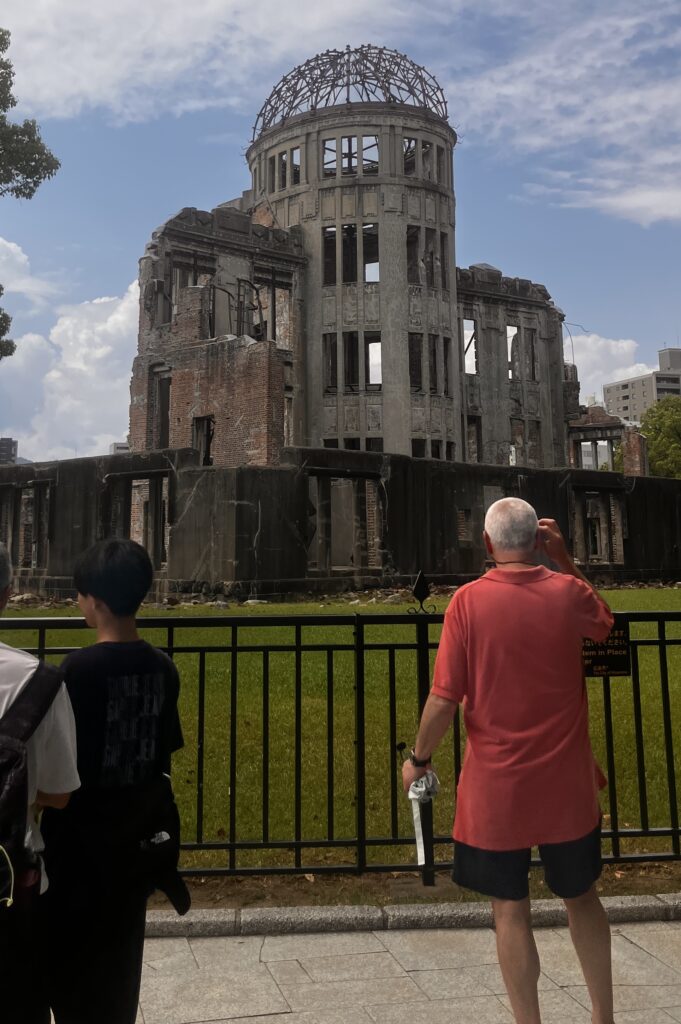
Peace Memorial Park & Atomic Bomb Dome (UNESCO): A moving collection of memorials, monuments, and museums dedicated to the victims of August 6, 1945, and to the promotion of peace. Highlights include:
- Atomic Bomb Dome – preserved ruins at the hypocenter of the blast.
- Peace Memorial Museum – compelling exhibits and survivor testimonies.
- Children’s Peace Monument – inspired by Sadako Sasaki’s story.
📍 Access: Hiroden Streetcar to Genbaku Dome-mae
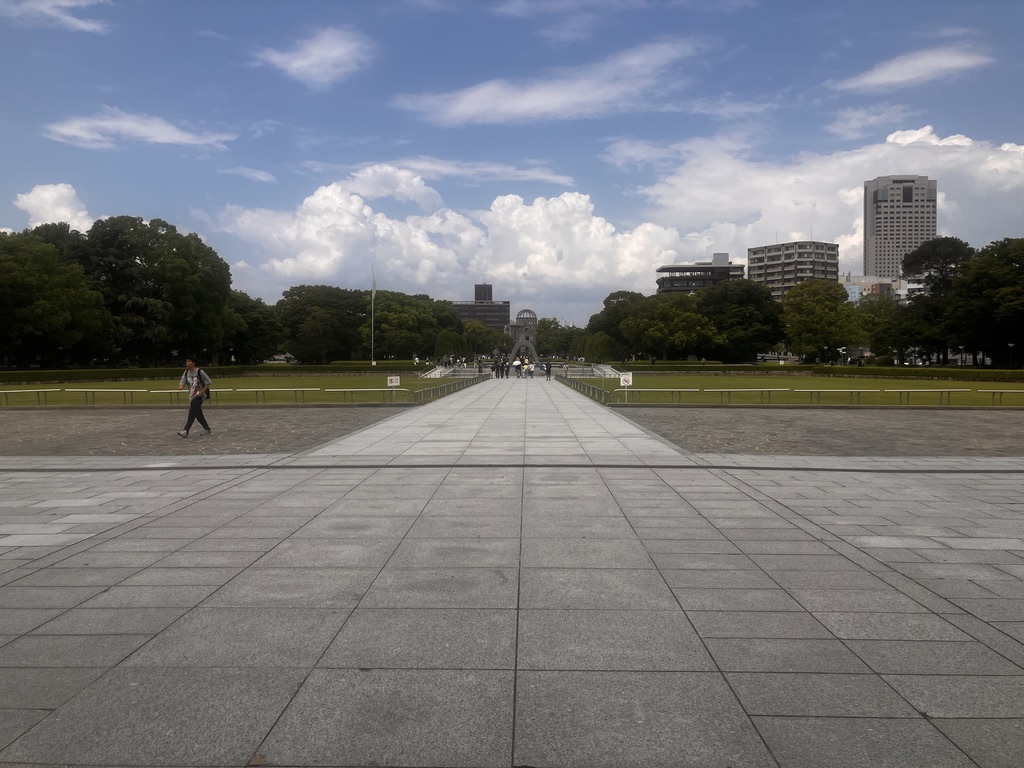
You don’t need tickets for Peace Memorial Park or the Atomic Bomb Dome (both are free and open to the public). Tickets are only required for the Hiroshima Peace Memorial Museum inside the park.
- The museum does sell timed web tickets in advance, and August has extended evening hours (a bit later entry windows) for visitors with reservations.
- The city’s official guidance says online reservations are accepted up to 90 days in advance; overseas sales are handled via Klook (domestic via Asoview). Same-day onsite sales are usually available if not sold out.
Tickets:
- If you want a specific time (especially late afternoon/evening in hot August), book a web ticket once your date falls inside the 90-day window.
- Otherwise, you can buy at the door on the day—lines vary by season, but walk-up is possible.
Tips:
- Book Peace Museum tickets online in advance in summer.
- Allow at least 2–3 hours for Peace Memorial Park and Museum.
- Respectful Conduct: Hiroshima is a city with a powerful history. While photos are allowed at the memorials, be mindful and quiet in sensitive areas.
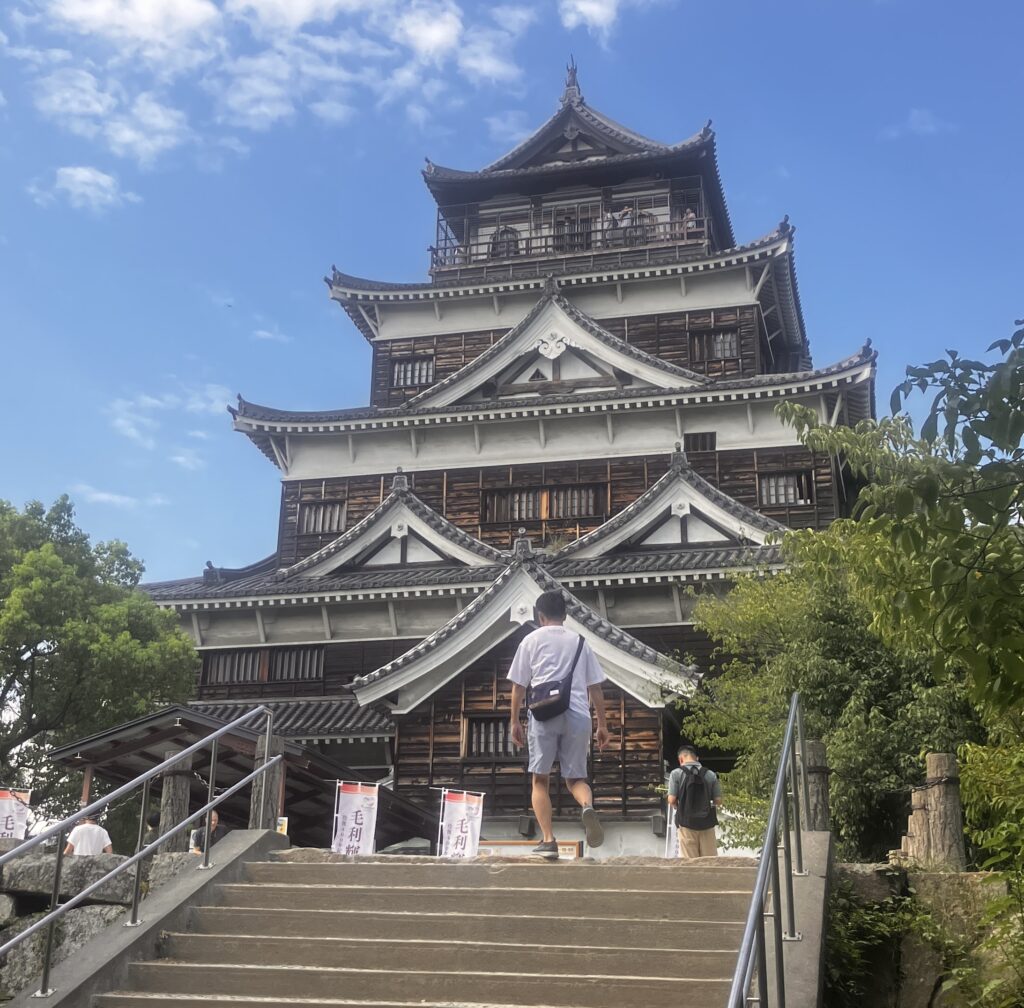
Hiroshima Castle: Known affectionately as “Carp Castle”, Hiroshima Castle was originally built between 1592 and 1599 by feudal lord Mōri Terumoto. It stood as the political heart of the region before being destroyed in the atomic bombing of 1945. Reconstructed in 1958, the current structure faithfully mirrors the original exterior and now houses a compelling museum that covers Hiroshima’s pre-war history and the legacy of samurai culture.
Highlights within the castle grounds include the restored Hiroshima Gokoku Shrine, moat-lined walkways, and several rare trees (holly, eucalyptus, willow) that survived the bombing—powerful symbols of the city’s resilience.
Visitor Information
- Admission (Main Keep): Adults ¥370;
- Access to Grounds: Free — park, shrine, and exterior areas are open to all
- Opening Hours (Apr–Sept): 9:00 AM – 5:30 PM (last ticket at 5:00 PM)
- Best Time to Visit: Early morning or late afternoon for cooler temperatures and better lighting for photos
- Inside the Keep: Museum exhibits on Hiroshima’s pre-war history and samurai culture, plus a top-floor observation deck with panoramic city views
- Photography: Usually permitted outside; restrictions may apply inside — check signage
- Facilities: Restrooms available in the park area
- Location Tip: The castle is within walking distance of the Peace Memorial Park, making it easy to combine visits in a single outing
📍 Access: 10 min walk from Kamiyacho tram stop
Shukkeien Garden (縮景園 – “Shrunken-Scenery Garden”): a historic Japanese landscape garden located in central Hiroshima, near Hiroshima Castle. First constructed in 1620 by Ueda Soko, a famous tea master and retainer of the Asano clan, it was designed to recreate miniature versions of scenic landscapes — hence the name “Shukkeien,” meaning “shrunken landscape garden.”
Highlights
- Central Pond & Islands:
The Takuei Pond sits at the heart of the garden, dotted with small islands and crossed by picturesque bridges. - Varied Landscapes:
The garden features carefully arranged valleys, hills, tea houses, bamboo groves, plum and cherry trees, and seasonal flower beds. - Tea Ceremony:
Visitors can enjoy matcha tea at the garden’s teahouse (extra fee).
Historical Significance
- Survived for over 300 years but was heavily damaged by the atomic bomb in 1945.
- Restored and reopened to the public in 1951, preserving its traditional Edo-period design.
Visitor Information
- Location: 2-11 Kaminobori-cho, Naka-ku, Hiroshima City
- Opening Hours: 9:00am – 6:00pm
- Admission: Adults ¥260;
- Access: About 15 min walk from Hiroshima Station, or take the Hiroshima Sightseeing Loop Bus (Meipuru-pu) to “Shukkeien-mae.”
Learning:
Hiroshima Museum of Art (ひろしま美術館): Opened in 1978, the Hiroshima Museum of Art was founded by the Hiroshima Bank to mark its centennial anniversary. Its mission is to promote peace through art, displaying works that reflect beauty, humanity, and cultural exchange. The museum is renowned for its impressionist and modern European works, alongside a significant collection of Japanese oil paintings.
Highlights
- European Masters: Monet, Renoir, Van Gogh, Cézanne, Picasso, and other impressionist and modern painters.
- Japanese Western-Style Art (Yōga): Works from the Meiji period to contemporary artists, showing Japan’s adaptation of European techniques.
- Special Exhibitions: Rotating thematic shows, often featuring loaned works from domestic and international institutions.
- Peace Message: The museum integrates art with Hiroshima’s identity as a city of peace, aiming to inspire through beauty and reflection.
Visitor Information
- Location: 3-2 Motomachi, Naka Ward, Hiroshima City (near Hiroshima Castle)
- Opening Hours: 9:00am – 5:00pm (last entry 4:30pm)
- Admission: Adults: ¥1,300 (varies with special exhibitions)
- Access: 10 min walk from Hiroshima Bus Center, or use the Meipuru-pu Hiroshima Sightseeing Loop Bus (“Hiroshima Museum of Art” stop)
- Located next to Hiroshima Castle and close to Shukkeien Garden
Hiroshima City Manga Library (広島市まんが図書館): Opened in 1997, the Hiroshima City Manga Library is Japan’s first public library dedicated entirely to manga. Its mission is to preserve, share, and celebrate the art and culture of Japanese comics. The library houses works ranging from early postwar publications to contemporary series, making it a treasure trove for enthusiasts and researchers alike.
Collection Highlights
- Massive Archive: Over 150,000 manga volumes, including classic titles, popular series, and rare or out-of-print works.
- Diverse Genres: Shōnen, shōjo, seinen, josei, and niche genres, plus international works translated into Japanese.
- Reference Materials: Books and periodicals about manga history, culture, and creators.
- Special Collections: Donated works, signed copies, and manga magazines from the 1950s onward.
Visitor Information
- Location: 17-1 Hijiyamakoen, Minami Ward, Hiroshima City (within Hijiyama Park)
- Opening Hours: Sat, Sun: 10:00am – 5:00pm
- Admission: Free
- Access:
- ~15 min walk from Hiroshima Station or
- Hiroshima Electric Railway (Hiroden) to Hijiyama-shita stop, then ~5 min walk uphill into the park
- Borrowing Policy: For residents of Hiroshima City; visitors can browse and read inside but cannot borrow books
Discovery:
Mitaki-dera Temple (三瀧寺): Nestled in the forested hills northwest of Hiroshima’s city center, Mitaki-dera is a serene Shingon Buddhist temple famous for its waterfalls, moss-covered statues, and tranquil gardens. Founded in 809 AD, the temple’s name means “Three Waterfalls Temple,” referring to the cascades within its grounds. It’s especially beautiful in autumn when the maple leaves turn brilliant shades of red and gold.
Highlights
- Three Waterfalls – Natural cascades that feed into koi ponds and streams winding through the temple grounds.
- Tahōtō Pagoda – A striking two-storied pagoda relocated from Wakayama in 1951 to honor victims of the atomic bomb.
- Forest Pathways – Quiet walking trails lined with stone lanterns, Buddhist statues, and seasonal flowers.
- Cultural Connection – The temple serves as a peaceful retreat from the city and a place for quiet reflection.
Visitor Information
- Opening Hours: 8:00 AM – 5:30 PM
- Admission: Free (donations welcome)
- Access: About 20 minutes from Hiroshima Station via the Kabe Line to Mitaki Station, followed by a 20-minute uphill walk. Taxis are also an option.
Hondōri Shopping Arcade (本通商店街): Hondōri is Hiroshima’s premier covered shopping street, stretching for about 500 meters through the heart of downtown. This pedestrian-only arcade is lined with a lively mix of department stores, fashion boutiques, souvenir shops, cafes, and restaurants, making it an ideal stop for both shopping and dining.
Located just steps from the Peace Memorial Park, Hondōri is a convenient place to stroll before or after visiting Hiroshima’s historic sites.
Highlights
- Variety of Shops – From big-name Japanese brands like Uniqlo and MUJI to quirky local stores selling anime goods, regional snacks, and Hiroshima Carp baseball merchandise.
- Dining Options – Try Hiroshima-style okonomiyaki, sushi, ramen, or sweet treats at the many eateries tucked along the arcade and its side streets.
- All-Weather Stroll – Fully covered, making it pleasant even on rainy or hot summer days.
- Evening Atmosphere – The arcade comes alive at night with neon lights, busy restaurants, and a steady flow of shoppers.
Visitor Information
- Opening Hours: Most shops open 10:00 AM – 8:00 PM (varies by store; restaurants often open later)
- Admission: Free to enter and walk through
- Access: 2-minute walk from Hondōri Station (Astram Line) or 5 minutes from the Genbaku Dome-mae tram stop.
Baseball: Hiroshima Carp vs. Chunichi Dragons
- Match: Hiroshima Toyo Carp vs. Chunichi Dragons
- Date & Time: Saturday, August 23, 2025 — Game starts at 6:00 PM, stadium gates open around 3:00 PM
- Venue: Mazda Zoom-Zoom Stadium Hiroshima (commonly known as Carp Stadium)
- Occasion: This is part of a three-game home series (“C vs. D”) running August 22–24 at the same venue
- Ticket Status: As of now, general admission tickets are still available for purchase, with seat selection on a first-come, first-served basis — booking is open until August 21 at 6:00 PM JST
- Prices: Tickets start from approximately ¥1,900 — may vary by seat type and vendor
Watching a Carp game at home is not just baseball—it’s a cultural experience. Known affectionately as “Carp,” this team symbolizes Hiroshima’s post-war revival and spirit. The enthusiastic “squat cheering” and collective energy of the fans make this a memorable evening even for casual newcomers.
Shopping:
Both LECT and YouMe Town are located outside the main downtown area, so they’re best reached by bus or taxi. If guests want a modern, lifestyle-oriented mall, recommend LECT. For a classic, family-oriented Japanese shopping experience, recommend YouMe Town.
🛍️ LECT Hiroshima: A large lifestyle shopping complex blending retail, dining, and cultural spaces. It combines a bookstore, food hall, and home goods under one roof.
- Highlights:
- T-Site Hiroshima: A stylish multi-level bookstore and lifestyle zone with cafés, curated shops, and workspaces.
- Food & Dining: A gourmet food hall with Japanese and international options, plus a supermarket showcasing local Hiroshima products.
- Lifestyle & Fashion: Mid-range and premium clothing, home design stores, and specialty boutiques.
- Vibe: Trendy, modern, and ideal for a relaxed afternoon of shopping, eating, and browsing.
🛍️ YouMe Town Hiroshima: One of Hiroshima’s largest shopping malls, part of the popular YouMe Town chain.
- Highlights:
- Fashion & Everyday Goods: Wide range of clothing stores, from casual to formal.
- Department Store Feel: Includes supermarkets, home goods, and cosmetics.
- Dining: Casual Japanese eateries and family-friendly restaurants.
- Entertainment: Often has seasonal events, promotions, and family activities.
- Vibe: More of a local Japanese shopping experience, with a mix of affordable and mid-range shops.
Hiking:
Mount Misen – Miyajima Island
- Trailheads: Momijidani Park, Daisho-in Temple, or Omoto Park
- Highlights: Ancient forests, stone steps, panoramic Seto Inland Sea views, wild deer, and historic Buddhist halls.
- Duration: ~1.5–2 hours one way (faster if descending via ropeway)
- Features: Summit observatory with sweeping island vistas; along the way, you’ll see sacred sites like Reikado Hall, where an eternal flame has burned for over 1,200 years.
- Tip: Combine hiking up with the ropeway down to save time.
- Access: Hiroden tram or JR to Miyajimaguchi → ferry to Miyajima.
Hijiyama Park
- Trailhead: Near Hijiyama-shita tram stop
- Highlights: Paved walking trails, art installations, cherry trees (spring), and views over Hiroshima city.
- Duration: 30–60 min circuit
- Features: Hiroshima City Museum of Contemporary Art at the top.
- Tip: Great for an easy, shaded walk close to the city center.
Mitaki-dera Temple & Falls
- Trailhead: 20 min walk from Mitaki Station (JR Kabe Line)
- Highlights: Three waterfalls, moss-covered pagodas, red bridges, and serene temple gardens.
- Duration: 1–1.5 hours round-trip from station
- Features: Shaded paths and seasonal flowers;
- Tip: Wear non-slip shoes—stone steps can be slick after rain.
Ninoshima Island
- Trailhead: From ferry terminal, follow signs toward Mount Aki-no-Kofuji trail
- Highlights: Island hiking with ocean views and WWII historical sites
- Duration: ~2–2.5 hours loop
- Features: Less crowded, peaceful, and only 20 min by ferry from Hiroshima Port
- Tip: Pack snacks—shops are limited on the island.
Takeda-yama (Mount Takeda)
- Trailhead: Near JR Itsukaichi Station
- Highlights: Views over Hiroshima Bay and surrounding mountains
- Duration: ~2–3 hours round-trip
- Features: Popular with locals for short day hikes and sunrise views.
- Tip: Start early in summer to avoid the afternoon heat.
Tips for Hiking in Hiroshima:
- Trails are generally well-marked, but a simple hiking app or offline map can be useful.
- Insect repellent is recommended for forested paths in summer.
Exploring:
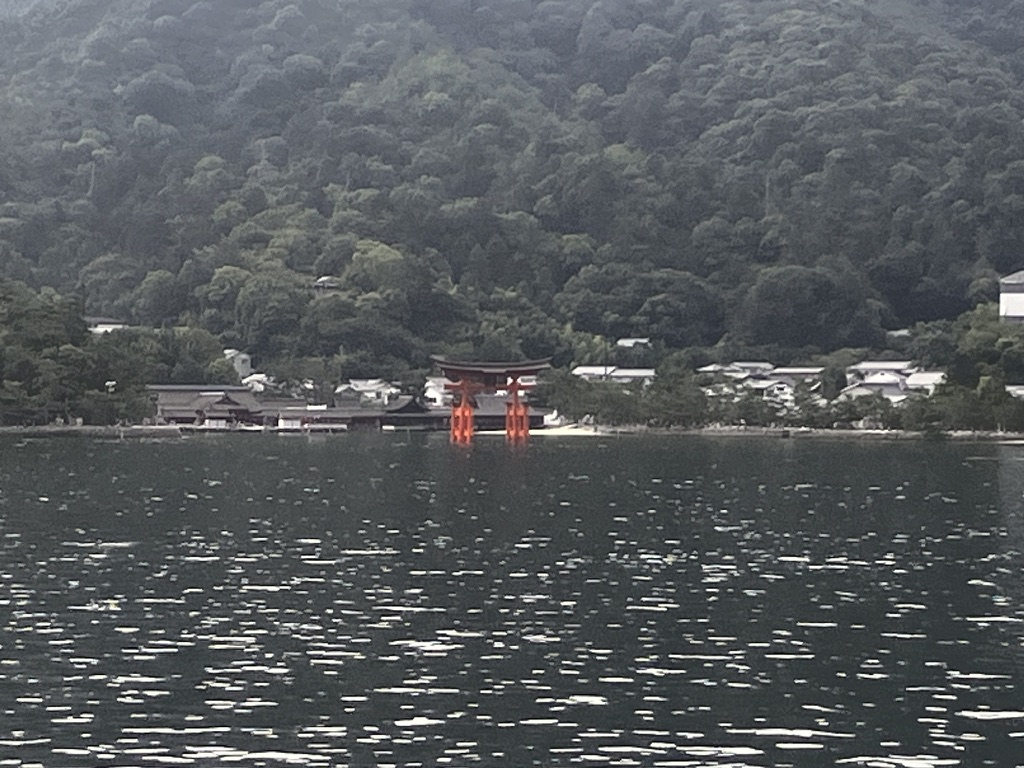
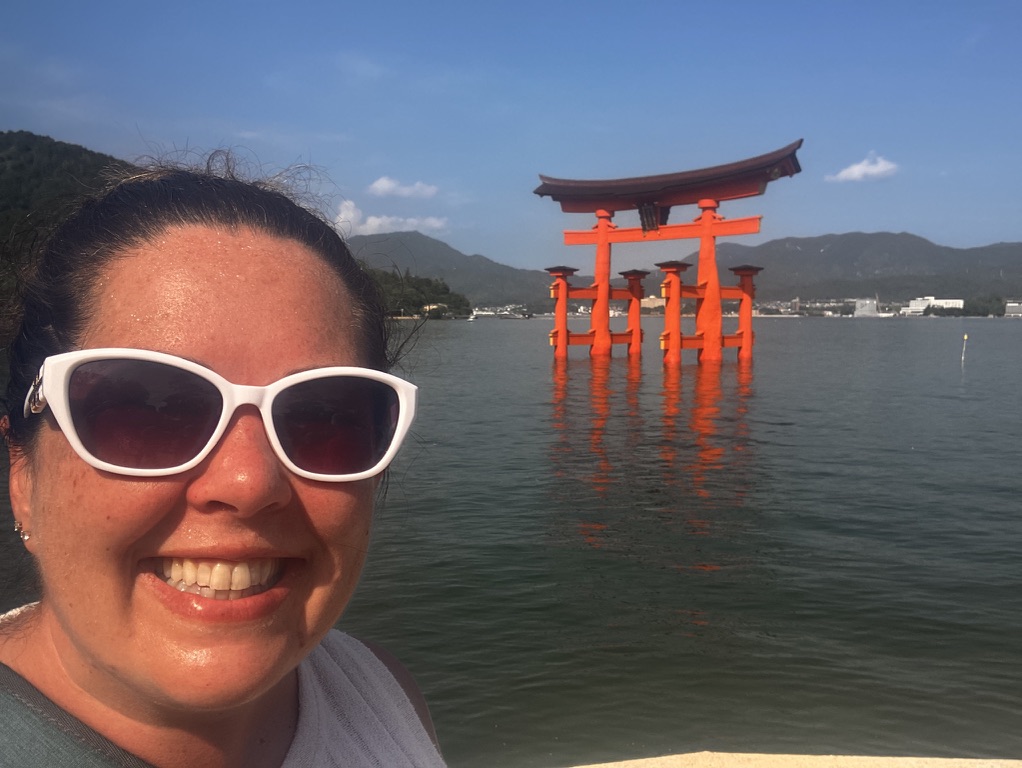
Miyajima Island (Itsukushima): Miyajima, officially called Itsukushima, is a small island in Hiroshima Bay renowned for its scenic beauty and cultural heritage. It is considered one of Japan’s “Three Most Scenic Views” (Nihon Sankei). The island is especially famous for the vermilion floating torii gate of Itsukushima Shrine, which appears to rise from the sea at high tide.
UNESCO Status
- Itsukushima Shrine was designated a UNESCO World Heritage Site in 1996.
- The shrine and surrounding island are also designated as a National Historic Site and Special Place of Scenic Beauty.
Key Attractions
- Itsukushima Shrine – Shinto shrine built over the water, dating back to the 6th century.
- Floating Torii Gate (Ōtorii) – Iconic vermilion gate that appears to float during high tide.
- Daisho-in Temple – A beautiful Buddhist temple complex with mountain views.
- Mount Misen – Offers panoramic views over the Seto Inland Sea; accessible via ropeway and hiking trails.
- Momijidani Park – Maple valley, especially stunning in autumn.
- Five-Story Pagoda – Elegant structure near the shrine.
Getting There from Hiroshima
- By Train + Ferry:
- JR Sanyo Line from Hiroshima Station to Miyajimaguchi Station (about 25 min)
- JR Ferry or Matsudai Ferry from Miyajimaguchi to Miyajima Island (about 10 min)
- JR Pass holders can use the JR train and JR Ferry for free.
- By Boat from Hiroshima Peace Park:
- Direct ferry (about 45–50 min) for a scenic approach.
Visitor Tips:
Best Time to Visit: High tide for the floating gate effect; check tide schedules in advance.
Footwear: Comfortable walking shoes—many attractions require walking on gravel or uphill paths.
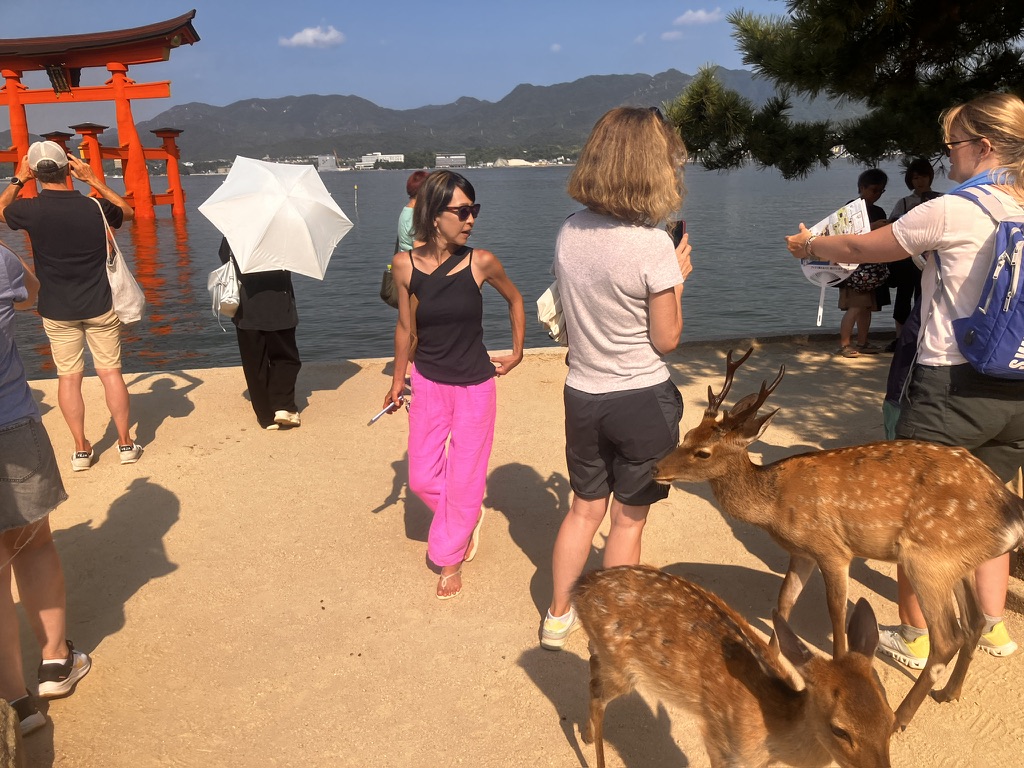
Deer: Semi-wild deer roam the island. They are tame but may try to eat paper or food from your hand.
Overnight Option: Staying in a ryokan on the island allows you to see the gate illuminated at night and enjoy a quieter atmosphere after day visitors leave.
Local Food
- Fresh Oysters – A regional specialty, available grilled or raw.
- Anago Meshi – Grilled conger eel over rice.
Hidden Gems:
Fudenosato Kobo Brush Museum – This little town (7 miles from Hiroshima) supplies Japan with most of its calligraphy brushes, still made by hand from animal fur.
World’s Largest Rice Scoop – This enormous “shamoji” means more to the people of Miyajima (10 miles from Hiroshima) than just a way of getting rice onto a plate.
Tasting:
- Hiroshima-style Okonomiyaki – “Hiroshima-yaki” layered savory pancake with noodles, cabbage, pork, egg, and sauce.
- Oysters – fresh from the Seto Inland Sea, served grilled or raw. Hiroshima Prefecture supplies at least 60% of Japan’s oysters.
- Momiji Manju – maple leaf-shaped sponge cakes filled with sweet bean paste or custard.
- Hiroshima Tsukemen – spicy dipping noodles served cold in summer.
Okonomimura: Multi-story food complex specializing in Hiroshima-style okonomiyaki.
Takaki Confectionery – Tea Ceremony Near the Atomic Bomb Dome
- What It Is: A historic confectionery shop offering a table-style Japanese tea ceremony experience just a 5-minute walk from the Atomic Bomb Dome.
- Highlights:
- Choose from seasonal Japanese confections.
- Explore a traditional tea room used historically by locals.
- Participate in seated matcha serving and learn to pour your own tea.
- Learn about the shop’s restoration following the 1945 bombing.
- Details:
- Duration: ~1 hour
- Languages: English guide
- Booking: Available via GetYourGuide, with free cancellation up to 24 hours prior.
Samurai-Style Tea Room & Ceremony at Hiroshima Electric Railway HQ
- What It Is: A unique, small-group tea ceremony experience in historic rooms tracing back to samurai traditions.
- Highlights:
- Tour preserved tea rooms not open to general public.
- Enjoy matcha tea and wagashi (Japanese sweets).
- Learn about Hiroshima’s post-war recovery, including stories of streetcar revival.
- Offered next to the Peace Park in the Hiroshima Electric Railway headquarters.
Nightlife:
Hiroshima’s nightlife is centered around Naka-ku, making it easy to walk between Nagarekawa, Molly Malone’s, and riverside bars. Taxis are plentiful for late-night returns.
- Nagarekawa District: Hiroshima’s buzzing nightlife hub, filled with izakayas, karaoke bars, pubs, and small clubs. This is where locals and visitors go to enjoy drinks, casual dining, and late-night entertainment. Great for bar-hopping and sampling Hiroshima’s lively atmosphere.
- Orizuru Tower: A unique evening spot next to the Peace Memorial Park. The rooftop observation deck offers illuminated city views and a peaceful atmosphere. Visitors can also fold paper cranes (“orizuru”) inside the tower before heading out for the night.
- Irish Pub Molly Malone’s: A cozy, expat-friendly pub located in Naka-ku. Known for pints of Guinness, craft beers, hearty Western pub food, and live sports screenings, it’s a popular spot with both locals and international travelers looking for a familiar vibe.
Live Music & Jazz in Hiroshima
- Lush Life: A cozy, soulful jazz bar housed in Naka Ward. Owned by renowned local saxophonist Suetoshi Shimizu, this intimate venue seats around 20 and features nightly jazz performances, often led by Shimizu himself. It’s ideal for relaxed, authentic live music experiences.
- Otis! Part restaurant, part live music venue, Otis! offers Tex-Mex dishes alongside performances that range from jazz to blues and rock. Located just south of Peace Memorial Park, it’s a great pick for dinner with a musical backdrop.
- Organ-Za An eclectic underground spot in Tokaichi, blending live music, cabaret, and burlesque. The atmosphere is artsy and retro, complemented by fusion snacks and drinks. Ideal for those seeking something offbeat and creative.
- Club Quattro A renowned downtown concert venue located within Hondōri Arcade. This larger live venue draws both Japanese and international acts, including past performances by bands like Nirvana and Oasis.