My views do not necessarily reflect the views of my employer.
After docking in Yokohama every ten days on the Diamond Princess, I never actually made it to Tokyo. Turnaround days were tricky – more of us needed to be onboard for debarks, embarks, etc. There was one day when I had the most time I could reasonably hope for, but the heat and humidity left me too exhausted to venture that far out of my comfort zone.
This time around, we had four days in a row docked in Yokohama. Even though it was still hot and humid, my schedule was far more flexible, and I wanted to take advantage of it.
As I began my research, one thing became certain – I wanted to do a food tour in Tokyo. I signed up before giving my presentation, securing my spot before telling the residents about it. Yokohama also looked even more fun than I remembered, so I knew I’d need to carve out some more time there as well.
To align with my experience, I’ll share my research with you first, and I’ll save my adventures for future posts.
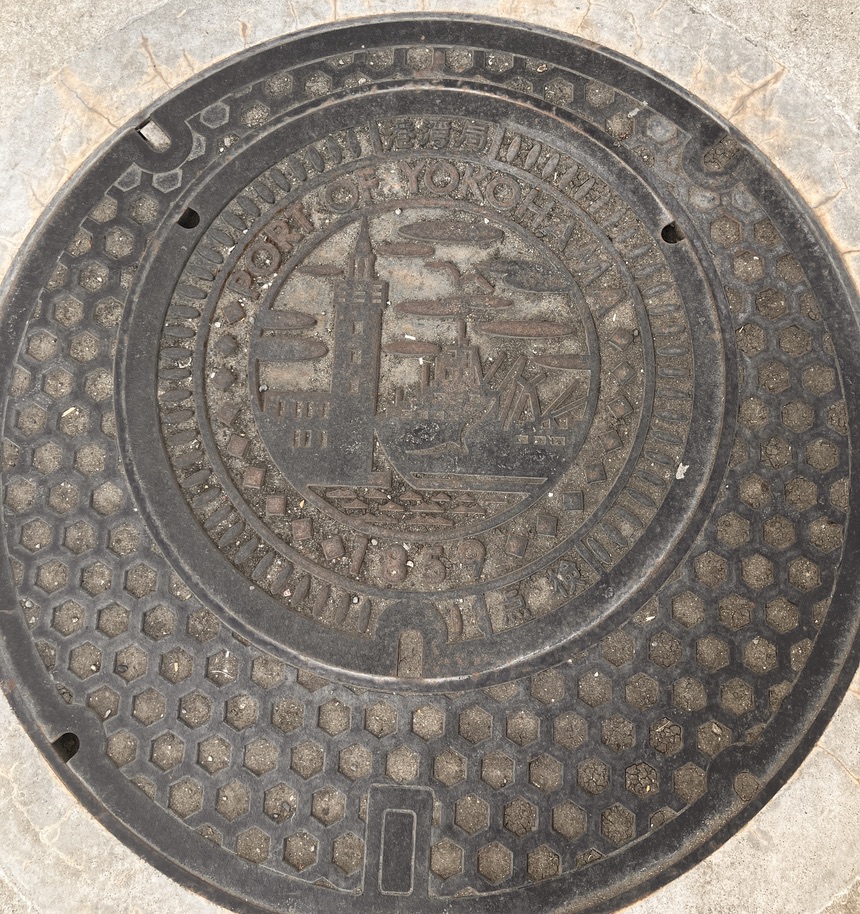
Yokohama, Japan
Yokohama is Japan’s second-largest city (with a population of over 3.7 million people) and a dynamic, cosmopolitan port just south of Tokyo. As of 2025, the estimated population of Tokyo Metropolis is approximately 13.8 million people within the 23 special wards. When including the greater Tokyo metropolitan area—which encompasses parts of neighboring prefectures like Kanagawa, Saitama, and Chiba—the population rises to over 37 million, making it the largest metropolitan area in the world by population.
Once a quiet fishing village, Yokohama transformed rapidly after becoming one of the first Japanese ports opened to international trade in 1859. Yokohama was where the first foreign trading port, Chinatown, English-language newspaper, beer factory and railway station were established in the country. Today, Yokohama blends its maritime legacy with modern innovation—offering scenic waterfront parks, red brick warehouses, world-class museums, and sleek skyscrapers like the iconic Landmark Tower. Its wide boulevards, public art, and laid-back vibe offer a refreshing contrast to nearby Tokyo, making Yokohama both an exciting destination in its own right and a perfect base for exploring Japan’s capital region.
Itinerary:
Arrival: Monday August 11 7:30am
Departure: Thursday August 14 All aboard: 6:00pm Sail away: 7:00pm
Port gates and gangways will be open 24 hours.
Weather
- Average Temps: Mid‑20 °C to low 30 °C (77–86 °F)
- Climate: Warm and humid; occasional late-summer showers
- What to Wear: Lightweight clothing, sun protection, and a light rain layer
History:
Yokohama was originally a small fishing village along the Tōkaidō road in present-day Kanagawa Prefecture. It remained relatively rural and undeveloped, overshadowed by the nearby city of Kanagawa-juku, a post town on the route connecting Edo (Tokyo) and Kyoto.
In 1854, Commodore Matthew Perry of the U.S. Navy arrived in nearby Uraga Bay with his “Black Ships,” pressuring Japan to end its isolationist sakoku policy. This led to the Treaty of Kanagawa, and in 1859, the Port of Yokohama officially opened to foreign trade.
To keep foreign influence away from Edo (modern Tokyo), the Tokugawa shogunate designated the remote Yokohama area—rather than Kanagawa—for foreign settlement. Thus, Yokohama rapidly developed into a major international port.
During the Meiji era, Yokohama became Japan’s window to the world. Western influences shaped its architecture, education, technology, and cuisine. The city was a hub for:
- Silk and tea export
- Foreign newspapers and printing
- Japan’s first railway line (between Yokohama and Shimbashi, opened 1872)
- The introduction of ice cream, beer brewing, and jazz
The Yokohama Foreign Settlement housed diverse communities—British, Chinese, French, and more—making it a cosmopolitan center.
A devastating 7.9 magnitude earthquake struck on September 1, 1923, flattening most of Yokohama. Fires and damage killed over 30,000 people and destroyed much of the historic foreign settlement and port infrastructure. Rebuilding efforts followed, but the disaster marked a major setback.
During WWII, Yokohama’s port and industrial zones made it a key target. Allied air raids in 1945 leveled much of the city again. Postwar, it became the site of a major U.S. military presence and was instrumental in Japan’s postwar reconstruction.
Despite its transformation into a modern metropolis, Yokohama retains its legacy as Japan’s first and foremost international port city.
Near the Pier:
Cruise Ship Dock: Shinko Berth (Ōsanbashi)
Address: Kaigandori 1‑1‑4, Naka-ku, Yokohama
🚢大さん橋ふ頭
住所:神奈川県横浜市中区海岸通1丁目1番4号
- Distance to Town Center: ~2 km
- From Ship to Port Gate: ~200 m; to Terminal Building: ~70 m
Nearby Essentials
- Pharmacy / Convenience Store / ATM: Located within the terminal building and in nearby Bay Quarter shopping area (Lawson’s 24/7 ATM; Mizuho Bank ATM open 7:00 AM–10:30 PM)
- Grocery / Snacks: Red Brick Warehouse and nearby World Porters mall have supermarkets and snack shops
- Nearest Church & Golf: Available downtown via tram or taxi (street-level access via walking or transit)
www.yokohamajapan.com/maps
Getting Around:
🚶 Walking: The ship dock is just 2 km from central landmarks like the Red Brick Warehouses and Chinatown—easily walkable. Walk the linking promenades between waterfront parks; it’s mostly flat and scenic.
🚌 Public Transit:
- Transport Cards: Use Suica or PASMO cards for smooth tram/bus/train access.
- Sightseeing city loop buses Akai Kutsu and Bayside Blue run from Sakuragicho/Yokohama Station, covering Minato Mirai, Chinatown, Yamashita Park, and Sankei-en. First ride ~¥220; day pass ~¥600
- Municipal buses service local routes including Osanbashi → Motomachi/Port
🚖 Taxis: Lanes available at terminal; 10–15 minute rides to major sights or Yokohama Station. Shared escort services available for Tokyo transfers. Average fare to Haneda: ~30 min (traffic permitting)
🚴 Bike Rentals: Bay Quarter offers BayBike bike-sharing (8:00 AM–10:00 PM) with bikes and docks near the pier
🚗 Car Rentals: Short-term car rentals available at nearby outlets (e.g., Times Car Rental)
🛳 Tour Boat / Water Bus:
- Keihin Ferry Boat lines connect Ōsanbashi → World Porters → Nippon-Maru loop
- The Port Service offers scenic sea-bus routes including Yokohama Station → Yamashita Park → Red Brick Warehouse
Witnessing:
Yamashita Park (山下公園, Yamashita Kōen) is Yokohama’s first seaside urban park, opened in 1930 on reclaimed land using rubble from the devastating 1923 Great Kantō Earthquake. Stretching nearly 700 m along the waterfront, the park features spacious lawns, flowerbeds, seasonal rose gardens, fountains, waterfront promenades, and benches ideal for relaxing with views of Yokohama Bay and the Minato Mirai skyline. Iconic monuments—including the Girl with Red Shoes statue, the Guardian of Water (a gift from San Diego), an Indian Water Fountain, and a “Seagull Sailor” song memorial—are scattered through the landscape. Adjacent attractions include the historic ocean liner Hikawa Maru, now docked permanently as a museum ship and designated an Important Cultural Property, and nearby the Yokohama Marine Tower, offering panoramic city and bay views from its 100 m observation deck. The park remains free to enter and is loved by both tourists and locals as a scenic spot for seasonal strolls, picnics, and community events
Discover Minato Mirai 21 (横浜みなとみらい21) — Yokohama’s iconic “Harbour of the Future.” This expansive waterfront district spans approximately 186 hectares and links the historic Kannai and Yokohama Station areas into a modern, mixed-use urban core.
🌆 What to See & Do
- Yokohama Landmark Tower: Standing at 296 m, it was Japan’s tallest building from 1993 to 2014. Its Sky Garden observatory affords sweeping views of the bay, Tokyo Tower, Skytree, and, on clear days, Mt. Fuji.
- Cosmo Clock 21 & Yokohama Cosmo World: A 112.5 m Ferris wheel originally built for YES ’89, offering views of the sea and city skyline. The adjacent amusement park includes a coaster and other rides.
- Nippon Maru sailboat & parks: Explore the retired four-masted ship at Nippon Maru Memorial Park, then stroll the shoreline at Rinko Park and the Kisha-michi Promenade.
- Sakuragicho Station (JR Negishi & Subway lines) is another convenient gateway and connects to the Yokohama Air Cabin ropeway, offering aerial views en route to Shinko district.
Outdoor Beer Gardens: To beat the heat in hot summer season, Japanese have a tradition to go to the beer gardens with fresh air and ice-cold beers! The outdoor terrace and rooftop beer gardens open only during the summer season. Enjoy the “beer gardens” with the beautiful harbor night view over port of Yokohama!
- Shin Yokohama Prince Hotel -ROOF TOP BBQ BREEZE TERRACE SHINYOKOHAMA-
- YOKOHAMA GRAND INTERCONTINENTAL HOTEL -Ocean View HAMA BEER-
Learning:
The Cup Noodles Museum Yokohama, officially known as Ando Momofuku Invention Memorial Hall, is a four‑story interactive showcase devoted to the invention and global impact of instant ramen. Open daily from 10:00 to 18:00 (last admission 17:00) and closed on Tuesdays, general entry costs ¥500 for adults. Highlights include the Instant Noodles History Cube, displaying over 3,000 product variations, Momofuku Ando’s recreated workshop, and creative exhibits like the marble coaster and creative‑thinking installations.
Visitors can also enjoy hands-on workshops: at the My CUPNOODLES Factory, for an additional ¥500, you design and customize your own cup of noodles; at the Chicken Ramen Factory, for ¥1,000 (advance reservation required, and typically for pairs), you make noodles from scratch. There’s also a Noodles Bazaar – World Noodles Road, where you can sample international noodle dishes in a mini food market atmosphere. Compact yet engaging, this museum blends food education, creativity, and cultural storytelling—ideal for families, food lovers, and curious travelers alike.
The Yokohama Archives of History, housed in the former British Consulate building next to Port Opening Square, chronicles Yokohama’s transformation from isolation to international trade, beginning with Commodore Perry’s arrival in 1853. Operating since 1981, the museum showcases some 250,000 documents, photographs, and artifacts spanning from the late Edo period through the early Showa era.
Open 9:30 AM–5:00 PM (last entry 4:30 PM), except Mondays and year-end holidays, admission is ¥200 for adults and ¥100 for students. Just a few steps from Nihon-odori or Kannai stations, it’s perfectly located between Chinatown and Yamashita Park. Visitors can explore free exhibits, a small café, and a charming courtyard featuring historic camphor trees and plaques commemorating consulate and British court history. An excellent spot for history buffs or visitors curious about Yokohama’s role in Japan’s opening to the West.
Yokohama Museum of Art: Located next to Landmark Tower, this bright and modern museum showcases Western masters and prominent Japanese artists in a Kenzo Tange–designed building.
Discovery:
Yokohama Chinatown—Yokohama Chūkagai—is Japan’s largest and most colorful Chinatown, established in the late 19th century after Yokohama’s port opened to foreign trade in 1859, attracting Chinese merchants from Shanghai, Guangdong, and Hong Kong. Located in Naka Ward, it spans roughly 500 m² and features around 250–600 Chinese-themed shops and restaurants packed into a lively maze of streets. Stroll beneath ornate gates like Zenrinmon, visit temples including the Ma Zu Miao and Kwan Tai Temple, and feast on authentic and fusion Chinese cuisine—think xiaolongbao, dim sum, Peking duck, and more. Access via Motomachi‑Chūkagai Station (Minatomirai Line) or Ishikawachō Station makes it an easy and popular stop for tourists and locals alike, often paired with visits to nearby Motomachi, Yamashita Park, and Harbor View Park.
Yokohama Kuan Ti Miao (関帝廟), also known as Kanteibyo or Guan Di Miao, is one of the most iconic landmarks in Yokohama Chinatown. Established in 1862 by Chinese immigrants, the temple was rebuilt several times following calamities including the Great Kanto Earthquake (1923), wartime bombing, and fire, with the current structure inaugurated on August 14, 1990. After the austerity of Japanese shrines, this one screams opulence and power with unending, intricate designs, elbowing for attention. Roof dioramas tell of trade, with food-laden baskets among a parade of horse-drawn carriages, and the heavens above are inhabited by tigers and cranes; a mini globe of the world is shrouded in carved clouds – and that’s just one roof!
Sankeien Garden (三溪園) in Yokohama’s Naka Ward is a sprawling traditional Japanese garden (175,000 m²) founded by silk merchant and art collector Tomitaro “Sankei” Hara. Opened to the public in 1906, it showcases 17 historic buildings—10 designated as Important Cultural Properties—relocated from across Japan, including Kyoto and Kamakura. The garden blends ponds, streams, walking trails, tea houses, bamboo groves, and seasonal plantings like cherry blossoms, irises, and autumn foliage. Its iconic three-story pagoda and serene landscapes evoke Kyoto’s beauty. Donated to Yokohama in 1953 after wartime damage, Sankeien is today a nationally designated Place of Scenic Beauty and a peaceful haven for visitors year‑round.
Hidden Gems:
Shin-Yokohama Ramen Museum – This historical THEME PARK celebrates all things noodle (with 9 restaurants that serve half portions)
Hara Model Railway Museum – The largest collection of model trains in the world is actually run using full-size locomotive technology
Tin Toy Museum Kitahara Collection – More tin toys than you can shake a clapping monkey at.
Umi-Shibaura Station – Passengers are not allowed to set foot outside this station, but you can still enjoy spectacular views of the sea from the platform.
Taya Caves – A network of ancient tunnels and vaulted chambers with mystical Buddhist reliefs, built for ascetic training
Green Thumb – Home to herbal cosmetics, teas and a unique set of dolls known as kitchen witches.
Kokudo Station – Unchanged for decades, World War II era bullet holes and nostalgic ghost signs still haunt this desolate train station.
Ganki Inari – A narrow, dead-end alley hides with a small fox shrine and the untold history of Yokohama’s historic re—light district.
Yokohama Doll Museum – Home to thousands of dolls from around the world, including the ”blue-eyed dolls” that came to Japan as American ambassadors.
Odoriba Station – This subway station is named after a local legend about supernatural dancing cats.
Rising Sun Revolving Door – At the time of its construction, this type of door was nearly unheard of.
Site of the Namamugi Incident – After an Englishman was killed by a samurai here, in 1862, a two-day war changed the course of Japanese history.
Shake Hands with Lima-Chan – Commemorating the Japanese migration to Peru, this statue has a sister standing across the Pacific.
Noge-Miyakobashi Shotengai (Harmonica Alley) – This retro izakaya street is a unique legacy of the 1964 Tokyo Olympics.
Urashima-Kannon Temple – Associated with one of Japan’s most famous fairy tales, this temple is home to a statue purportedly brought from the undersea palace of the Dragon God.
Tsuzuki Mamoru-kun – A giant gorilla guardian of the neighboorhood, warning people to drive safely.
Dr. Hepburn’s Former Residence – The man who created the first Japanese-English Dictionary.
Events:
Mountain Day (August 11)
- Purpose: To provide opportunities for people to get familiar with mountains and appreciate the blessings they provide.
- Introduced: First observed in 2016, it’s Japan’s newest public holiday.
- Typical Celebrations: Many people take day trips or hikes, visit nature parks, or simply relax outdoors. Some areas host local festivals or cultural events themed around mountains or nature.
Since it’s a public holiday, you may notice:
- Banks and government offices closed
- Crowds at scenic or tourist spots
- Busy public transportation and highways
Sankeien Garden Early Morning Lotus Viewing 2025
The Lotus plant is commonly cultivated in the water gardens with its roots firmly in the mud with its pure white and pink flower raised above the water. This is why it is often symbolized as purity, majesty, grace and serenity. During the lotus blossoming season, Sankeien Garden opens at 7 a.m. for visitors to see the flowers in full bloom in the refreshing morning air.
The beautiful and fragrant Lotus flower opens in the morning and petals close in the afternoon. The best time of the day to view the flowers in full bloom is around 7 a.m. The flowers begin to close from around 9 a.m. and they are fully shut by noon. Open August 11
Yokohama Zoological Gardens “ZOORASIA”〈Night ZOORASIA〉
At Yokohama Zoological Gardens Zoorasia, the special summer event ‘Night Zoorasia’ will be held, extending opening hours on Monday, August 11 (a public holiday), offering a nighttime zoo experience. The zoo will extend its opening hours until 8:00 PM, offering a rare chance to experience the unique atmosphere of the zoo after dark.
In addition to observing animals at night—something you can’t usually do—visitors can enjoy illuminations, gourmet treats from kitchen cars, interactive workshops, and fun quizzes about the savanna.
It’s a perfect evening full of discovery, entertainment, and learning about animals in a whole new way.
From Saturday, August 2 to Sunday, August 31, 2025, the Yokohama Red Brick Warehouse Event Plaza will host Red Brick Breeze 2025.This popular summer event, a seasonal tradition in Yokohama, attracted around 700,000 visitors last year. Each year features a unique theme such as “Africa,” “Thailand,” or “Latin America.” This year’s theme is the Mediterranean region, inspired by the results of Condé Nast Traveler’s list of the “Most Googled Travel Destinations of 2024,” where 8 out of the top 10 countries were from the Mediterranean.
Enjoy delicious Mediterranean cuisine, refreshing gelato from specialty shops, and a variety of drinks including beer, wine, and sangria—perfect for a summer evening by the bay.
The exhibition of “Fabre’s Book of Insects” will be held from Saturday, July 19, 2025, to Sunday, August 24, 2025, at Yokohama Red Brick Warehouse. It will feature Japan’s largest display of beetles and stag beetles, with an interactive corner where visitors can get hands-on with these fascinating insects. 10:00~16:30 https://akarenga.yafjp.org/event/fabre2025/
Tasting:
- Cruise-friendly lunch at Bills Yokohama, cafés at Red Brick Warehouses, ramen at CupNoodles Museum, or street eats in Chinatown.
🍻 Irish Pub Celts – Yokohama Kannai
Located a 1-minute walk from JR Kannai Station, Celts is a classic Irish-style pub with a warm and lively atmosphere. With over 10 beers on tap, more than 50 cocktails, Irish whiskey, and hearty pub fare, it’s a local favorite for sports fans and group gatherings alike. Happy hour deals and all-you-can-drink courses are available. Spacious seating and even an outdoor terrace add to the charm. Seats up to 95 guests.
📍Address: Isobemasago Building 1F, 4‑39 Masago‑cho, Naka‑ku, Yokohama
🕒Hours: Mon–Thu: 17:00–24:00
Nightlife:
Evening lights at Minato Mirai, illuminated Yokohama Cosmo Clock, and live music at waterfront bars. Red Brick and Sakuragicho areas come alive post-sunset.
🎶 Live Jazz Venues Nearby
- Motion Blue Yokohama (Minato Mirai area, within Bay Quarter or Red Brick Warehouse)
- A venue hosting nightly jazz and blues shows from local and international acts. High-quality concerts with food and drinks; excellent harbor views.
- Convenient walking distance from Yokohama Cruise Terminal.
- Downbeat Jazz Cafe (Naka‑ku, near Kannai Station; ~10–15 min walk or short taxi ride from Osanbashi)
- Vintage jazz café with a rich vinyl collection and frequent live sets. It’s known for its intimate atmosphere and solid sound system—even free-entry depending on night.
- Check their schedule closer to your visit for specific dates.
- Yokohama Airegin (Naka‑ku; ~10 min from Kannai Station, walkable from Osanbashi)
- A historic jazz live house dating from the 1970s; seats under 50, with local and international jazz artists. Known for great live acoustics and nostalgic ambiance.
- Weekly live performances are typical; best to view their calendar online.
Tokyo
History:
Tokyo, the capital of Japan, has a rich and dynamic history that mirrors the nation’s journey from feudal isolation to global prominence. Originally a small fishing village called Edo, it rose to importance in 1590 when Tokugawa Ieyasu established his base there. In 1603, he became shogun and made Edo the seat of the Tokugawa Shogunate, ushering in over 250 years of peace during the Edo Period. Though the emperor remained in Kyoto, Edo became the de facto capital of Japan, flourishing into one of the largest cities in the world by the 18th century. This era saw the rise of kabuki theater, ukiyo-e woodblock prints, and a vibrant urban culture.
In 1868, following the Meiji Restoration, the emperor moved to Edo and renamed it Tokyo, meaning “Eastern Capital,” marking the beginning of Japan’s rapid modernization. Railways, Western-style architecture, and industrial growth transformed the city into a modern metropolis. However, Tokyo also endured immense hardship—the 1923 Great Kanto Earthquake devastated the city, and World War II air raids in 1945 resulted in widespread destruction and the loss of more than 100,000 lives.
Remarkably, Tokyo rebuilt itself, emerging stronger with each challenge. The 1964 Summer Olympics symbolized its recovery and reentry into the global community. Today, Tokyo is the political, economic, and cultural heart of Japan, renowned for its seamless blend of tradition and innovation. With over 37 million residents in the metropolitan area, it stands as the world’s most populous urban region and a vibrant symbol of Japan’s resilience and creativity.
Getting to Tokyo
From Yokohama Station, JR and subway connect directly to Tokyo in ~30 minutes (e.g. to Shibuya, Shinjuku).
By Train & Public Transit (Most economical)
- Taxi to Yokohama Station: Takes ~10 min, costs around ¥1,500–¥2,000 from the cruise terminal.
- JR/Tokaido or Keihin‑Tōhoku Line: From Yokohama to Tokyo Station in ~30 min, fare approximately ¥1,200 per person (Narita Express option available).
- Alternative via Kannai Station: Boarding on Keihin‑Tōhoku/Negishi Line to Tokyo Station takes ~46 min, costs ¥380–750 depending on train type.
- Yurikamome Line: If your destination is Tokyo Waterfront (e.g. Tokyo Intl Cruise Terminal), transfer at Shimbashi (~16 min, ¥300–360).
- Use apps like Navitime, Google Maps, or Japan Transit Planner to navigate routes and schedules.
🚍 By Bus & Shuttle
- Airport Limousine Bus: Runs between Yokohama terminals (Osanbashi/Yamashita Park) and YCAT area, connecting to Minatomirai Line—total journey about 40 min, fare ~¥180).
- Shared Shuttle (“Green Tomato”): Book in advance for group rides to/from central Tokyo hotels; door‑to‑door service ~¥8,800 per person one‑way.
🚖 By Taxi or Private Transfer
- Direct taxi ride: Travel ~32 km to central Tokyo in ~30–40 min (traffic permitting), fare around ¥13,000–¥16,000 (group tip US $20‑25 reported).
- Private limo/minibus service: Pre-booked options avoid waits and handle luggage well; popular providers charge around £100–£140 (~¥18,000) depending on group size.
📝 Tips
- From cruise terminal to station: Taxis are easiest, especially with luggage.
- Buying tickets: Use JR or station machines; Suica/PASMO accepted on most lines.
- Advance reservations: Recommended for shared or private shuttles (especially Green Tomato service).
- Line up your final destination: Different routes suit different endpoints (e.g. Tokyo Station vs. waterfront hotels).
- Account for traffic: Taxi times vary—peak travel (~morning/evening) can add delay.
In Tokyo, addresses aren’t logical – numbers aren’t in order
🚇 Getting Around Tokyo
🚶 Walking: Tokyo is incredibly walkable, especially in neighborhoods like Shibuya, Shinjuku, Asakusa, and Ginza. Sidewalks are clean and safe, signage is often bilingual, and major stations connect directly to underground shopping arcades. Be prepared for large station complexes—some require long walks during transfers.
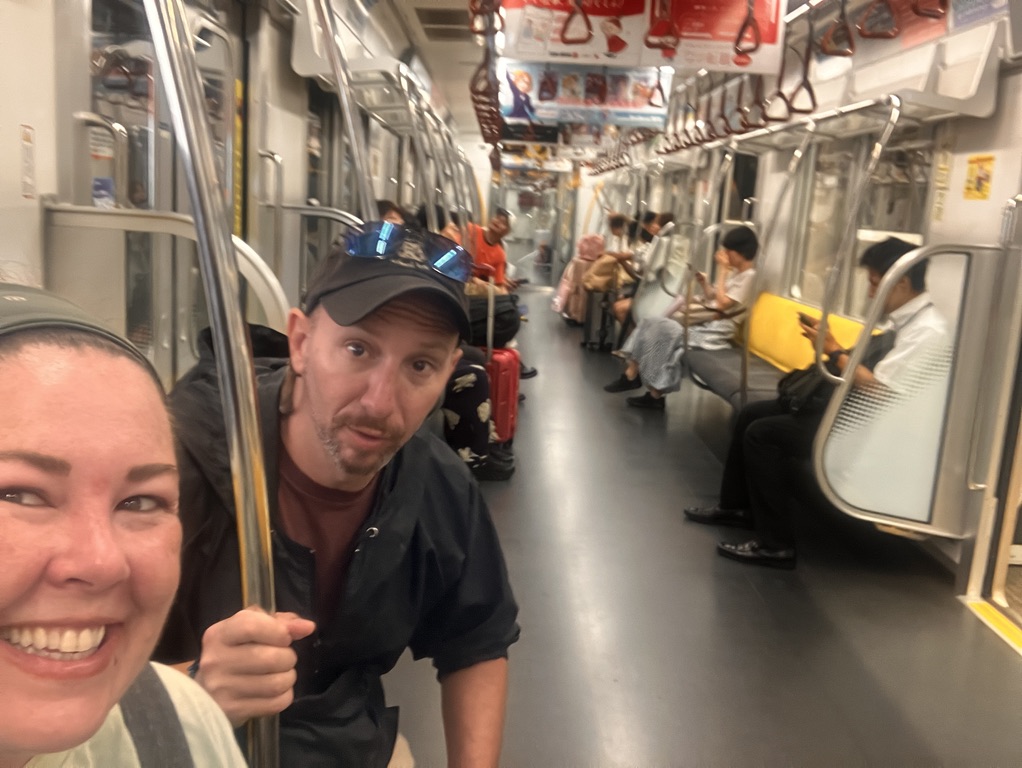
🚌 Public Transit: Tokyo’s public transportation is world-class, clean, safe, and efficient. It includes:
- JR Lines (like the Yamanote loop around central Tokyo)
- Tokyo Metro and Toei Subways
- Private Rail Lines (e.g., Tokyu, Keio, Odakyu)
IC cards like Suica or Pasmo can be used across all transit systems and even for vending machines and convenience stores. Use apps like Japan Travel by NAVITIME or Google Maps for easy route planning in English.
🚖 Rideshare / Taxis: Taxis are clean, reliable, and widely available but expensive. Most accept credit cards or IC cards. Apps like GO, Uber, and DiDi work in Tokyo. Drivers may not speak English, so showing your destination in Japanese is helpful.
🚴 Bike Rentals: Tokyo has become increasingly bike-friendly. Services like Docomo Bike Share offer rentable electric-assist bikes at docking stations throughout the city. Registration is easy with an international credit card and smartphone access.
🚌 Hop-On Hop-Off Bus: Sightseeing buses like Tokyo Sky Bus or Tokyo View from the Top (same company)offer hop-on, hop-off routes covering major landmarks including Tokyo Tower, Asakusa, and Odaiba. Tours typically include English audio guides and panoramic rooftop seating.
Witnessing:
Shinjuku, one of Tokyo’s busiest and most iconic neighborhoods, is a dynamic blend of business, shopping, entertainment, and nightlife—offering something for nearly every traveler.
🏙️ Skyscraper District
- Home to Tokyo Metropolitan Government Building (free observatories)
- Luxury hotels like the Park Hyatt (featured in Lost in Translation)
🌳 Shinjuku Gyoen National Garden
- Tranquil escape with traditional Japanese, English, and French gardens
- Beautiful cherry blossoms in spring
🎭 Cultural Attractions
- Samurai Museum: Armor, swords, and history displays
🛍️ Shopping
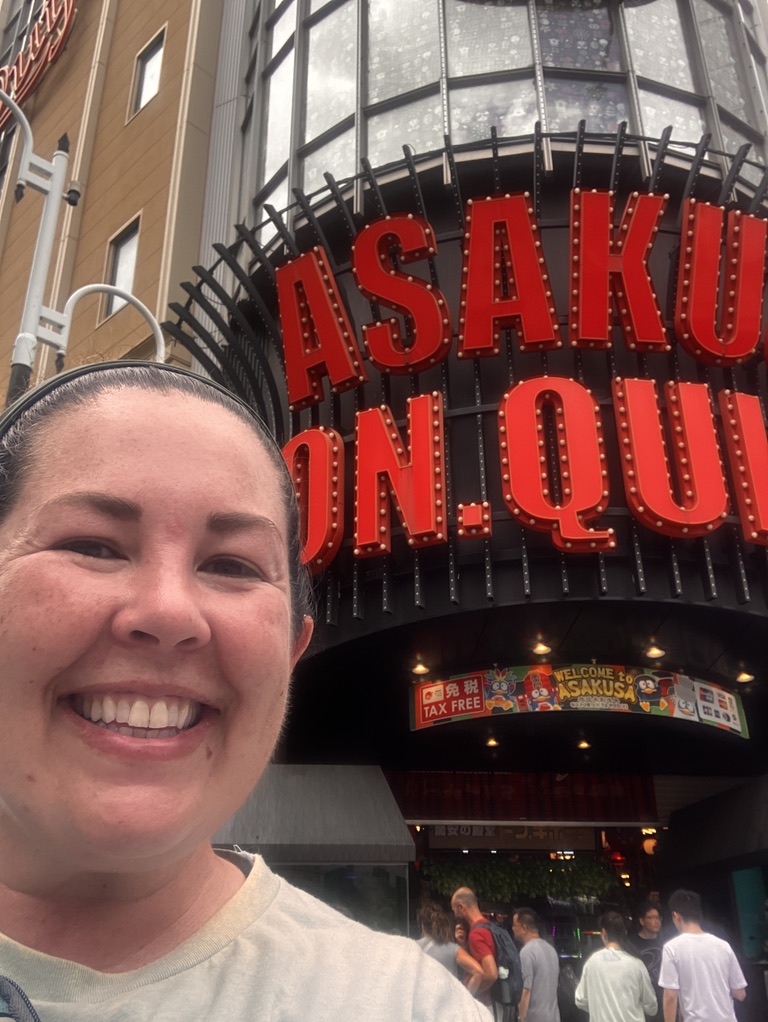
- Takashimaya Times Square: Upscale department store
- Don Quijote: 24-hour discount goods and souvenirs
- Isetan: Renowned for its food hall and designer brands
🍜 Nightlife
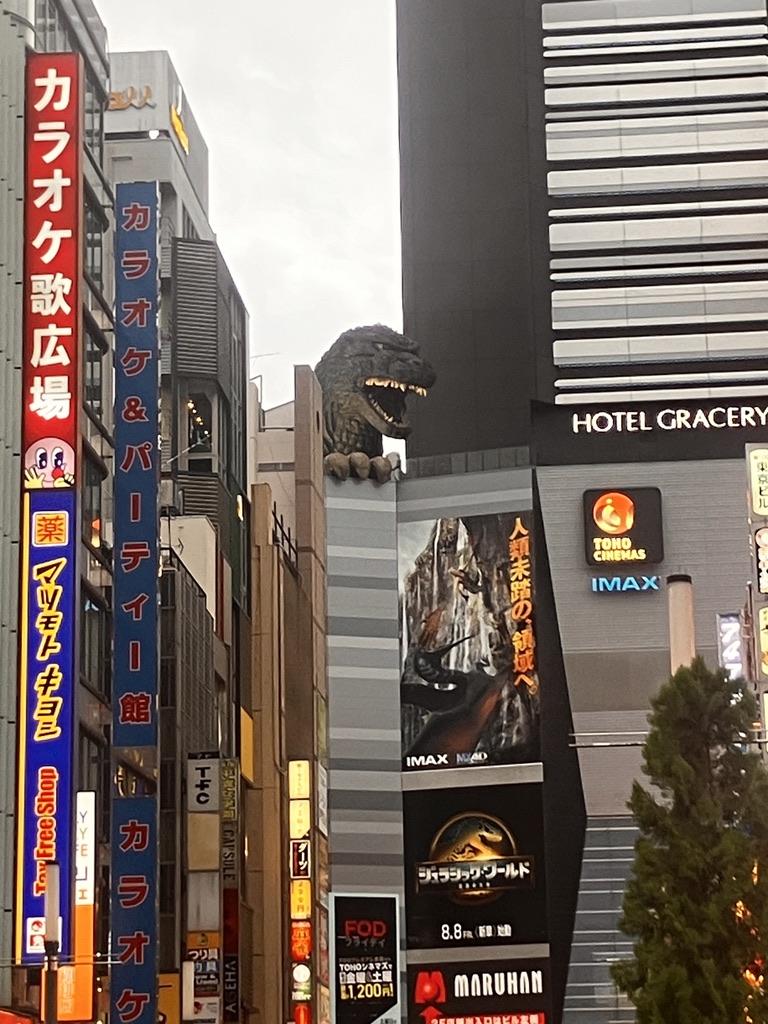
- Kabukichō: Tokyo’s electric nightlife district with over 3,000 bars, nightclubs, love hotels, hostess/host clubs, and eateries.
- Key attractions:
- The Godzilla Head atop Hotel Gracery
- Golden Gai – a warren of ~200 cozy themed bars in narrow alleys
- Kabukichō Tower – entertainment complex with restaurants, bars, and cinemas
- Samurai Restaurant – theatrical dining experience
- Omoide Yokocho (“Memory Lane” / “Piss Alley”): A nostalgic alleyway packed with tiny yakitori stalls and casual izakayas, perfect for late-night bites.
⚠️ Safety & Tips
- Kabukichō is generally safe, even late at night, with CCTV surveillance and visible police presence.
- However, be wary of “bottakuri” scams (bars that charge hidden or inflated fees).
❌ Avoid touts offering drink deals or trying to lead you to unknown venues.
- ✅ Stick to main streets, ignore solicitations, and stay in well-lit areas.
- For a worry-free experience, consider joining a guided bar-hopping tour through Golden Gai or Omoide Yokocho.
🚆 Getting Around
- Shinjuku Station: Serves JR lines, Tokyo Metro, Odakyu, Keio, and more
- Easy access to/from Tokyo, Shibuya, Harajuku, and Narita/Haneda Airports
💡 Travel Tips
- Shinjuku Station can be overwhelming—give yourself extra time to navigate
- Many restaurants have ticket machines with English labels or picture menus
- Visit Shinjuku Gyoen in the morning to avoid crowds
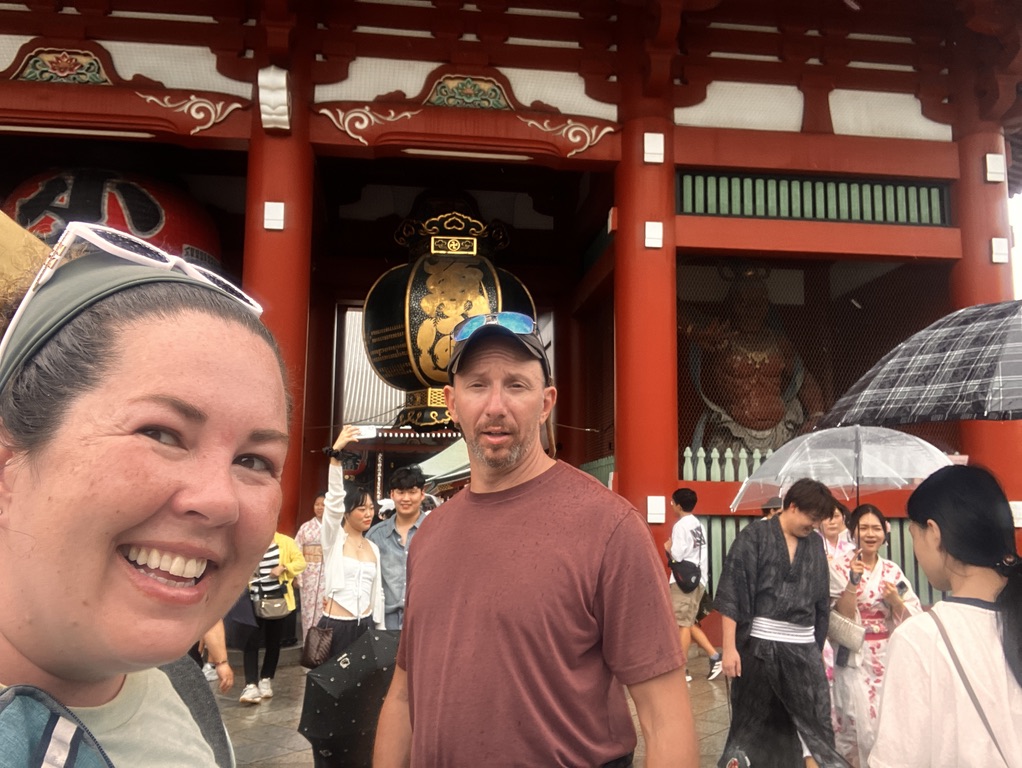
Nakamise Street (仲見世通り) is a vibrant 250-meter shopping promenade (With around 85–90 traditional shops, it has served pilgrims and visitors since the Edo period (1600s–1700s)
It connects Kaminarimon Gate—home of the iconic red lantern—to Hōzōmon Gate of Senso‑ji Temple, Tokyo’s oldest Buddhist temple.
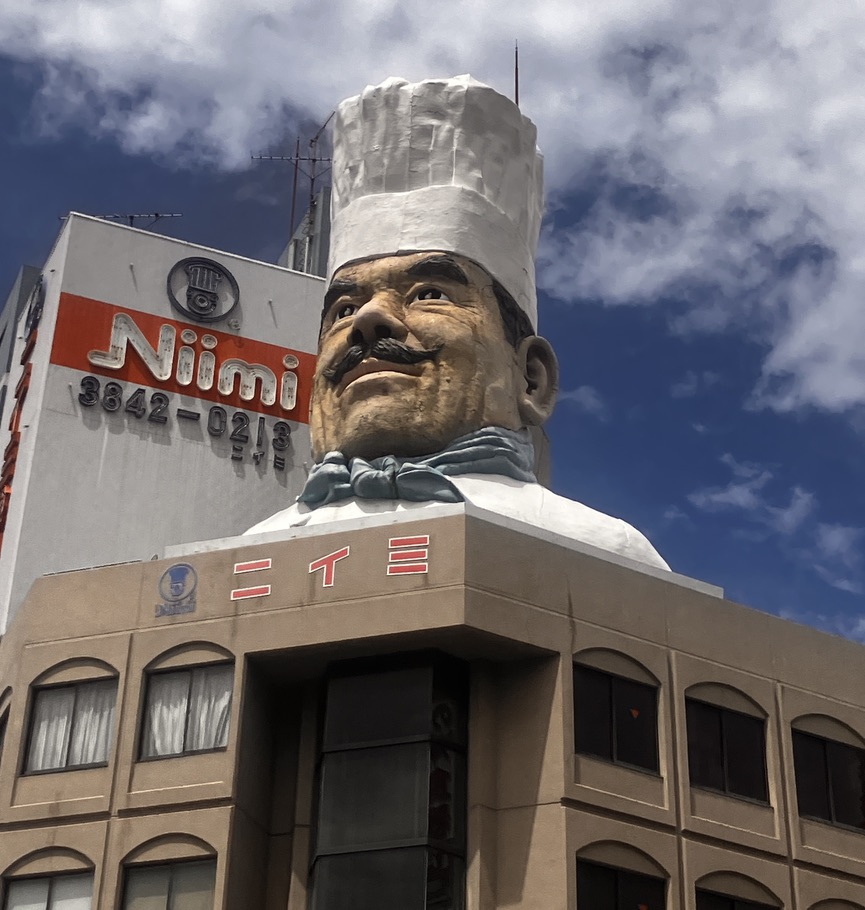
Kappabashi Kitchenware Town (a.k.a. Kappabashi-dōri or Kitchen Town) is Tokyo’s iconic shopping street for all things culinary, stretching nearly one kilometer between Asakusa and Ueno in Taitō Ward. Here’s your insider guide:
🛒 What You’ll Find
- Over 150–170 specialized shops offering restaurant-quality supplies: Japanese knives, cookware, utensils, stoves, furniture, and more.
- Iconic giant chef statue marks the main entrance (Niimi store), while other storefronts feature oversized knives, whisks, tea cups, and even giant beetles.
- Renowned plastic food sample shops (sampuru), such as Ganso Shokuhin, selling ultra-realistic fake dishes, magnets, and take‑home kits; some even offer edible replica workshops.
🔍 Highlights & Standout Stores
- Kama-Asa Shōten: Two-story flagship destination known for exceptional Japanese chef’s knives, bamboo steamers, and ironware.
- Niimi Western Tableware: Home to the famous giant chef — over 20,000 utensils, crockery, and cooking tools.
- Komatsuya and Yokoyama: Great for affordable ceramic bowls, cookie cutters, and baking molds
Learning:
🖼️ teamLab Borderless – Mori Building Digital Art Museum (Azabudai Hills, Roppongi)
- Reopened in February 2024 in Azabudai Hills, near Roppongi, as the world’s first digital art museum without borders or maps.
- Houses over 75 interactive artworks, including Bubble Universe, Waterfall Particle world, Sketch Ocean, and more.
- Fi‑rst-generation art collective teamLab invites you to explore constantly evolving projections—no fixed route, letting visitors wander and interact.
🌊 teamLab Planets TOKYO DMM.com (Toyosu)
- Located in Toyosu, opened in July 2018, and expanded with Garden and Forest zones (added in 2021 and early 2025).
- Recognized by Guinness World Records in 2023 as the most-visited museum by a single art group (over 2.5 million visitors in 2023–24).
- Features four major areas:
- Water: Walk barefoot through shallow reflective pools, koi-fish light animations.
- Garden: Floating flower and moss rooms that evolve with time and viewer presence.
- Forest: Newly added in 2025, with Athletic Forest, Future Park, and Collecting Forest interactive installations.
- Open-Air: Outdoor installations blending natural and digital elements.
- Tickets (as of March 2025): adult general entry from ¥4,000, allows anytime entry and fast lane access.
- Facilities include Vegan Ramen UZU, drink cafés, Living Art Store, and interactive Sketch Factory activity zones
Imperial Palace – Built on the former Edo Castle site, the Imperial Palace has served as the residence of Japan’s Emperor since 1868. While the palace buildings lie behind fortifying moats and walls, the surrounding gardens and structures offer a glimpse into Japan’s past and present.
East Gardens (Kōkyo Higashi Gyoen)
- Spanning 210,000 m² over sections of Honmaru and Ninomaru, these gardens feature Edo-era ruins, seasonal blooms, topiary trees, and the Ninomaru Garden designed in 1968 based on historic plans.
- Opening hours vary by season: generally open 9 AM–5 or 6 PM (entry lasts until ~30 min before closing).
- Closed on Mondays, Fridays, and select holidays.
- Admission is free.
Guided Palace Tours
- Access to the inner palace grounds is possible via free guided tours held daily (except Mondays, Sundays, and national holidays) at 10:00 AM and 1:30 PM, lasting ~75 minutes in Japanese and English.
- Spaces are limited—reservations or early arrival are recommended.
Outer Gardens & Surrounding Grounds
- The Kōkyo Gaien National Garden is an open, lawn-like area encircling the palace moat. It’s popular for strolling and jogging and accessible at all hours, free of charge.
Getting There: Just a 10–15 minute walk from Tokyo Station (Marunouchi exit), or from Nijubashimae or Ōtemachi Stationson multiple Tokyo Metro lines.
✨ Must-See Highlights
- Nijūbashi Bridge, the iconic twin-arched gate often photographed with moats and palace towers in the background
- Fujimi Yagura (Mt. Fuji Viewing Turret), a castle watchtower looking out over the palace grounds and beyond
- Suwa no Chaya teahouse and the Museum of the Imperial Collections, both located within the East Gardens
- Climb the castle tower ruins for panoramic views of nearby Shinjuku Gyoen and the city skyline
Ginza neighborhood is home to world-renowned luxury brands and flagship stores such as Chanel, Louis Vuitton, and Dior. Department store icons include Wako (with its famous Seiko clock tower), Matsuya Ginza, Mitsukoshi, and the expansive Ginza Six complex (which hosts LVMH boutiques, fashion, dining, a Noh theatre, and rooftop garden)
Exploring:
Harajuku—Tokyo’s most iconic youth culture district—is where street fashion, food, and subcultures collide in vibrant color and chaos. Located between Shibuya and Shinjuku near JR Yamanote’s Harajuku Station, the neighborhood also includes Takeshita Street, Cat Street, and Ura-Harajuku backstreets.
🎨 Fashion & Shopping
- Takeshita Street: A pedestrian alley packed with kawaii fashion boutiques, vintage shops, themed snacks, and trendy crepe stands—often crowded but quintessential Harajuku.
- Cat Street: A more refined, boutique-lined avenue linking Harajuku and Shibuya—great for stylish, independent fashion finds without the hustle.
- Subcultures like Lolita, Gothic, Decora, Visual kei, and cosplay still flourish—though the epicenter of cosplay now centers on the famed Jingūbashi (Harajuku Bridge) connecting to Meiji Shrine.
🍡 Food & Cafés
- Famous for colorful Harajuku crepes, mochi desserts, rainbow grilled cheese sandwiches, and playful snack concept stores along streets and alleys.
- Wacky themed cafés include Peanuts Café (Snoopy pancakes), Café Reissue (3D latte art), and even Ninja-themed or animal cafés for photo-worthy fun.
🌳 Nearby Attractions
- Just minutes from Meiji Shrine and Yoyogi Park, offering a peaceful contrast to Harajuku’s sensory overload.
- Drop-in at Laforet Harajuku, Omotesando Hills, and Ura-Harajuku for high-end fashion, streetwear, and local designer finds.
🧠 Local Flavor & Vibes
- Harajuku traces back to quiet Edo-era post-towns but rose to fame in the 1970s–80s, popularized by street dance and youth fashion movements like takenoko-zoku.
- Today it’s a global trendspotting grounds where fashion-forward locals and tourists intersect. Despite commercialization, hidden side alleys still deliver creative surprises.
Meiji Jingu Shrine (明治神宮), nestled in the heart of Tokyo’s Shibuya district, is a serene Shinto sanctuary dedicated to Emperor Meiji and Empress Shōken, whose reign modernized Japan. Established in 1920 and rebuilt after World War II, the shrine complex rests within a 70-hectare evergreen forest comprising 120,000 donated trees of 365 species from across Japan. Visitors enter through towering wooden torii gates and stroll a tranquil, gravel-lined pathway leading to the main sanctuary and Naien (inner precinct), where a treasure museum displays personal artifacts of the imperial couple. Adjacent is the Gaien outer precinct, featuring the Meiji Memorial Picture Gallery with 80 large murals and lush parks formerly part of the imperial residence grounds. The shrine grounds open daily at sunrise and close at sunset, with free entry, making it a peaceful cultural escape amid Tokyo’s urban buzz.
Tsukiji Fish Market – If you’re staying overnight in Tokyo, consider visiting Tsukiji Outer Market early in the morning. While the famous inner wholesale market relocated to Toyosu in 2018, Tsukiji’s vibrant outer market remains a must-visit, packed with food stalls, sushi restaurants, kitchenware shops, and fresh seafood vendors. Arrive by 7:00–8:00 AM to experience it at its most lively—and to beat the crowds.
Akihabara – Electronics & Otaku Culture. Known as Tokyo’s mecca for electronics, anime, manga, and gaming, Akihabara comes alive especially at night, when the neon lights blaze and the arcades and themed cafés are buzzing with activity. Explore multi-level stores like Yodobashi Camera, browse rare manga and figurines, or step into a maid café for a unique cultural experience. Ideal for anime fans, tech lovers, and night owls alike.
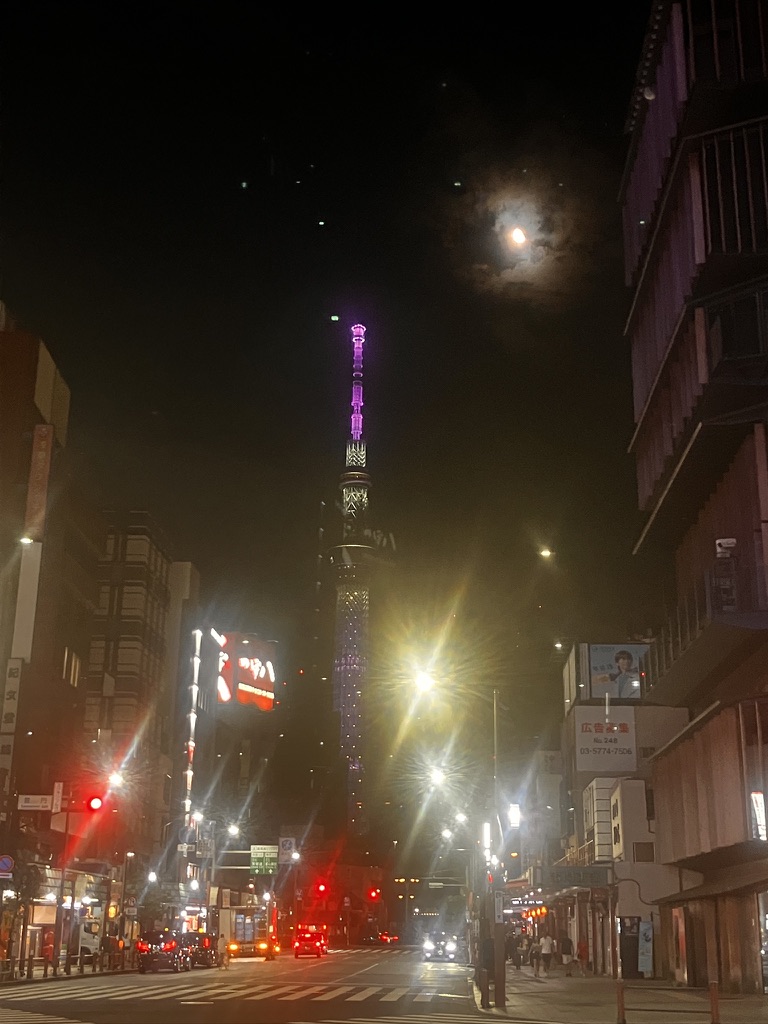
Tokyo Tower – One of the city’s most iconic landmarks, Tokyo Tower stands 333 meters tall and offers panoramic views from two observation decks. Modeled after the Eiffel Tower but painted bright orange and white, it’s especially beautiful when illuminated at night. Located near Shiba Park, it’s a great stop to pair with Zojo-ji Temple or a scenic walk. The top deck offers a stunning 360° view of Tokyo’s skyline—including Mount Fuji on a clear day.
Hidden Gems:
Vampire Café – A taste of the macabre Tokyo’s ritzy shopping district
Giant Ghibli Clock – Tokyo’s only Vaudville-cuckoo-clock-steampunk-Victorian curio cabinet time piece.
Sanrio Puroland – If Hello Kitty were Mickey Mouse, this would be Disneyland
Gotokuji Temple- The legendary birthplace of the Japanese maneki-neko is dotted with hundreds of lucky beckoning cats.
Godzilla Head – Not quite the menace it once was, this monster still has some chops.
Giant Unicorn GUNDAM Robot – A 20-meter (65 foot) robot towers over Tokyo Bay.
8bit Café – Transport yourself to the 1980’s era of video games at this themed restaurant and bar.
Ninja Akasaka – A restaurant modeled after feudal Japan, where the waitstaff are trained as ninjas.
Ekibenya Matsuri – A railway station takeout shop sells boxed meals in containers shaped like trains and snowmen that hold the country’s abundant regional delicacies.
Detective Bar Progress – The bartenders at this crime-fighting theme café are actual private detectives by day.
Jimbocho Book Town – A bibliophile’s heaven that contains hundreds of bookstores, offering over a third of secondhand books for sale in Tokyo
Meguro Parasitological Museum – Meet the world’s longest tapeworm in a collection that really gets under your skin.
Vowz – Drinkslinger is an unlikely vocation for a Buddhist monk, but at this Tokyo bar the enlightenment is served in a martini glass.
Asakusa Underground Street – Stuck in a bygone era, the oldest subterranean shopping street in Japan hides beneath the popular Asakusa district of Tokyo.
Gorilla Building – A King Kong-like gorilla hangs from the top of this commercial building in Tokyo.
Mushizuka at Kan’ei-ji Temple – A Buddhist temple to honor insects that died for science.
Koukokuji Buddhist Temple- Inside the columbarium, thousands of colorful, high-tech Buddhas guard the ashes of the dead.
Shakaden Reiyukai Temple – Starship-temple contains 400 tons of drinking water and offers free Japanese lessons
Museum of Package Culture – Discover the past, present and future of packaging in this unique Japanese museum.
Intermediatheque – An unexpected curiosity cabinet hidden within a department store in the Japan Post tower.
Odaiba Statue of Liberty – This little replica of Lady Liberty provides a bit of NYC in a Japanese city.
Kiha – It’s bad manners to eat and drink on the subways of Tokyo, unless the train is this bar.
Museum of Kites – This tiny museum hidden above a restaurant houses thousands of modern and traditional kites.
Transparent Restroom – These unique toilets feature transparent glass covered in PDLC film
Obake Kaidan – A flight of this ”ghost staircase” has 40 steps on the way up but only 39 steps on the way down.
Naki Sumo Baby Crying Contest – For hundreds of years, participants in this Japanese festival have been making babies cry to ward off demons.
Japanese Sword Museum – This museum showcases the art of ancient sword-making
Tokyo Plaza Rooftop Ferris Wheel – The small candy-colored ride is the last rooftop Ferris wheel in Tokyo
Ningyocho Mechanical Clock Towers – When this clock strikes a certain time, puppets showcase a story of life in Edo Japan
Little Peeing Monk of Tokyo – This Japanese Manneken Pis gets new outfits for every occasion.
Owl Police Box – This adorable birdlike police box is designed based on a play on words.
Secret Cobblestones of Hide-and Seek Alley – A few hidden stones are said to bring fortune and love.
Waseda El Dorado – This bizarre residential building is the masterpiece of Von Jour Caux, the “Gaudi of Japan”
Meiji University Museum’s Criminal Materials Department – Exploring crime and punishment in feudal and pre-modern Japan.
Tobacco & Salt Museum – This museum is dedicated to the cultural history of tobacco and salt once monopolized in Japan.
Nishi-Rokugo Park – Watch out for the two story Godzilla made out of tires.
Oinusama – Rubbing salt on this small stone dog is said to make wishes come true.
Yagiri no Watashi – The only Edo-period ferry that is still in operation in Tokyo today. During Japan’s Edo period, an unauthorized crossing of a checkpoint was a capital crime that could lead to death by crucifixion. Around the 17th century, some farmers owned land on both sides of the river, so the shogunate allowed them to cross the river border without official permission. This led to the creation of Yagiri no Watashi, or the Crossing of Yagiri.
Coicorin – Tell this pair of “love-inviting” cats in Ginza your romantic hopes.
Oiteke Bori – This water goblin statue represents a 19th century urban legend about a haunted canal that became
Chirori the Therapy Dog – A touching statue dedicated to Japan’s first therapy dog.
Shiotama – Steampunk, humanoid sculptures crawl on all fours in a Tokyo plaza
Moyai – Inspired by the famous sculptures on Easter Island, this head serves as a popular meeting spot by Shibuya Station
Ad Museum Tokyo – This museum celebrates the history of Japanese advertising, from feudal business tricks to modern TV commercials
Old Iwabuchi Watergate – This iconic sluice gate is a favorite haunt for joggers, fishing enthusiasts, and even ghost hunters
Matsuchiyama Shoden – Daikon radishes are offered to the Japanese Buddhist counterpart of the Hindu god Ganesha at this historic hilltop temple.
For those of you with vision aids,
Eye-Eating Demon of Inari Kio – Only recently added to the shrine, this googly-eyed snail demon of unknown origin is said to have eye-healing powers.
Omori Nori Vending Machine– A vending machine dedicated to a beloved seaweed.
Shozoku Inari-jinja Shrine – Thousands of foxes are said to gather and parade across the neighborhood of Oji on New Year’s Eve
Kanda Myojin Shrine – You can receive a blessing for your electronics at this Shinto shrine near Akihabara
Tetsugakudo Park – A bizzare philosophy-themed park founded by an occult expert.
Onihei Jokei “Historical” Markers – “Historical” markers commemorating the sites of fictional events depicted in a popular jidaigeki novel series.
Arima Family Plot – No one knows why this family’s graves stayed on the national museum’s premesis after all other tombstones were relocated.
Kenashi Pond- Haunted by a giant white snake, this pond is said to bring the rain and pubic hair.
Sushi Memorials at Namiyoke Shrine – Outside of where Tsukiji Market once stood, these memorials honor the spirits of the fallen fish, shrimp and eggs used for nigiri.
Gold Bug Guardian Statue – Guarding the city of Chiyoda is a bizzare insectile creature with a name no one can pronounce.
Deathmatch in Hell – Walls of VHS tapes adorn this Golden Gai B horror movie themed bar
Horoku Inari Shrine – Losing lottery tickets are deposited at this shrine in hopes of better luck
Tamon-ji – Home to a legend of the supernatural racoon dog, a rare wooden structure of Edo, and witnesses of the Tokyo bombings
Tokyo Night & Light Projections – The world’s largest permanent architectural projection display entertains audiences nightly with 28-story light shows.
K-Museum – This abandoned, spaceship-like building is home to a museum so unpopular that it has been put on hiatus for over two decades.
Events:
🎆 Kōtō Ward Fireworks Festival
📅 Date: Monday, August 11, 2025
🕖 Time: 7:00 PM – 8:00 PM (Fireworks begin at 7:10 PM)
📍 Location: Sunamachi Mizube Park, along the Arakawa River in Kōtō Ward
🎇 What to Expect:
This popular annual event will feature 6,000 fireworks launched over the river in a dazzling, colorful display. Due to high demand and safety measures, access to the venue is ticketed only.
🎟️ Tickets:
- Free ticket lottery for Kōtō Ward residents closed on June 20.
- Paid seating (¥5,000) for ward residents went on sale July 19.
- Remaining general public tickets (if any) will be released starting August 1.
- Tickets and details: koto-hanabi.com
🚫 Note: No entry near the launch site without a ticket. Consider alternative viewpoints along the Arakawa River if tickets are unavailable.
🎋 Asagaya Tanabata Matsuri – Star Festival
📅 Monday, August 11, 2025 (Final day of the festival)
📍 Pearl Center Shopping Street, near Asagaya Station (Suginami Ward, Tokyo)
Celebrate the vibrant final day of one of Tokyo’s most beloved summer festivals! Since 1954, the Asagaya Tanabata Matsuri has transformed the 700-meter-long Pearl Center shopping arcade into a joyful, colorful display of traditional streamers and whimsical papier-mâché decorations—many themed around popular anime characters, animals, and imaginative creations.
These decorations are handmade by local shopkeepers, often working late into the night above their storefronts. The result: a street filled with unique and often humorous sculptures that change each year, making every visit a new visual experience. Visitors are encouraged to take photos and share their favorites online.
Alongside the decorations, you’ll find street food vendors, festival games like goldfish scooping, and a lively crowd dressed in yukata enjoying the summer spirit. The evening is the best time to visit for peak atmosphere, but the event is also enjoyable during the day if you prefer fewer crowds.
Beyond the main arcade, additional decorations extend into Kawabata Dori, Icho Komichi, and even a pond at Suzuki-en, where glowing fish art floats on the water.
🎭 Kabuki — Tokyo (Kabukiza Theatre)
- The August program at Kabukiza Theatre in Ginza runs August 3–26, 2025.
- For August 11–14, performances are scheduled daily (except August 12) with three acts per day:
- Act 1 (Matinee): ~11:00 AM
- Act 2: ~2:15 PM
- Act 3: ~6:15 PM
- Single-act tickets (less costly) go on sale from July 14, and English subtitle rental devices are available at the venue.
- Tickets: www.e-tix.jp/shochiku/?_gl=1*bcqszw*_gcl_au*ODE5MDM1NTk1LjE3NTQwODU5ODk.
Travel Tips:
🚻 Where to Find Public Restrooms in Japan
- Train Stations: Almost every station—large or small—has public toilets, often near ticket gates or platforms.
- Department Stores & Shopping Malls: Look for restrooms on basement, ground, or top floors.
- Convenience Stores (konbini): Many 7-Eleven, Lawson, and FamilyMart locations offer free restrooms, though smaller ones may limit access to customers.
- Parks & Public Spaces: Major parks and sightseeing areas usually have basic but functional restrooms.
- Tourist Attractions & Museums: Equipped with modern facilities, often including Western-style toilets and baby-changing tables.
- Roadside Rest Areas (Michi-no-Eki): Especially clean and accessible, with services for travelers.
🚽 Types of Toilets
- Western-style toilets: With bidet functions, seat warmers, and automatic lids—common in cities and hotels.
- Squat toilets: Still found in older public facilities and rural areas.
- Accessible toilets: Widely available and clearly marked, often with baby seats and multipurpose features.
✅ Tips
- Carry a small pack of tissues—some older or rural restrooms may not supply toilet paper.
- Look for the “トイレ (to-i-re)” sign or icons for male/female restrooms 🚹🚺.
- Most are free to use and don’t require tipping.
- Apps like “Toilet Finder Japan” or Google Maps help locate the nearest restrooms.