My views do not necessarily reflect the views of my employer.
August 8, 2025
According to my research, I had low expectations for Hachinohe, Japan. Hakodate appeared more westernized, and tourist-friendly while Hachinohe did not look quite as accessible. Although I sometimes find them intimidating, I love local experiences- why travel around the world for things and ways of life I can find at home? I wasn’t sure how my Western resdients would fare- Hakodate’s main attractions were easily accessible by walking or public transportation, but in Hachinohe everything was more spread out, making the language barrier and getting around seem like bigger challenges.
Hachinohe, Japan
Located on the Pacific coast of northern Honshu, Hachinohe is a vibrant city in Aomori Prefecture known for its seafood, spiritual shrines, lively markets, and access to rugged coastal nature. As one of Japan’s key fishing ports, Hachinohe offers a rich culinary scene, especially centered around fresh sashimi and grilled seafood. Beyond the bustling fish markets, you’ll find tranquil temples, scenic walking trails, and friendly locals eager to share the charms of this under-the-radar destination.
Hachinohe has a population of around 220,000 residents. Though lesser known than major Japanese cities, it plays a vital role in the region’s economy and culture, particularly in fishing, agriculture, and traditional festivals.
While Hachinohe itself is not a UNESCO World Heritage Site, it is located near sacred areas associated with Shinto practices and is known for preserving ancient rituals like the Enburi Festival.
History:
Hachinohe’s history stretches back over 1,200 years, originally developing as a small settlement near the Mabechi River. It was part of the ancient Nanbu Domain and served as a strategic post in the feudal era. The area was historically occupied by the Emishi people before coming under the control of the Yamato state during the early Heian period.
In the Edo period (1603–1868), Hachinohe became a castle town ruled by the Nanbu clan and thrived as a regional center of trade and administration. The region’s access to the sea helped it develop into a major hub for commercial fishing, particularly after the Meiji Restoration, when modern ports and railroads were built.
During the 20th century, the city grew rapidly, modernizing after World War II and becoming an industrial and fishing powerhouse. Despite damage from natural disasters such as the 2011 tsunami, Hachinohe has demonstrated remarkable resilience and remains a symbol of strength and community in northeastern Japan.
Today, it blends the old and new, from bustling markets to serene shrines, welcoming visitors to experience its coastal charm and traditions.
Itinerary:
Arrival: Friday August 8 8:00am
Departure: Friday August 8 All aboard: 5:00pm Sail away: 6:00pm
Weather
- Average Temps: High around 80°F (27°C); low around 66°F (19°C) in August
- Climate: Warm, breezy, and humid with occasional showers
- What to Wear: Light, breathable clothing with a rain jacket or umbrella. Comfortable walking shoes recommended.
Near the Pier:
Cruise Ship Dock: Hachinohe Port
Berth: Hattaro Warf No. 4
Address: 37-1, Kaigan, Kawaragi, Hachinohe, Aomori
3 minute walk from the ship to the port gate
Distance to City Center: Approximately 8 km (15–20 minutes by taxi or shuttle)
Nearby Essentials
- Nearest major train station: JR Hachinohe Station (about 20 min by foot)
- Nearest major bus station: Kamikitanuma (about 5 min by foot)
- Pharmacy: Tsuruha Drug – in downtown Hon-Hachinohe, ~15 min by taxi
- ATM: Available inside 7-Eleven stores near the train station (accepts international cards)
- Convenience Store: Lawson and 7-Eleven located along main roads between port and downtown
- Nearest Church: Hachinohe Catholic Church – 2-13 Uchimaru, near downtown
- Nearest Golf: Hachinohe Country Club – ~25 minutes by car (advance booking required)
💱 Currency: Japanese Yen
💵 Be sure to carry cash; some locations do not accept credit cards
⚠️ Currency exchange may not be available—use ATMs for withdrawals
Getting Around:
🚶 Walking: Not ideal near the port, but downtown is walkable once you arrive.
🚌 Public Transit: Local buses operate throughout the city; route maps and info available at the train station and tourist info centers.
🚖 Taxis/Rideshare: Taxis are plentiful at the port and train station. Rideshare apps are limited—use local taxis. Approximately Y1500 one way. Taxis accept yen or credit card
🚆 Train Access: JR Hachinohe Station connects to the Tohoku Shinkansen (bullet train) and local lines. Hon-Hachinohe Station is closer to the city center.
Witnessing:
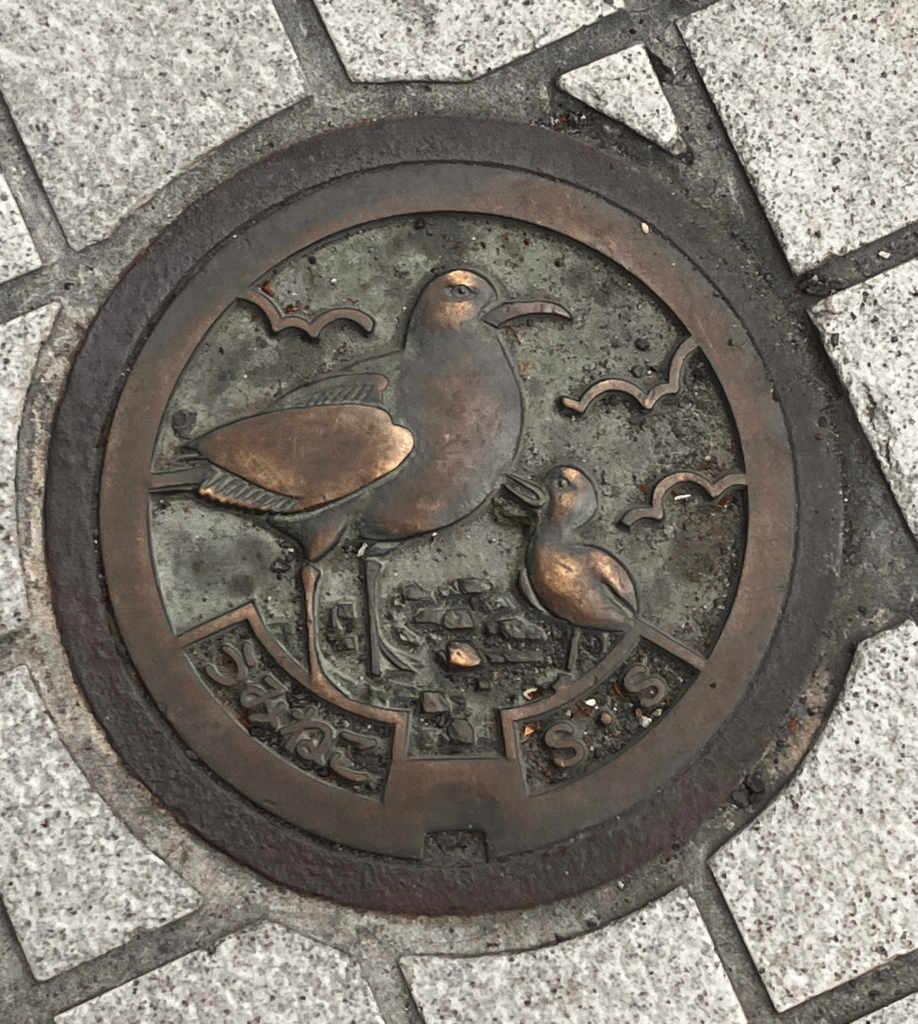
Kabushima Shrine: Perched on a bluff overlooking the Pacific Ocean, Kabushima Shrine in Hachinohe is dedicated to Benzaiten, the goddess of luck, water, and prosperity. What makes it truly unique is its location within a protected nesting ground for black-tailed gulls, which fill the skies and cliffs from spring through summer. Rebuilt in 2020 after a fire, the shrine now features a striking red torii gate and panoramic sea views. Visitors often pray for good fortune—and may want to carry an umbrella, as the gulls are known for their “blessings from above”! It’s a short walk from Same Station on the JR Hachinohe Line.
Kabushima Island is a small, rocky islet connected to the mainland by a causeway and crowned by Kabushima Shrine. It’s famous as a protected nesting site for thousands of black-tailed gulls (umineko), especially from March to August. The birds are considered sacred messengers of the shrine’s deity, and their presence adds to the island’s mystical atmosphere. Visitors come to pray for good luck, enjoy ocean views, and observe the lively seabird colony up close—umbrellas are even provided to shield against “blessings” from above. A short walk from Same Station, Kabushima is both a spiritual and natural highlight of Hachinohe’s coast.
Hasshoku Center is Hachinohe’s premier indoor seafood market, home to dozens of stalls selling everything from live shellfish and fresh uni to sushi, sashimi, ramen, and ice cream. A highlight is the Shichirin Village BBQ Corner, where you can grill your own seafood on charcoal grills. Pick up supplies like foil, oil, and paper goods from market stalls—plus chopsticks or wet wipes for food prep. Try local favorites like jumbo scallops, sweet red prawns, and oysters—shellfish can be cooked right in their shells. Rice bowls (¥250) and draft beer (¥500–¥800) are available. Lockers are provided to store your belongings during your 2-hour BBQ session.
🚌 Getting There: Take the ¥100 Hakkūen Bus from Hachinohe Station (about 10 minutes). Check the return bus schedule—last entry is around 5:30 pm, and the center closes at 6:00 pm.
Mutsuminato Market is a local gem in Hachinohe, known for its authentic atmosphere and fresh, affordable seafood. Less touristy than some larger markets, it’s frequented by locals and offers a chance to experience daily life in a working port town. The market features fishmongers, grocers, and food stalls selling sashimi, grilled fish, bento boxes, and traditional snacks. A highlight is the informal “rice bowl style” dining—buy a bowl of rice, then top it with your choice of seafood from different vendors.
🕓 Hours: Open daily from early morning until around noon
📍 Just steps from Mutsu-Minato Station on the JR Hachinohe Line
Nejo Castle Ruins: Located just outside central Hachinohe, the Nejo Castle Ruins are a beautifully reconstructed glimpse into Japan’s feudal past. Originally built in 1334 by the Nanbu clan, this fortified manor served as a regional administrative center during the Muromachi period. Today, visitors can explore restored samurai residences, gates, storehouses, and gardens that reflect daily life in a medieval castle town. Informational signs and artifacts offer cultural insights, and the peaceful grounds make for a pleasant stroll. Admission is free, and the adjacent Hachinohe City Museum further enriches the historical experience.
🕒 Hours: 9:00 am – 5:00 pm (closed Mondays)
📍 Accessible by bus or taxi from Hon-Hachinohe Station (approx. 15 minutes)
Learning:
Hachinohe City Museum (Open 9am to 5pm) Located near Nejo Castle Park, the Hachinohe City Museum offers a well-curated overview of the region’s cultural and historical heritage. Exhibits cover everything from ancient Jōmon-era artifacts to samurai history, local festivals, and daily life in northern Japan. Highlights include beautifully preserved lacquerware, traditional clothing, and archaeological finds. The museum also features displays on the area’s Indigenous Emishi people and its development under the Nanbu clan. Quiet and informative, it’s a great stop for those interested in deepening their understanding of Hachinohe’s past. English signage is limited, but visual displays are accessible and engaging.
Hachinohe City Marine Science Museum “Marient” Located along the coast near Same Station, Marient is a family-friendly museum dedicated to the marine life and fishing culture of Hachinohe. Exhibits include local fish species, fishing gear, and interactive displays explaining ocean ecology and sustainable fishing practices. The highlight is the large aquarium featuring sea creatures native to the Sanriku coast. Visitors can also enjoy hands-on experiences such as touch tanks, feeding demonstrations, and seasonal activities for children. With ocean views and educational fun, it’s a great stop for families or anyone interested in Japan’s maritime heritage. Hours: 9:00 am – 5:00 pm Admission: Adults ¥300 / Children ¥100
The Korekawa Jomon Kan is a modern museum dedicated to the ancient Jōmon people who inhabited the Hachinohe region over 4,000 years ago. Built near the site of important archaeological discoveries, the museum showcases pottery, tools, ornaments, and dwellings from Japan’s prehistoric Jōmon period. Its centerpiece is the Gassho Dogu, a clay figurine designated a National Treasure for its unique artistry and ceremonial significance. Interactive displays and reconstructions offer insight into daily life, spiritual beliefs, and the deep environmental connection of these early communities.
🕒 Hours: 9:00 am – 5:00 pm (last entry 4:30 pm)
❌ Closed: Mondays and year-end holidays
🎟️ Admission: Adults ¥250 / High school & university students ¥150 / Children free
📍 Located about 15 minutes by taxi from downtown Hachinohe, or accessible by bus from Hon-Hachinohe Station.
Hachinohe Art Museum: Reopened in 2021 after a major renovation, the Hachinohe Art Museum is a contemporary cultural space designed to connect art with the local community. Its exhibitions span modern Japanese art, regional creativity, and experimental installations, often blending traditional themes with modern perspectives. The museum emphasizes interaction—visitors may find participatory exhibits, artist workshops, or community-driven projects on display. Its clean, minimalist architecture and flexible gallery spaces make it a refreshing contrast to the city’s historical sites.
🕒 Hours: 10:00 am – 7:00 pm (last entry 6:30 pm)
🎟️ Admission: Varies by exhibition; some areas free to enter
📍 1-8-15 Bancho, Hachinohe (short walk from Hon-Hachinohe Station)
Misawa Aviation & Science Museum: Located ~30 minutes from Hachinohe, this museum celebrates aviation history with full-size aircraft and interactive exhibits.
Discovery:
Mishima Shrine is a peaceful Shinto shrine nestled near the coastline of Hachinohe, offering a quiet retreat surrounded by nature. Believed to date back over 1,000 years, the shrine is dedicated to deities of the sea and safety, making it a spiritual site for local fishermen and seafarers. The grounds feature traditional torii gates, stone lanterns, and wooden prayer plaques (ema), creating a serene atmosphere ideal for reflection. While not as widely visited as Kabushima Shrine, Mishima Shrine offers a more secluded, local experience just a short walk from the Tanesashi Coast walking trails.
Yutoku Inari Shrine (Hachinohe) Not to be confused with its famous namesake in Kyushu, Hachinohe’s Yutoku Inari Shrine is a small but spiritually significant site tucked into a quiet hillside setting. It is dedicated to Inari, the Shinto deity of prosperity, harvest, and business success, often symbolized by foxes. The shrine features a vivid red torii gate, fox statues, and a tranquil wooded path that gives it a peaceful, tucked-away charm. It’s a lovely stop for a moment of reflection or a short walk, especially if you’re exploring the broader Tanesashi Coast or nearby Mishima Shrine.
Exploring:
Tanesashi Coast (Tanesashi Kaigan): A pristine stretch of coast with grassy fields, rocky outcrops, and tidal pools. Perfect for scenic walks and picnics.
Samekado Lighthouse: Located at the northernmost point of the Tanesashi Coast. Great photo spot and lookout over the Pacific.
Perched on a cliff along the Tanesashi Coast, Ashigezaki Lookout offers sweeping panoramic views of the Pacific Ocean and rugged shoreline. Once a military observation point, it now serves as a peaceful scenic spot with interpretive signs, open lawns, and coastal walking trails nearby. On clear days, you can see fishing boats dotting the sea and seabirds soaring overhead. It’s especially beautiful at sunrise or during spring wildflower season. The lookout is a popular rest stop along the Michinoku Coastal Trail and is easily reached by car, bike, or foot from nearby coastal attractions.
Hidden Gems:
Hachinohe Park is the city’s largest urban green space, offering a mix of family-friendly attractions, natural beauty, and seasonal charm. The park features a small zoo, botanical garden, amusement rides, and open walking paths ideal for a relaxing afternoon. In spring, it becomes a popular hanami (cherry blossom viewing) spot, with over 2,000 trees in bloom. There are also playgrounds and picnic areas, making it a great stop for families. While not heavily touristed, the park provides a peaceful escape and a glimpse into local leisure life. Located about 15 minutes by car or bus from downtown Hachinohe.
Kujira-no-Yu, or “Whale Hot Spring,” is a beloved local sentō (public bathhouse) near the Tanesashi Coast, offering a no-frills but authentically Japanese bathing experience. Named after the whale bones that once stood outside its entrance, this community onsen features indoor baths filled with mineral-rich hot spring water that locals claim helps relieve fatigue and muscle tension. While modest in size, it offers a peaceful atmosphere and a glimpse into daily life in Hachinohe. Visitors are welcome, but should be familiar with basic onsen etiquette—bathing suits are not permitted, and thorough washing before entering the bath is required. A short drive or walk from the Tanesashi Coast
🕒 Open daily (hours may vary); small entrance fee required
🧼 Amenities: Basic toiletries available; bring your own towel or rent on-site
Yokocho Alleys: Tiny side streets lined with izakayas (Japanese pubs) offering grilled skewers, draft beer, and local banter.
The “Squid Pole” Streetlights: Yes—they look like squid! Found near Hachinohe Station.
Tasting:
- Hachinohe Senbei-jiru: A hot pot made with wheat crackers, vegetables, and chicken or fish—local comfort food.
- Ika-meshi (Stuffed Squid): A specialty from nearby towns—squid stuffed with sweet rice and soy sauce.
- Minato Shokudo: A local favorite near the fishing port, known for fresh seafood rice bowls (kaisendon).
- Banya Restaurant (at Hasshoku Center): Excellent grilled seafood with ocean views.
- Isaba no Ichiba Yokocho: Casual stalls offering yakitori, beer, and noodle dishes in a cozy pub atmosphere.
- Bar High Pitch: A hidden bar known for rare Japanese whiskeys and great cocktails.
- Ocean’s Bar & Lounge: More upscale, with coastal views and a modern atmosphere.
Travel Tips:
- Early is best: Fish markets and local eateries are busiest (and freshest) in the morning.
- Tram service: Unlike Hakodate, Hachinohe has no tram system—rely on taxis, buses, or organized tours.
- Local etiquette: Remove shoes when entering temples or traditional restaurants.
- Language barrier: English is not widely spoken—download a translation app or bring a phrasebook.
- Souvenirs to buy: Hachinohe lacquerware, squid snacks, locally brewed sake, and senbei crackers.
By the time Victor finished the menus, it looked like the restaurant I’d scoped out on Google Maps would be closed by the time we arrived. On the dock, a Japanese man was helping connect people with taxi drivers. He seemed excited to be able to practice speaking English, so we asked him for a lunch recommendation. Now- how to get there? I took a photo of the place on his phone to show the driver.
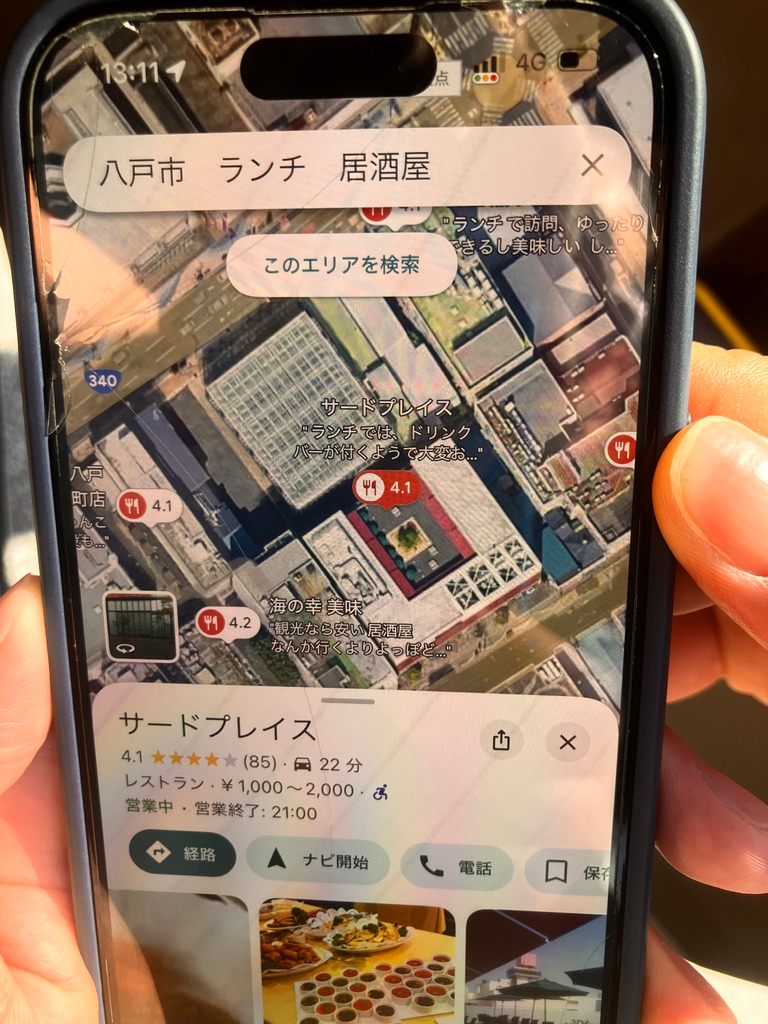
Look at this place!
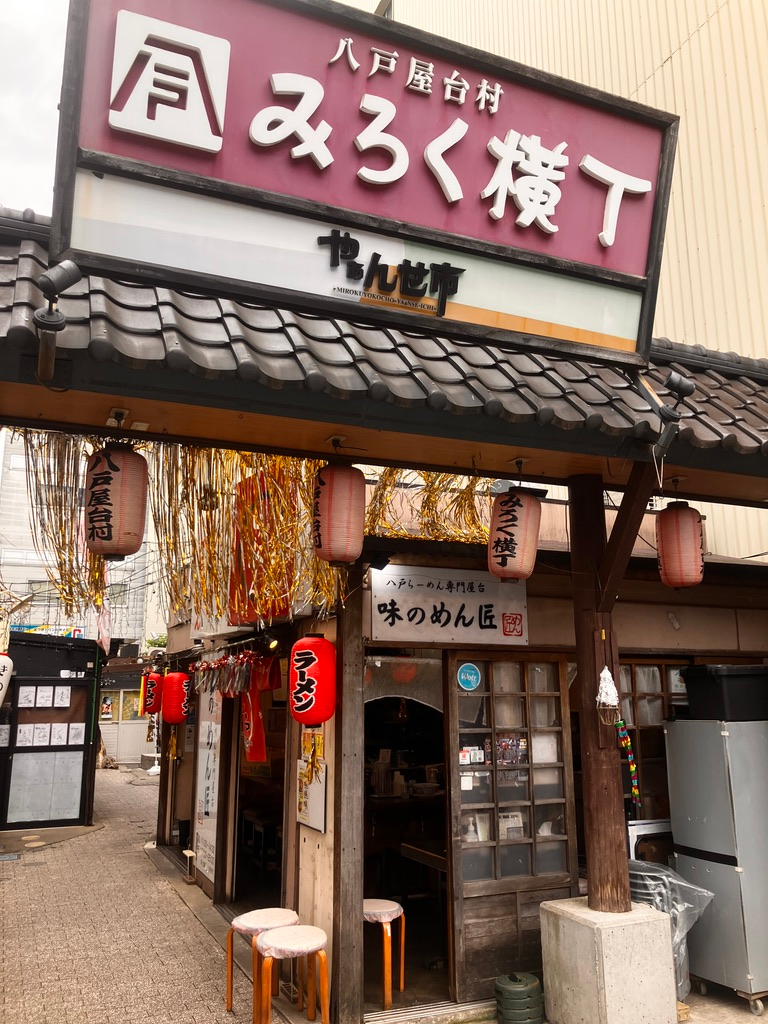
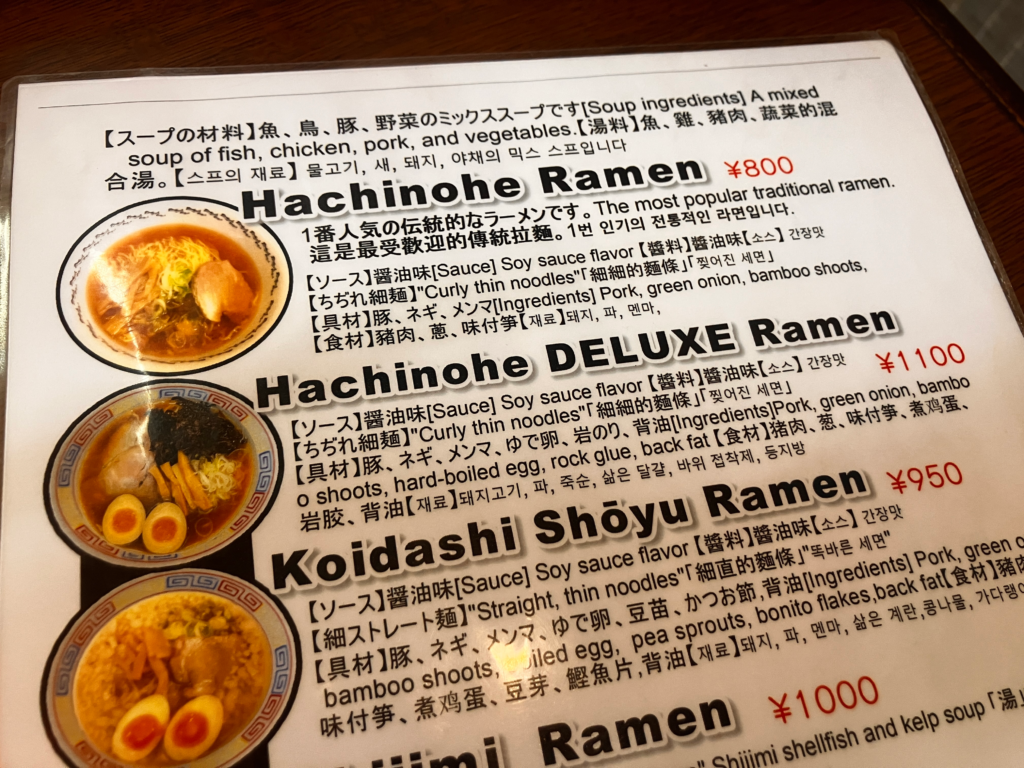
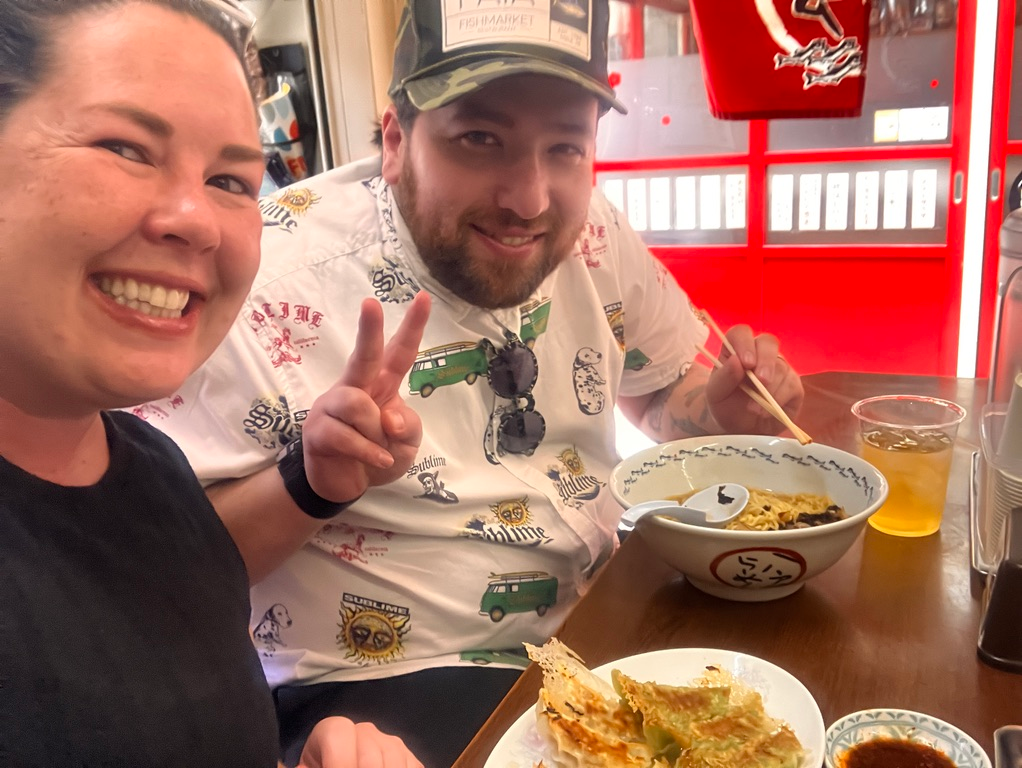
The fish leaves danced in the steam! I’ll post the videos on Facebook.
After our meal, we wandered around the town.
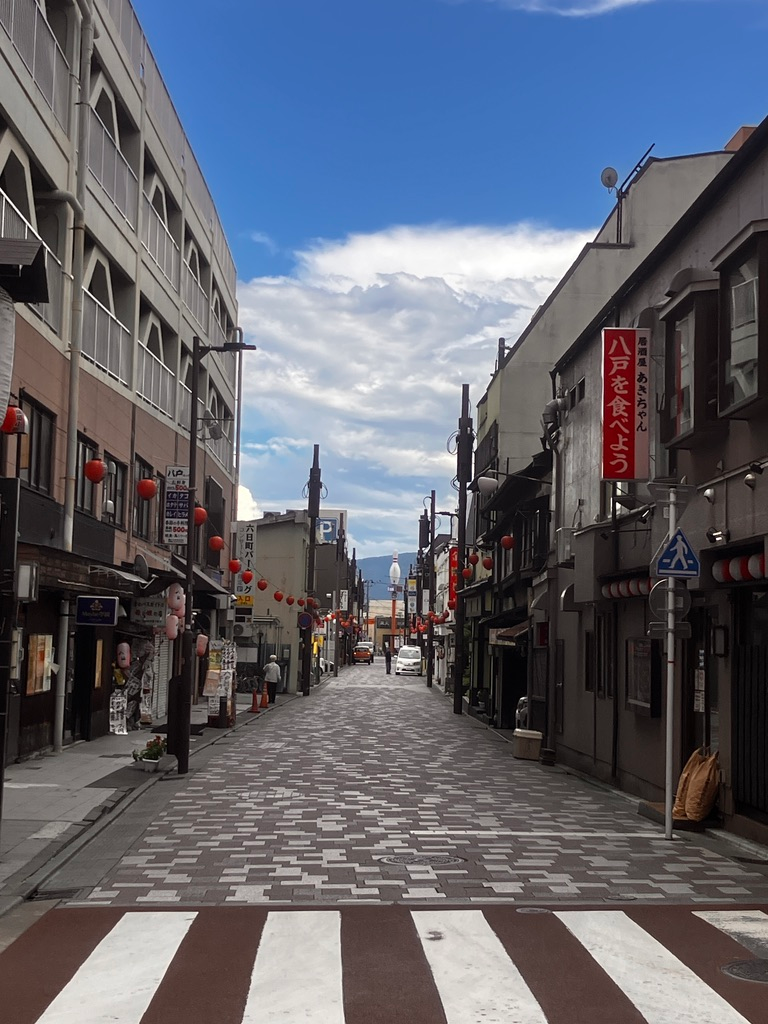
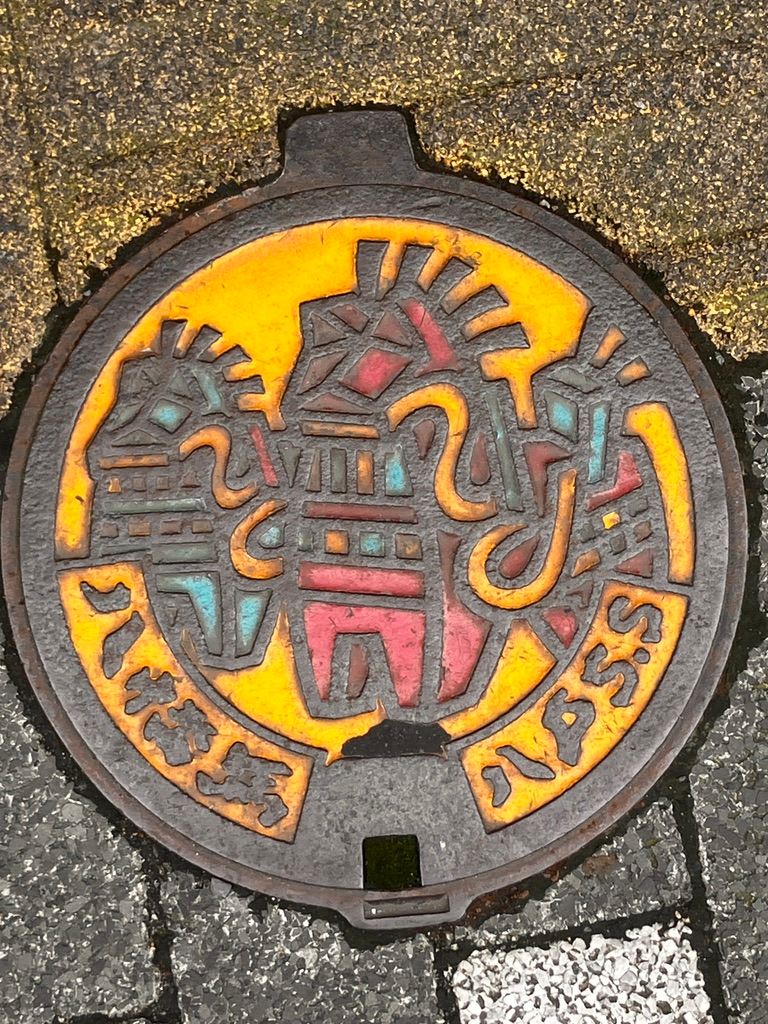
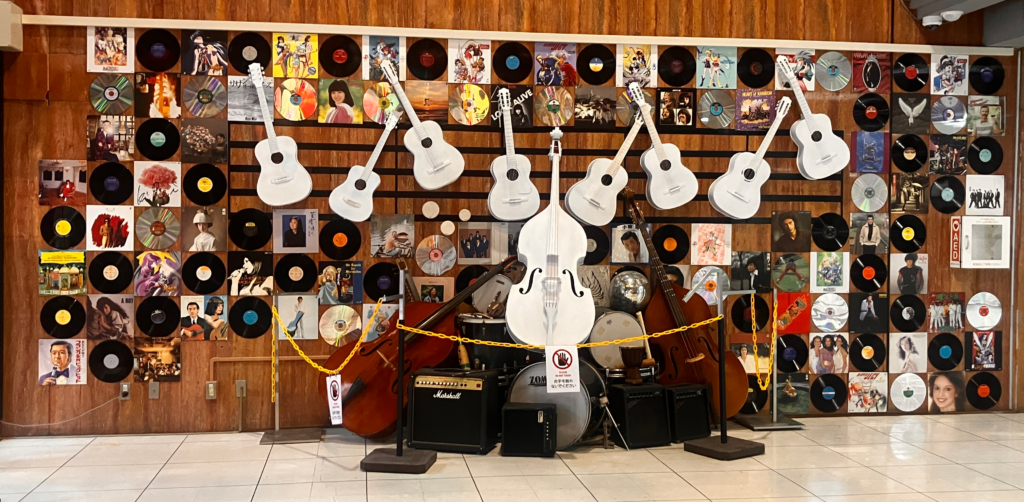
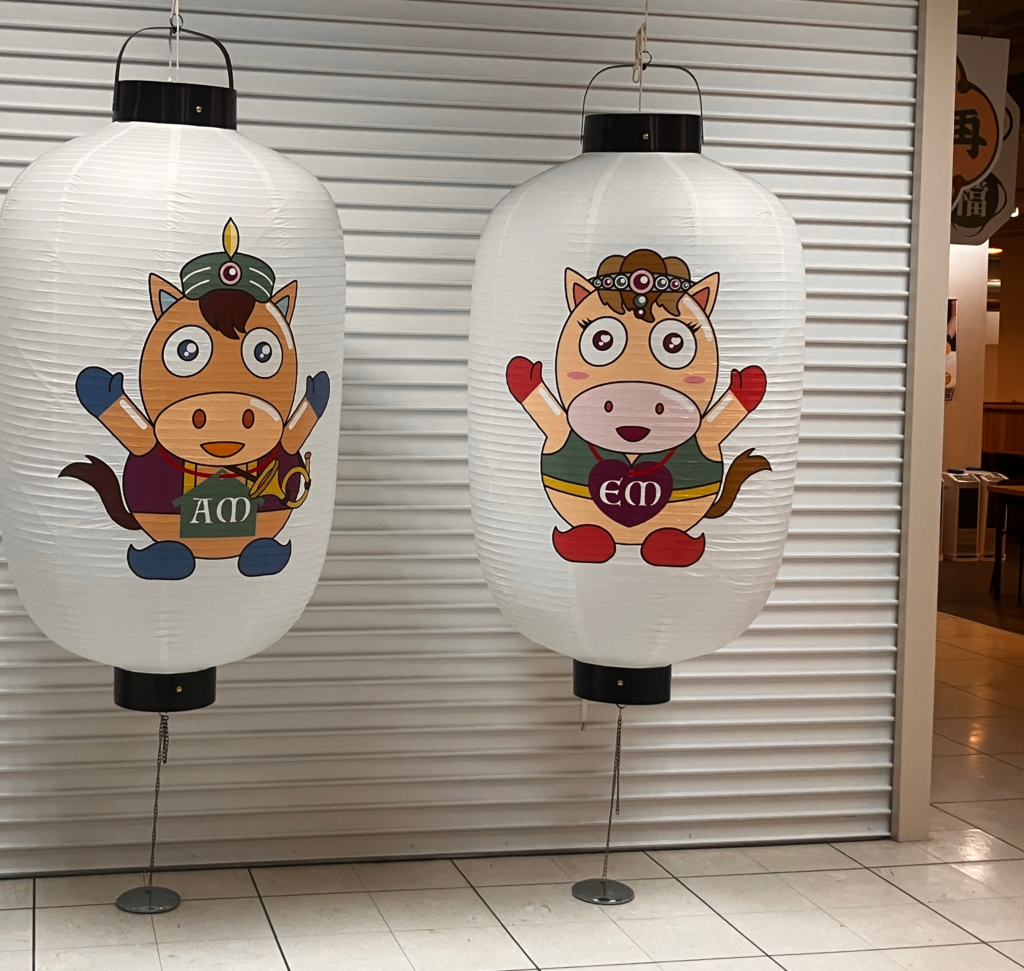
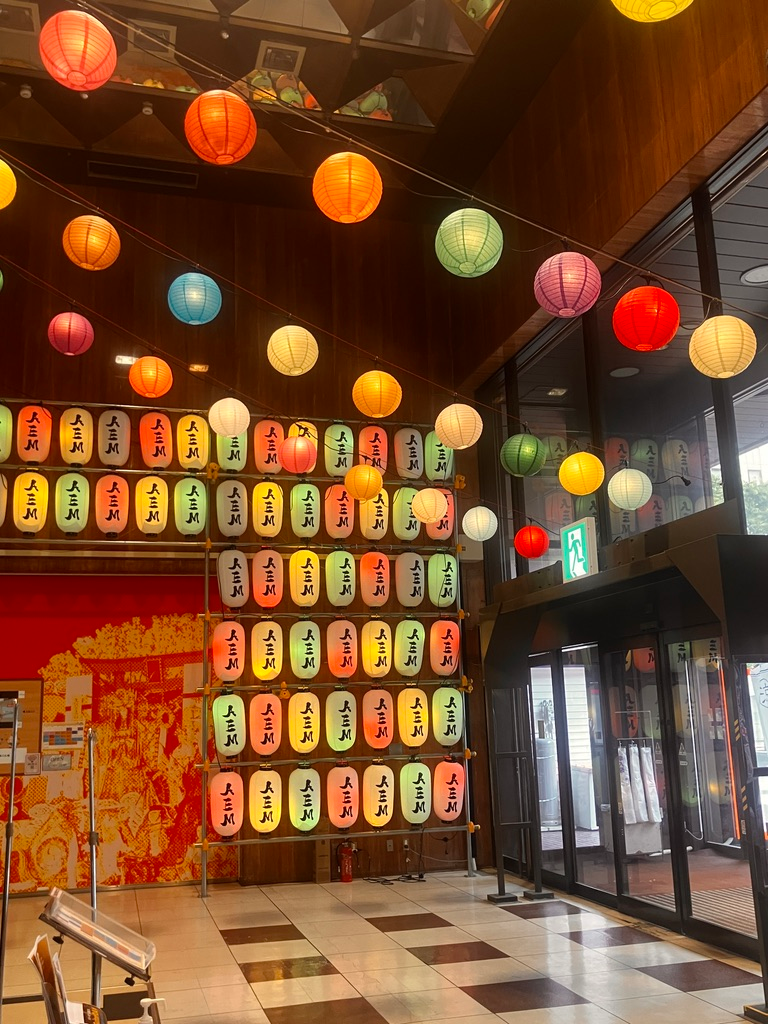
We went into a building that looked kind of like a mall. There were hardly any people inside.
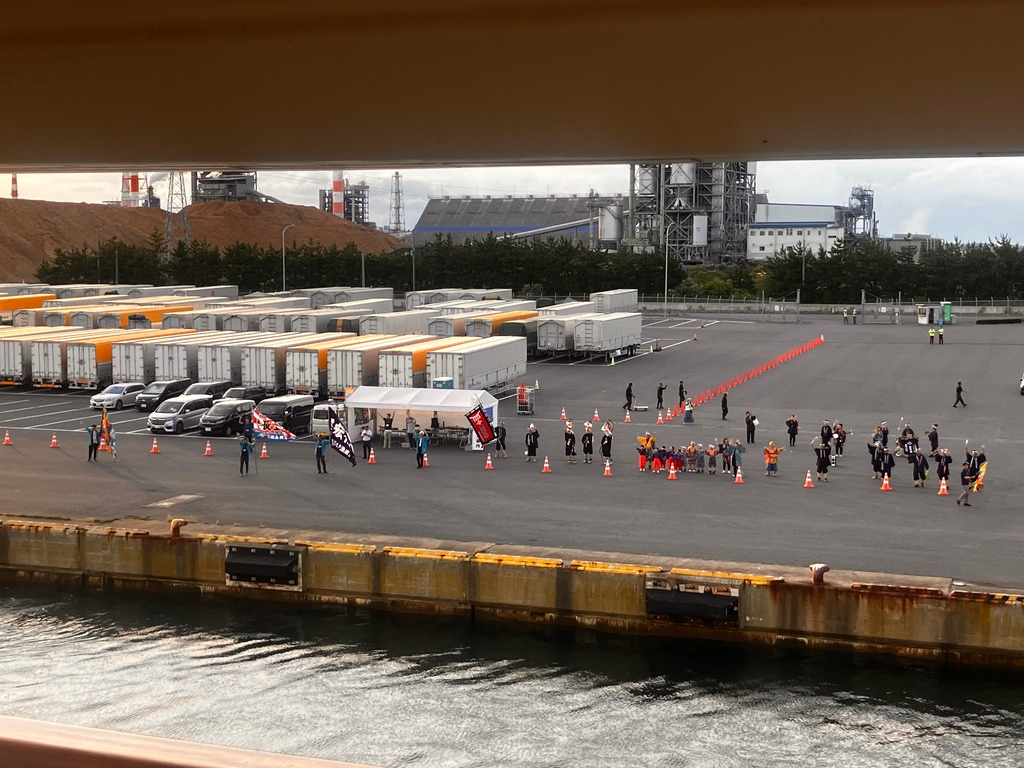
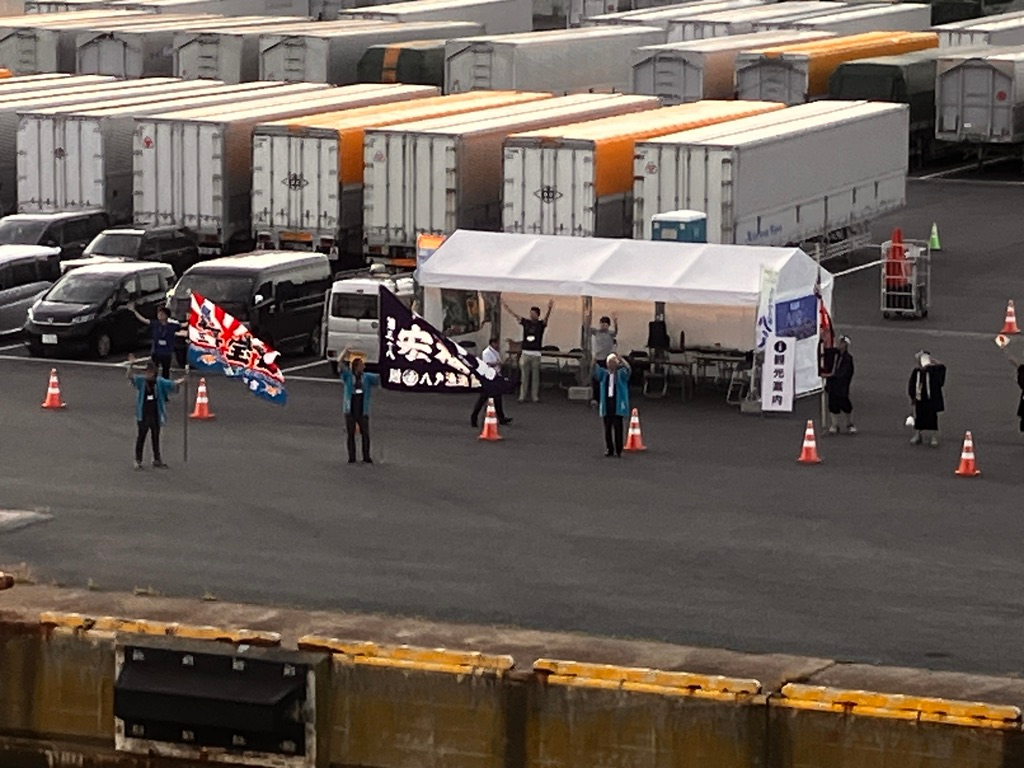
Back on the ship, locals put on a farewell performance as we floated away from the dock and sailed off to Sendai.
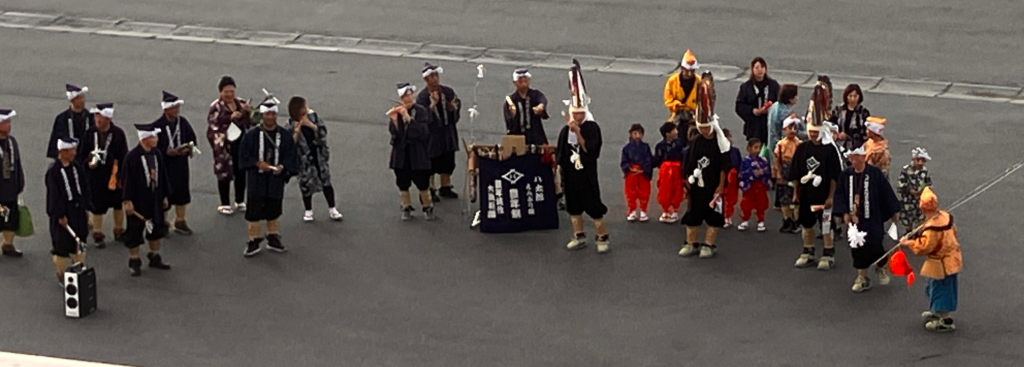
I’ll also post some videos of this on Facebook.
Once again, my low expectations paid off! I was completely delighted by Hachinohe – and I only saw a small part of it!