My views do not necessarily reflect the views of my employer.
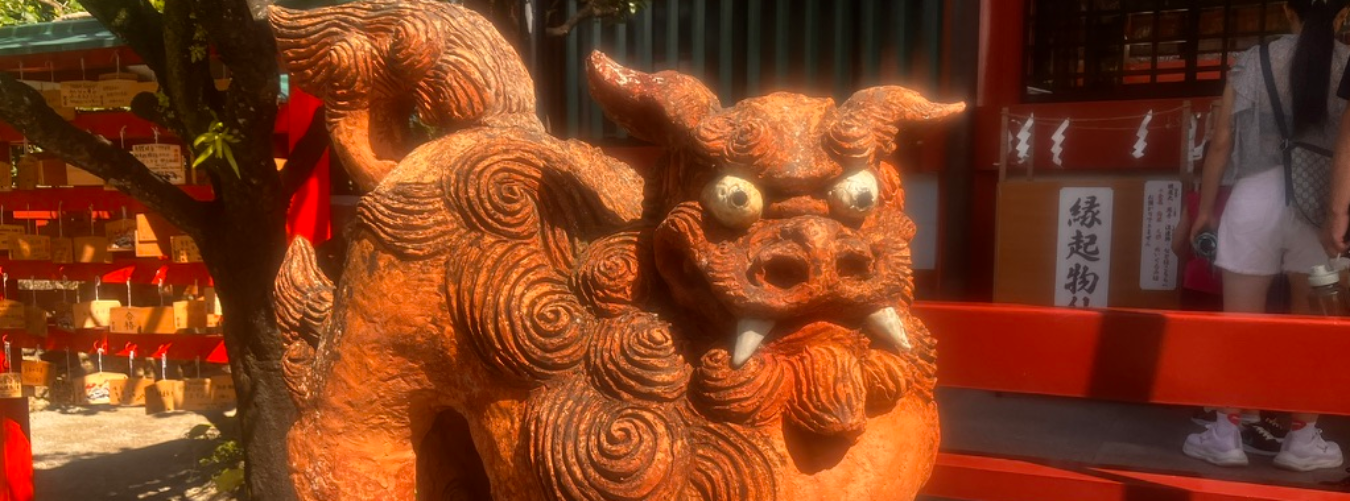
Of all the ports I’d visited in Japan last year, Hakodate was the port I was most smitten with. When we left Japan, I felt like I had barely broken the surface of what I wanted to explore there, but if I could only return to one of the places I had been to, I would choose Hakodate. I loved the harbor and the atmosphere and I wanted to spend more time there. As I was researching the port, I learned that it was very westernized (which may have been why I felt so comfortable there) and I also discovered even MORE things I wanted to do there:
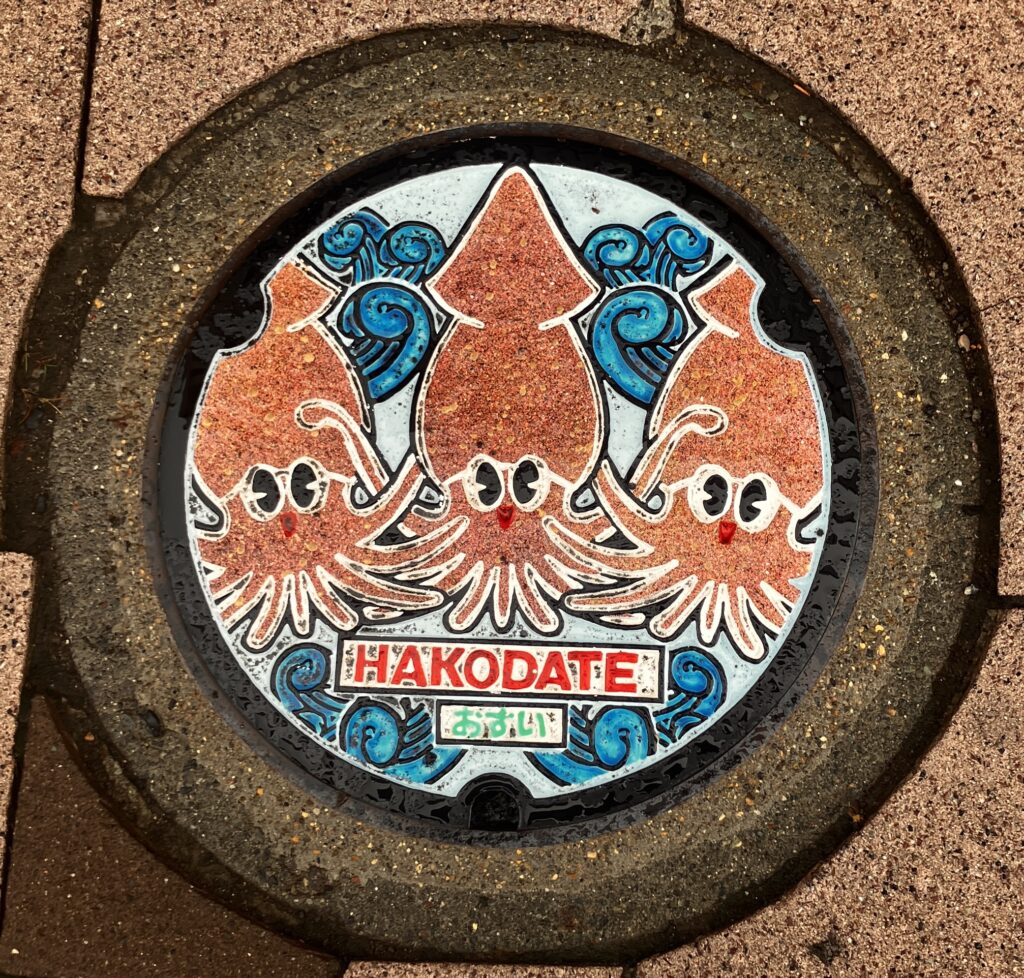
Hakodate, Japan
Nestled on the southern tip of Hokkaido, Hakodate is a scenic port city known for its panoramic mountain views, historic architecture, fresh seafood, and warm hospitality. With its blend of Japanese tradition and Western influence, Hakodate offers visitors an inviting mix of cultures, landscapes, and flavors. From the star-shaped Goryōkaku Fort and vibrant morning market to its historic Motomachi district with Western-style architecture and panoramic views, this charming city provides a delightful gateway to northern Japan.
Hakodate has a population of approximately 240,000 people. It’s one of Hokkaido’s oldest cities and served as one of the first Japanese ports opened to foreign trade in the 19th century, fostering its unique cultural blend.
While not a UNESCO World Heritage Site itself, Hakodate’s historic architecture and role in Japan’s modernization era make it culturally significant.
History:
The Hakodate area was originally inhabited by the Ainu people, the Indigenous people of Hokkaido. Japanese settlers arrived in the 15th century, and the town began to grow as a fishing village. Hakodate rose to national prominence in the mid-19th century, when it became one of the first ports in Japan to open to foreign trade after centuries of isolation under the Tokugawa shogunate.
This opening was formalized by the Treaty of Kanagawa in 1854, signed by Commodore Matthew Perry of the U.S. Navy. Western influence soon followed, with consulates, churches, and international districts sprouting throughout the city.
In 1869, during the Boshin War—a civil conflict between Tokugawa loyalists and Imperial forces—Hakodate became the final battleground. Rebels established the short-lived Republic of Ezo, headquartered at Goryōkaku Fort, Japan’s first Western-style fortress. The new Imperial Army recaptured Hakodate, and the war’s end ushered in the Meiji Restoration.
In the modern era, Hakodate grew into a key port and railway hub. Today, it is known for its preserved historical sites, seafood markets, and stunning views—especially the nighttime panorama from Mount Hakodate, considered one of the best in Japan.
Itinerary:
Arrival: Thursday August 7 8:00am
Departure: Thursday August 7 All aboard: 7:00pm Sail away: 6:00pm
Weather
- Average Temps: High around 78°F (25°C), low around 64°F (18°C) in August
- Climate: Warm and humid in summer, with occasional rain
- What to Wear: Lightweight clothing, a hat, and sunscreen. Bring a light rain jacket and comfortable walking shoes.
Currency & Cash Tips in Japan
While Japan is a highly developed country, cash remains the most reliable method of payment—especially in smaller shops, restaurants, and even some popular tourist attractions. Credit cards and digital payments are increasingly accepted, particularly in large cities, but many establishments still operate on a cash-only basis. These aren’t just small, family-run businesses—some larger venues and cultural sites may also decline card payments.
To avoid inconvenience, it’s essential to carry a sufficient amount of Japanese yen when traveling. Fortunately, Japan is one of the safest countries in the world, so carrying cash poses minimal risk.
🔍 ATM Tips: Not all ATMs in Japan accept foreign-issued debit or credit cards. To withdraw cash, look for:
- 7-Eleven (7Bank) ATMs – Found in nearly every city and town
- Japan Post Bank ATMs – Located in post offices and some train stations
- Lawson convenience stores – Most locations offer compatible ATMs
These ATMs offer English-language options and accept most major international cards. Always check for the international logo (Visa, Mastercard, Plus, Cirrus, etc.) before inserting your card.
1. Currency Exchange Machines
- Hakodate Morning Market (near Wakamatsuchō 9‑22): Open daily from 6 am to 3 pm, this convenient machine accepts major currencies and is close to Hakodate Station .
- Hakodate Airport (International Terminal): Automated machines operate during flight hours on the 1st floor arrival lobby and handle up to ¥100,000 per transaction.
2. Smart Exchange Machines
- Located near hotels (e.g., Premier Hotel Cabin President) and at Hakodate Airport, these machines exchange only foreign currencies into yen—no ID or passport needed
Near the Pier:
Cruise Ship Dock: Wakamatsu Wharf
Address: 12-19 Wakamatsucho, Hakodate, Hokkaido 040-0063
- 50 meters to the port gate
- 100 meters to the terminal building
- 200 meters to the town center
Nearby Essentials:
- Pharmacy: Sapporo Drug Store – 20-2 Wakamatsucho (3-minute walk)
- ATM: Inside 7-Eleven Hakodate Bay Area (accepts foreign cards)
- Convenience Store: Lawson – next to the terminal building
- Nearest Church: Motomachi Roman Catholic Church (15-minute walk uphill)
- Nearest Golf: Hakodate Country Club (20-minute drive; advance booking required)
💱 Currency: Japanese Yen
⚠️ Carry cash; many local shops and restaurants do not accept foreign credit cards.
💵 Currency exchange is currently not available at most banks—use ATMs for cash withdrawal.
Tipping is not a common practice in Japan and is generally unnecessary—even in situations where it might be expected elsewhere, such as restaurants, taxis, or hotels. In fact, leaving a tip can sometimes cause confusion or even mild offense, as excellent service is considered the standard and already included in the price. If you wish to show appreciation, a small gift or a handwritten note is more appropriate than cash. In rare cases (such as with personal guides or ryokan staff), tipping may be accepted—always place cash in a clean envelope and hand it over with both hands and a bow
Getting Around:
🚶 Walking: Many top sights are within 1–2 km of the pier, including the Motomachi Historic District and Red Brick Warehouses.
🚌 Public Transit: The Hakodate City Tram is scenic, reliable, and affordable. One ride costs ¥230–¥270. Day passes (~¥600) (~$4) available at the terminal. Hakodate Sightseeing Tram Loop: Follow the tram line to see top sights like Goryōkaku, Yunokawa Onsen, and Motomachi.
🚖 Taxis/Rideshare: Taxis are available at the terminal; rideshare services are limited in Hokkaido.
🚴 Bike Rentals: Rent from Hakodate Ekimae Rental Cycle (near train station). Helmet and map included.
Witnessing:
- Hakodate Morning Market: Located just 10 minutes from the Cruise Ship Pier, the Morning Market (Asaichi) is one of the city’s top attractions. Open daily from around 5:00am to noon, it features over 250 stalls offering ultra-fresh seafood, local produce, and souvenirs. Don’t miss specialties like live squid fishing, sea urchin rice bowls (uni-don), and crab cooked to order. Many eateries have English menus and cater to visitors eager to try Hokkaido’s famous bounty from the sea. Come early for the best selection and most vibrant atmosphere.
- Bay Area Red Brick Warehouses: Originally built in the early 1900s as part of Hakodate’s bustling international trade district, these beautifully restored red brick buildings now house a stylish shopping and dining complex along the waterfront. Inside, you’ll find boutique shops, craft galleries, cafes, and restaurants offering local specialties and Hokkaido-made goods. The scenic harbor views, cobbled walkways, and preserved architecture make this a charming spot to stroll, shop for souvenirs, or enjoy a coffee by the sea. Illuminated at night, the area also has a romantic atmosphere perfect for evening walks—though note, we’ll be in port during the day.
- Mount Hakodate Ropeway: The Mount Hakodate Ropeway whisks visitors from the base station near the bay up to the 334 m summit in about 3 minutes. Offering panoramic views of Hakodate’s harbor, surrounding hills, and sprawling cityscape, it’s an ideal stop any time of day. For daytime visitors, the observatory deck provides sweeping vistas and excellent photo opportunities—highlighting the layout of the old port district and the contrast between urban and natural landscapes. The ropeway operates every 10 minutes from 10:00am until late evening (check seasonal schedules), and round-trip fares are approximately ¥1,280 (under $9USD) for adults and ¥640 for children.
- You can also hike up the mountain
- Lucky Pierrot: Quirky local burger chain, famous for its Chinese Chicken Burger and eclectic decor.
Learning:
Hakodate City Museum of Northern Peoples: This museum offers a compelling journey into the lives and traditions of Hokkaido’s Indigenous Ainu and other northern cultural groups. Exhibits feature authentic tools, garments, ritual items, and traditional housing models, all accompanied by insightful audio-visual displays. Visitors can learn about everyday life, craftsmanship, spiritual beliefs, and the environmental connections of these communities. The museum also hosts occasional workshops—such as Ainu craft demonstrations—that provide hands-on cultural experiences. Conveniently located in the Motomachi district, it’s a thoughtful and enriching stop for anyone interested in the depth of Hokkaido’s heritage. Open 9am to 7pm Admission Adults: ¥300 (~$2)
Old Public Hall of Hakodate Ward: This striking Edwardian-style building is an Important Cultural Property built in 1910, combining Western grandeur with Japanese architectural flair. Overlooking the harbor from Motomachi, its colorful façade, elegant interiors, and original décor—including rooms once used by imperial guests—make it a must-visit.
Address: 11‑13 Motomachi, Hakodate
Access: Take the Hakodate tram to Suehiro-cho and walk ~7 minutes
Hours: 9:00 am – 6:00 pm. Admission: Adults: ¥300 (~$2)
Special Feature:
Try on Meiji-era attire—a “noble lady” dress or traditional kimono—for a 30-minute photo session (Dress rental: Adults ¥2,500 (~$17) / Children ¥1,500; Kimono rental: ¥4,000). Photo backdrops include the main hall’s magnificent chandeliers and veranda views.
Hakodate City Museum: Housed in Hakodate Park—one of Japan’s earliest Western-style public gardens—the Hakodate City Museum showcases local history, archaeology, and cultural artifacts from the region. Highlights include the largest medieval coin hoard discovered in Japan, indigenous Ainu life, early Hokkaido development, and the arrival of Commodore Perry’s fleet. The park itself, established in 1879, offers scenic strolls especially charming during cherry blossom and autumn foliage seasons.
Address: 17-1 Aoyagi-chō, Hakodate
Access: In Hakodate Park, near Old Museum Buildings and park facilities
Hours (with last entry 30 minutes before closing): 9:00 am–4:30 pm
Admission (Permanent Exhibits): Adults: ¥100
Exploring:
The Motomachi Area of Hakodate is a picturesque historic district known for its cobblestone slopes, elegant Western-style architecture, and international flair. Once home to foreign consulates and traders, the area features beautifully preserved buildings like the Old Public Hall of Hakodate Ward, Former British Consulate, and several historic churches including the Holy Resurrection Orthodox Church. A suggested walking route connects scenic slopes like Hachiman-zaka and Nijukken-zaka with landmarks such as Motomachi Park, Old Souma House, and the Hokkaido Government Branch Office. Easily accessible via the Jujigai or Suehiro-cho tram stops, this compact neighborhood offers a nostalgic glimpse into Hakodate’s global past.
The Mt. Hakodate Area is a scenic region rich in natural beauty, historic sites, and panoramic views. Highlights include the Mt. Hakodate Ropeway, which takes visitors to the observatory for sweeping daytime vistas of the city and harbor. Explore cultural sites like Hakodate Hachiman Shrine, Cape Tachimachi’s dramatic cliffs, and the Hakodate City Museum, all set within a tranquil, park-filled landscape. A suggested walking route connects the ropeway base, museums, and shrines, offering a peaceful and photogenic experience of Hakodate’s southern peninsula.
Hakodate’s Bay Area combines historic charm with modern shopping and dining. Centered around the iconic red brick warehouses of Kanemori, this waterfront district features bustling markets, including the Hakodate Morning Market and Jiyu Market, where visitors can sample fresh seafood and local specialties. Cultural sites like the Hakodate City Museum of Northern Peoples and Meiji Hall offer insights into the city’s port history and northern heritage. With sea breezes, tram stops, and walkable paths, the Bay Area offers a full sensory experience right along the water’s edge.
A symbol of Hakodate’s modernizing past, the Goryokaku Area centers around the iconic star-shaped Goryokaku Fort—Japan’s first Western-style citadel, now a peaceful public park lined with cherry trees. Visitors can enjoy panoramic views from Goryokaku Tower, explore historical exhibits at the Magistrate’s Office, and stroll to nearby cultural attractions like the Museum of Art and Performing Arts Center. This area blends Edo-period history with contemporary city life, all easily walkable from the Goryokaku-Koen-mae tram stop.
Known as Hakodate’s hot spring retreat, the Yunokawa Area offers relaxation and scenic beauty along the coast. Soak in traditional onsen, visit the charming footbath by the tram stop, and explore attractions like the historic Yukura Shrine, lush Takuboku Park, and the Hakodate Tropical Botanical Garden—famous for its hot-tubbing monkeys. With views of the ocean and the comfort of natural springs, Yunokawa provides a peaceful counterpoint to the bustle of the city center.
This coastal region offers dramatic scenery and rejuvenating nature. From the windswept Chōshi Surf Beach to the white Cape Esan Lighthouse and volcanic Mount Esan, the area is perfect for outdoor exploration. Visitors can relax in Mizunashi Kaihin Onsen—a unique natural hot spring by the sea—or stroll through Esan Azalea Park, especially stunning in spring. Overlook points like Mui-no-shima and spa facilities at Toi Water Park add comfort to this rugged landscape, ideal for a scenic drive or wellness escape.
Step back thousands of years in the Jomon and Minamikayabe Area, where ancient settlements reveal the roots of early Japanese life. Visit the well-preserved Ofune and Kakinoshima archaeological sites, both recognized as UNESCO World Heritage components. The Hakodate Jomon Culture Center showcases pottery, tools, and reconstructed dwellings from Japan’s prehistoric Jomon period. Surrounded by nature, this area offers a peaceful and educational journey into a civilization deeply in tune with the environment.
Discovery:
- Tropical Botanical Garden: Monkeys bathe in open-air hot springs in winter—worth a visit year-round for its unique setting.
- Trappistine Convent: Japan’s oldest convent, founded by French nuns in 1898. Peaceful gardens and European-style chapel.
Hidden Gems:
- Foreign Cemetery: Final resting place for foreign residents, tucked in a quiet hillside.
- Hachiman-zaka Slope: A popular photo spot with sweeping views down to the bay.
- Koryuji Temple: An understated yet atmospheric Buddhist temple not often visited by tourists.
Tasting:
- Lucky Pierrot: Quirky local burger chain, famous for its Chinese Chicken Burger and eclectic decor.
- Ika Odori-don (Dancing Squid Dish): Try this local delicacy where soy sauce makes the squid tentacles move!
- Uni Murakami: High-end sea urchin specialties with stunning freshness.
- Hakodate Beer Hall: Local craft beer in a historic red brick building.
- Kikuyo Shokudo: Long-time favorite seafood restaurant near the Morning Market.
- Pastry Snaffle’s: Beloved for its creamy cheesecakes, often bought as a souvenir.
Travel Tips:
- Carry yen in cash; credit card acceptance is limited.
- English signage is available in most tourist areas; basic Japanese phrases are helpful.
- Trams are the best way to get around—buy a day pass.
- Tap water is safe to drink.
- Etiquette: Remove your shoes when entering temples, traditional inns, or some restaurants. Dress modestly and behave respectfully at cultural and religious sites.
August 7, 2025
My friends Steven and Michele were planning on leaving the ship right when we got to Japan, going straight to Tokyo and then meeting back up with the ship there. When I told them Hakodate was my favorite port, they changed their plans and left the second day instead. They had never been to Japan before, so I told them I would show them around. My plan was to go on the gondola up the mountain (which I hadn’t gotten to last time), wander through the Red Brick Warehouses, and of course, have a chicken sandwich at Lucky Pierrot. At my lecture, I told the story of my first time visiting Hakodate – how I’d met an American lady who had been living in Tokyo who RAVED about the chicken sandwich at Lucky Pierrot. She loved it so much that she bought merchandise for her whole family. I told them that I was IPM and couldn’t get off the ship the first two times we’d docked at Hakodate, and then when I finally got to go I loved it, and loved the chicken sandwich. Now everyone on the ship was talking about this chicken sandwich. I laughed to think about how this woman told me about the sandwich on a bus last summer and now I was sending 200 people to go try it.
The morning we arrived, I had to wait to get my Japanese shore pass, so Michele and Steven left early to get their train tickets for the next day at the train station. I was so proud of them for going out and navigating a new foreign country on their own!
I met up with them at the fish market, where we found many other residents and signs welcoming our tiny ship. I tried a dried scallop, even though that was not something I particularly wanted to eat first thing in the morning. We stopped at a kombini – a convenience store and I got a coffee. I love Japanese kombinis.
We found our way to the Red Brick Warehouses – now I knew where I was! We went into a drug store where I had gone with Kotoha, my friend from the Diamond Princess (who I would meet up with in Tokyo) and she helped me find the magic Japanese cold medicine.
It was a dreary day weather-wise, and I was nervous that I had built up Japan and Hakodate too much, but Michele and Steven were as delighted as I was with the place!
We wandered through the shops and I felt like Dave, the guitarist on the Diamond (who I would meet up with in Shimizu, though I didn’t know this at the time), was there with me as he had been when I was here a year ago.
We went across the street and stopped in the Starbucks (where I had run into Dave before we wandered through the Red Brick Warehouses). It was pouring rain. I was so happy to be back in Japan and in Hakodate. My plan had been to take the ropeway up to the top of the mountain, but if we did that, we would just be in the cloud (not the one where I keep my pictures). My other plan was to walk through the star-shaped park or the neighborhoods, but again, it was raining. Luckily Steven and Michele were happy to just sit and chill. We waited until the Brewery opened and went across the street, and sat at the table next to where I had sat with Fernando (Cruise Director on Diamond) and Dave last year – where I had waved at my mom’s friends Joanne and Gary who had been sitting at another table. We waited for Victor, the Executive Chef, to come meet us, and then we went back across the street to Lucky Pierrot.
When I had come here before with Kotoha, my Japanese friend had ordered for me. Luckily the line was long so I had time to figure out a plan. I looked up the English menu online and took pictures of everything we wanted. At the counter, I showed the lady the pictures and indicated with my fingers how many I wanted of each item. I was so proud of myself for navigating Japan without a Japanese escort!
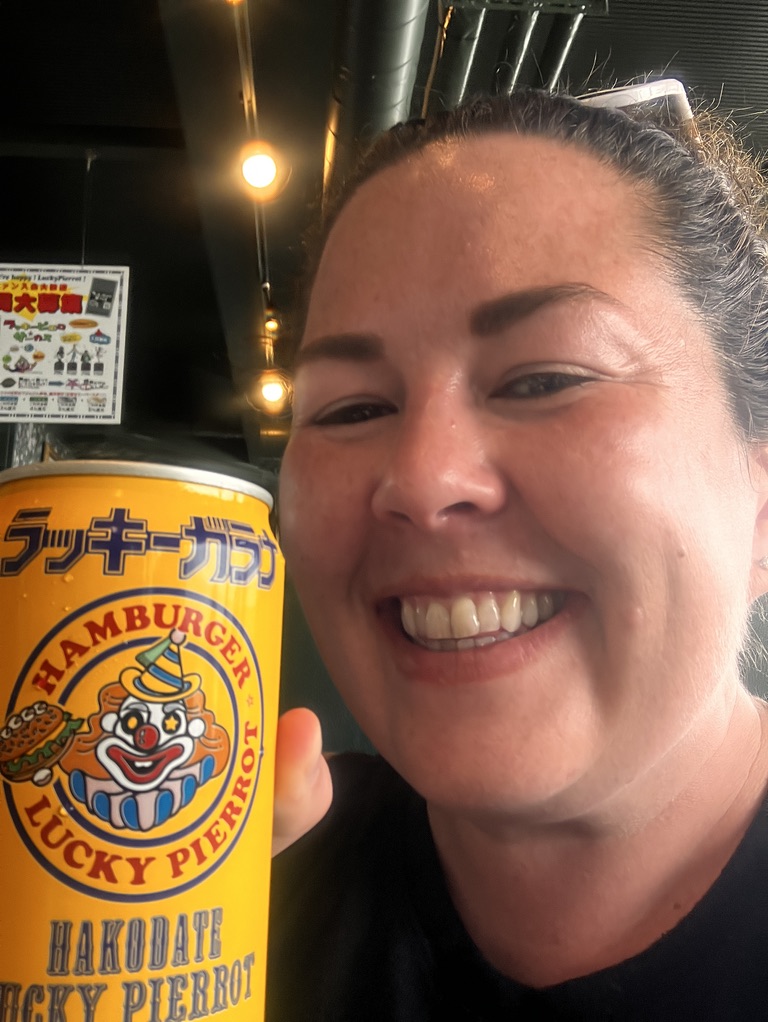
The sandwich was even better than I remembered it (even though I forgot to order the one with special sauce). Victor was also very pleased with his curry. Not everyone on the ship loved that sandwich as much as I did, so if you go, please lower your expectations.
We took Victor back through the Red Brick Warehouses for another wander before making our way back to the ship.
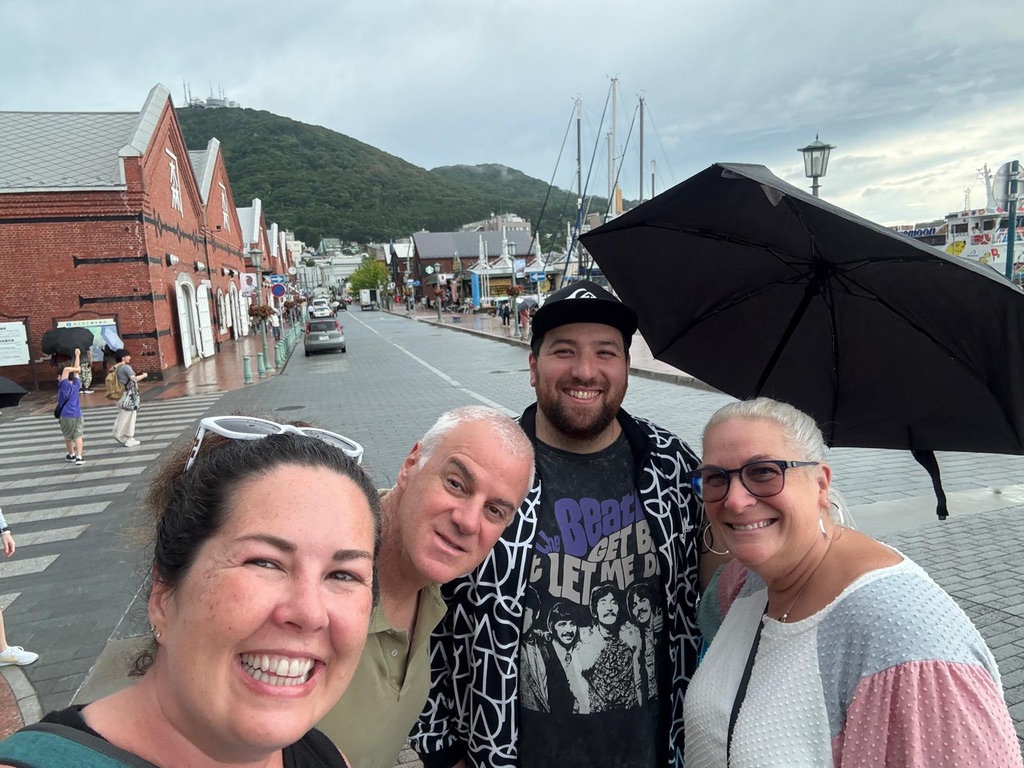
I told Steven and Michele how, when I was on Princess and we would go back to the same ports, that I thought I would do something different each time- like it would be like having many days in a row in the same place. Instead, I kept returning to my favorite places more often than not. This time the weather made the new places less desirable. Here I was, coming back to the place in Japan that I wanted to return to most and I was doing the same things. This time, though, I not only had my new friends with me, I had the memories of my old friends walking along with me as well.