My views do not necessarily reflect the views of my employer.
April 28 to May 2, 2025
When I accepted my new job, the company I would be working for onboard Villa Vie Odyssey required an STCW certificate (Standards of Training, Certification and Watchkeeping) issued by the International Maritime Organization. I’d never needed it while working with Princess, so I paid the fees and booked the course for late April without really knowing what it entailed.
I received an email telling me to bring clothes that could be damaged by smoke, and swim wear to wear under a wet suit for jumping in a river. I studiously read the course materials- which covered etiquette, basic first aid, how to ‘don’ survival suits, life rafts and fire safety. Some of the material was familiar from my time at sea. Most of it I hoped I’d never have to use.
I took the train from Banbury to Southampton (where I’d been every Friday over the winter) and caught a bus to the Ferry which would take me to the Isle of Wight.
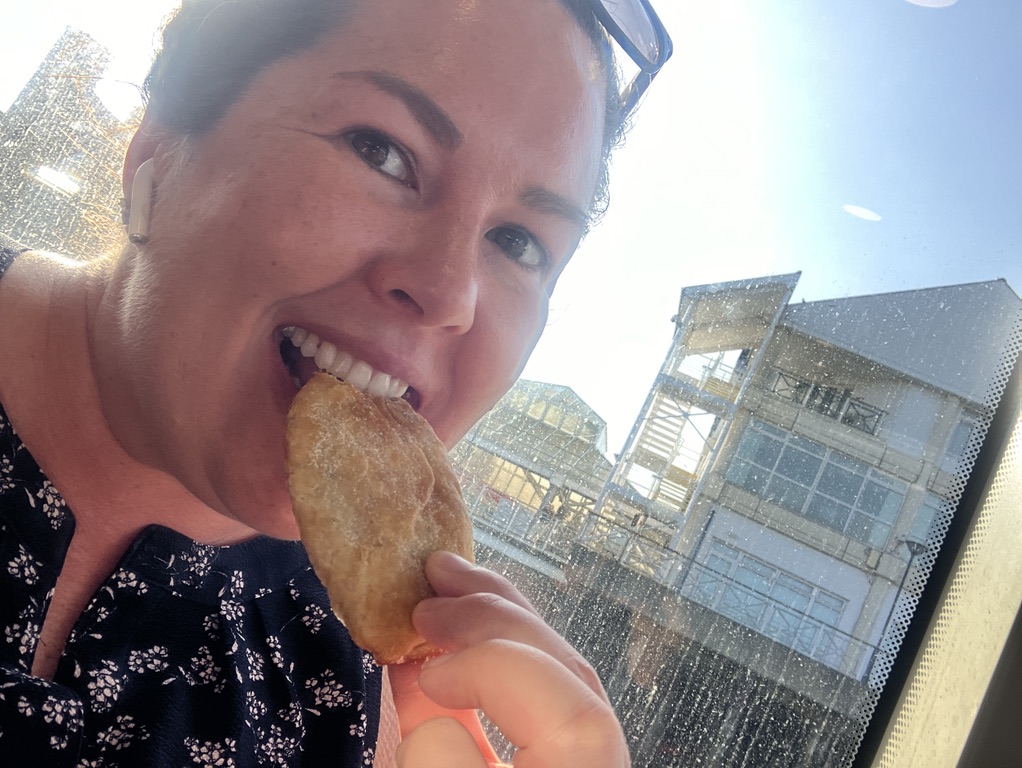
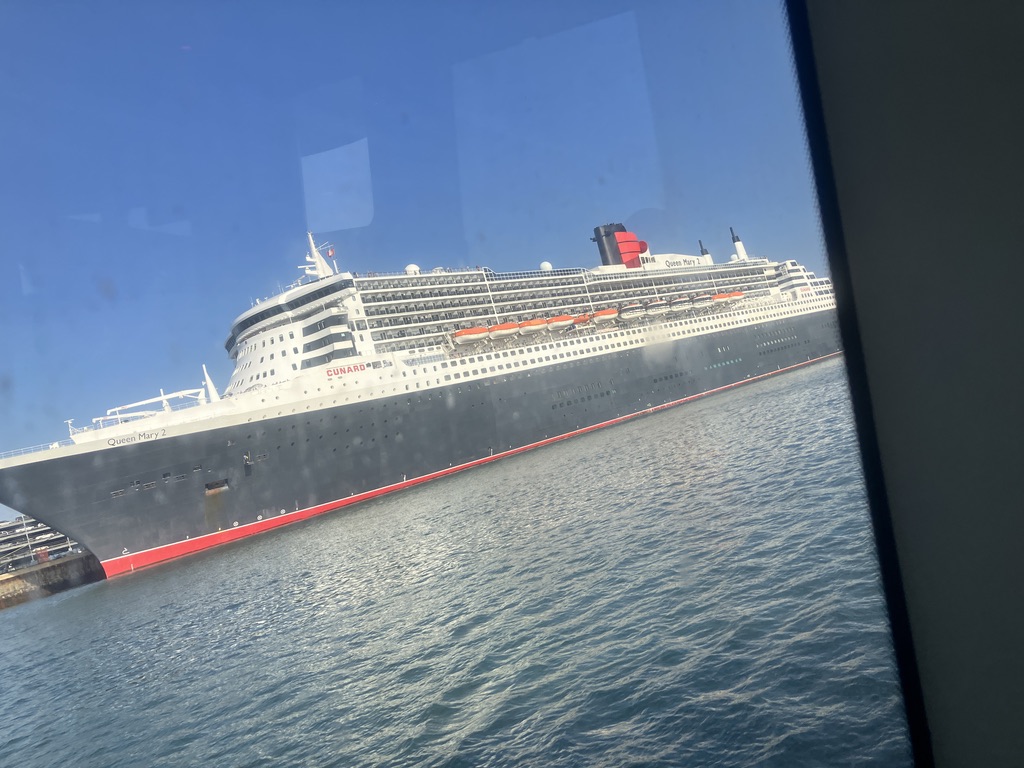
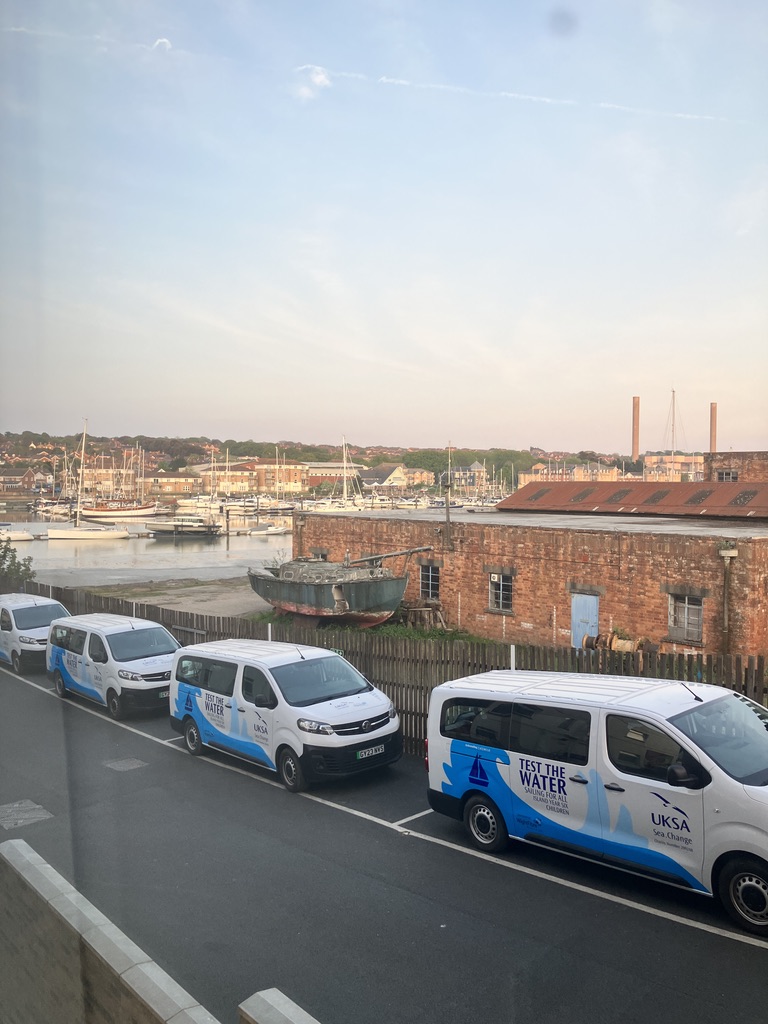
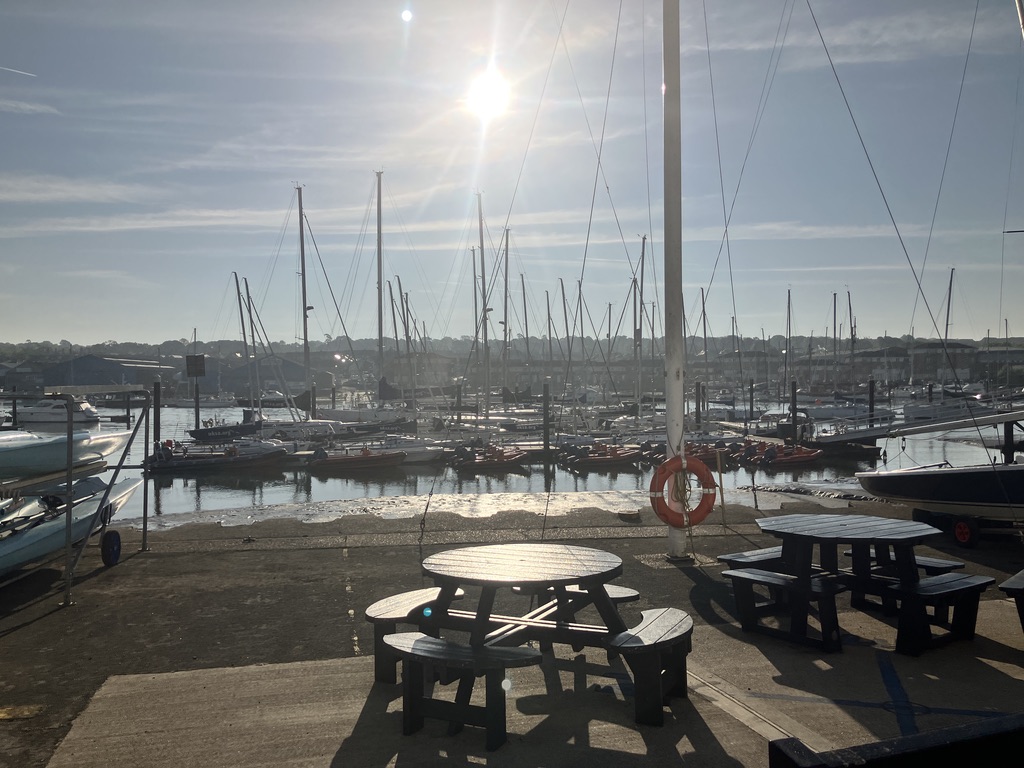
I walked through the town of Cowes to the training center. I was warmly greeted, shown my dorm and ushered off to dinner before the canteen closed.
My first roommate, Krisha, arrived shortly after I did. Originally from the Philippines (I’ve been there!),she had lived in Bristol (I’ve been there too!) since she was 11. She’d studied fashion but wasn’t passionate about it anymore. She was currently working as cabin crew for Ryanair (which she said didn’t pay much) and was taking the STCW course to get into yachting (which would hopefully pay more).
The lady at the front desk had mentioned a rec room, but when I asked about it, it had closed early that night (Sunday) since no one was there. Hmmm… What was I going to do? I decided to read my book and try to go to sleep early so l’d be okay waking up earlier the next morning than I’d woken in weeks.
Later that night, Elle arrived and claimed a top bunk. She was from Oxfordshire (near Banbury). After working in Mental Health for NHS, she was taking a break (she had just been traveling in Thailand) before pursuing her doctorate. She loved traveling so much that she decided to give yachting a try so she could make some money to pay for her degree and see the world before she was ready to settle down. She’d missed dinner, so she set off in search of food and coffee for the morning, already declaring she wouldn’t be awake in time for breakfast. I liked her immediately.
Day 1
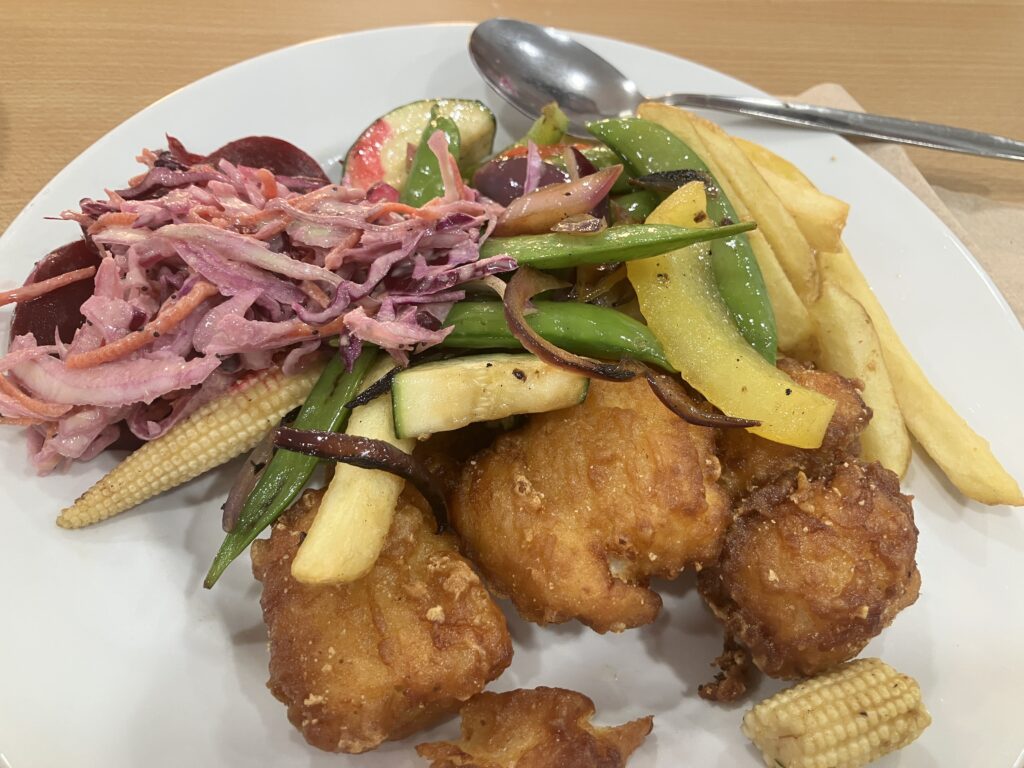
The mattress was one of the worst I’ve ever slept on, but I wasn’t alone – none of us slept well. We were all surprised that we were awake for breakfast at 7 am – our 15 minute window before the summer camp kids came in. The kids would clear out around 8:30 and then our course started at 9am.
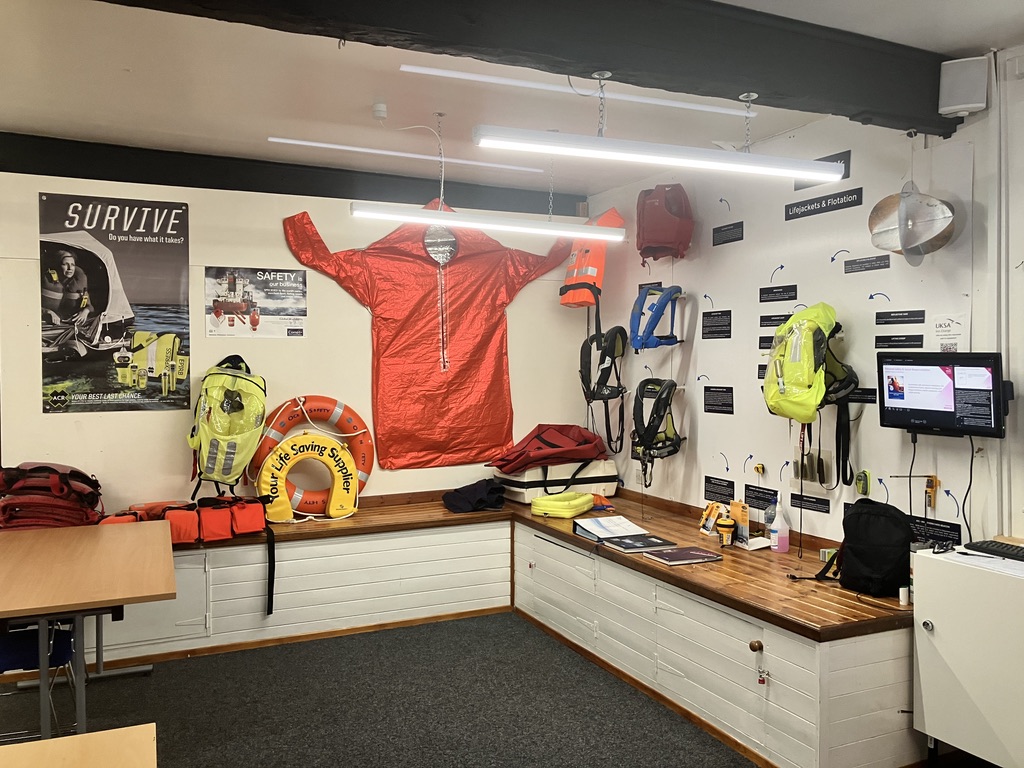
In the classroom we met Lorne Gardner, our instructor, and he checked our ID’s (they had to make sure no one was paying someone to sit the course for them) as we took turns introducing ourselves .
It quickly became clear that most of my classmates were pursuing jobs in yachting. As an enthusiastic Below Deck fan, I totally got the appeal. That said, I prefer dancing and telling jokes to working as hard as they work on that show. Richard was the only other outlier besides me – he had just gotten a job as a musician playing bass guitar for Saga cruises, and they also required this course.
All of us struggled to stay engaged as Lorne made a valiant effort to keep our attention. Luckily I was familiar with the concepts of working with an international crew and treating everyone with respect. Learning how to deter Somali pirates from boarding the ships kept me awake in the afternoon.
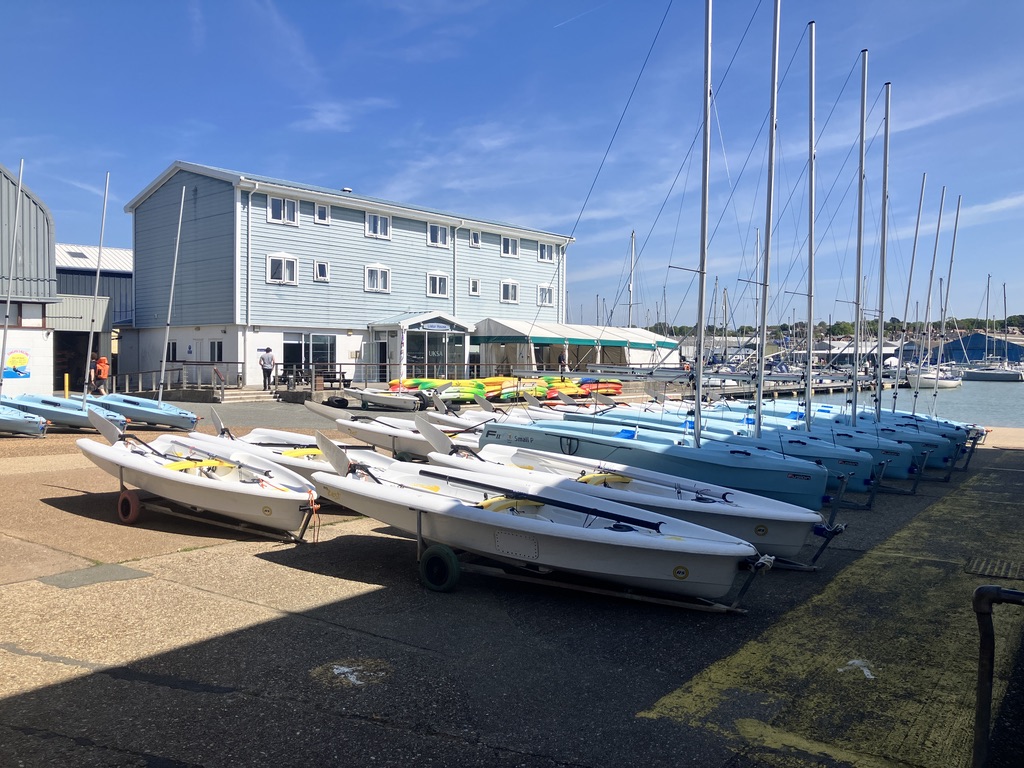
We finished at about 4pm and thus had some time before our windows for dinner: 17:00-17:15 or 18:20-1845. I decided to walk into town and see what I could find.
The nearest pub was about a 20 minute walk from the training facility. I had a couple pints and called my mom. After a quick dinner I went up to “The Bridge” and had some drinks with my classmates.
Day 2
We all slept better the second night and were significantly more rested and alert for another day in the lecture room. Ewen, our Day 2 instructor went over basic first aid. We took notes and took turns giving CPR to dummies and finished relatively early once again.
It was such a weird schedule. I was used to working all day and all evening while on ships or having no schedule while on vacation. It was offputting to be busy during the day and then have the evening to relax – this was a concept I dream of on the ship. I had to remember to enjoy it.
That evening I walked into Cowes to wander the streets called Rose. It’s a very small town.
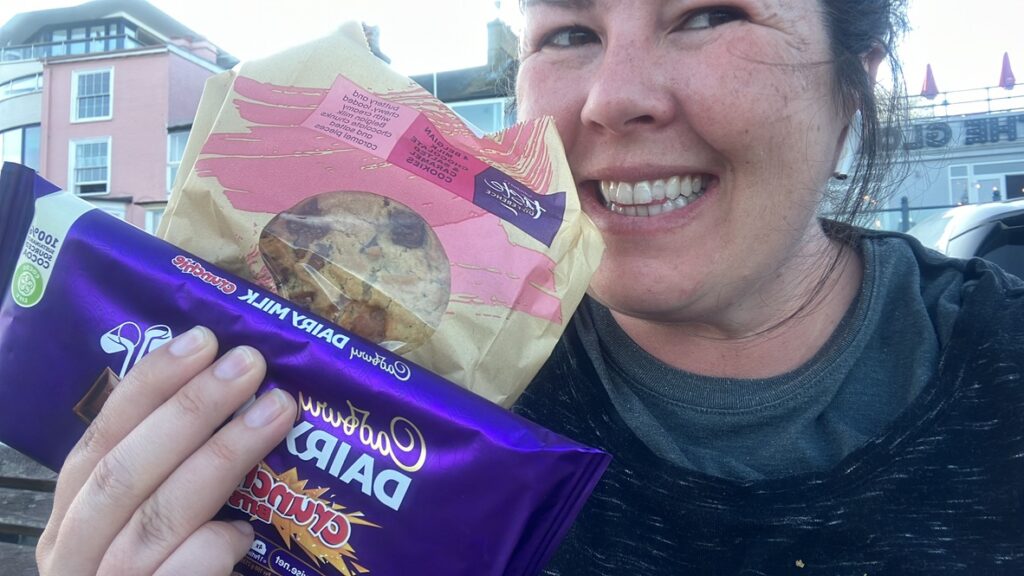
Day 3
Finally we were going to be doing something active! – but not until after lunch. We spent the morning in the classroom taking more notes and learning about Survival at Sea.
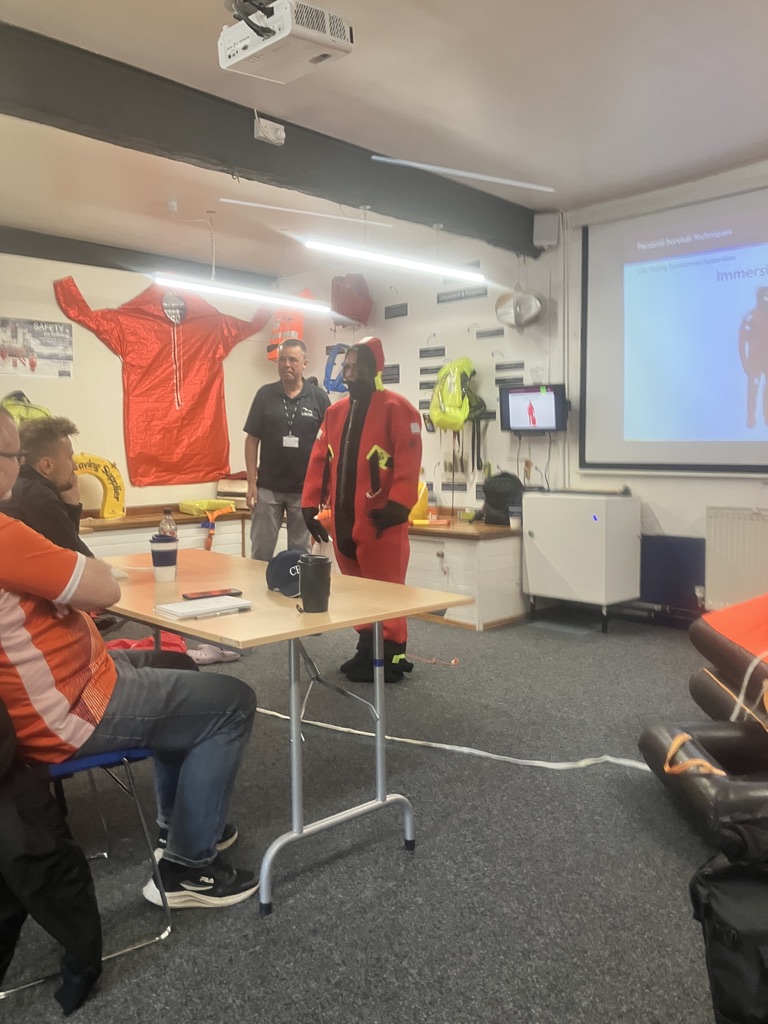
In the afternoon we donned our survival suits. Once my hands were in the suit, I couldn’t take a selfie, but this is:
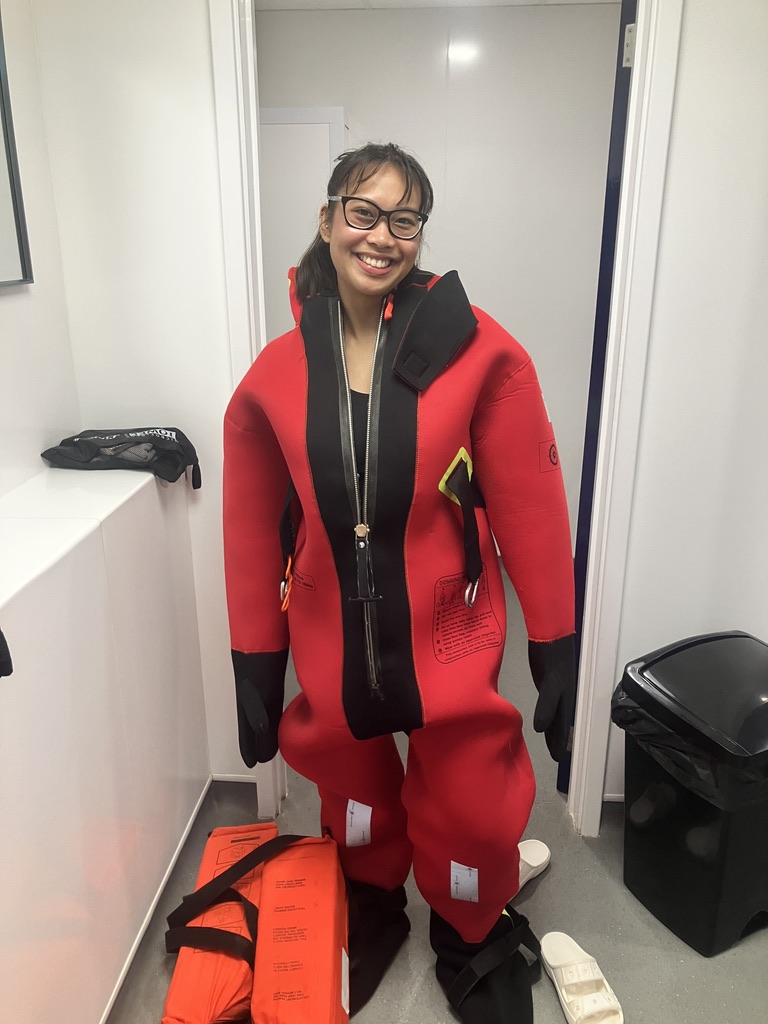
The suits were really smelly. We could wear our clothes in the suit – I wore a T shirt and shorts. Lorne promised that only our faces and maybe the top of our necks would get wet.
We helped each other put life jackets on over the suits and then we all tredged down to the dock and jumped in the salty brown river.
Between the salt water, the life jackets and the survival suits, we were very buoyant in the water – it was very relaxing to just lay on our backs and float. My ears were covered by the suit so the hardest part was getting my feet under me so I could face the instructor in order to better hear him.
The first thing we did was link arms and make a circle with our feet in the water. All of our faces were up in the air so we could breathe, we could conserve energy and, linked together, we would be easier to spot from afar.
Next we practiced saving each other by wrapping our legs around someone else’s torso and doing a back stroke (which was easier than I thought it would be). Then we made a survival chain, doing what we’d just practiced in pairs in one long line and made our way over to a floating life raft.
We each climbed into the life raft from the water (which was more difficult than I thought it would be) and then fell out back in the water (which was much more fun). The second group practiced hauling a ‘casualty’ into the life raft.
We got out of the water and, sure enough, my clothes were (very smelly from the suit, but) basically still dry! We had another hour in the classroom and then we were released for the day.
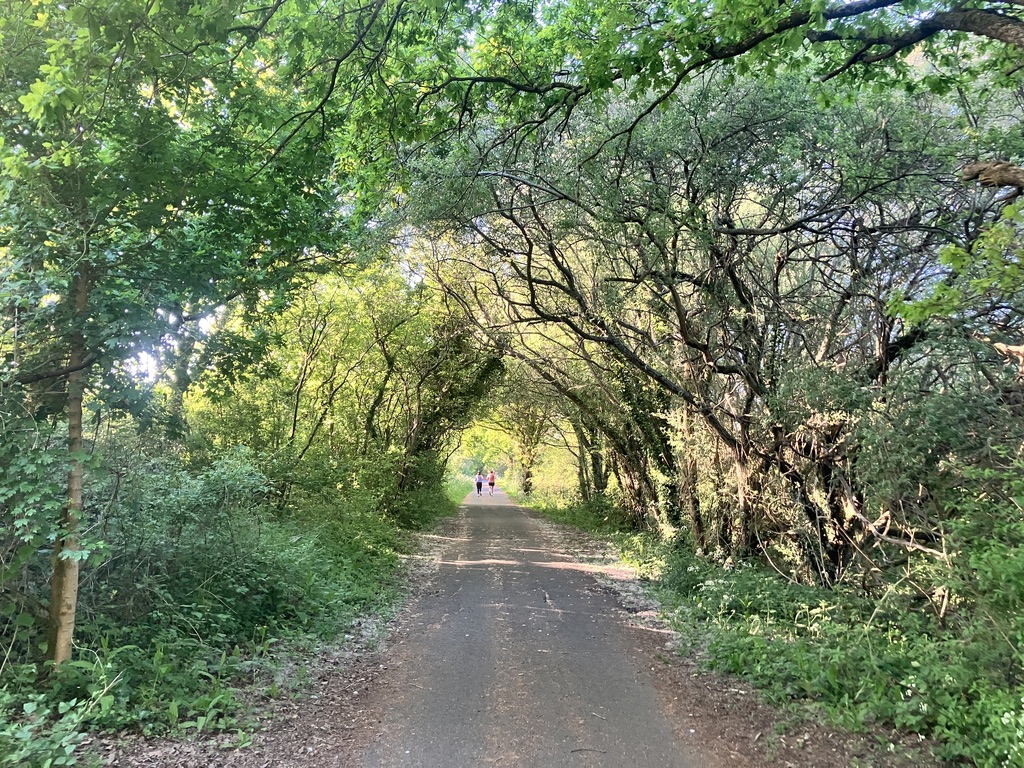
That evening I decided to turn left out of the training center and I found this park:
The next day we would meet at 8am to take a taxi to the Fire Safe training grounds. I was very curious to see how I was going to react to this.
When I was about 7 or 8 I saw a fire safety video where I learned that if you’re in a fire, the smoke is so black and thick that you can’t see through it like you can in the movies. It totally freaked me out. I was terrified of the house catching on fire while I slept so while I waited to fall asleep (which was always at least an hour) I would repeat the mantra “please don’t let the house burn down” over and over. I did this for years. My bedroom was on the ground floor and I had a window that looked out to the backyard. I had plenty of escape routes but nothing assuaged my fear.
I don’t remember when I stopped praying away fires, but when I was in college in Greeley Colorado, one night I was woken up by the smoke alarm. I was annoyed with whoever was, I assumed, cooking in the middle of the night. I reluctantly got up and no one was in the kitchen. There were clouds of grey white smoke. My roommates started coming out to see what was going on. Something was on fire but we couldn’t figure out what it was. I was not stressed or worried at all. I remembered seeing a fire extinguisher in the house, but I couldn’t remember where I had spotted it. We looked in the kitchen, but that wasn’t where it was. We decided we should call 911, but I felt guilty – like I do when I have to call in sick (I always feel like they’re going to think I’m lying). But that’s what 911 is for, right?
I made the phone call. Emergency services answered and I explained that there was a lot of smoke, and something was probably on fire?
Can you get out of the house? they asked.
Oh! Yeah! – I hadn’t thought of that.
Get out of the house!
Are there other people in the house? Yeah. Can they safely get out of the house? Sure!
Get out of the house! A fire truck was on its way.
I couldn’t find my cat so I opened the cat door and told him to use his ingrained survival skills to find a way out.
We went out on the lawn, and the fire trucks came. I was cool as a cucumber (and honestly a little excited about the adventure). It turned out that the fan in the bathroom had broken and when we’d flipped the switch the electric current eventually rendezvous’ed with the insulation in the ceiling. The fire had put itself out on its own by the time the firefighters arrived. As we stood outside in the middle of the night while the fire fighters did some final sweeps to make sure the fire wouldn’t start again, I remembered that this had been my worst fear! I’d just survived!
So I was very curious to see how I would react to this fire training.
Day 4
We arrived at the fire safety training ground and I was actually relieved that we would be spending the morning in the classroom taking notes.
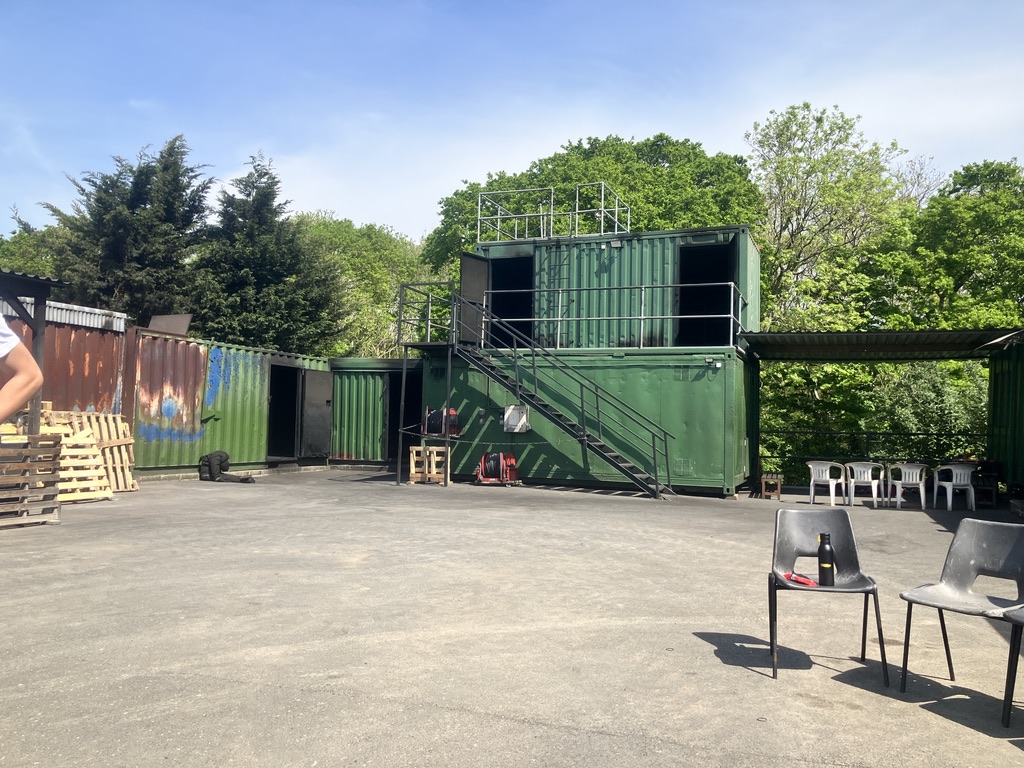
Then they issued us our gear.
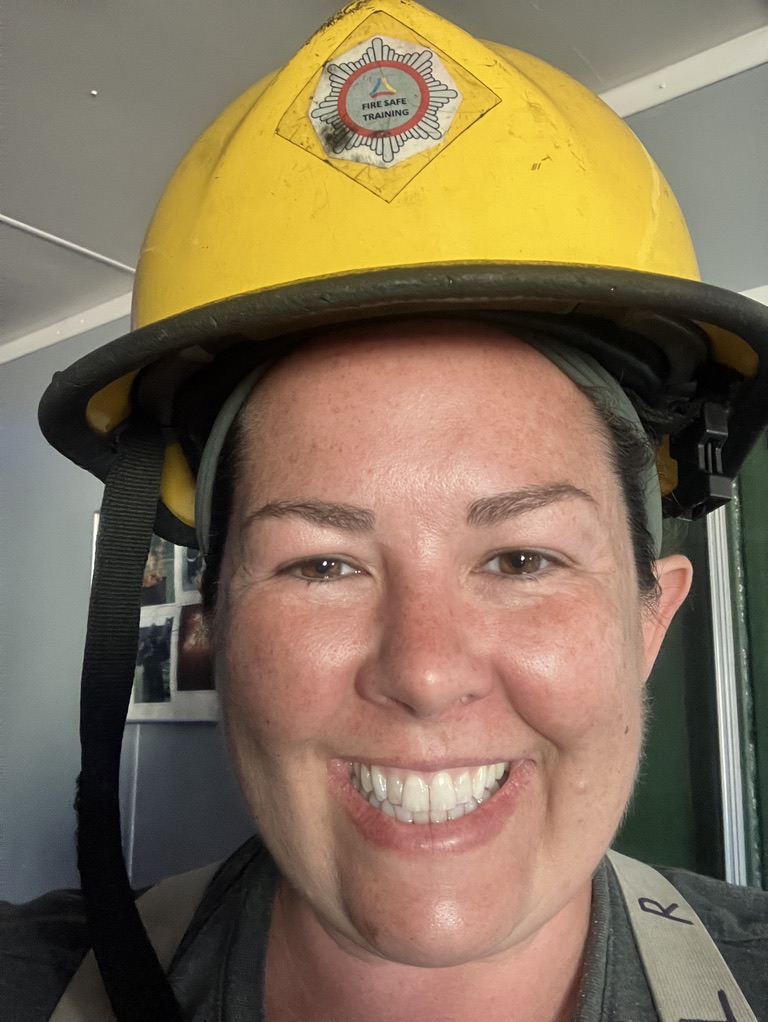
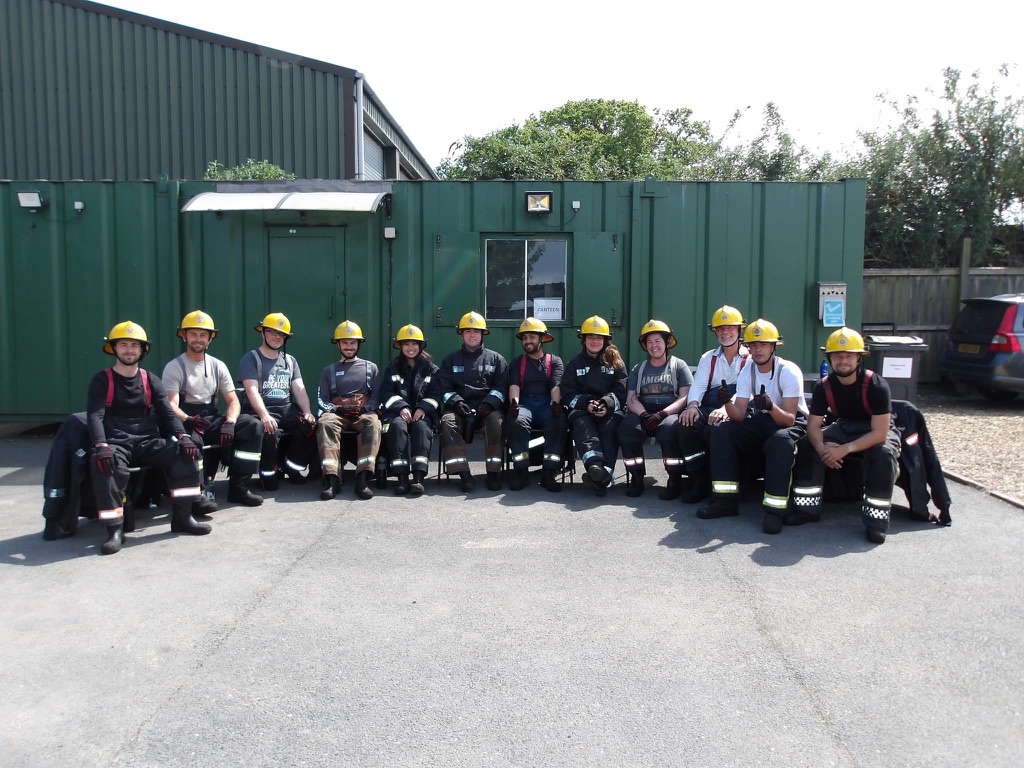
In the afternoon we actually put out fires with the fire extinguishers we’d learned about in the morning. On the ship I’d had several trainings about what fire extinguishers to use on which fires, but this was the first time I actually had the chance to use them!
Once we had each put out all the different kinds of fires (solids, liquids, gas, metal, a small pot with an oil fire) with all of the different kinds of extinguishers (water, foam, powder, CO2, a fire blanket, a pan or a baking sheet) we practiced using the fire hose. Then we got into our teams of 4 (which we had been assigned) and practiced coiling the hose, pretending we couldn’t see and moving along walls, around corners and up and down stairs with the hose. At the end of the day we practiced finding and carrying out a casualty. Elle was on my team along with Toby who had done the course five years before, and … Louis.
Each one of us had paid about a grand of our own money to take this course and considered it an investment in our careers. Some of us (including me) had employment lined up, but most didn’t. If one showed up and paid attention, we could pass the course. The instructors were great about giving us a heads up about which questions would be included on the test, what things were important to know to stay alive and what information we didn’t need to remember but was useful for context. All of us not only chose to be here, we were paying to be here. Louis showed up late to class a couple of times and watched youtube videos to a point that the instructor could tell he wasn’t paying attention. Everyone in the class and all of the instructors knew that Louis’ head wasn’t in the game. Several people even called him out to his face, but the vocal jabs went over his head.
At one point the instructors told us that we should assess our team and put the brawn and the brains in strategic positions. In case we didn’t get it, they emphasized that women tended to be better communicators and men tended to be show-offs.
I was as grateful that Toby and Elle were on my team as I was concerned by having Louis on our team. Where could we put him so he would do the least damage?
That evening we all talked about how much we really didn’t want to do the final exercise the next day.
Day 5
The final morning we arrived at the fire safety training ground and donned our gear. We learned how to use the Breathing Apparatus (BA) – how to put it on, check it and take care of it.
Then we walked through the containers in our teams (with our instructors) wearing the breathing Apparatus’ and searched for an imaginary fire and dummy casualties – with no actual fire, no hose and no light (no one found the baby dummy hidden behind a door). It was difficult and stressful. If it was this challenging without a real fire and a hose to drag around, how much harder was it going to be this afternoon?
Luckily we had Marty as the instructor assigned to our team. He was patient and kind and supportively answered our questions. We were clearly freaked out about what was about to happen – we kept asking the same questions over and over.
After lunch Marty walked us through the space. He went over everything step by step- gauge checks, where we coiled the hose (this part stressed me out), when we needed to stick together, where we needed to make sure we were staying low. He shed light on all the rooms we had explored in the dark. He showed us where the fire would be. We walked through it bit by bit.
I was still terrified. And so grateful we were the first team – I didn’t know how much longer I could dread this exercise.
I knew I was more brains than brawn but I didn’t want to be the leader. I’m good at math when I have a paper and pencil and I’m in a calm environment, but I knew my brain couldn’t handle the gauge check math. We would be going in with 160-200 Liters of air. 50 Liters would be reserved as a 10 minute safety window to get us out. The goal was to be outside of the burning building before any of us got down to 50 L, so we’d do the math based on the person with the least amount of air. I knew that I could not easily figure out what the measurement was when it was time to turn around in the heat of the moment, so to speak.
Louis volunteered to lead in such a confident way that none of us who had only known him for a few days could argue with him, even though everyone except him knew this wouldn’t be the most strategic placement. I think I was third – I didn’t want to coil the hose (which was #2’s job).
The plan was that we would enter on the upper floor and do a right hand sweep (we would follow the right wall). We would go down the stairs one at a time, backwards, sweeping and checking each step. Number 2 would coil the hose. I would go down as Number 3 after the hose had been coiled. Once we were all down on the lower level, we would continue the right hand sweep until we came to the door that led to the room where the fire would be. We would get on the safe side of the door, kneel down, check to see if it was safe to open the door, open the door, go in the room where the fire was (it would be a lot hotter in there), we would each take turns fighting the fire, then we would back out of the room, go around the corner, assess the situation, and if we had enough air we would search for casualties (the other instructors would hide the casualties so Marty didn’t even know where they’d be), haul the hose back up the stairs, around the corner and out the door before our alarms started going off.
We donned our gear and took our before photos:
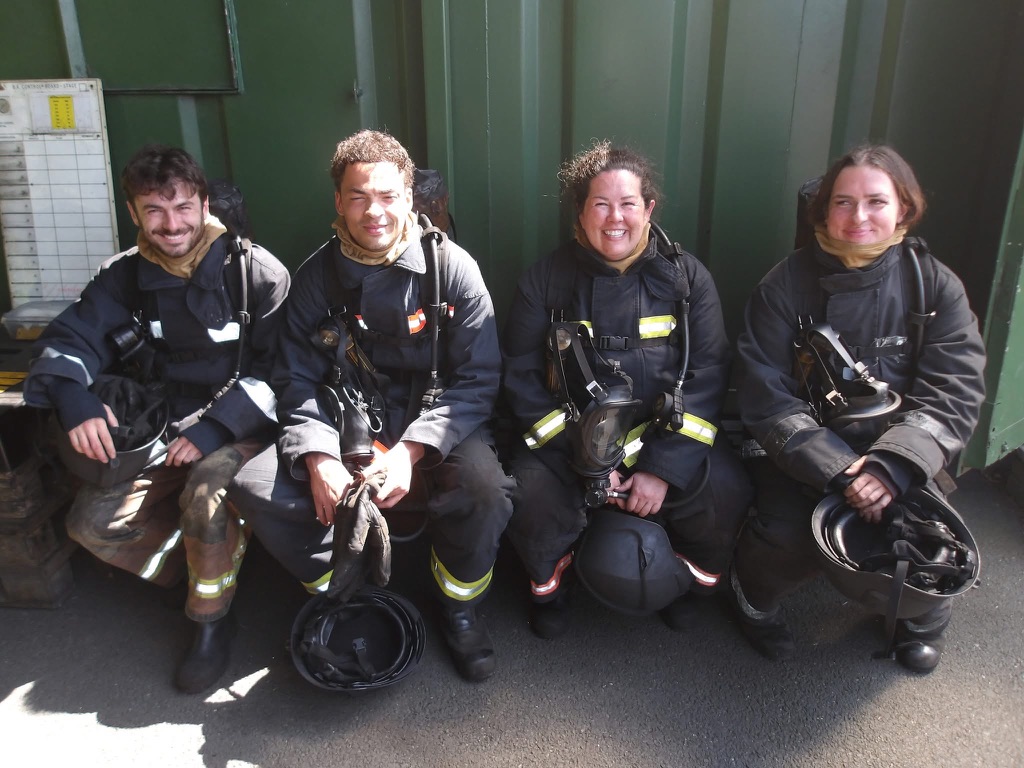
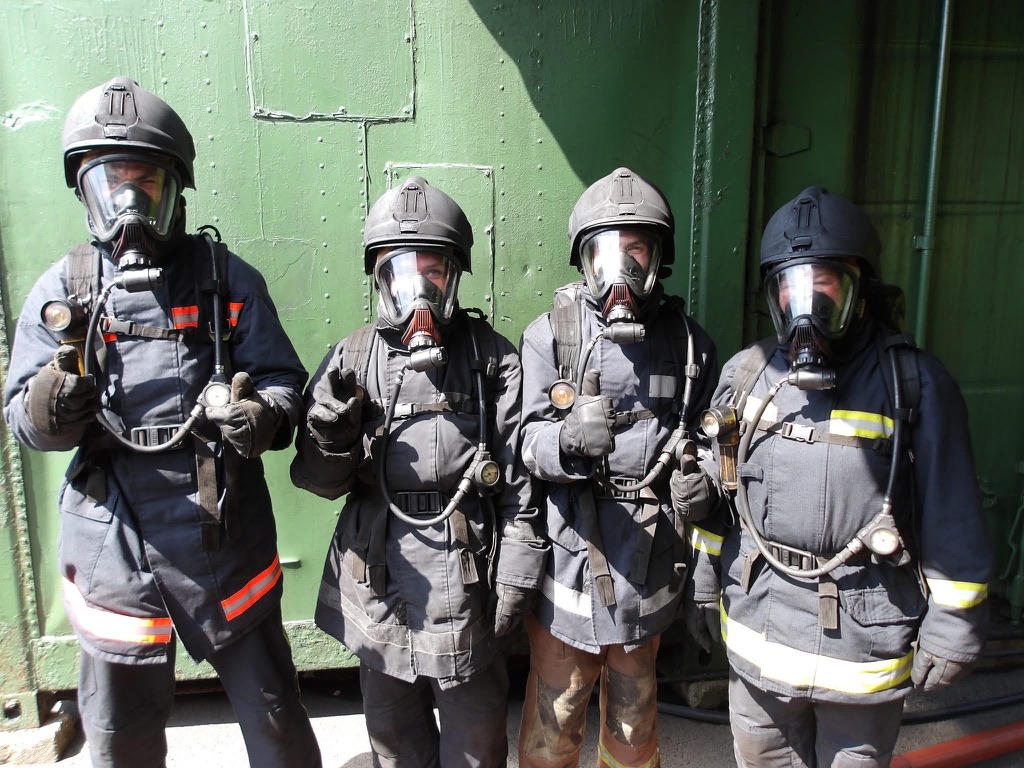
And then it was time to go. I knew it was going to be hot. I knew I wouldn’t be able to see. Marty was going to be with us the whole time. Before we went in he told us that he was going to ask if we were okay. He told us not to say we were hot. It was obviously going to be hot. They had been telling us for days that it was going to be hotter than the oven we cook our food in. When he asked if we were okay he wanted to know if we needed to get out or if we needed a break – were we dizzy? – that kind of thing. Got it.
We lined up outside and did a gauge check. We went in and made our way to the top of the stairs. We did another gauge check before changing levels. I couldn’t read my gauge. Marty told me to kneel down. Oh yeah – that’s what we’d practiced. I got low enough below the smoke and reported my number. I waited my turn and then swept the stairs as I made my way down to the lower level where the hose had been coiled. I couldn’t see anything. We felt our way around the furniture and I was surprised how disorienting it was. I knew the space pretty well by now – I’d been in it a few times and I could picture the layout, but I lost track of which wall we were on and we had a hard time finding the door. I was so glad I wasn’t in front. We opened the door and went into the room with the fire. Marty told us to get as low as we could. I crawled, following the hose trying to keep contact with Elle, in front of me. Marty asked if we could see the fire. None of us could. We laid on the floor but still couldn’t see it. I didn’t really care about seeing the fire. I knew it was there. They opened the vent on the ceiling and the door on the side until we could see it. Louis fought the fire and then went to the back of the line. Marty asked how he was doing. Louis said he was hot. Marty told him to step out and take a break. Elle fought the fire, I fought the fire. The day before, when we’d practiced “gassing” (spraying the ceiling quickly on then off if the flames were spreading up there) and fighting the fire (spraying water at the fire for about 2 seconds), the other instructor, Nige, said my 2 seconds were too long. I guess I over compensated, because now my sprays were too short. We had learned to spray the water in short bursts because the water creates steam which makes the room even hotter (another reason I was glad our team went first). Anyway, I actually ended up putting the fire out a little too much (they wanted to keep it going so everyone would have a chance to fight the fire), then went to the back of the line. Toby took his turn fighting the fire, then we got out of there and went around the corner. Marty asked how we were. I was a little dizzy. He asked if we wanted to step out. I did. I stepped out of the container and was gravely disappointed to find that it was not significantly cooler outside. One of the other instructors stood with me while I took deep breaths and tried to regain my composure. Toby and Elle coiled the hose.
They asked if I wanted to go back in. I absolutely did not. Louis was hanging out behind me. Without putting any pressure on me they said that if I didn’t go back in, the rest of the team wouldn’t be able to finish the exercise – they needed three people to go up the stairs.
Okay. I’ll go back in.
I went up the stairs. Marty yelled to open the door. I couldn’t find the door handle and then when I did it took me forever to figure out how to open it. I was dizzy. I was exhausted. But I was not a quitter. I tried pulling the hose up. Elle kept telling me to pull it away from the railing. That’s what I was trying to do. We tried to swap positions but couldn’t figure out how to trade places. My whistle on my breathing apparatus started going off. I was right by the open door so I wasn’t in danger but the job wasn’t done yet. Marty helped us haul up the hose. We got out. We finished.
We were back at the top of the stairs outside of the containers. They told us to go down the stairs but I didn’t trust my legs. I told everyone else to go down first. I wasn’t ready when I was the only one left, but I was hot and dizzy. As I went down backwards, I was surprised with every step that my legs didn’t collapse under me.
The other teams helped us take off our gear, and we went over to the debrief area and stuck our wrists in buckets of water.
Marty had us review what happened like we would need to do in a real fire. What did we do? Where did we go? Which rooms were clear? Where were we sure there were no casualties and where would another team need to go back to sweep if this had been a real emergency?
We passed the class. Louis was very impressed with “us girls” who actually completed the exercise.
Marty asked if it was fun. No- I can’t say that it was. There was not one bit of me that wanted to do that again. Yet, after we finished the debrief and my body had cooled down, I was overcome with a feeling of euphoria.
I was so glad it was over! I had been dreading the exercise increasingly as we approached it. It was hot inside, but it wasn’t as bad as I thought it would be. I did not like loosing access to my senses. I did not like slowly getting dizzy and foggy-brained and weak. Actually, the hardest part of the exercise was assessing whether or not I was okay to keep going. Marty said that that was the most important lesson – if one of the fire team becomes a casualty, it increases the problem and decreases the solution. Our number one priority is to take care of ourselves and get ourselves out before we become a liability.
I looked over at the team who hadn’t gone in yet and I was elated to no longer be terrified about what was to come.
After we had recovered we helped the other teams get ready to go in and helped them out of their equipment when they emerged from the firey playground, cleaned the equipment and put it away. We chatted with the instructors. Marty talked to me about his son who was trying to be a film writer. He talked to Elle about her work in Mental Health and about how he could get into counseling. Then one of the guys talked about his job serving rum on ships and Marty decided he’d rather do that after his body was tired of crouching on the ground and fighting fires.
At the end of the day, we did a final debrief – what did we learn from all of this? We learned the usual lessons like the importance of teamwork and communication when you can’t really see and can barely hear, but the most important lesson was assessing how we could contribute the most without becoming a liability.
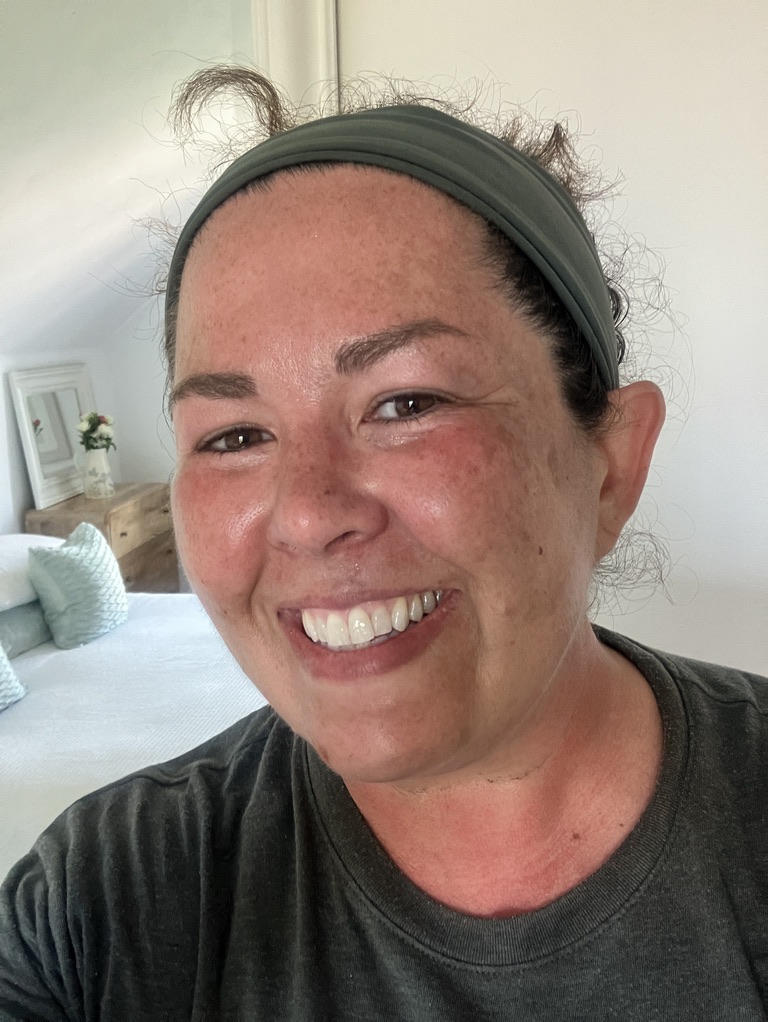
I left this review on Facebook:
‘Thank you, Marty and Nige, for an excellent training.
You guided us step by step in such a clear and methodical way that each challenge felt manageable and attainable. Although I had been dreading the final scenario from the start, I felt completely safe—even when my body was telling me I was in a very dangerous situation.
A special thank-you to Marty for being such a patient, intuitive, and supportive instructor. You gently led us through a world that many of us were clearly unfamiliar with, quietly boosting our confidence and ensuring every question was answered—even when we asked the same ones over and over.
While I would absolutely prefer never to find myself in a box filled with smoke and flames again, I now feel significantly safer and more prepared should that ever happen. Often, our greatest fears come from the unknown. Through practice and experience, you’ve helped replace some of that fear with—if not full courage—at least more confidence than I had two days ago.’
Thank goodness this certificate is valid for five years.