My views do not necessarily reflect the views of my employer.
December 13-15, 2025
I woke up in Apia with a morning off and a craving for a good coffee. After finding a cafe with excellent reviews, I headed out.
Nourish Cafe was everything I wanted it to be.
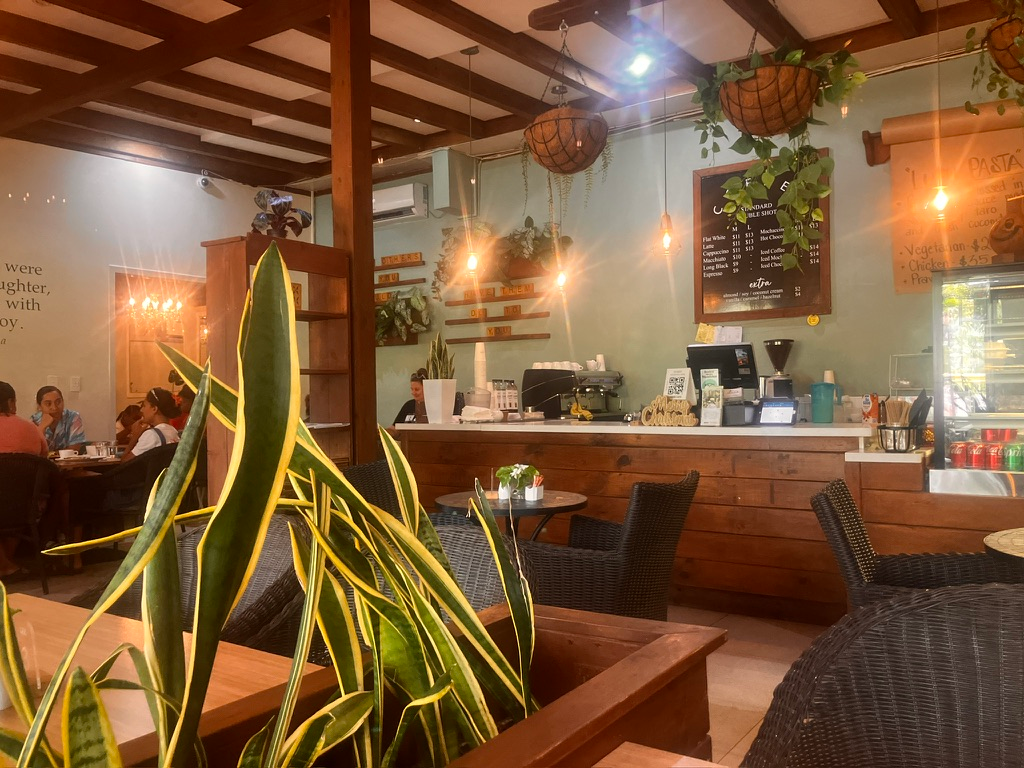
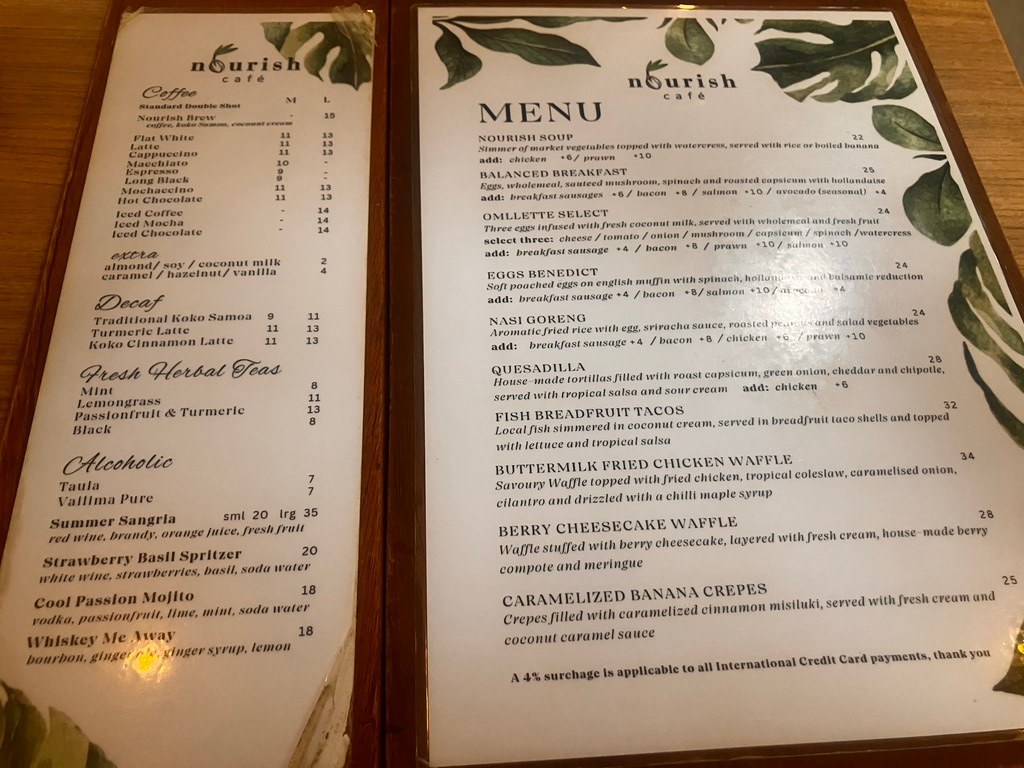
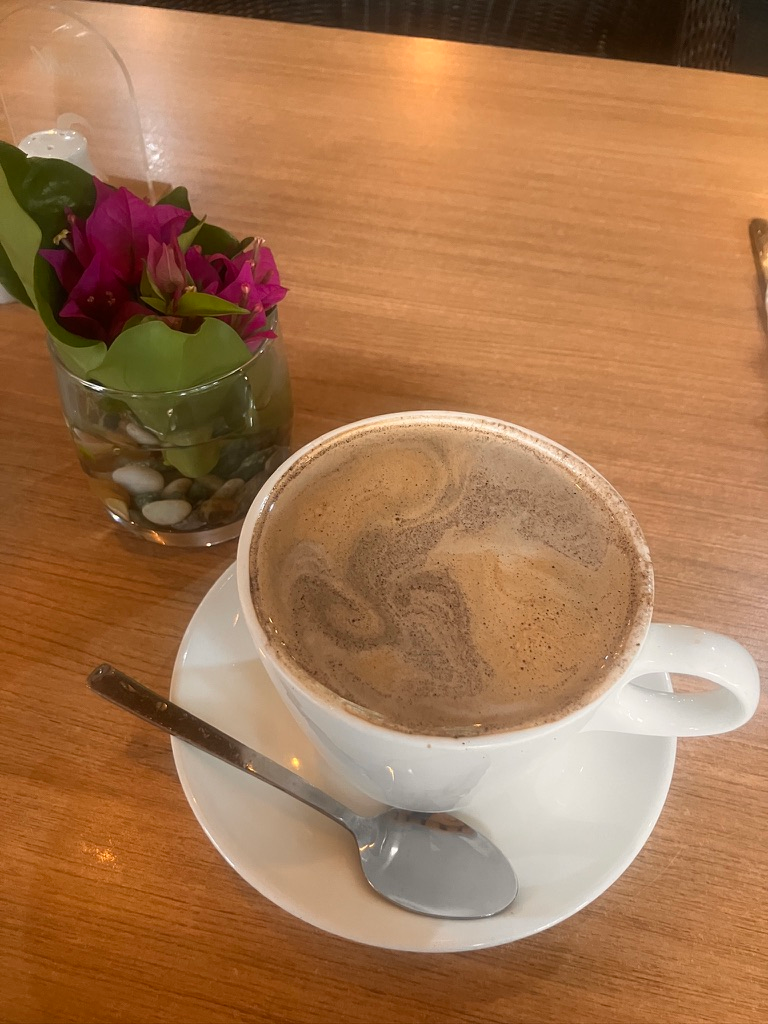
I have to admit, I liked the idea of the Nourish brew more than I liked the taste – but I would have had some serious FOMO if I hadn’t tried it.
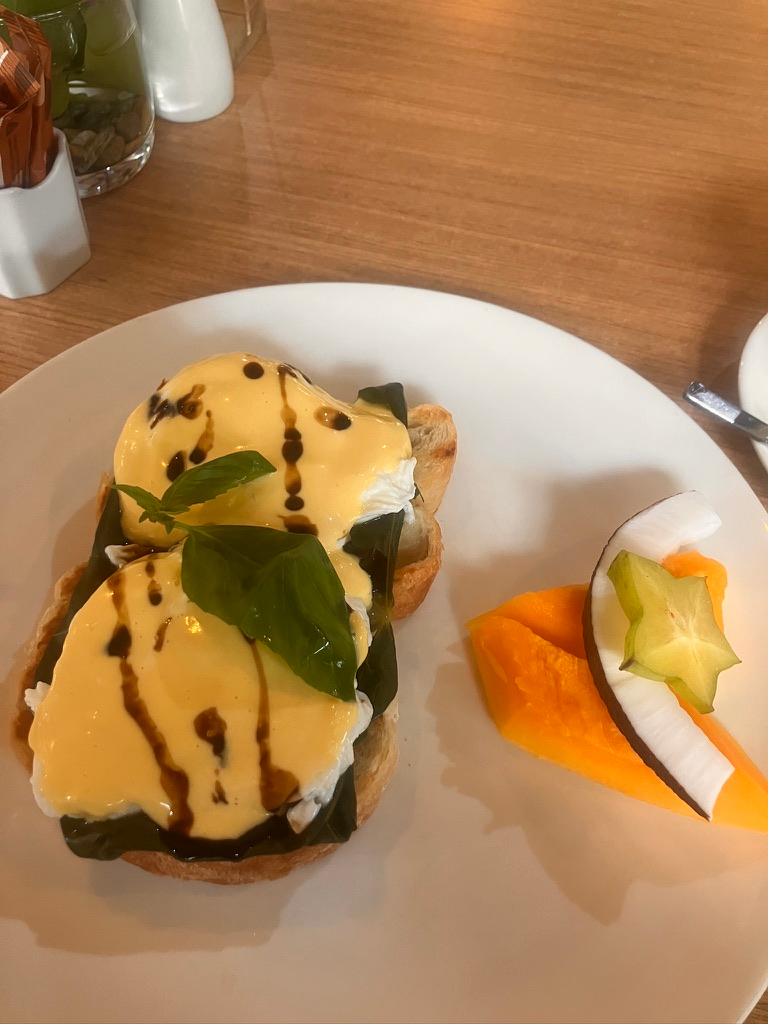
Our second day in Apia, we had a drill and it rained all day, so I stayed on board and worked. On the third day, I made a beeline back to Nourish for a proper latte and something else from the menu.
This time it was hot and sunny, and I was looking forward to the cafe’s air conditioning.
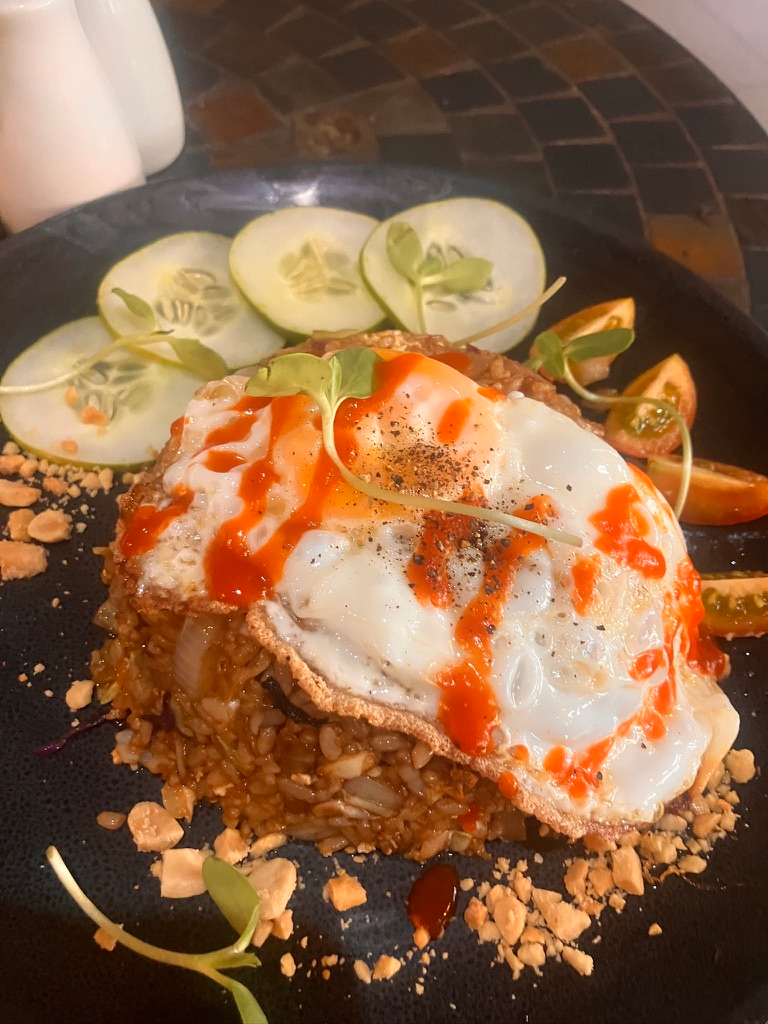
The second round was every bit as delicious as the first.
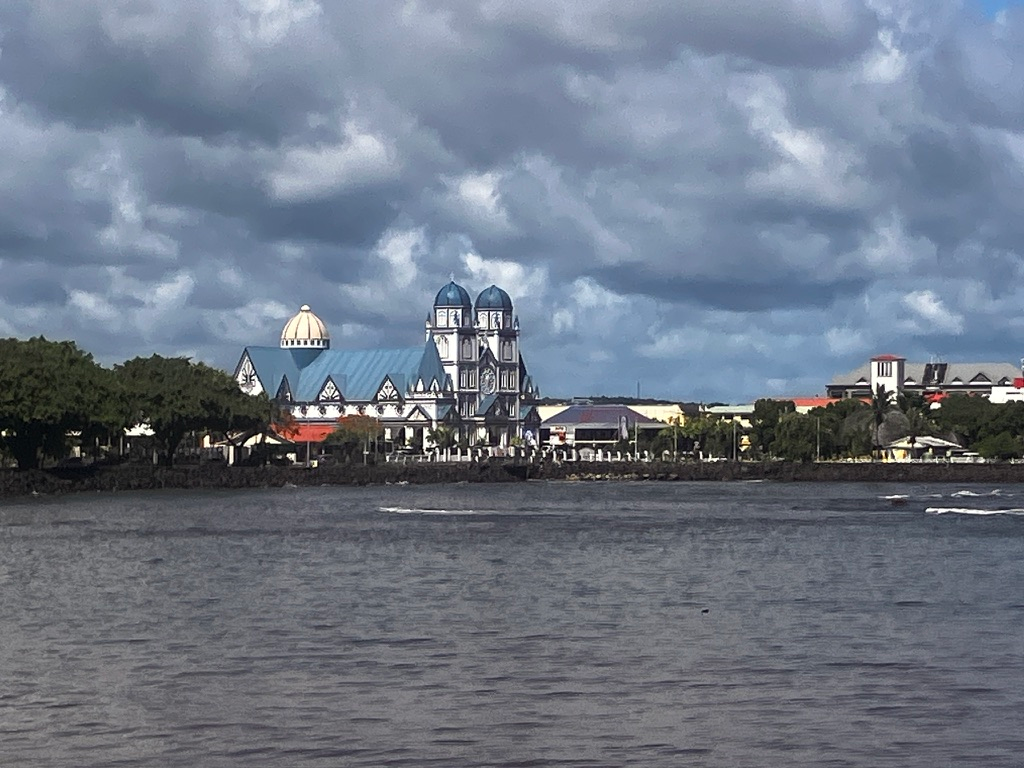
Nourish was right behind the Cathedral. As I slipped through the back gate, I could hear the choir singing inside. By the time I got my phone out to record the moment, they had already finished.
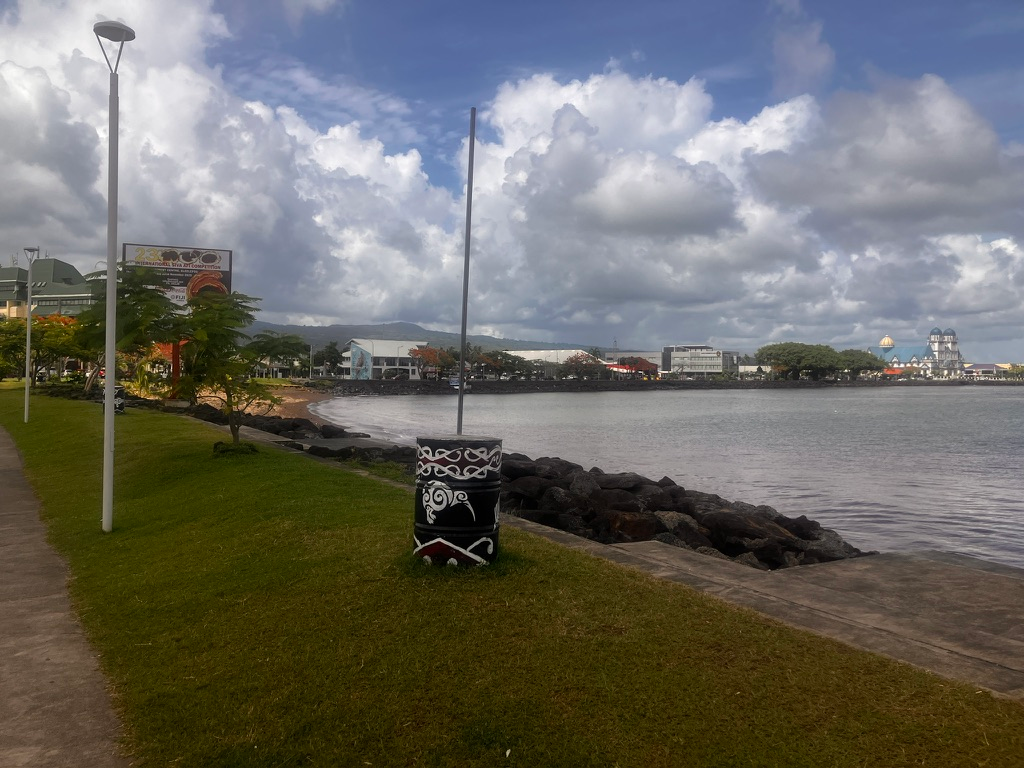
I’d been talking to a resident with mobility challenges who was eagerly looking forward to their scooter to arrive so they could go out and explore.
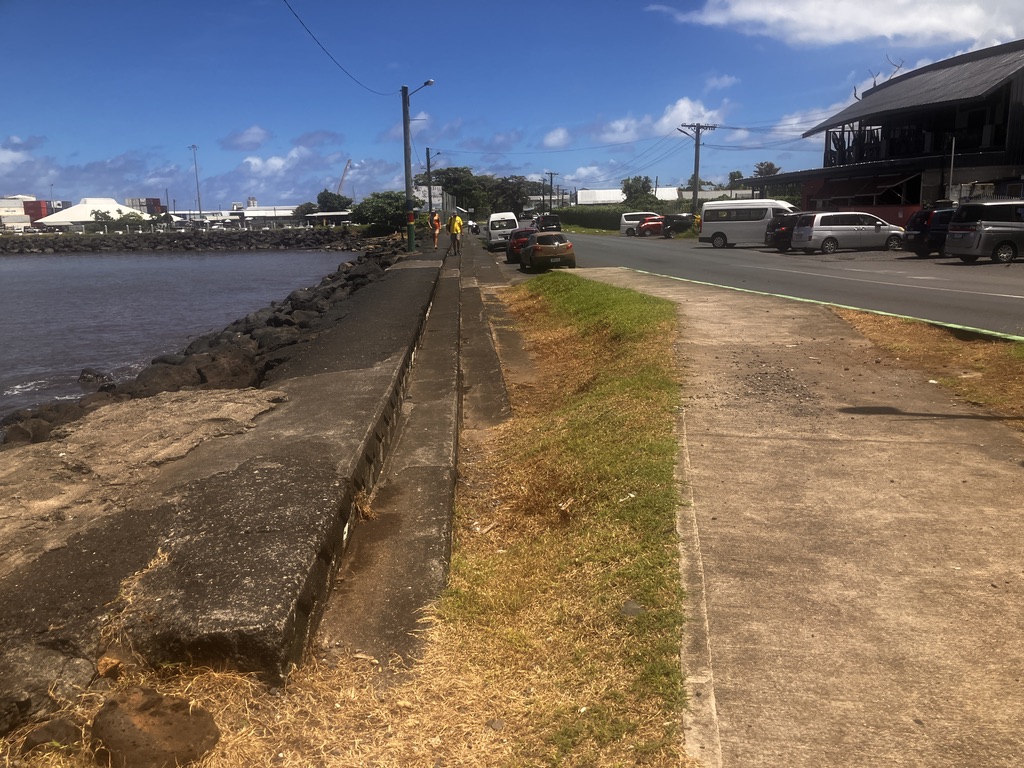
I took this photo so I could better describe the terrain to them in the future.
That night we crossed the International Date Line, so the next day was also my aunt Wendy’s birthday.
Apia, Samoa
Apia is the relaxed, low-rise capital of Samoa, spread along a sheltered harbour on the north coast of Upolu. The wider country has around 220,000 people, with about 36–39,000 in Apia’s urban area. This is the heart of Samoan government, business, and church life, but it still feels like a string of villages rather than a big city: fale-style meeting houses, roadside produce stalls, and waterfront parks all sit beside small malls and offices. There are no UNESCO World Heritage Sites yet, but several cultural and natural landscapes are on Samoa’s tentative list. In Apia you’ll see everyday fa’a Samoa (the Samoan way of life): extended families, strong village and church structures, and a culture where hospitality, respect, and a good rugby match all matter deeply.
History:
Apia began as a small coastal village where chiefs controlled fertile land inland and rich fishing grounds offshore. In the 1800s, foreign powers took an interest in Samoa’s strategic harbour. By the 1850s Apia had grown into a trading port, and by the late 19th century Germany, Britain, and the United States were all vying for influence. A dramatic 1889 typhoon wrecked several foreign warships in Apia Harbour, symbolising the costs of imperial rivalries.
In 1899 the colonial powers carved up the Samoan islands: Germany controlled what is now independent Samoa (then “German Samoa”), while the U.S. took what is now American Samoa. During World War I New Zealand occupied German Samoa, later administering it under a League of Nations mandate. A devastating influenza epidemic in 1918 killed a large share of the population and fuelled resistance movements, including the Mau independence movement, which was particularly active around Apia. Samoa finally regained independence in 1962, the first Polynesian nation to do so in modern times.
Today Apia is a mix of traditional and modern – parliament and ministries sit alongside churches and markets, and many residents have strong ties to Samoan communities overseas in New Zealand, Australia, and the U.S., whose remittances help support families and local businesses.
Itinerary:
Arrival: Saturday December 13, 7:00am (please allow time for port clearance)
Departure: Monday December 15, All aboard: 5:00pm Sail away: 6:00pm
Weather: Average Temps: High: ~31 °C / 88 °F Low: ~24–25 °C / 75–77 °F
Climate: Hot, humid, and very tropical – this is wet season, with frequent showers and the chance of heavy downpours or thunderstorms. UV index is very high; even cloudy days can burn quickly.
What to Wear: Light, breathable fabrics (cotton/linen), moisture-wicking shirts, shorts or light trousers. A light rain jacket or packable poncho; quick-dry clothing and footwear that can handle puddles. Reef-safe sunscreen, hat, and sunglasses are essential. For churches and village visits: clothing that covers shoulders and knees; bring a light scarf or sulu/sarong.
Language:
- Official: Samoan (Gagana Samoa) and English.
- English is widely spoken in Apia, especially in tourism and shops, but you’ll hear Samoan everywhere.
Helpful Phrases 🗣️
- Hello: Talofa
- Thank you: Fa’afetai (fah-ah-feh-tie)
- Excuse me / Sorry: Tulou (excuse me, passing) / Fa’amolemole (please/sorry, depending on tone)
- How much?: E fia le tau?
- Bathroom / Toilet: Ta’ele / faleuila (you can also say “toilet” and be understood)
- Taxi destination: State place clearly: “Taxi, please to Fugalei Market / Robert Louis Stevenson Museum / Taumeasina Island Resort,” etc.
Currency:
- Currency: Samoan Tala (WST, sometimes written WS$).
- Recent mid-market rate is roughly WS$1 ≈ US$0.35 (so WS$10 ≈ US$3.50, WS$20 ≈ US$7 – use onboard rate for billing).
Cash vs Card
- Cards (Visa/Mastercard) are widely accepted at hotels, many restaurants, bigger stores and tour operators.
- Cash is useful/needed for markets, small shops, buses, local snacks, and church collections.
- ATMs for ANZ, BSP and other banks are clustered around downtown Apia and near main shopping areas.
Tipping etiquette
- Tipping is not a strong local custom, but tourism workers are familiar with it.
- A small tip (5–10%) is appreciated for excellent service in restaurants, private tours or transfers.
- For group tours, something like WS$5–10 per person pooled for the guide/driver is a nice gesture.
- In villages or cultural settings, a respectful attitude matters more than tipping; if in doubt, ask your guide.
Near the Pier:
Cruise Ship Dock: Apia Harbour / Matautu Wharf (east side of town). (Apia Cruise Terminal on Google Maps)
From the pier to central Apia (Clock Tower/Town Centre): ~1.5–2 km; about 20–25 minutes’ walk along the waterfront, or 5–10 minutes by taxi.
Nearby Essentials
Pharmacy (closest cluster): Around Savalalo/SNPF Plaza area (about 5–10 minutes by taxi, 20–25 minutes on foot). Options include Niu Pharmacy, Apia Pharmacy, Alpha Café & Chemist, Maria’s Healthcare Pharmacy.
ATM / Bank: ANZ Apia Main Branch, Beach Road – central, near the waterfront; ATMs also at SNPF Plaza and other locations.
Grocery/Snacks: Lucky Foodtown and Frankie Savalalo (near Savalalo Market) – good for drinks, snacks, basic groceries.
Nearest Church (many options): Multiple large churches within a few minutes’ drive – including Immaculate Conception Cathedral and Methodist and Congregational churches along Beach Road and in central Apia.
Nearest Golf: Royal Samoa Country Club (Fagali’i) – about 10–15 minutes’ drive inland from central Apia; 9-hole course. (Best arranged by taxi or tour; check opening hours.)
Nearest Shopping Mall/Market: Savalalo Flea Market (souvenirs/handicrafts) and Fugalei Produce Market (fruit/veg and local life) are the key central markets.
Getting Around:
🚶 Walking The waterfront walk from Matautu Wharf into town is flat but hot and exposed; think 20–25 minutes to the Clock Tower area. Pavements are patchy; watch for uneven surfaces and traffic when crossing.
🚌 Public Transit (buses) Colourful open-sided local buses run from central Apia (near the markets) to villages around Upolu. Fares are low (coins only), but routes and timetables are informal and can be confusing for a short visit. They’re more of a local experience than a practical sightseeing tool.
🚖 Taxis Readily available near the dock, markets, and main streets. Most are not metered – agree the fare before departure.
- Expect rough ballpark ranges (from central Apia):
- Dock ↔ Town centre: ~WS$5–10.
- Town ↔ Robert Louis Stevenson Museum: ~WS$15–25 each way, depending on negotiation and passengers.
🚴 Bike Rentals Limited; roads are narrow with varying surfaces and fast traffic. Cycling is better with organised tours or in quieter coastal areas – not ideal for nervous riders.
🚗 Car Rentals A few agencies operate in Apia and at Faleolo Airport; you must drive on the left and may need a temporary local licence endorsement.
Hop-On Hop-Off? No classic hop-on hop-off bus system; sightseeing is by taxi, private driver/guide, organised tours, or self-drive.
Witnessing:
Robert Louis Stevenson Museum (Vailima) Former home of the author of Treasure Island and Dr Jekyll and Mr Hyde, set in lush gardens in the hills above Apia. Restored rooms show his life in Samoa and the close relationship with local communities.
- Practical: 10–15 minutes’ drive inland from town; taxi from dock ~WS$20–30 each way (agree beforehand). Guided tours usually run throughout the day; expect 1–1.5 hours on site plus travel. Modest admission fee in tala (cash/card; check current rate).
✨ Tip: There’s a steep trail from the house up to Stevenson’s grave on Mt Vaea – a sweaty hike but with rewarding views (only for fit, heat-acclimatised guests).
Mulinu’u Peninsula & Parliament Area At the western end of Apia you’ll find the Parliament House, historic observatory, and ceremonial grounds, with sea views and a sense of Samoa’s political life.
- Practical: ~10 minutes’ drive from the dock along Beach Road. Combine with a short city tour or market visit.
✨ Tip: Photography of government buildings is usually fine from public areas, but avoid pointing cameras directly into security posts; if unsure, ask.
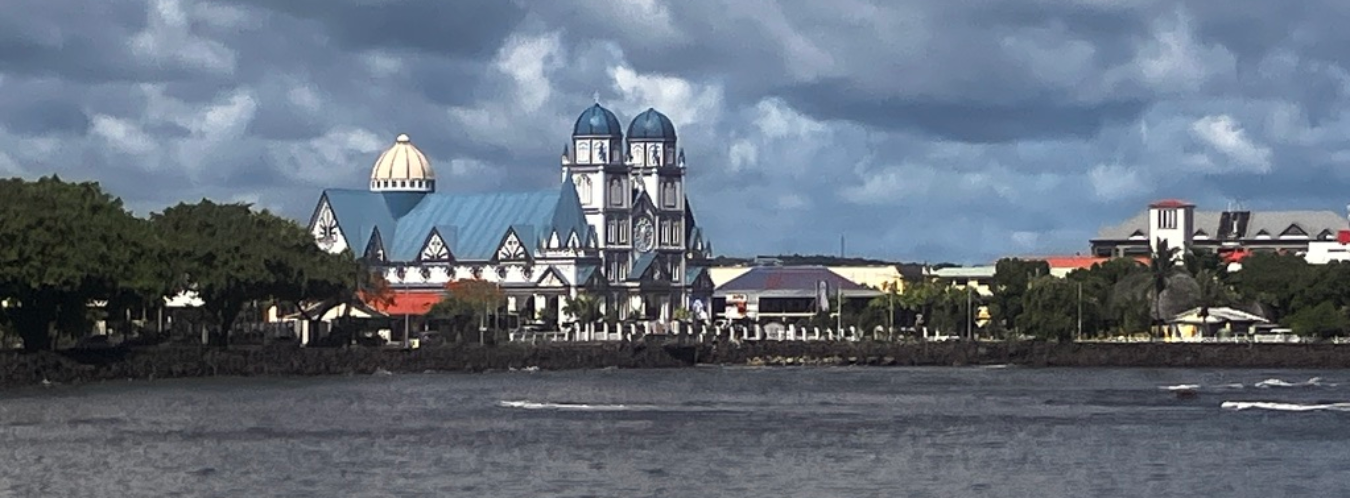
Immaculate Conception Cathedral & Waterfront The rebuilt Catholic cathedral dominates the central waterfront, with striking stained glass and intricate woodwork. It’s an excellent place to sense how Christianity and Samoan culture intertwine.
- Practical: Short taxi ride or 20–25 minute waterfront walk from the dock. Dress modestly; avoid flash during services.
✨Tip: If your schedule allows, hearing a Samoan choir in full voice during a service is an unforgettable experience.
Learning:
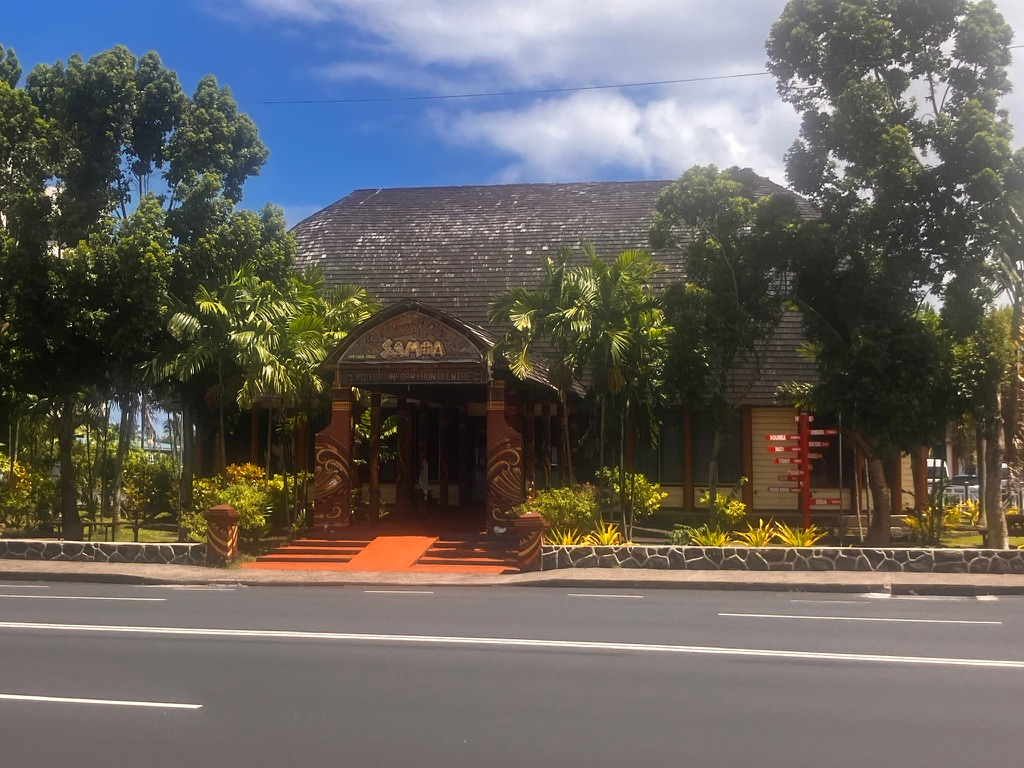
Samoa Cultural Village (behind the Visitor Centre) A cultural complex in central Apia where scheduled demonstrations can include traditional tattooing (tatau), weaving, wood carving, umu (earth oven) cooking, and dance.
- Practical: Short taxi ride or ~25-minute walk from the dock. It might be open on Monday December 15.
✨ Tip: This is one of the best places to see cultural demonstrations in a controlled, visitor-friendly environment without venturing far from the ship.
Museum of Samoa Small but informative museum in Apia with exhibits on Samoan history, archaeology, and natural history – good for context before exploring the islands.
- Practical: Central Apia; an easy taxi drop-off. Admission typically free or low-cost; opening hours can be limited and may change, so confirm at the Visitor Centre. According to one local guide, the museum is open Monday, 9:30 a.m. to 4:00 p.m.
✨ Tip: Pair the museum with nearby markets and the cathedral for a compact “town loop” outing.
Churches & Sunday Services On Sunday mornings, Apia’s many churches fill with families in white or colourful attire, and the singing alone is worth experiencing.
- Practical: Ask a local guide which congregation and time best fits your schedule. Modest clothing is essential (shoulders/knees covered; no beachwear).
✨ Tip: Consider this more as a respectful cultural observation than a “tour” – arrive quietly, sit where directed, and follow the congregation’s lead.
Free Walking Tour?
- There is no regular, guide-led, “tip-based” free walking tour like those in some European cities.
- You can follow self-guided walking routes (for example via GPSmyCity or apps/websites with mapped itineraries) and supplement these with brief local taxis or a hired driver/guide for a few hours.
Discovery:
Apia & Waterfront Markets Explore the Fugalei Produce Market (fruit, veg, taro, koko Samoa) and Savalalo Flea Market(handicrafts, clothing, souvenirs).
- Practical: 5–10 minutes by taxi from the dock. Best earlier in the day before the heat peaks.
✨ Tip: Markets are great for low-cost snacks and small gifts; keep a hand on bags and agree prices clearly.
Palolo Deep Marine Reserve (Snorkelling close to town) A small marine reserve east of central Apia, accessed from shore; when conditions are good it offers coral and fish just a short swim from the jetty.
- Practical: Short taxi ride from the dock; there’s a small entrance fee. Bring your own snorkel gear if possible; currents and conditions vary with tides and weather.
✨ Tip: Aim for mid-tide and avoid days with heavy swell; always swim with a buddy.
Hotel/Resort Day Passes Some Apia-area resorts occasionally offer day use of pools, beach access, and restaurants for a fee or with a minimum spend.
✨ Tip: A day pass can be an easy way guests to enjoy Samoan hospitality without long drives.
Hiking
Mt Vaea (to Stevenson’s Tomb) (Half-day)A steep, humid hike through forest above the Robert Louis Stevenson Museum to the writer’s tomb and panoramic views over Apia.
- Access: Taxi to the Museum; trail starts behind the house.
- Difficulty: Moderate–strenuous (steep, hot, slippery after rain).
- Tip: Start early, bring plenty of water and good shoes; not suitable for those with balance/mobility issues.
Local Waterfall Walks (Day-trip) There are several waterfalls accessible on day-trips from Apia (e.g., Papase’ea Sliding Rocks, Togitogiga Waterfall).
- Generally require a vehicle, small entrance fee, and can involve uneven paths and slippery rocks.
- Best organized via local tour or private driver rather than self-navigation for a short port call.
Bike Rides / Paths – 🚴♀️ Use Caution
Apia has some flat coastal roads and scenic stretches, but overall conditions are challenging for cycling:
- Narrow roads with no dedicated bike lanes
- Inconsistent pavement, potholes, broken shoulders
- Heavy local traffic around the market and town center
- Drivers are not always used to sharing the road with cyclists
Better Cycling Areas:
- Coastal roads toward Vailima & Papaseea Sliding Rocks
- Early morning rides before traffic increases
Avoid:
- Downtown Apia during busy hours
- Mountain/inland roads (steep, poor visibility)
- Night riding due to low lighting and roaming dogs
🚴 Suitable only for experienced cyclists comfortable in unpredictable conditions.
Shopping
Savalalo Flea Market Handicrafts (carvings, woven mats, jewellery, T-shirts, sulus). Great for souvenirs in one place.
- Access: Short taxi ride from the dock.
- Tip: Bring small notes and change; bargaining is friendly but low-key.
Taufusi / Central Malls & Stores A cluster of small malls and shops (e.g., SSAB Megastore, Chan Mow, Lucky Foodtown) selling everything from electronics and housewares to snacks.
- Tip: Good for practical items (toiletries, powerboards, bits you forgot to pack) rather than high-end souvenirs.
Exploring:
Upolu South Coast & Beaches White-sand beaches and lagoon waters on the south and southeast coasts of Upolu; some areas have traditional beach fales where you can day-visit or rent simple shelter.
- Feasibility: 60–90 minutes’ drive one way from Apia depending on exact beach. Best as a full-day tour with driver; factor in Samoan “island time” and road conditions.
Inland Waterfalls & Rainforest Waterfalls and swimming holes (e.g., Papase’ea Sliding Rocks) in the hills above and beyond Apia.
- Feasibility: 20–60 minutes’ drive from Apia; can be combined with a loop tour of the island’s interior or south coast.
- Note: Steep, slippery slopes and steps – not suitable for everyone.
Hidden Gems:
To Sua Ocean Trench – The world is full of swimming holes, but few compare to Samoa’s idyllic To Sua ocean trench.
Baha’I House of Worship of Samoa – The “Mother Temple of the Pacific Islands” stands at the center of 20 acres of lush, tropical prayer gardens
Tasting:
Iconic Flavours (country-level, but you can sample variants in or near Apia):
- Oka i’a: Fresh raw fish marinated in coconut cream, lime, and vegetables.
- Palusami: Taro leaves cooked in coconut cream, often with onions and sometimes corned beef.
- Taro and breadfruit: Starchy staples, often baked or boiled, served alongside meats or curries.
- Umū feast: Traditional earth-oven cooking – sometimes showcased at cultural nights or village visits.
Drinks
- Local beer: Brands like Vailima and Taula are commonly available.
- Koko Samoa: Thick, rustic local cocoa drink, sometimes sweetened and served hot.
Local bakeries & snack stops: Small bakeries, roadside stalls, and “Chinese shops” sell pastries, buns, and cold drinks – fun, low-cost ways to sample everyday Samoa.
Nightlife:
- Apia’s nightlife is modest but can be lively on Saturdays, with bars and clubs around central Apia.
- Expect a mix of hotel bars with live bands, local pubs with sports on TV and karaoke, and a few later-night dance spots.
- Sundays are generally very quiet, with nightlife dialed back significantly due to the importance of church and family time.
Travel Tips:
Personal Safety Samoa is generally safe and friendly, especially in villages and resorts, but it’s still a capital city:
- Avoid walking alone late at night in unlit or quiet areas.
- Keep a hand on your bag in markets and busy streets.
- Around bars/clubs, watch your drinks and stay with a buddy or small group.
Health – Malaria & Mosquito-borne Illness
- Malaria: Samoa is not considered a malaria area – standard sources list no endemic malaria transmission.
- Dengue, chikungunya, Zika: These have occurred in recent years. Use repellent, cover up at dawn/dusk, and consider coils/plug-ins if you’re very bite-prone.
Water Safety – “Is the water safe to drink?”
- In Apia and major resort areas, tap water is treated; many locals drink it, but visitors sometimes prefer bottled water due to taste and to minimize stomach upsets.
- Outside main centres and in villages, stick to bottled or boiled water and be cautious with ice if you’re unsure of the source.
Public Toilets
- You’ll find facilities in malls, larger supermarkets, some parks, and restaurants/hotels. Quality varies.
- In smaller villages and at some natural sites, toilets may be basic or absent – ask guides about bathroom stops before leaving town.
LGBTQ+ Travellers
- Same-sex activity is legal, and Samoa has anti-discrimination protections, but society remains socially conservative and heavily church-influenced.
- In Apia hotels and tourist venues, same-sex couples are generally accepted; public displays of affection (for any couple) tend to be low-key. In rural or village contexts, it can be more comfortable to present as “friends” and keep affection discreet.
Helpful Free Travel Apps
- Samoa Travel App – official Samoa Tourism app with listings and some events; best downloaded over good Wi-Fi before arrival.
- Samoa Travel Tracer – government contact-tracing app; currently focused on health monitoring but may still be maintained.
*This information is provided for the convenience of our residents and guests. While every effort has been made to ensure accuracy at the time of preparation—including tour details, operating hours, transportation options, pricing, and local regulations—conditions in port may change without notice. Weather, sea state, cultural events, business availability, and safety considerations can affect access to local attractions or services.
Residents are encouraged to use their own judgment, follow local guidance, and confirm details independently when planning activities ashore. Villa Vie Odyssey, its crew, and its representatives are not responsible for changes, closures, or incidents that may occur while guests are ashore.
For your safety, always return to the ship by the designated all-aboard time, and follow instructions from local authorities and shipboard staff at all times.