My views do not necessarily reflect the views of my employer.
December 15-17, 2025
Lauren had been on the ship for far too many days in a row, so as soon as we received clearance, we headed ashore in search of coffee. Afterall, we were in America!
I’d taken a quick browse on Google Maps beforehand, and hadn’t found anything promising, though I was still hopeful.
We left the port and turned right. There were government buildings, a restaurant with drip coffee and lunch food, and a shop selling flowery island ware. By that point, I had already sweat through my clothes. We gave up and went back to the ship.
Alisa had switched to the night shift, so when she woke up, we ventured out – and this time turned left. Across the street, we found a Chinese restaurant.
The portions in the pictures of the food on the menu looked small, but when the food arrived, it was served family-style. We had ordered way too much!
Since we couldn’t bring food back onto the ship, we boxed up our leftovers and asked if we could leave them with the restaurant and come back later.
I think they lady behind the counter was as surpised about this idea as I was.
We went back to the ship for a nap, and then returned to the restaurant to eat our leftovers for dinner.
It was still there!
Pago Pago, American Samoa
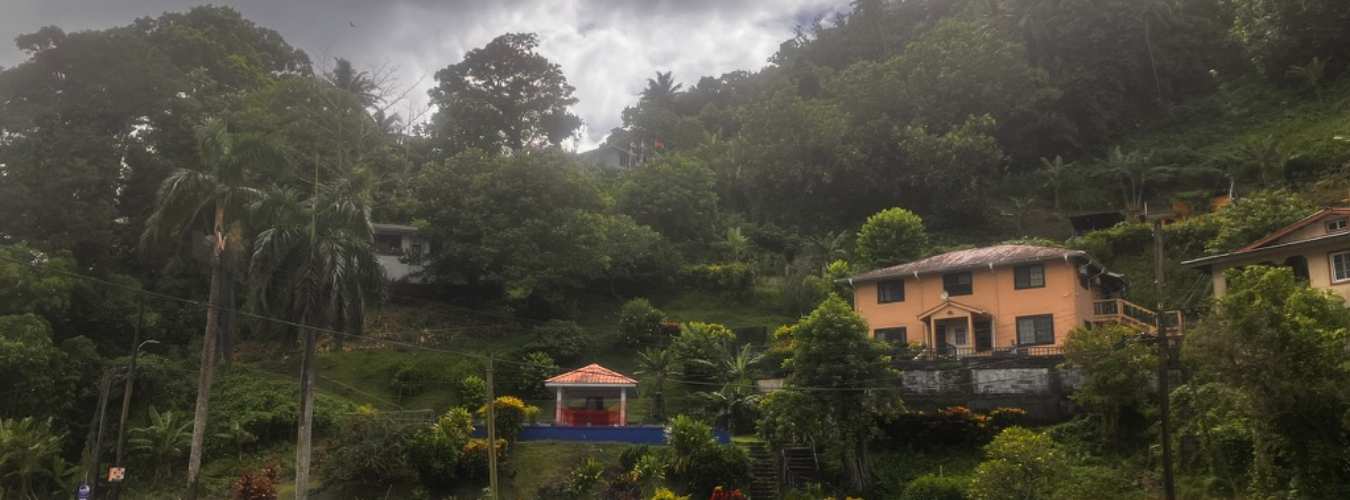
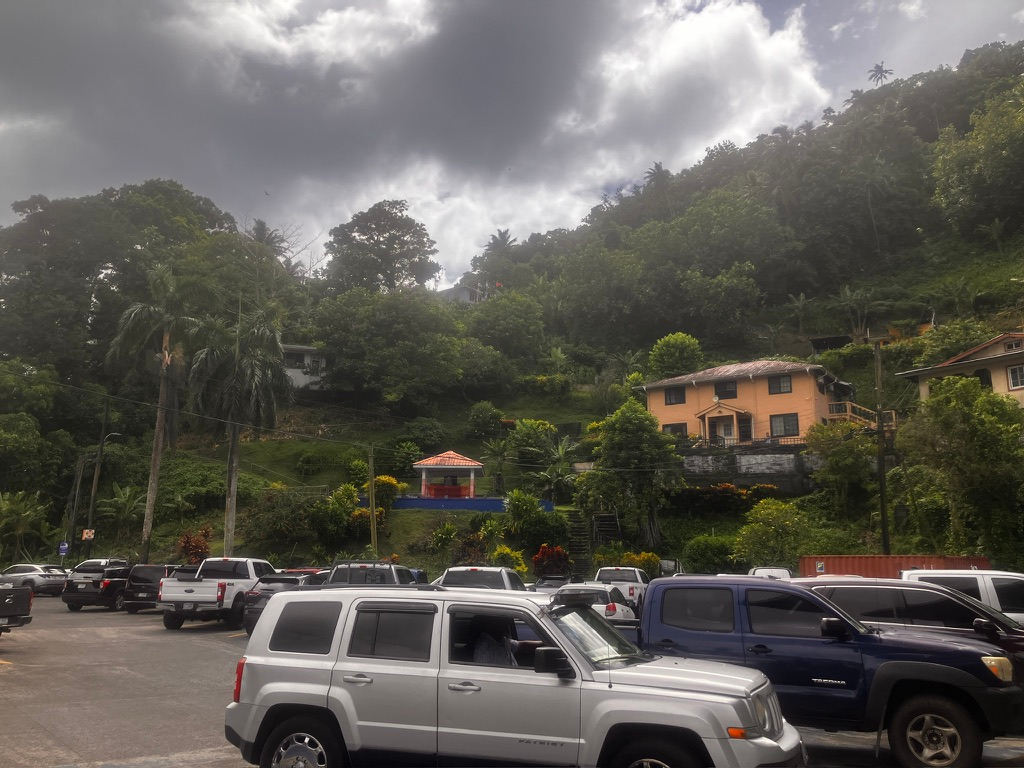
Tucked into one of the most naturally dramatic harbors in the South Pacific, Pago Pago sits on the island of Tutuila in American Samoa, a U.S. territory with a population of around 49,000 people. This is not a glossy resort destination — it’s a working port town surrounded by jungle-covered volcanic mountains, cascading waterfalls, and traditional villages where Samoan life continues largely as it has for generations.
What makes Pago Pago unique is its blend of Samoan heritage and American influence — U.S. governance, U.S. currency, and American-style institutions layered over one of the oldest Polynesian cultures in the Pacific. You’ll see it in everything from clothing and language to food and church life.
This is a beautifully raw, less-commercialized destination — ideal for travelers who enjoy authenticity, landscapes, culture, and slowing down.
History:
The Samoan Islands have been settled for over 3,000 years, making them one of the cultural heartlands of Polynesia. Historically, villages were governed through the fa’a Samoa (the Samoan way), a complex system of chiefs, family, and community responsibilities that still structures society today.
In the late 1800s, growing global colonial ambitions brought Germany, Britain, and the United States into competition over Samoa. In 1899, the islands were divided:
• Western Samoa became German Samoa (now the independent nation of Samoa).
• Eastern Samoa became American Samoa, under U.S. administration.
Pago Pago was chosen by the U.S. as a strategic naval coaling station due to its deep, sheltered harbor — one of the finest natural harbors in the entire Pacific. During World War II, the harbor played a key military role for allied forces operating in the region.
Today, American Samoa remains a U.S. territory. Its residents are U.S. nationals, and while they live under American governance, daily life is deeply rooted in Samoan traditions. The result is a fascinating cultural balance: American political systems in an ancient Polynesian society.
Itinerary:
Arrival: Monday December 15, 8:00am (please allow time for port clearance)
Departure: Wednesday December 17, All aboard: 3:00pm Sail away: 4:00pm
Weather
- Average Temps: Highs: 28–30°C / 82–86°F Lows: 23–25°C / 73–77°F
- Climate: December sits firmly in the wet season, meaning you may experience brief, heavy tropical showers, often followed by bright sunshine. Rain typically comes in bursts rather than lasting all day, and the surrounding mountains frequently catch clouds, creating misty, dramatic scenery.
- What to Wear: Lightweight, breathable clothing, Comfortable walking shoes or sandals, Light rain jacket / poncho, Modest dress for village or church visits (shoulders and knees), Hat and sunscreen, Insect repellent due to humidity
Language:
• Official Languages: Samoan & English
• English is widely spoken, especially in government offices and shops.
Helpful Phrases 🗣️
· Hello: Talofa
· Thank you: Fa’afetai
· Excuse me / Sorry: Tulou
· How much?: E fia?
· Bathroom: Faletaele
Currency:
• Currency: U.S. Dollar (USD)
• ATMs available in town and near commercial areas.
Cash vs Card
• Credit cards accepted at hotels and larger stores
• Smaller shops, taxis, and markets prefer cash
Tipping etiquette
Not traditional Samoan culture, but increasingly accepted:
• Taxi drivers – round up or small extra
• Tour guides – $5–10 USD
• Restaurants – optional 10%
• Massage/spa – optional but appreciated
Cruise Ship Dock: Pago Pago Main Wharf, Fagatogo
In Google Maps as Port of Pago Pago
A working waterfront surrounded by small government buildings, markets, and local businesses.
Nearby Essentials
Pharmacy: Small pharmacies and clinics are scattered around Pago Pago; staff often direct ship guests to options near Fagatogo and to the main hospital at LBJ Tropical Medical Center in Faga‘alu for more serious needs (10–15 minutes by taxi).
ATM: ATMs and bank branches (e.g., ANZ, TBAS) operate in Fagatogo / Utulei; look around Fagatogo Square and government/office buildings just behind the market.
Grocery/Snacks:
- Fagatogo Market – fresh fruit, local snacks, simple takeaway plates.
- Small convenience stores and supermarkets around Fagatogo Square and along the main road.
Nearest Church: Several churches line the harbor and nearby streets; you’ll see prominent denominations within a short taxi or bus hop, with the Cathedral of the Holy Family and other large churches further along the coast.
Nearest Golf: There is no full 18-hole resort golf scene like Fiji or Hawaii; some older facilities have existed on Tutuila, but they’re not a major visitor draw
Shopping (closest):
- Fagatogo Market – produce plus handicrafts (tapa, carvings, woven items).
- Fagatogo Square Shopping Center – small mall with shops and eateries.
- Forsgren’s department store (not far from the waterfront) for more general merchandise.
Getting Around:
🚶 Walking: It’s an easy, flat 5–15 minute walk from the pier to Fagatogo Market, the Legislature building, and the waterfront strip. Pavements can be uneven; expect heat and minimal shade at midday. Good for a gentle “port day” exploring market, harborfront, and the small historical core.
🚌 Public Transit – ‘Aiga Buses: Colorful local ‘aiga buses (family buses) run along the main coastal road and are a fun, very inexpensive way to get around – fares are usually about $0.50–$2.50 depending on distance. They don’t follow strict timetables; you flag them down and pay cash. They can be crowded but are a great local experience.
🚖 Taxis: Taxis cluster around the port and main town area; typical short hops run around $5–$10 per car for nearby destinations. Agree the fare before setting off; meters aren’t standard.
🚗 Car Rentals: Small local agencies operate at the airport and around Tutuila; sometimes cars can be arranged to meet the ship, but this usually needs pre-booking. Driving is on the right; roads can be narrow with potholes and dogs, so confident drivers only.
🚴 Bike Rentals: No established bike rental right at the pier; cycling is more of a niche activity for visitors who bring their own bikes. Roads hug the coastline but have narrow shoulders and variable surfaces, plus dogs in rural stretches—see Cyclists Onboard note below.
Hop-On Hop-Off: No formal HOHO bus, but cruise days often see informal island tours sold at the pier using minibuses and open trucks, which loop key viewpoints and beaches.
Witnessing:
National Park of American Samoa – Tutuila Section America’s only U.S. national park south of the equator protects lush rainforest, coastal cliffs, and traditional villages across Tutuila and the Manu‘a islands. On Tutuila, trails and viewpoints give superb harbor and ocean vistas, along with a sense of how wild the island still is.
- Practical: The National Park Visitor Center is about a 10–15 minute walk from the pier along the waterfront (or a short bus/taxi ride). From there, organized tours and trail info are available. Entry to the park itself is free, but tours/transport cost extra.
Tip ✨: Ask rangers about weather and trail conditions; paths can be muddy and slippery after rain.
Mount ‘Alava Viewpoint & Trail Mount ‘Alava rises above the harbor with panoramic views of Pago Pago Bay, Rainmaker Mountain, and distant villages. The classic trail is a steep, jungle hike with old tramway remnants near the top, giving a real “South Pacific adventure” feel.
- Practical: Allow 3–4 hours round trip for the hike, plus transport to the trailhead (via taxi or organized tour). No fee, but some tours charge for guiding.
Tip ✨: Humidity is intense; start early, bring plenty of water and good footwear, and expect to be drenched in sweat.
Vai‘ava Strait & Pola Island (Vatia) On the north coast near Vatia, soaring sea cliffs and the narrow Vai‘ava Strait frame iconic Pola Island, a spectacular bird cliff and U.S. National Natural Landmark within the national park. It’s one of the most dramatic coastal viewpoints in American Samoa.
- Practical: Usually visited on ½-day or full-day island tours; about 45–60 minutes’ drive from the harbor along steep, winding roads. No admission fee, but tours have per-person pricing.
Tip ✨: Conditions vary—if seas are rough, expect booming surf and spray; if it’s calm, look for seabirds wheeling around the cliffs.
Fagatogo Historic Waterfront & Government District Just off the pier, you can explore the Fagatogo area with its traditional malae (village green), the Legislature building (Fono), High Court, and historic government precinct. It’s a “living capital” rather than a polished tourist zone, but excellent for people-watching and photos.
- Practical: Completely walkable; no admission.
Tip ✨: Look for the Wyland “Whaling Wall” mural near the tramway site and harborfront – one of the artist’s global series of marine murals and a fun photo stop.
Sadie Thompson Inn & Harbor Views The Sadie Thompson Inn, linked to Somerset Maugham’s short story Rain and its “Sadie” character, is a quirky historic stop with views over the harbor.
- Practical: A short taxi ride from the pier (or included on some walking/harbor tours). You can stop for a drink or meal and enjoy the view.
Tip ✨: From the upstairs terrace, you get excellent photos of the harbor and ships without needing a long hike.
Learning:
Jean P. Haydon Museum This small museum (Monday to Friday, from about 7:30 AM to 4:00 PM.) showcases Samoan artefacts, tapa, traditional tools, and historical exhibits on the territory’s U.S. connection and WWII era.
- Practical: Near the harbor area; easily reached on foot or by short taxi. Entry is often free or by small suggested donation.
Tip ✨: It’s a compact visit (~30–45 minutes), perfect to pair with the Fagatogo Market.
Fagatogo Market – Culture in Motion Beyond groceries, Fagatogo Market is a social hub where you can watch daily life: fishermen, produce vendors, handicraft sellers and families meeting under the shade. On some Friday nights or cruise days there may be live music or performances.
- Practical: 5–10 minute walk from the pier. No entry fee; bring small bills for purchases.
Tip ✨: Ask before photographing people or close-ups of crafts; most are happy if you buy something or ask politely.
Discovery:
Fagatogo Bayfront Stroll & Tramway Lookout Road A simple harborfront stroll, combined with a gentle walk up toward the old tramway road behind the Wyland mural. The “Tramway Lookout Road” refers to the road leading up Solo Hill, where the historic and now abandoned Aerial Tramway station is located. This site offers easily accessible, panoramic views of the Pago Pago Harbor and the surrounding mountains.
& Tramway Lookout Road A simple harborfront stroll, combined with a gentle walk up toward the old tramway road behind the Wyland mural. The “Tramway Lookout Road” refers to the road leading up Solo Hill, where the historic and now abandoned Aerial Tramway station is located. This site offers easily accessible, panoramic views of the Pago Pago Harbor and the surrounding mountains.
- Cost/Time: Free; 1–2 hours at an easy pace.
Tip ✨: Ideal for guests who prefer a low-key “in town” day.
Beach Time (e.g., “Two Dollar Beach” / Alega) While not as polished as big-resort Pacific islands, Tutuila has several beaches where you can swim, snorkel, or just enjoy a cold drink in a beach fale. A popular cruise-day stop is “Two Dollar Beach” (Alega), though the name and exact fees may have evolved.
- Cost/Time: Small entrance/use fee, plus taxi or tour cost; allow half a day.
Tip ✨: Bring reef-safe sunscreen and water shoes; coral rubble and rocks are common.
Hiking (All hikes are hot, humid, and can be muddy; sturdy shoes and water are essential.)
Mount ‘Alava Trail – see above under Witnessing.
- Difficulty: Moderate–strenuous (steep, sustained).
Blunts Point WWII Gun Site A short but steep path leads to WWII coastal defence guns above the harbor, with WWII history and harbor views rolled into one hike.
- Access: Trailheads are near the harbor area; best visited with local directions/guide.
- Difficulty: Moderate (short but steep, uneven footing).
Tip ✨: Combine with your harbor walking circuit; good for guests who like history more than long treks.
Short National Park Lookout Walks The National Park offers a variety of shorter trails and viewpoints near the road system (routes and conditions change over time). Rangers can point you to short, scenic walks suitable for your fitness level and timeframe.
- Difficulty: Easy to moderate.
Tip ✨: Ideal for guests who want a “taste” of the park without committing to Mount ‘Alava.
Bike Rides / Paths
🚴 Cyclists Onboard – Bike-Friendliness (Pago Pago): Tutuila’s coastal road is paved but often narrow, with limited shoulders, variable surface, dogs and buses. This is not a gentle leisure-cycling port. Confident road riders with good traffic awareness may enjoy short scenic sections; more cautious riders may prefer to leave bikes aboard and explore on foot or by bus.
There are no dedicated bike paths and very limited, if any, formal bike rental at the pier. If residents bring their own bikes:
- Harborfront Spin (Very Confident Riders Only) Short out-and-back ride along the harbor road toward Utulei and Faga‘alu, taking in harbor views. Cautions: Narrow lanes, local buses, parked vehicles, dogs. Avoid rush hours, school times, and poor visibility.
Shopping
- Fagatogo Market – best for produce, simple local foods, and basic handicrafts (tapa, woven mats, carved curios).
- Fagatogo Square Shopping Center – small mall with clothing, general stores, eateries, and services.
- Forsgren’s Department Store – a “fancy department store” mentioned in port guides, good for clothing, housewares and odds-and-ends if guests need something practical.
- Small village shops – scattered along the coast; useful for drinks and snacks but not “shopping” in the big-city sense.
Exploring:
North-Coast Villages & Vatia / Vai‘ava Strait A longer outing up the steep road over the mountains to Afono and Vatia gives a sense of remote Tutuila: pebbly bays, traditional villages, spectacular cliffs and Pola Island.
- Feasibility: Full-day or long half-day tour with a driver. Steep, winding roads – not suitable for self-drive if you’re not very confident.
Hidden Gems:
Turtle and Shark (Vaitogi) Rocky cove with large smashing waves tied to an important Samoan cultural story.
Abandoned Mt. Alava Aerial Tramway (Utulei) The site of abandoned cable car system provides expansive views of Tutuila and nearby capital Pago Pago.
Tasting:
- Local Plates & Market Food: Look for taro, breadfruit, palusami (taro leaves with coconut cream), grilled fish, and oka (raw fish marinated in coconut and lime) at simple cafés and market stands.
- Seafood & Harbor Views: Waterfront hotels and inns (like Sadie’s properties) often serve fresh fish, burgers, and U.S.-style comfort food with harbor views.
- Irish Pubs & Mexican: Pago Pago is not an Irish-pub or Tex-Mex hotspot. You may find the odd taco, nachos or “Mexican night” on a hotel menu, but there is no reliable dedicated Irish pub or Mexican restaurant to highlight—manage expectations accordingly.
Nightlife:
Hotel Bars & Harborfront Venues
A few hotels and inns along the harbor offer the most reliable spots for an evening drink. While live music is more common on weekends, some venues may have a casual evening atmosphere earlier in the week. Expect low-key, scenic, and quiet rather than lively nightlife.
Local Bars
Small bars exist near the harbor and in surrounding villages, but nightlife on Monday and Tuesday is subdued. These venues can feel very local, and are best visited in groups.
Travel Tips:
Village & Church Etiquette: Dress modestly away from the pier (shoulders and knees covered in villages and churches); remove hats in church grounds and inside fale; ask before photographing people.
Heat & Humidity: Drink more water than you think you need; sun and humidity are relentless.
Stray Dogs: Common along roads and near villages. Avoid approaching or feeding; if a dog barks, keep walking calmly.
Personal Safety: American Samoa is generally friendly and relatively safe, especially by big-city standards, but:
- Use standard “city sense”: keep wallets/phones close, especially in markets and buses.
- Avoid walking alone in dark, unlit areas at night.
- Around bars, alcohol-related petty incidents can occur; stick with a group and pre-arrange your ride back to the ship.
LGBTQ+ Travelers: American Samoa is a U.S. territory but also socially conservative and strongly church-oriented. There is a visible fa‘afafine (third-gender) community, but attitudes toward same-sex couples can be mixed.
Practical advice: Keep public displays of affection low-key (this applies to straight couples too). In resorts and around the ship, things are usually relaxed; in villages and churches, discretion is appreciated.
Tap Water: In main centers (Pago Pago, Fagatogo) water is treated, but many visitors prefer bottled water due to taste and occasional infrastructure issues.
Malaria & Mosquitoes: No malaria risk in American Samoa. Mosquito-borne illnesses like dengue or chikungunya can occur; use repellent, cover up at dusk/dawn, and consider a plug-in repellent in cabins for peace of mind.
Public Toilets Toilets are available at the pier, markets, shopping centers, and hotels, with variable cleanliness. In smaller villages and at some viewpoints there may be no facilities; use restrooms before leaving town and ask your guide about planned bathroom stops.
Helpful Free Travel Apps
- American Samoa Pocket Guide & Visit American Samoa websites – useful pre-reading and on-the-day info on attractions and travel tips.
*This information is provided for the convenience of our residents and guests. While every effort has been made to ensure accuracy at the time of preparation—including tour details, operating hours, transportation options, pricing, and local regulations—conditions in port may change without notice. Weather, sea state, cultural events, business availability, and safety considerations can affect access to local attractions or services.
Residents are encouraged to use their own judgment, follow local guidance, and confirm details independently when planning activities ashore. Villa Vie Odyssey, its crew, and its representatives are not responsible for changes, closures, or incidents that may occur while guests are ashore.
For your safety, always return to the ship by the designated all-aboard time, and follow instructions from local authorities and shipboard staff at all times.