My views do not necessarily reflect the views of my employer.
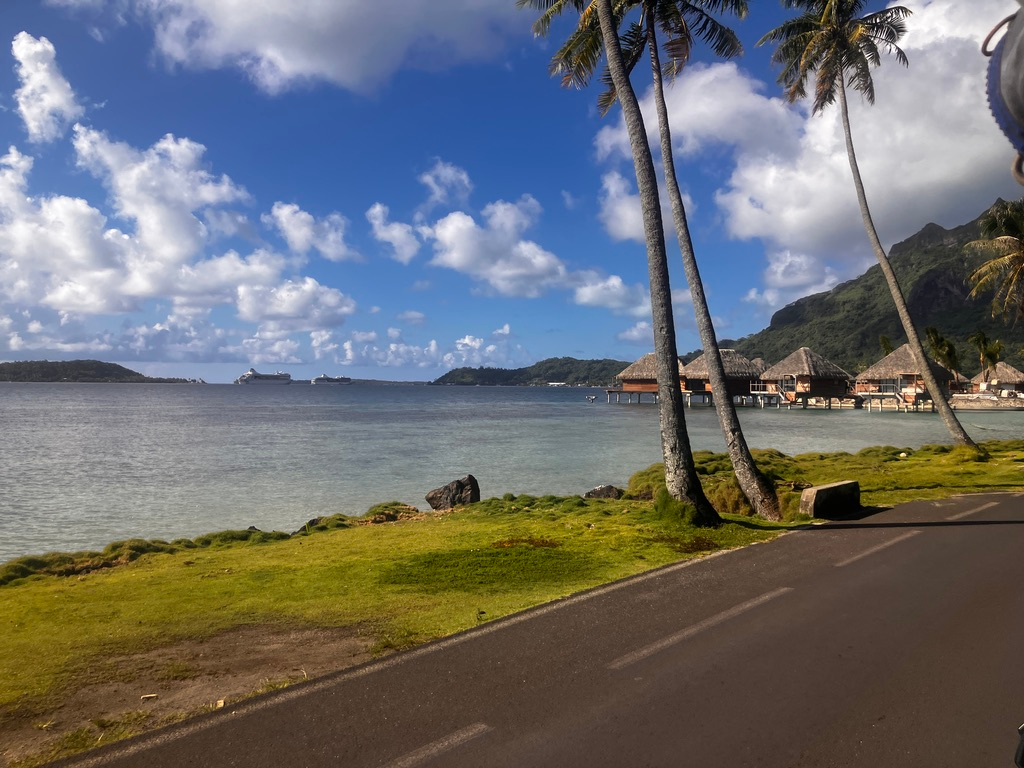
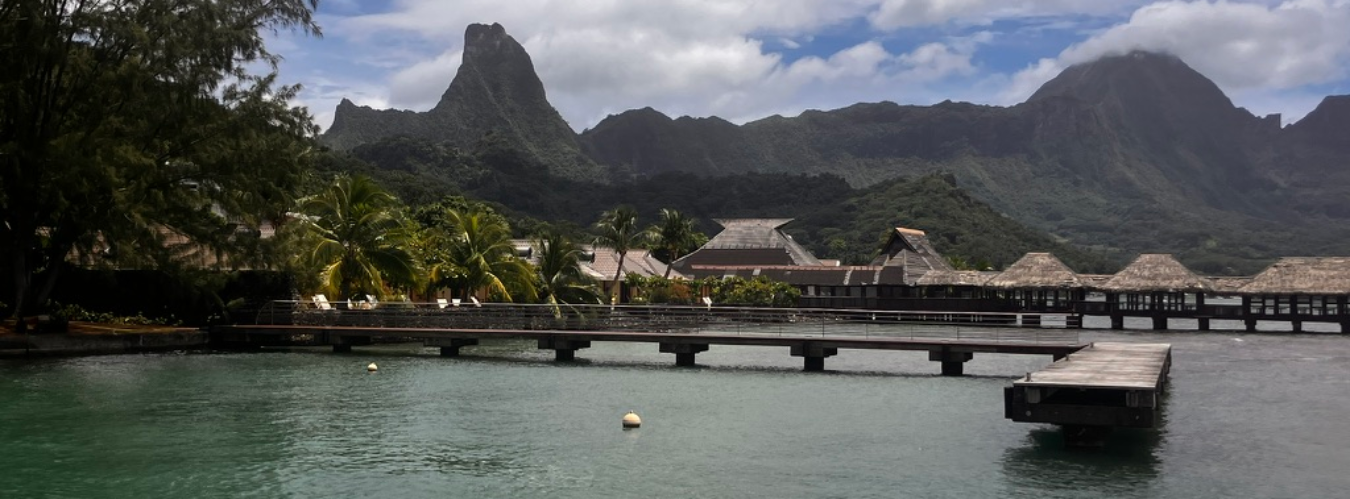
French Polynesia
French Polynesia is an overseas territory of France spread across 118 islands and atolls in the heart of the South Pacific, with a population of approximately 280,000 people. The main gateway is Tahiti, home to the capital Papeete and about 70% of the population, followed by Faaa and Punaauia. Other well-known islands include Bora Bora, Moorea, Raiatea, Huahine, Rangiroa, and Tahaa. One site is recognized on UNESCO’s World Heritage Tentative List: the Sacred Center of Taputapuātea (Raiatea), a major ceremonial complex central to Polynesian navigation and culture. French Polynesia is defined by dramatic volcanic peaks, turquoise lagoons, coral reefs, and a relaxed island lifestyle shaped by both Polynesian traditions and French influence.
History:
French Polynesia’s history stretches back over a thousand years, when expert Polynesian navigators settled the islands using stars, swells, and wind patterns to cross vast Pacific distances. Complex chiefdoms, sacred marae, and rich oral traditions shaped island identity long before European arrival.
Tahiti entered Western scientific history in 1769, when Captain James Cook and a Royal Society team observed the Transit of Venus from Matavai Bay. Their measurements helped refine global navigation and literally put the “Society Islands” on the map—the name honors the Royal Society who sponsored the expedition.
Just two decades later, Tahiti again became famous through the Mutiny on the Bounty (1789). After a long layover collecting breadfruit, tensions between Lieutenant Bligh and his crew erupted into mutiny. Some mutineers stayed in Tahiti; others hid on Pitcairn Island. The dramatic pursuit, trials, and later reinterpretations of the incident cemented Tahiti’s place in maritime lore.
France established a protectorate over Tahiti in 1842, later incorporating neighboring archipelagos. In the 20th century, nuclear testing in the Tuamotus profoundly shaped political identity and environmental consciousness. Today, French Polynesia is an autonomous territory blending deep Polynesian heritage with French governance, celebrated for its culture, navigation traditions, and strong movement toward cultural and ecological preservation.
Language:
• Official: French
• Widespread: Tahitian (Reo Tahiti)
• English? Spoken in tourist areas, hotels, and major businesses — less so in local neighborhoods and outer islands.
Helpful Phrases 🗣️
• Hello: Ia ora na (yah-or-ah-nah)
• Thank you: Mauruuru (mow-roo-roo)
• Excuse me / Sorry: Pardon (French)
• How much?: C’est combien ? (say kohm-byan)
• Bathroom / Toilet: Où sont les toilettes ?
• Taxi phrase: Pouvez-vous me conduire à…? (“Can you take me to…?”)
Currency:
• Currency: CFP Franc (XPF)
• Rough exchange: 1000 XPF ≈ 8.70–9 USD (approx.)
Cash vs Card
• Credit cards accepted in most tourist areas
• Smaller islands and markets prefer cash
• ATMs widely available in Tahiti, limited in outer islands
Tipping Etiquette:
Not expected — service is generally included.
• Taxis: rounding up is appreciated
• Tour guides: optional small tip for excellent service
• Massage/spa: optional, not mandatory
Tasting:
Poisson Cru à la Tahitienne: Raw tuna marinated in lime and coconut milk – the national dish.
Firi firi – Sweet Tahitian donuts
Poulet fafa – Chicken cooked with taro leaves and coconut cream
Ma’a Tahiti – Traditional feast cooked using hot stones (earth oven)
Fresh Tropical Fruits: Pineapple, papaya, starfruit, guava – often pre-cut at markets.
Tahitian Vanilla Desserts: Cakes, ice creams, and sauces flavored with local vanilla.
French-style pastries & baguettes – Found everywhere thanks to French influence
Hinano Beer & Local Rums: Hinano is the classic Polynesian beer; French and local rums appear in many cocktails.
Hidden Gems:
Point Venus – Site of James Cook’s historic observations of the 1769 transit of Venus.
Teti’aroa Atoll – This beautiful eden was once the vacation home of Tahitain royals before Marlon Brando bought it.
Marae Taputapuatea – This sacred enclave was once considered the religious center of Eastern Polynesia.
Travel Tips:
• Sundays and holidays are very slow — plan accordingly outside resort areas.
• The sun is intense even on cloudy days — sunscreen and hydration are essential.
• Dress casually but respectfully in towns and markets.
• Always carry small change (coins and notes) for local vendors.
• Street names and signage may be limited outside Papeete and resort areas.
• Taxi fares can vary — confirm price before starting.
Safety: French Polynesia is generally very safe with low levels of violent crime.
• Normal precautions still apply in busy markets and towns
• Keep electronics and valuables secure
• Avoid swimming in unfamiliar areas without checking currents
LGBTQ+ Travelers French Polynesia is relatively open compared to other Pacific islands.
· Same-sex relationships are legal
· Resorts and tourist areas are welcoming
· Public displays of affection are generally low-key across all couples
Is water safe to drink? Tap water in Tahiti and major hotels is generally safe, but bottled water is recommended on smaller islands.
Public Toilets Available? Yes — in ports, shopping centers, popular beaches, and tourist sites. Quality varies outside Tahiti.
Malarial risk? ❌ No malaria risk in French Polynesia.
🌺 BEST OF FRENCH POLYNESIA
Bora Bora • Raiatea • Moorea • Papeete (Tahiti) • Fakarava • Rangiroa Nuku Hiva • Hiva Oa • Tahuata • Ua Huka • Fatu Hiva
Each island chain has its own personality — lagoon-ringed Societies, coral-atoll Tuamotus, and the towering volcanic peaks of the Marquesas. Here’s where each activity is truly at its best.
🐠 BEST SNORKELING
✨ Fakarava (Tuamotus) — BEST OVERALL – UNESCO Biosphere Reserve, world-class coral, huge fish biomass, and famed shark walls. Nothing compares.
Bora Bora — Best for Sharks & Rays – Manta rays, blacktips, and sandy-bottom snorkeling in warm, calm water.
Rangiroa — Best “Blue Water” Snorkeling – Tiputa Pass delivers big pelagic life: dolphins, eagle rays, and sometimes hammerheads.
⛰️ BEST HIKING
✨ Nuku Hiva (Marquesas) — BEST OVERALL – Towering basalt cliffs, lush valleys, waterfalls, and some of the most dramatic landscapes in Polynesia.
Moorea — Best in the Society Islands – Belvedere trails, Three Coconuts Pass, Magic Mountain — accessible, stunning, iconic.
Hiva Oa — Best Sacred/Archaeological Hiking – Ancient stone tiki sites, me‘ae platforms, and cultural valley walks.
🚴 BEST BIKING
✨ Moorea — BEST FOR CYCLING – A scenic, mostly flat coastal loop with safe beach stops and mountain views.
Bora Bora — Best Lagoon Loop – Beautiful but narrower roads; ideal for confident cyclists.
Raiatea — Quiet Rural Riding – Peaceful roads, local villages, gentle hills.
🛍️ BEST SHOPPING
✨ Papeete (Tahiti) — BEST OVERALL – Le Marché, pearl shops, artisan crafts, perfumes, textiles, vanilla, black pearls — everything is here.
Moorea — Best Local Crafts & Soaps – Artisan cooperatives, small craft villages, handmade jewelry, vanilla.
Bora Bora — Best for High-End Pearls – Designer pearl houses and boutique luxury brands.
🏖️ BEST BEACHES
✨ Bora Bora — BEST BEACHES IN THE COUNTRY – Matira Beach is world-famous: white sand + surreal lagoon colors.
Moorea — Best Swimmable Lagoon Beaches – Temae and Hauru Point are gorgeous and easy to enjoy.
Tahuata — Best Rustic, Unspoiled Beaches (Marquesas) – Golden sand beaches with almost no crowds.
🏝️ BEST LAGOON EXPERIENCES
✨ Bora Bora — BEST LAGOON IN FRENCH POLYNESIA – Ultimate shades of blue, sandbars, rays, camera-perfect every minute.
Moorea — Best Mix of Mountains + Lagoon – A backdrop of volcanic peaks with friendly marine life.
Raiatea/Taha‘a — Best for Cultural Lagoon Tours – Vanilla farms, pearl farms, motu picnics, coral gardens.
🐢 BEST WILDLIFE ENCOUNTERS
✨ Rangiroa — Best for Dolphins & Big Marine Life – Dolphins at Tiputa Pass are almost guaranteed.
Moorea — Best for Turtles, Rays & Sharks – Calm, clear waters make sightings easy.
Fakarava — Best Healthy Reef Ecosystem – Huge biodiversity + sharks in natural numbers.
🛻 BEST 4×4 EXPERIENCES
✨ Moorea — BEST OVERALL 4×4 TOUR Magic Mountain, Belvedere Lookout, pineapple fields, and lush Opunohu Valley—classic scenery, great guides, and the perfect mix of culture and landscape.
Bora Bora — Best High Lagoon Viewpoints Ridge-top tracks and WWII cannons with sweeping lagoon panoramas—nowhere else offers these elevated blue-on-blue views.
Raiatea — Best Culture + Nature Combination 4×4 routes to Taputapuātea (UNESCO), jungle valleys, and island farms—ideal for residents who enjoy storytelling woven into the landscape.
Nuku Hiva — Best Wild & Dramatic Terrain Towering spires, deep valleys, remote villages, and archaeological sites—raw, cinematic scenery unmatched anywhere in French Polynesia.
Hiva Oa / Tahuata — Best for Ancient Sites & Heritage Visits to me‘ae platforms, stone tikis, artist history, and rugged coastlines—perfect for those interested in archaeology and Marquesan culture.
🗿 BEST CULTURE & HISTORY
✨ Hiva Oa — BEST CULTURAL DEPTH (Marquesas) – Paul Gauguin’s home, Jacques Brel’s story, ancient tiki sites, and strong carving traditions.
Raiatea — Best for Polynesian Origins – Taputapuātea (UNESCO) is the spiritual heart of Polynesian voyaging.
Ua Huka — Best Wood Carving & Artisan Traditions – Renowned for craftsmanship and small artisan workshops.
🌋 BEST SCENERY
✨ Fatu Hiva — MOST DRAMATIC LANDSCAPES – The Bay of Virgins is often called one of the most beautiful bays on Earth.
Nuku Hiva — Best Valleys & Waterfalls – Jagged ridges, lush valleys, cinematic views.
Moorea — Classic Postcard Beauty – Emerald mountains rising straight from the sea.
🍽️ BEST FOOD & DINING
✨ Papeete — BEST DINING SCENE – Roulottes (night food trucks), cafés, French–Polynesian fusion.
Moorea — Best Casual Tropical Dining – Fresh fish, beach cafés, casual island restaurants.
Bora Bora — Best Resort Dining – Fine dining with lagoon views.
**Disclaimer: “Best” designations are based on typical visitor experiences and general island characteristics; actual conditions may vary day-to-day and may be interpreted differently by individuals with varying preferences and opinions.